
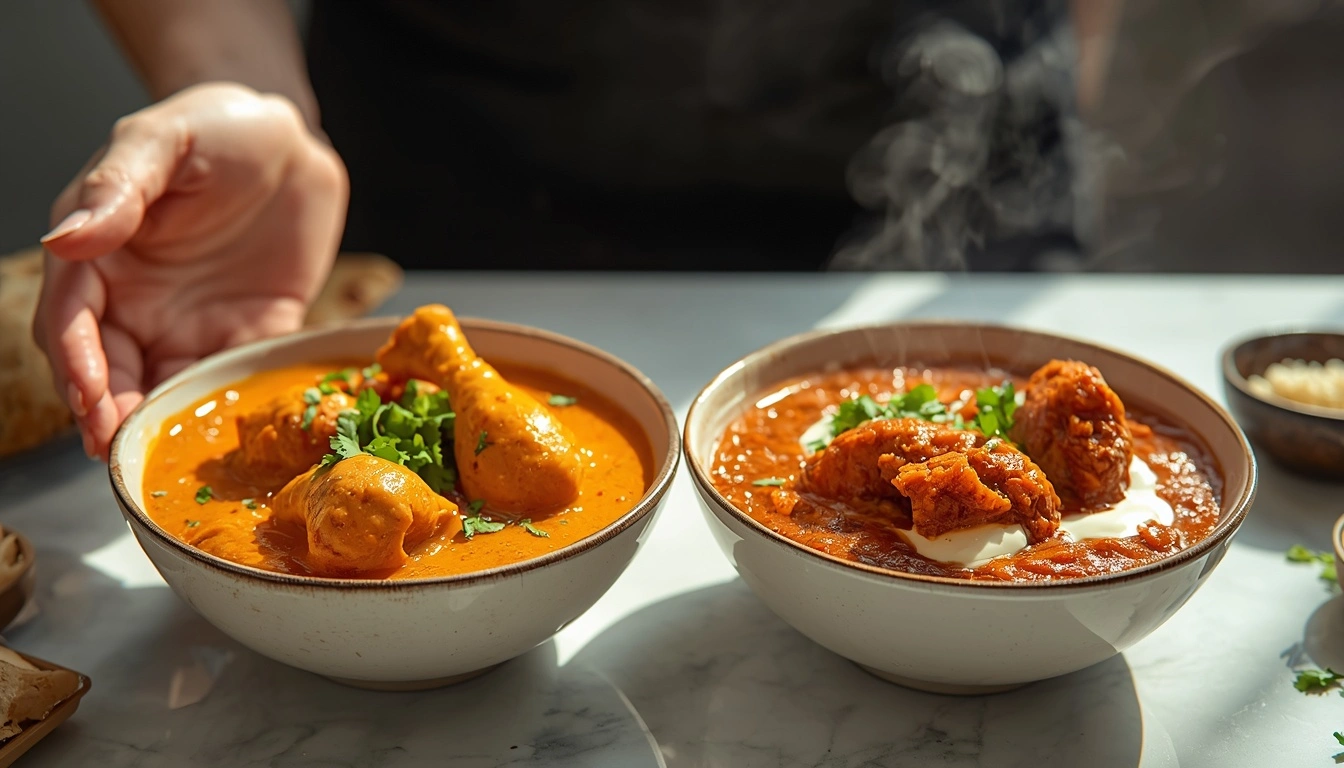
Butter Chicken Vs Tikka Masala? The Truth Will Surprise You
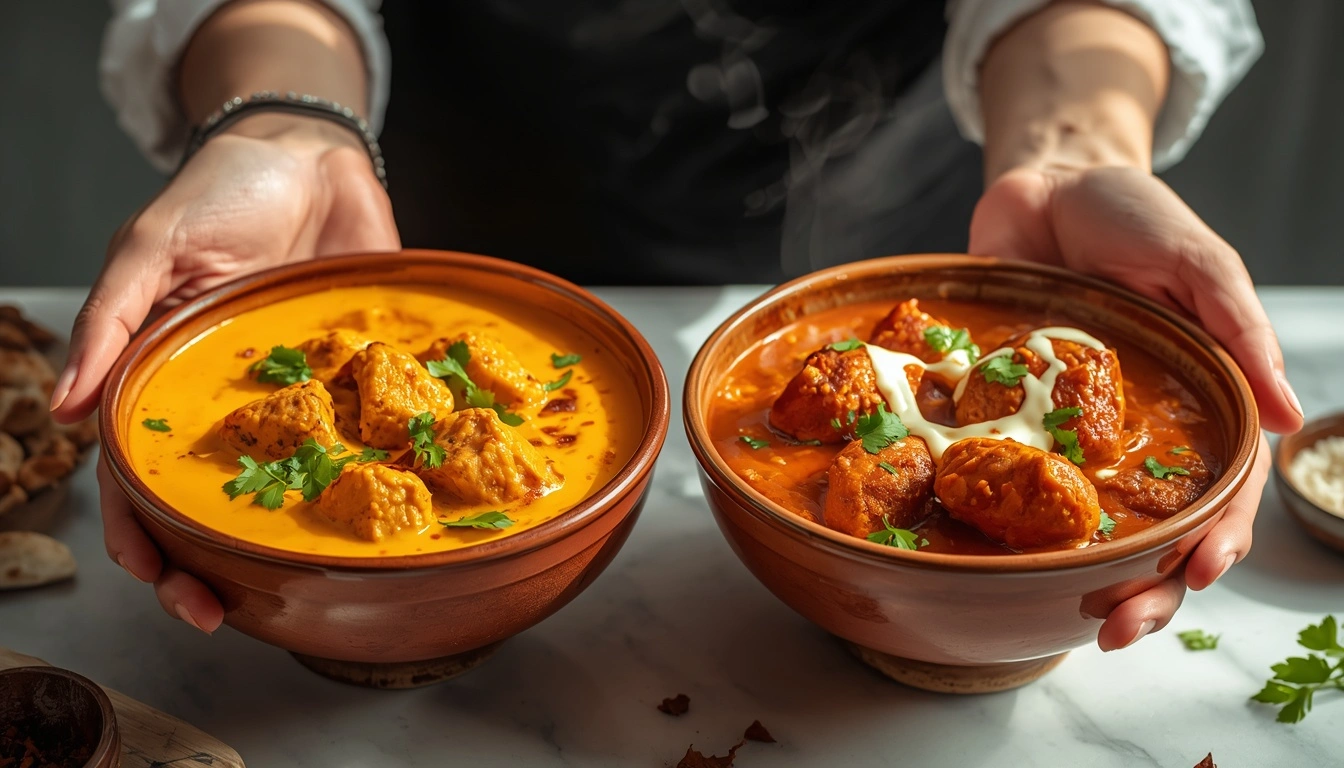
Left: butter chicken — creamy, mild, slightly sweet. Right: tikka masala — bolder, spicier, more complex. They are not the same dish.
Butter chicken is milder, creamier, and slightly sweet — the sauce is built on butter, cream, and tomatoes with restrained spicing. Tikka masala is bolder, spicier, and more complex — the sauce adds coriander, fenugreek, and more heat. Both use grilled marinated chicken. The confusion comes from similar color and presentation. They are genuinely different dishes.
What Are These Two Dishes Really?
The widespread confusion between butter chicken and tikka masala is not accidental. Both are orange-red, both are served with naan or rice, both use grilled or roasted chicken in a tomato-cream sauce, and both appear on virtually every Indian restaurant menu in the world. At a glance, they look identical. On the palate, they are notably different.
Butter chicken — known in Hindi as murgh makhani — was created at Moti Mahal restaurant in Delhi in the 1950s. The story goes that leftover tandoori chicken was simmered in a sauce of butter, tomatoes, and cream to prevent waste and keep the chicken moist for service the next day. The result was something mild enough for any palate, rich enough to feel indulgent, and just spiced enough to be interesting.
Tikka masala is a different dish with a contested origin. The most widely cited story places its creation in Glasgow, Scotland in the 1970s, when a customer complained that their chicken tikka was too dry and a chef added a spiced tomato-cream sauce on the spot. The UK government even declared it a British national dish in 2001. Whether that origin story is accurate or apocryphal, tikka masala is now global — and it is not the same dish as butter chicken.
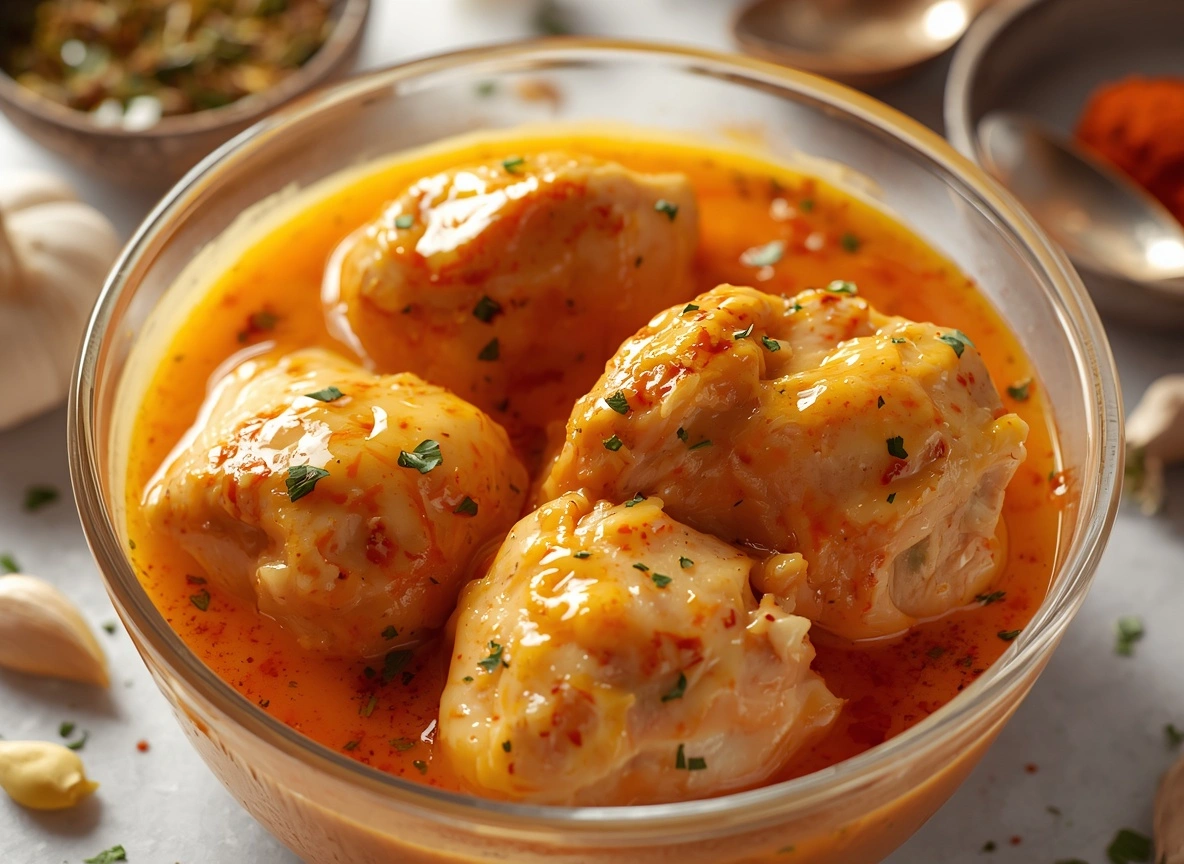
Butter Chicken vs Tikka Masala — Full Side-by-Side
| Feature | Butter Chicken | Tikka Masala |
|---|---|---|
| Chicken preparation | Marinated, grilled/roasted | Marinated, grilled (tikka) |
| Sauce base | Tomato + butter + cream | Tomato + cream + spice blend |
| Signature spice | Kashmiri chili (mild red color) | Fenugreek + coriander |
| Sweetness | Noticeably sweet (honey/sugar often added) | Less sweet, more savory |
| Fat content | Higher (more butter) | Moderate |
| Difficulty to make | Easier | Slightly more complex |
| Closest comparison | A mild, creamy tomato-based curry | A bold, spiced grilled chicken curry |
The single clearest tell: Butter chicken will taste noticeably sweeter and creamier. Tikka masala will have a slightly smokier, earthier, more assertive spice character. If you taste both side by side, the difference is unmistakable — even if they look almost identical in the bowl.
Chicken Tikka vs Chicken Tikka Masala — Another Common Confusion
Separate from the butter chicken comparison, there is a second confusion that catches many people: chicken tikka and chicken tikka masala are not the same thing.
Chicken tikka is a dry dish — marinated chicken pieces grilled in a tandoor or oven until charred and cooked through. No sauce. Just spiced grilled chicken, typically served with chutney and salad. It is the protein base that both tikka masala and many other dishes start with.
Chicken tikka masala takes that same grilled chicken and submerges it in a spiced tomato-cream sauce — the masala. The word masala simply means “spice blend” or, in this context, “sauce.” So tikka masala is literally “grilled-chicken-piece sauce.”
Ordering tip: At an Indian restaurant, if you order “chicken tikka,” you will get a dry grilled dish — not a curry. If you want the saucy version, order “chicken tikka masala.” Getting these confused is one of the most common ordering mistakes.
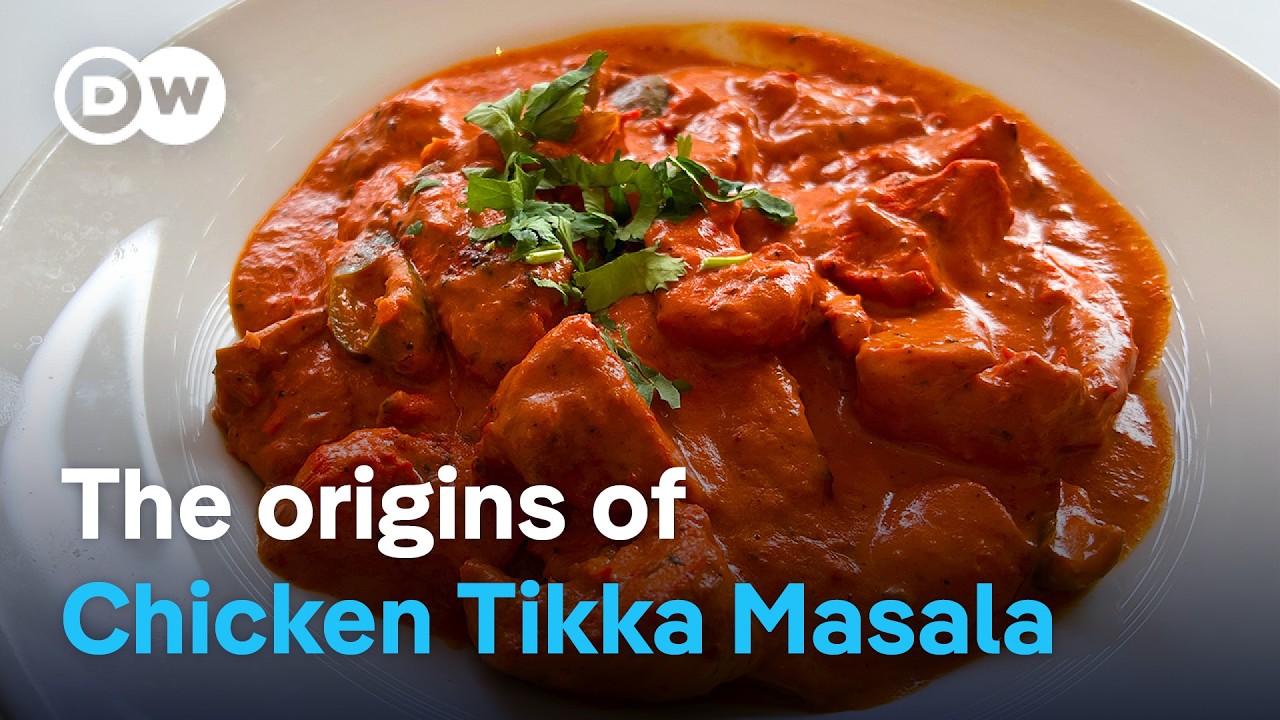
🍩 Authentic Butter Chicken (Murgh Makhani)
Ingredients
 Chicken Thighs1.5 lb
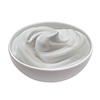 Plain Yogurt1 cup
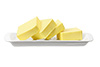 Butter3 tbsp
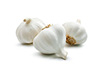 Garlic4 cloves
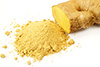 Fresh Ginger1 inch
 Crushed Tomatoes14 oz
 Kashmiri Chili2 tsp
 Heavy Cream0.5 cup
 Garam Masala2 tsp
 Honey1 tbsp
Instructions
- Marinate: Whisk yogurt, lemon juice, turmeric, kashmiri chili, garam masala, cumin, and salt. Coat chicken and refrigerate at least 2 hours, overnight is better.
- Grill the chicken: Cook marinated chicken on a hot grill, cast-iron pan, or under a broiler until charred and the internal temperature reaches 165°F (74°C). Per the USDA safe temperature chart, this is the minimum safe temperature for all poultry. Set chicken aside.
- Build the sauce: Melt butter over medium heat. Cook onion 8 minutes until golden. Add garlic and ginger, cook 2 minutes. Add crushed tomatoes, kashmiri chili, garam masala, and cumin. Simmer 15 minutes until the sauce darkens and thickens.
- Blend smooth: Use an immersion blender or transfer to a blender. Blend until completely smooth and silky — this is the defining texture of butter chicken.
- Finish: Return blended sauce to heat. Add grilled chicken, cream, and honey. Simmer 5 minutes. Taste and adjust salt. Garnish with cilantro. Serve with naan or basmati rice.
Step-by-Step: Making Butter Chicken
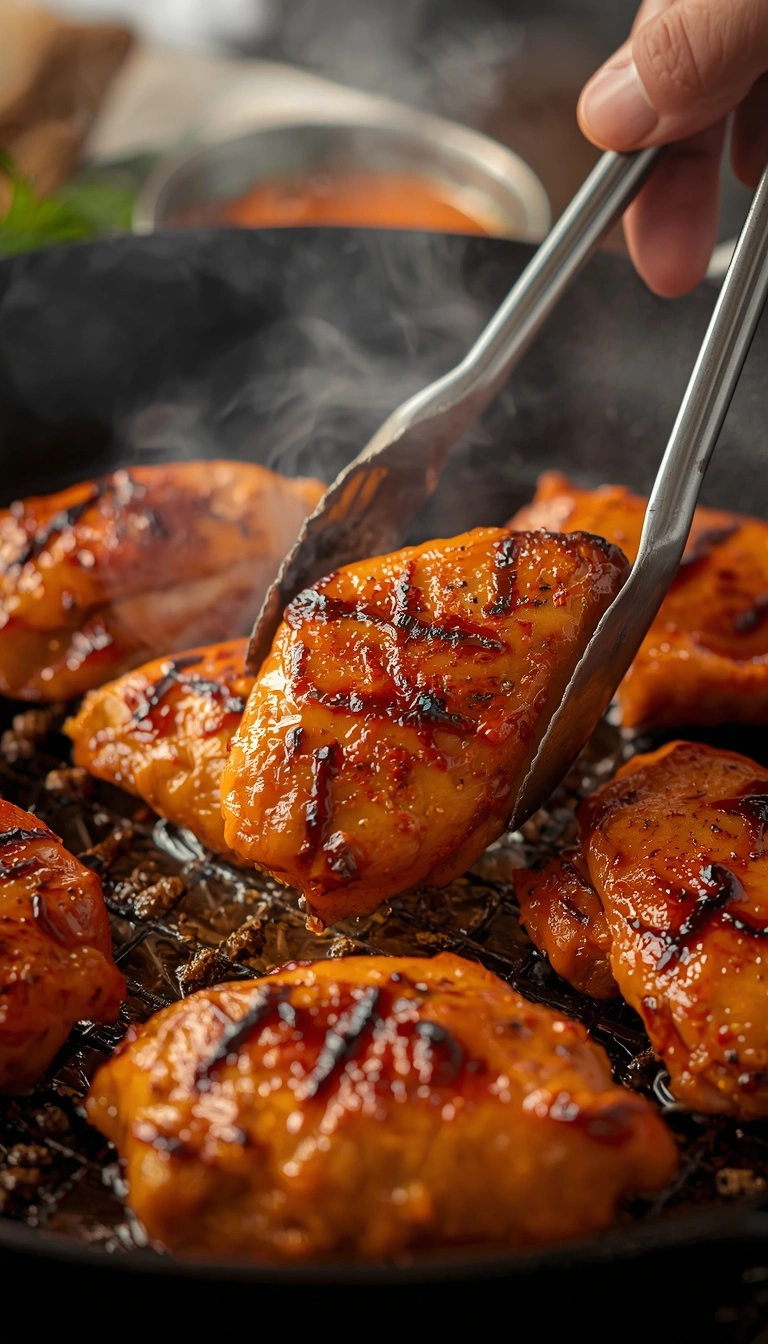
Grill the Chicken Until Charred
The char marks are not decoration — they are flavor. The Maillard reaction on the marinated chicken surface creates hundreds of flavor compounds that carry into the sauce. Do not skip the grilling step and just poach the chicken directly in the sauce. Butter chicken without charred chicken is not butter chicken. Use a very hot grill, broiler, or cast-iron pan and get real color on the meat. Check internal temperature: 165°F is the safe minimum for all poultry.
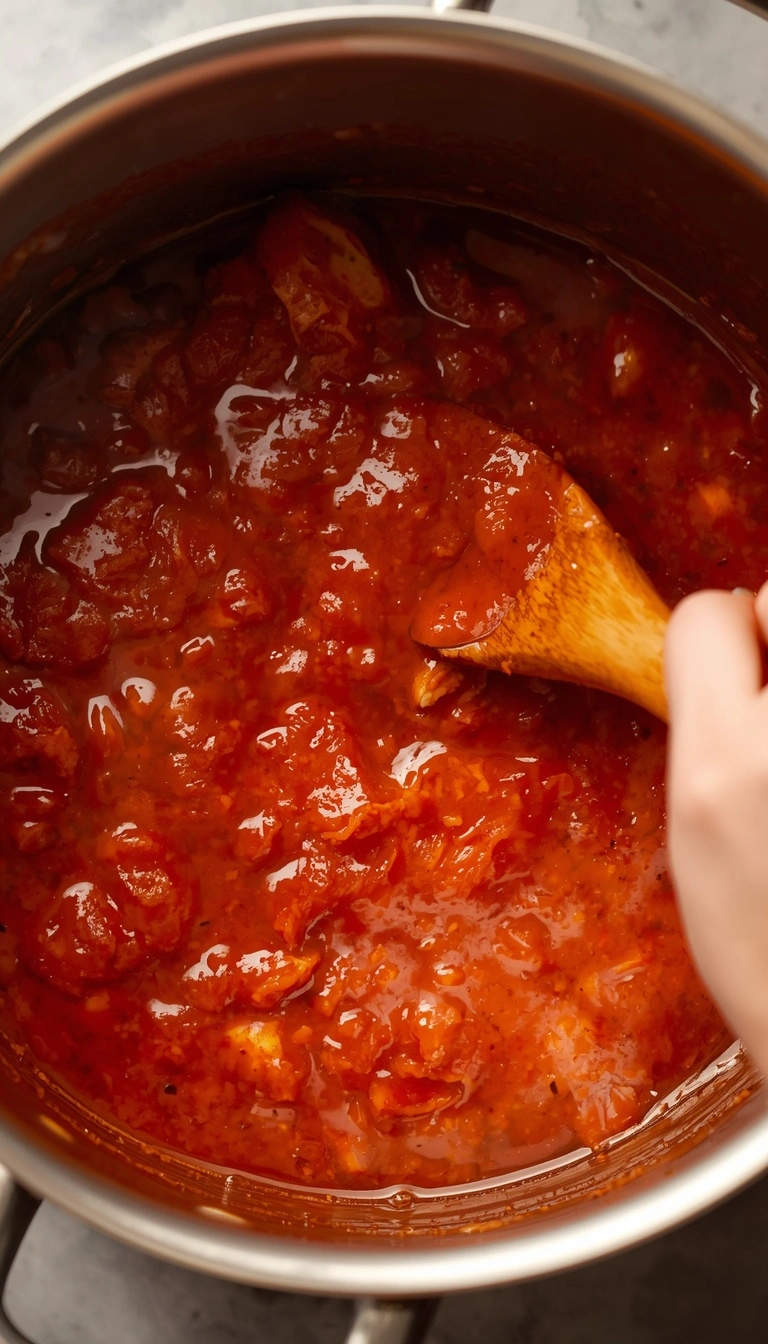
Simmer the Sauce Until It Darkens
The tomato base needs 12–15 minutes of active simmering to transform from sharp and raw to deep and sweet. You will see the color darken from bright red to a deeper rust. The volume should reduce by about a third. This cooking-down process is what gives butter chicken its characteristic sweetness — the tomatoes’ natural sugars concentrate as the water evaporates. Stir regularly and do not rush this step.
Blend Until Perfectly Smooth
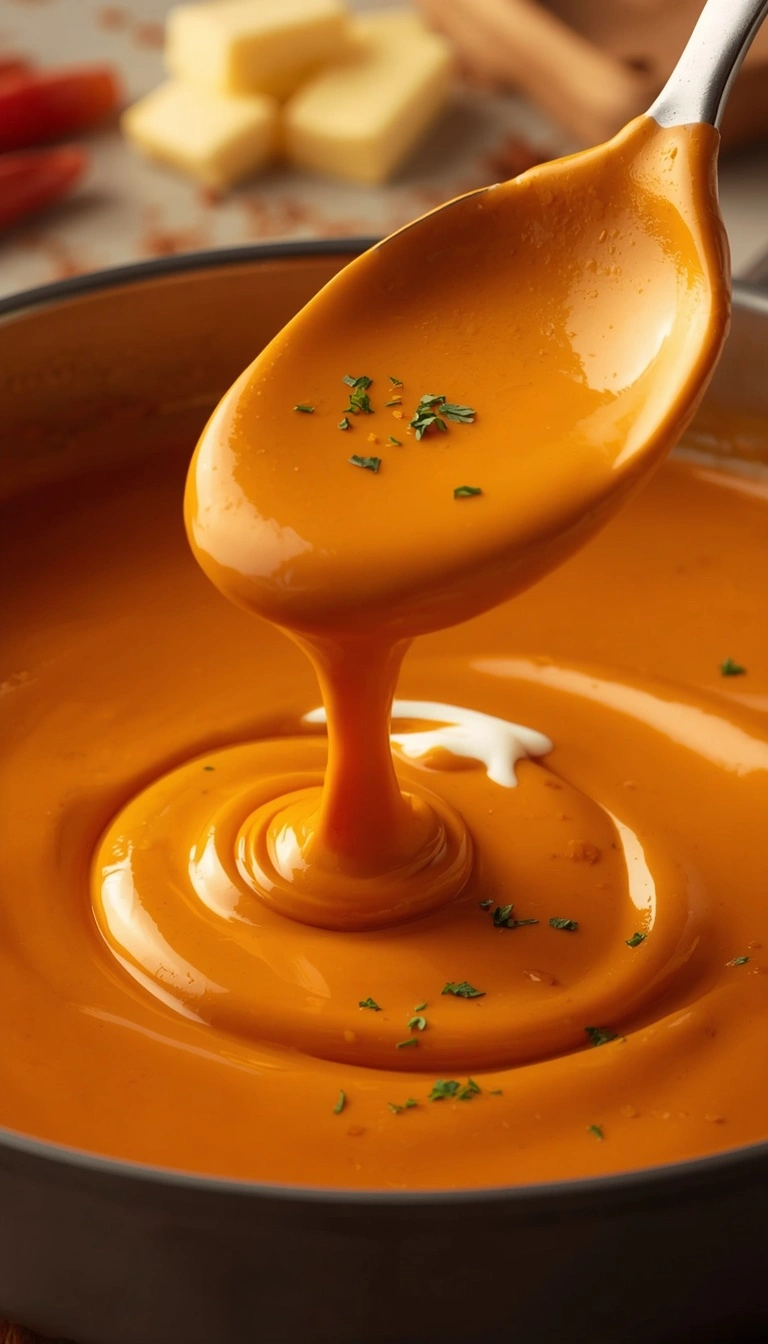
This is the step that separates restaurant butter chicken from home versions. After simmering, blend the entire sauce until it is completely smooth — no tomato chunks, no onion texture. A high-powered blender gives the best results. An immersion blender works but may leave small pieces. The sauce should be silky, coating the back of a spoon evenly. Once blended, return to heat and add the grilled chicken, cream, and honey. The result should look like poured velvet — that deep orange, impossibly smooth sauce that makes butter chicken one of the most recognizable dishes in the world.
Tips for Perfect Butter Chicken at Home
Use Kashmiri Chili Powder
Kashmiri chili gives the characteristic deep orange-red color without significant heat. Regular chili powder gives heat but a flatter color. If you can only find one Indian spice, make it kashmiri chili.
Marinate Overnight
Two hours of marination is the minimum. Overnight is significantly better. The yogurt acid tenderizes the chicken and the spices penetrate deeply, producing more complex flavor in the final dish.
Blend the Sauce Completely
Texture is the difference between good and restaurant-quality butter chicken. Blend until there is zero texture left. Strain through a fine mesh strainer if you want to go the extra mile.
Add Cream Off the Heat
Add the heavy cream after removing from peak heat to prevent curdling. Warm the cream first before adding, or stir it in slowly. Simmering after adding cream should be gentle, not a rolling boil.
The Honey Makes It
A tablespoon of honey at the end is what makes butter chicken taste noticeably different from other tomato curries. It is not sweet enough to taste like dessert but rounds the acid and bitterness perfectly.
Char Is Non-Negotiable
Skip the grill step and you will have good tomato chicken stew. Not butter chicken. The char marks add smokiness and depth that cannot be replicated any other way. Get the pan or grill screaming hot before the chicken touches it.
Serving, Storage & Reheating
Serving
Serve butter chicken with warm naan (for scooping sauce), basmati rice (for absorbing sauce), or both. A simple cucumber raita on the side cuts through the richness. A small side of sliced onion with lemon and chili adds contrast. For the chicken-focused side, this meal pairs naturally with other chicken techniques covered in our chicken cooking guide.
Storage
Butter chicken keeps refrigerated in an airtight container for 4 days. The flavors actually improve on day 2 as the spices continue to meld. Per the USDA leftovers and food safety guide, cooked poultry should be refrigerated within 2 hours and reheated to 165°F before serving.
Reheating
Reheat gently over low heat with a splash of water or cream to prevent the sauce from breaking. Avoid high microwave power — it can cause the cream to curdle. A covered skillet over medium-low heat for 5–7 minutes is ideal. The sauce will look separated when cold but comes back together with gentle heat and stirring.
🔢 Chicken Nutrition Estimator
Estimate approximate calories, protein, and fat for different chicken preparations. Cooked values.
Please enter a valid amount (1–9999).
Values include sauce for butter chicken and tikka masala. Approximate — actual values vary by recipe.
Frequently Asked Questions
Butter chicken has a milder, creamier, slightly sweet sauce built on butter, cream, and tomatoes. Tikka masala has a bolder, spicier sauce with additional spices like coriander and fenugreek. Both use grilled marinated chicken. The sauce is where they fundamentally differ in flavor, spice level, and origin.
No. While they look similar and share a grilled chicken base in a tomato-cream sauce, they are genuinely different dishes. Butter chicken is milder, creamier, and sweeter. Tikka masala is spicier, earthier, and more complex in its spice profile. Tasting them side by side makes the difference immediately clear.
Tikka masala is spicier. Butter chicken was intentionally developed to be mild and accessible to all palates. It uses kashmiri chili primarily for color rather than heat. Tikka masala has a more assertive spice blend with additional heat from different chili varieties and a deeper spice complexity.
Chicken tikka is a dry dish — just marinated grilled chicken, no sauce. Chicken tikka masala takes those same grilled pieces and adds them to a spiced tomato-cream sauce. When ordering at a restaurant, “tikka” means dry grilled; “tikka masala” means the curry version with sauce.
Yes. Chicken tikka masala is a curry — grilled chicken in a spiced sauce. In Indian culinary terminology, any dish with a gravy or sauce base qualifies as a curry. Tikka masala is one of the most popular curries in the world and was declared a British national dish in 2001 by the UK government.
Butter chicken is easier for beginners. The sauce requires fewer spices, is more forgiving if you slightly under or over-season, and the mild flavor makes it difficult to ruin. Tikka masala requires balancing a more complex spice blend. Both require grilling the chicken first — do not skip that step for either dish.