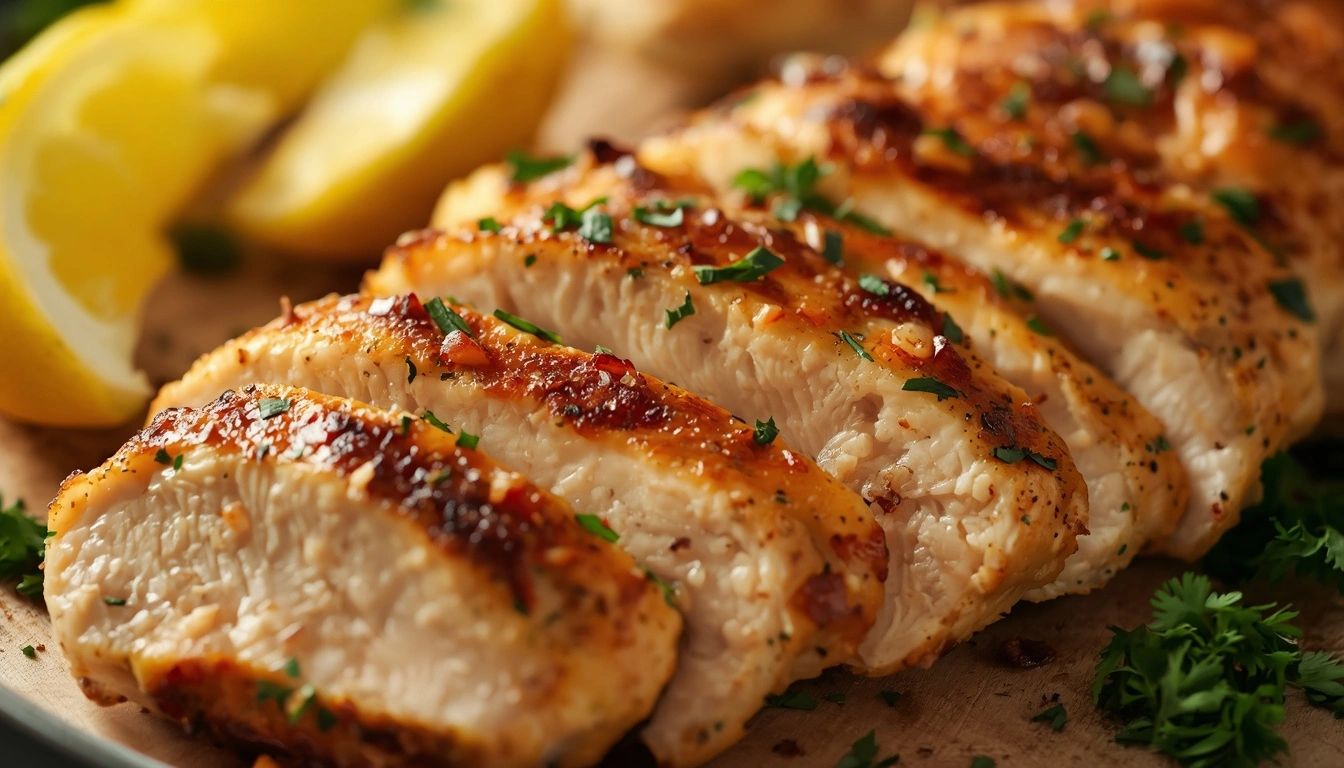
Boneless Skinless Chicken Thighs: Nutrition Facts & Benefits

Boneless Skinless Chicken Thighs Nutrition: Quick Answer
Boneless Skinless Chicken Thighs Nutrition is simple: cooked boneless skinless chicken thighs are high in protein, naturally low in carbohydrates, and more flavorful than chicken breast because they contain more fat. A 100g cooked portion has about 179 calories, 24.8g protein, 8.2g fat, and 0g carbs.
For official safety guidance, check FoodSafety.gov safe minimum internal temperatures. For broader chicken information, browse the MeatRecipeZone chicken recipe collection.
Boneless Skinless Chicken Thighs Nutrition Facts
Boneless skinless chicken thighs are dark meat, which means they usually have more fat than chicken breast. That extra fat gives them a richer flavor and helps them stay moist during baking, grilling, skillet cooking, and meal prep.
For most home cooks, the biggest benefit is balance: chicken thighs still deliver strong protein, but they are harder to dry out than chicken breast. That makes them especially useful for busy weeknight dinners and reheated lunches.
| Nutrient | Cooked 100g Estimate | Why It Matters |
|---|---|---|
| Calories | About 179 calories | Moderate energy for a protein-rich meat |
| Protein | About 24.8g | Supports fullness, muscle repair, and meal prep goals |
| Fat | About 8.2g | Adds flavor, tenderness, and juiciness |
| Carbohydrates | 0g | Works for low-carb and keto-style meals |
| Sodium | Varies by seasoning | Fresh thighs are low, but marinades can raise sodium |
Benefits of Boneless Skinless Chicken Thighs
Boneless skinless chicken thighs are one of the most practical protein choices for American home kitchens. They cook quickly, stay juicy, and work with almost any flavor profile.
They provide enough protein to anchor a balanced lunch or dinner.
Thighs are less likely to become dry if cooked a few minutes longer.
They stay moist in rice bowls, salads, wraps, and pasta.
Use BBQ, lemon herb, taco seasoning, teriyaki, curry, or garlic butter.
Chicken Thigh Nutrition vs Chicken Breast Nutrition
Chicken breast nutrition is leaner, while chicken thighs are richer and more flavorful. If your main goal is the highest protein with the lowest fat, breast wins. If your goal is juicy meat that reheats well, thighs are often easier.
| Cooked 100g Portion | Calories | Protein | Fat | Best For |
|---|---|---|---|---|
| Boneless skinless chicken thighs | About 179 | About 24.8g | About 8.2g | Juicy meals, meal prep, flavor |
| Skinless chicken breast | About 165 | About 31g | About 3.6g | Lean protein, cutting calories, high protein |
If you are searching for protein in 100g chicken breast cooked, the common estimate is about 31g protein. Chicken thighs provide slightly less protein per 100g, but they often taste richer and stay tender more easily.
Best Ways to Use Boneless Skinless Chicken Thighs
Because thighs are naturally tender, they work well in quick and slow recipes. They also absorb marinades beautifully.
- Sheet pan dinners: bake with potatoes, peppers, onions, or broccoli.
- Rice bowls: slice over rice with sauce, vegetables, and herbs.
- Tacos: season with chili powder, cumin, lime, and garlic.
- Meal prep: cook a batch and use throughout the week.
- Soups and pasta: diced cooked thighs add protein and flavor.
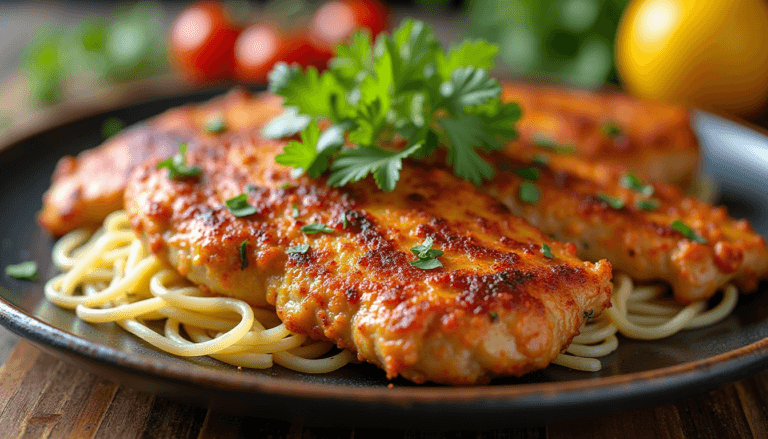
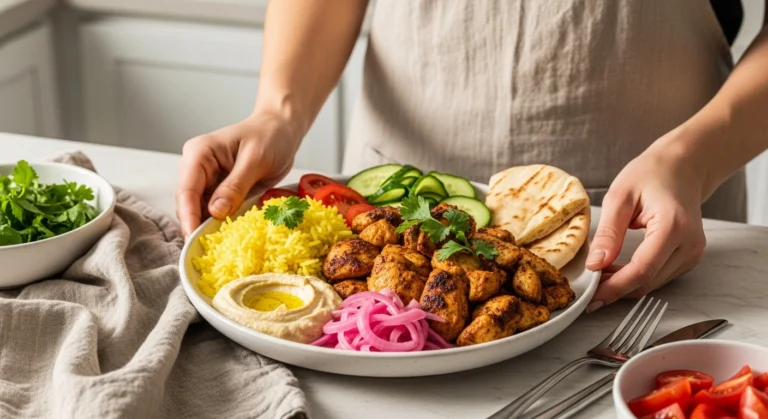
For more easy chicken ideas, try chicken with mayo and parmesan or this chicken shawarma platter.
Recipe Block: Juicy Oven-Baked Boneless Skinless Chicken Thighs
This simple recipe keeps the nutrition benefits practical: high protein, juicy texture, and easy flavor with pantry spices, lemon, and herbs.
Flavor profile: savory chicken thighs, smoked paprika, garlic, lemon, oregano, Dijon mustard, parsley, and golden roasted edges.
Ingredients
 Chicken thighs1.5 lb
 Olive oil1 tbsp
 Kosher salt1 tsp
 Smoked paprika1 tsp
 Garlic powder1 tsp
 Onion powder0.5 tsp
 Black pepper0.5 tsp
 Oregano0.5 tsp
 Lemon juice1 tbsp
 Dijon mustard1 tsp
 Parsley1 tbsp
 Lemon1
Step-by-Step: Juicy Baked Boneless Skinless Chicken Thighs
This recipe is designed for easy high-protein dinners and meal prep. The oven temperature is hot enough for browning while keeping the meat juicy.

Pat the chicken dry
Use paper towels to dry the surface. Dry chicken browns better and holds seasoning more evenly.
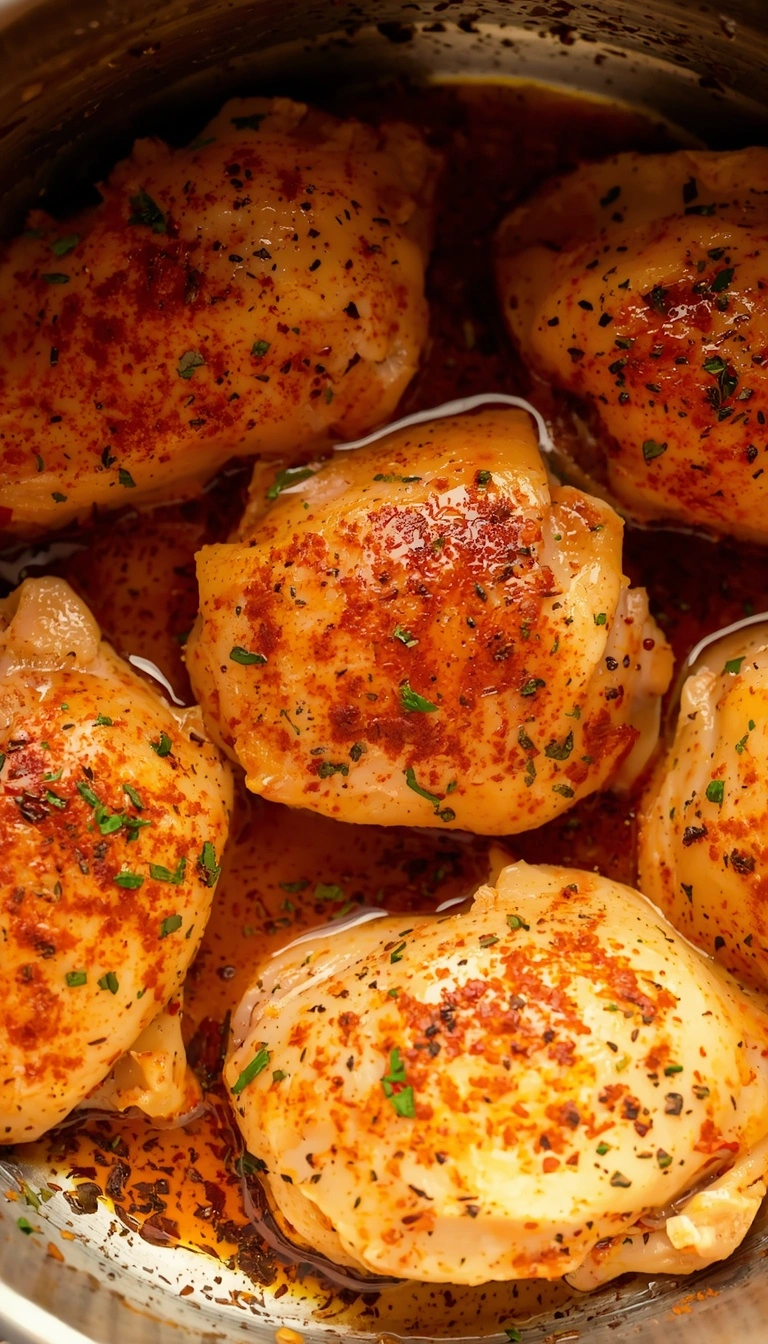
Season with lemon and spices
Toss the thighs with olive oil, salt, smoked paprika, garlic powder, onion powder, pepper, oregano, lemon juice, and Dijon.
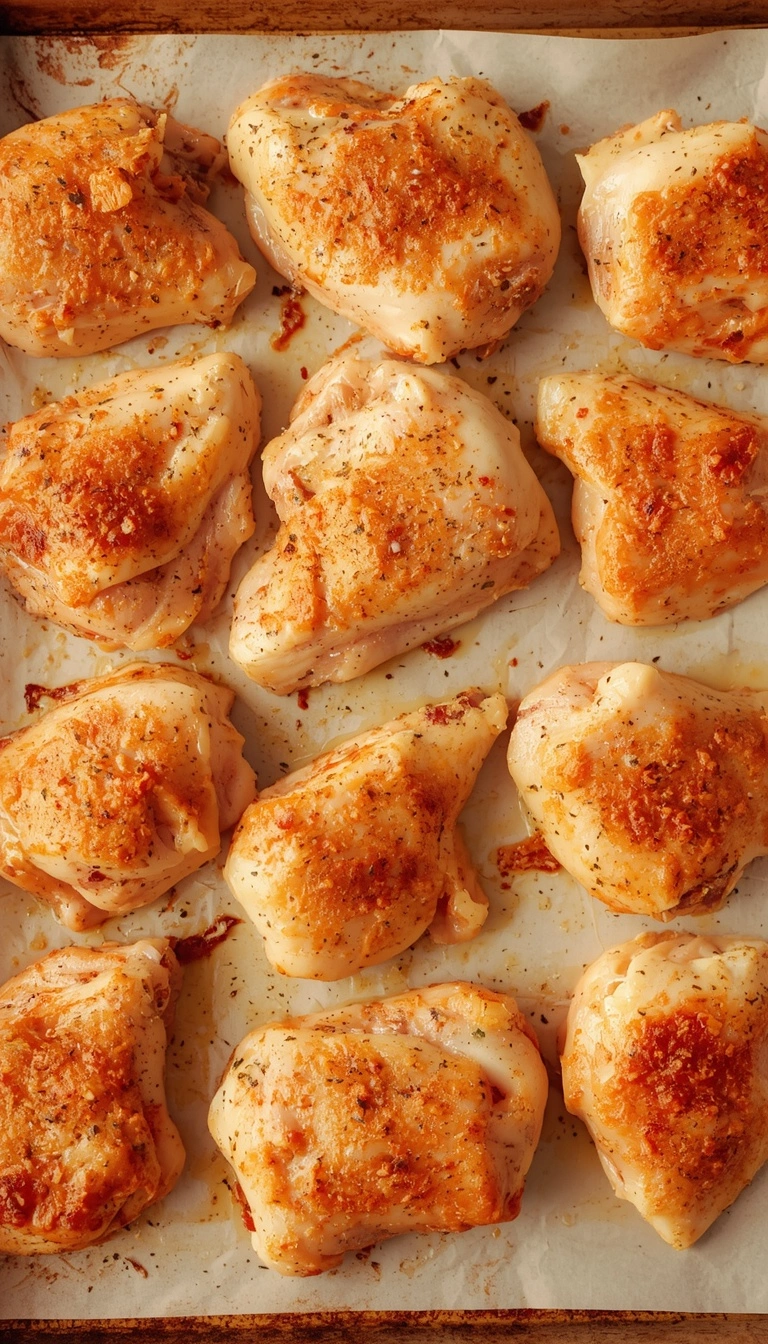
Arrange in one layer
Place chicken thighs on a lined sheet pan with space between pieces so heat can circulate.
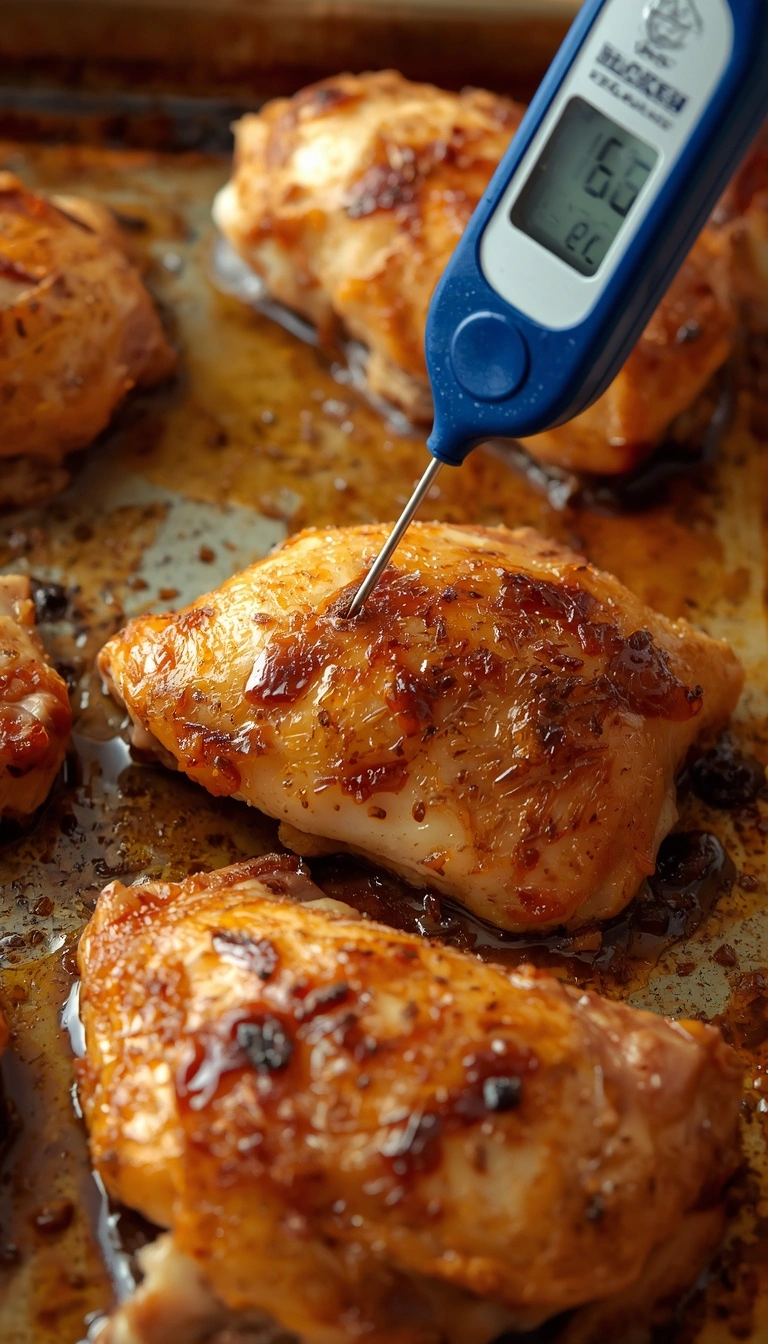
Bake to 165°F
Bake at 425°F for 18 to 24 minutes, or until the thickest part reaches 165°F on a food thermometer.
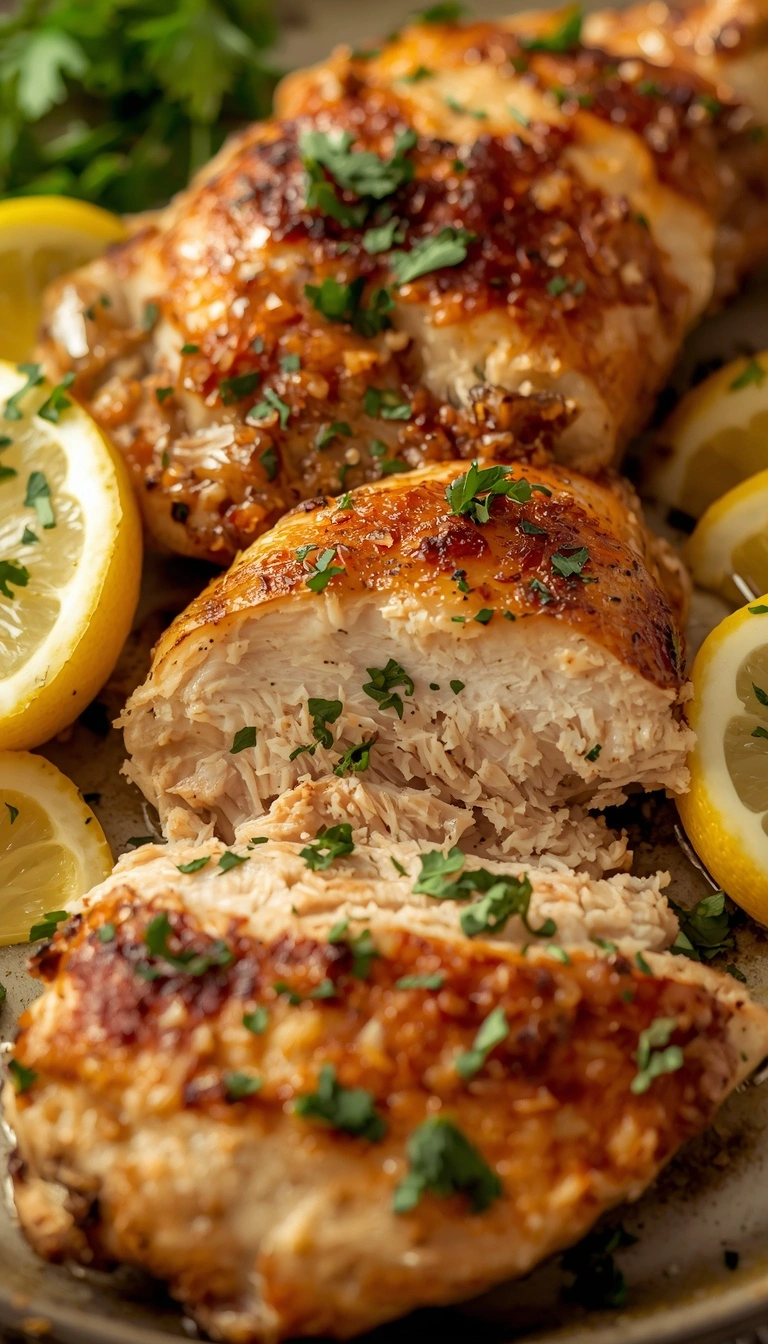
Rest and serve
Rest the chicken for 5 minutes, then finish with parsley and lemon wedges. Slice for bowls, salads, wraps, or meal prep.
Expert Tips for Better Chicken Thigh Nutrition Meals
- Trim visible fat if needed. This lowers calories while keeping thighs juicy.
- Use a thermometer. Chicken should reach 165°F for safety.
- Skip heavy sugary sauces. Use lemon, herbs, mustard, salsa, or spices for flavor with fewer added calories.
- Pair with fiber. Add vegetables, beans, potatoes, rice, or salad to make the meal more filling.
- Meal prep smart. Store cooked thighs in shallow containers and reheat leftovers to 165°F.
Serving, Storage, and Reheating
Serving
Serve boneless skinless chicken thighs with roasted vegetables, rice, mashed potatoes, salad, tortillas, pasta, or grain bowls. For a leaner plate, pair them with vegetables and a lighter sauce.
Storage
Refrigerate cooked chicken thighs within 2 hours. Store in airtight containers and use within 3 to 4 days for best quality.
Reheating
Reheat cooked chicken leftovers to 165°F. Add a splash of broth or sauce before reheating to help the meat stay moist.
Chicken Nutrition Calculator
Estimate calories, protein, and fat for chicken thighs or chicken breast. Values are approximate and based on cooked portions.
Boneless Skinless Chicken Thighs Nutrition FAQ
Yes. Boneless skinless chicken thighs are high in protein, naturally carb-free, rich in flavor, and usually more forgiving to cook than chicken breast.
Cooked boneless skinless chicken thighs provide about 24 to 25 grams of protein per 100 grams, depending on trimming and cooking method.
Yes. Chicken thighs are usually higher in calories and fat than chicken breast, but they are still high in protein and often juicier.
Cooked skinless chicken breast typically provides about 31 grams of protein per 100 grams.
Boneless skinless chicken thighs should reach a safe minimum internal temperature of 165°F.
Yes. They stay moist after reheating and work well in rice bowls, salads, wraps, pasta, soups, and high-protein meal prep containers.

About JULIA
Hi, my name is JULIA. I write practical meat recipes and clear cooking guides to help home cooks feel more confident in the kitchen. In this guide, I’ll show you exactly how boneless skinless chicken thighs compare nutritionally with chicken breast, why they are useful for high-protein meals, and how to cook them safely without drying them out.