Do You Know The Right Beef Cooking Temperature?
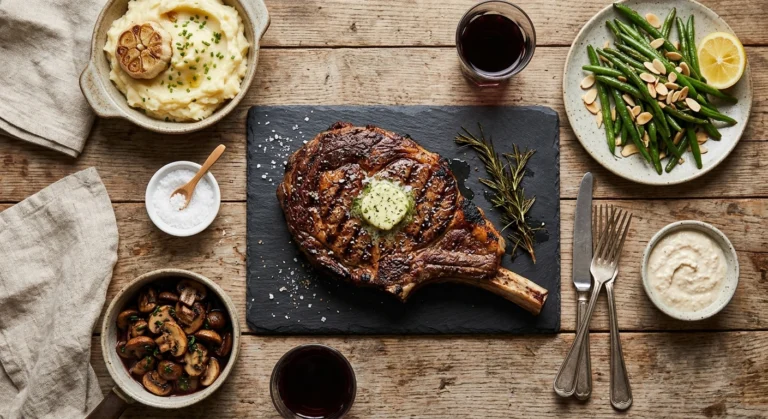
Imagine pulling a steak off the grill. You cut into it and see the inside is either gray and dry or cold and raw. This moment of disappointment is common for home cooks. The truth is, getting the beef cooking temperature right changes everything about your meal.
You might have learned to cook beef by watching someone else or guessing based on time. But this method rarely works the same way twice. Different cuts, different ovens, and different grills all cook at different speeds. The solution is simple: a meat thermometer and knowing the internal temperature for beef you’re aiming for.
The internal temperature for beef is crucial. It keeps your family safe from harmful bacteria and ensures the exact doneness you want. When you understand beef cooking temperature, you stop guessing. You start cooking with confidence.
This guide will teach you everything about beef cooking temperature. You’ll learn what numbers mean what doneness levels. You’ll discover why ground beef needs hotter temperatures than a steak. You’ll find out where to place your thermometer for accurate readings. Most importantly, you’ll see that mastering beef cooking temperature isn’t complicated. It’s a skill that works every single time you cook.
Table of Contents
Understanding Why Beef Cooking Temperature Matters
Knowing the right safe beef cooking temps is more than just following a recipe. It ensures your health and brings out the best in beef. It’s about avoiding harmful bacteria and enhancing flavor and texture.
Food Safety and Bacterial Concerns
Raw beef can have dangerous bacteria like E. coli and Salmonella. These pathogens are on the surface of whole cuts. Grinding beef spreads these bacteria throughout.
Cooking beef to the right temperature kills these harmful bacteria. This makes your meat safe to eat. The temperature needed varies based on the cut of beef.
- Whole cuts: Bacteria present mainly on the surface
- Ground beef: Bacteria distributed throughout the meat
- Proper heat kills pathogens at specific temperatures
Impact on Flavor and Texture
Heat changes beef at a molecular level. Proteins contract, releasing moisture that affects juiciness. Collagen breaks down into gelatin, making the meat tender.
Rare beef stays moist because proteins contract less. Medium beef gets better texture as collagen breaks down. Well-done beef becomes firm as moisture reduces. Understanding these changes helps you cook beef to your liking while keeping it safe.
| Beef Doneness Level | Temperature Range | Texture Characteristics |
|---|---|---|
| Rare | 125-135°F | Tender and very juicy with minimal protein contraction |
| Medium-Rare | 135-145°F | Juicy with moderate firmness and good tenderness |
| Medium | 145-160°F | Balanced texture with decreased juiciness and more firmness |
| Well-Done | 160°F and above | Fully firm with minimal moisture and fully broken down collagen |
USDA Guidelines for Safe Beef Cooking Temperatures
The United States Department of Agriculture sets clear standards for beef safety. These usda beef temperature guidelines protect your health and help you cook beef the right way. The USDA recommends cooking all whole cuts of beef to a minimum internal temperature of 145°F (63°C). After reaching this temperature, you should let your beef rest for three minutes. This rest time is just as important as the cooking temperature itself.
The recommended beef cooking temperatures come from years of food safety research. Scientists studied how heat kills harmful bacteria in meat. They created these guidelines to keep everyone safe, especially people who face higher health risks. Young children, elderly people, pregnant women, and those with weak immune systems need extra protection from foodborne illness.
You might see people eating beef cooked at lower temperatures. Rare or medium-rare beef tastes good to many people. The USDA takes a conservative approach with their usda beef temperature guidelines. They focus on maximum safety rather than personal preference. Their recommended beef cooking temperatures represent the safest choice for all situations.
Ground beef follows different rules because it poses unique food safety challenges. The grinding process spreads bacteria throughout the meat. Ground beef needs higher temperatures than whole cuts. This important distinction gets its own full discussion later in this guide.
Understanding these official standards helps you make smart choices about your meals. The USDA remains the trusted authority on food safety across America.
Beef Cooking Temperature: A Complete Guide
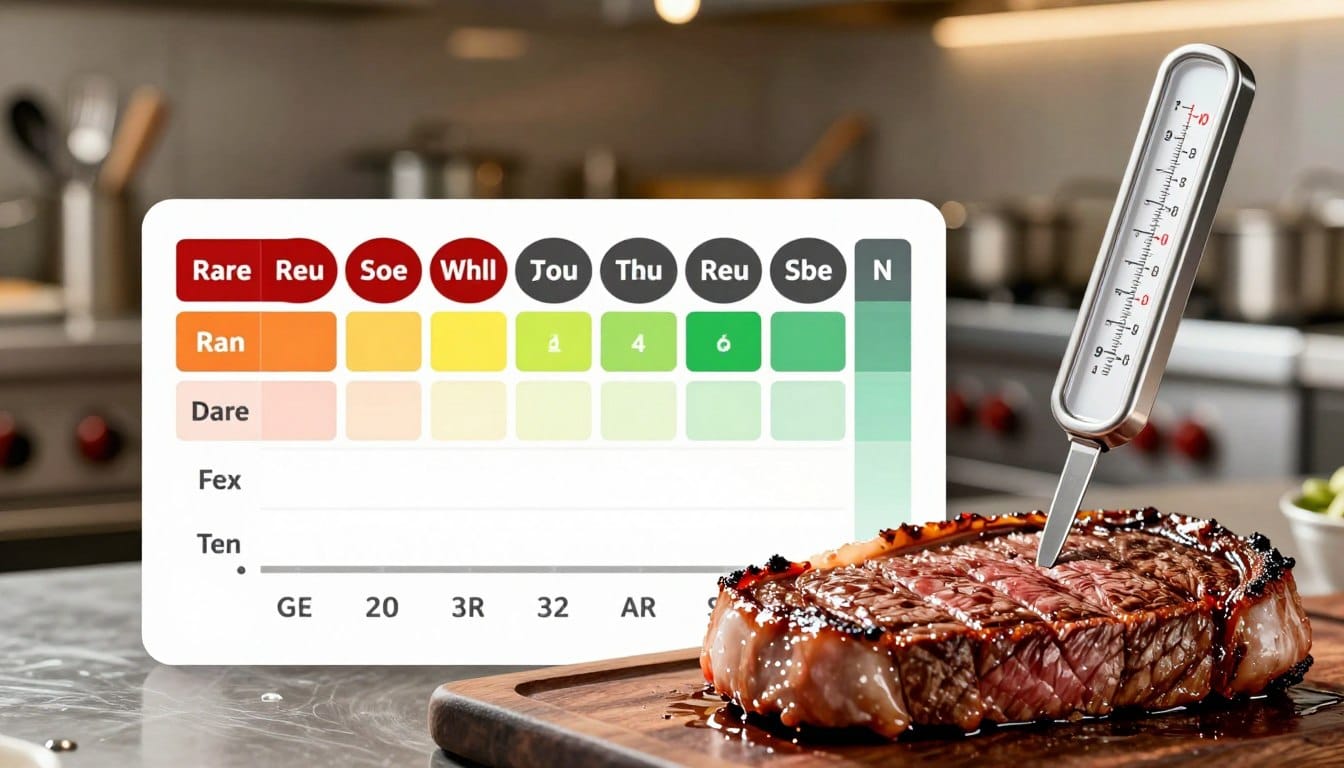
Getting the right beef doneness temperatures is key to enjoying your meal exactly how you want it. Each temperature level creates a different eating experience, from the juiciness of rare to the firmness of well-done. Understanding beef internal temp chart readings helps you cook with confidence and hit your target every single time.
Rare Beef Temperature Standards
Rare beef reaches an internal temperature of 120-125°F (49-52°C). At this level, your beef will have a cool red center that feels very soft to the touch. The meat stays extremely juicy because minimal heat has penetrated the muscle fibers. Keep in mind that rare beef falls below USDA safety guidelines for whole cuts, so you take on food safety risks with this doneness level.
Medium Rare Beef Temperature
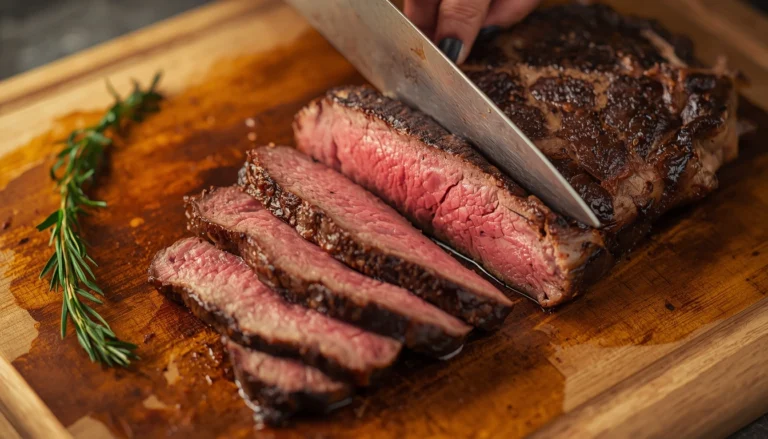
Medium rare beef sits at 130-135°F (54-57°C) internally. This is the preferred choice for most steak lovers. Your beef will display a warm red center with a beautiful pink ring around the edges. The texture remains tender and juicy while developing better flavor through the cooking process. This temperature offers the perfect balance between tenderness, moisture, and taste development.
Medium to Well-Done Specifications
Your beef doneness temperatures climb higher as you approach medium and beyond:
| Doneness Level | Internal Temperature | Center Color | Texture Profile |
|---|---|---|---|
| Medium | 135-145°F (57-63°C) | Warm pink center | Tender with slight firmness |
| Medium-Well | 145-155°F (63-68°C) | Mostly gray with slight pink | Noticeably firmer texture |
| Well-Done | 160°F and above (71°C+) | Completely gray throughout | Firm and less moist |
As your beef internal temp chart shows, higher temperatures reduce moisture content and change the texture significantly. Well-done beef becomes firmer because collagen breaks down and water evaporates. Using a reliable meat thermometer ensures you hit your exact target temperature every time you cook beef.
Different Cuts Require Different Internal Temperatures
Not all beef cuts need the same internal temperature when cooked. Each cut has its own special traits that affect how it should be prepared. Knowing these differences helps you cook beef like a pro and get the best results every time.
The right beef cooking temperature depends on the cut’s muscle structure, fat content, and connective tissue. Tender premium cuts need one approach. But tougher cuts with more connective tissue need something completely different.
Premium Tender Cuts
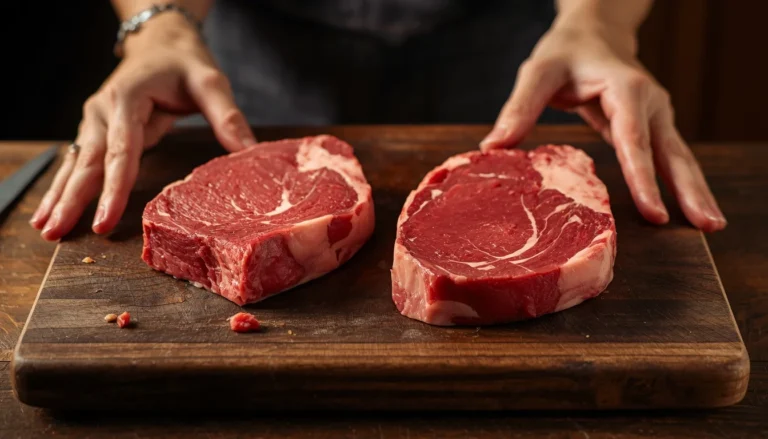
Premium cuts like filet mignon, ribeye, and strip steak are naturally tender. They do best at lower temperatures. A beef cooking temperature of rare to medium keeps them tender and juicy. Cooking them too hot or too long makes them dry and tough.
- Filet mignon: 125-135°F (rare to medium-rare)
- Ribeye: 130-140°F (medium-rare to medium)
- New York strip: 125-135°F (rare to medium-rare)
Tough Cuts Needing Higher Heat
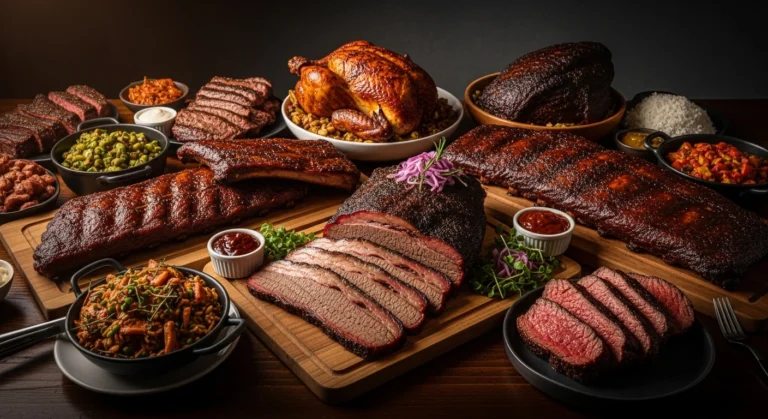
Tougher cuts like chuck roast, brisket, and short ribs have lots of connective tissue. These cuts benefit from much higher temperatures. A beef cooking temperature of 190-205°F applied over long cooking periods breaks down collagen into gelatin. This turns tough, chewy meat into tender, fall-apart results.
- Brisket: 190-205°F (slow-cooked)
- Chuck roast: 190-205°F (braised)
- Short ribs: 195-205°F (braised or smoked)
In-Between Cuts
Cuts like tri-tip and sirloin fall somewhere in the middle. They perform well at medium doneness, around 135-145°F. Your beef cooking temperature for these cuts balances tenderness with flavor development.
| Cut Name | Best Temperature Range | Cooking Method | Time Frame |
|---|---|---|---|
| Filet Mignon | 125-135°F | Grilling or Pan-Searing | 15-20 minutes |
| Ribeye Steak | 130-140°F | Grilling or Broiling | 12-18 minutes |
| Brisket | 190-205°F | Smoking or Braising | 12-16 hours |
| Chuck Roast | 190-205°F | Braising or Slow Cooking | 3-4 hours |
| Tri-Tip | 135-145°F | Roasting or Grilling | 30-40 minutes |
Your cooking method matters too. Grilling works best for tender cuts at lower temperatures. Braising and smoking work best for tough cuts that need extended cooking. Matching your beef cooking temperature to both the cut and cooking method ensures perfect results.
Ground Beef Safe Cooking Temperature Requirements
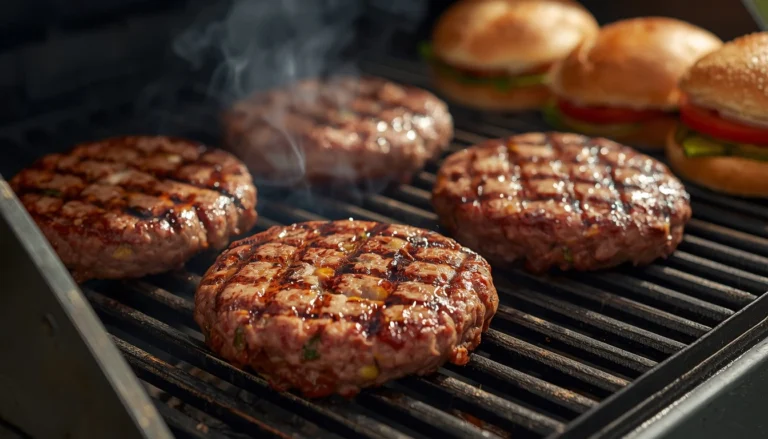
Ground beef needs special care when cooking. The grinding process spreads bacteria throughout the meat. This means harmful pathogens can be inside, not just on the outside. Knowing the safe cooking temperature for ground beef is key to keeping your family safe.
The USDA says ground beef must be cooked to 160°F (71°C). This rule applies to all ground beef, like burgers and meatballs. This higher temperature is needed because of the risks in ground meat.
Why Ground Beef Needs Higher Temperatures
When beef is ground, bacteria from the surface gets mixed in. E. coli O157:H7 and other dangerous pathogens can hide inside. Cooking ground beef to the right temperature kills these harmful microorganisms, making it safe to eat.
- Surface bacteria spreads evenly during grinding
- Whole cuts only have bacteria on the outside
- 160°F kills most dangerous pathogens in ground beef
- Color is not a reliable sign of doneness
Proper Handling and Cooking Methods
To reach the safe cooking temperature, use the right technique. Always check the temperature in the thickest part of your burger or meatloaf. Use a meat thermometer in the center, avoiding bone or pan.
Remember these safety tips for ground beef:
- Store ground beef at 40°F or below
- Use ground beef within 1-2 days of purchase
- Cook ground beef evenly throughout, not just searing the outside
- Wash your hands and utensils after handling raw meat
- Verify doneness with a meat thermometer at 160°F
- Avoid cross-contamination with other foods
By following these steps, you ensure your ground beef is cooked safely and tastes great.
Using a Meat Thermometer for Accurate Results
A meat thermometer is key for getting the internal temperature for beef just right. Without it, you’re left guessing based on looks and feel. This can lead to beef that’s not cooked enough or too much. A good thermometer makes cooking easier and ensures perfect doneness every time.
Knowing how to use your thermometer is as important as having one. The way you insert it and the type you choose affect your results. Let’s look at these details.
Where to Insert the Thermometer
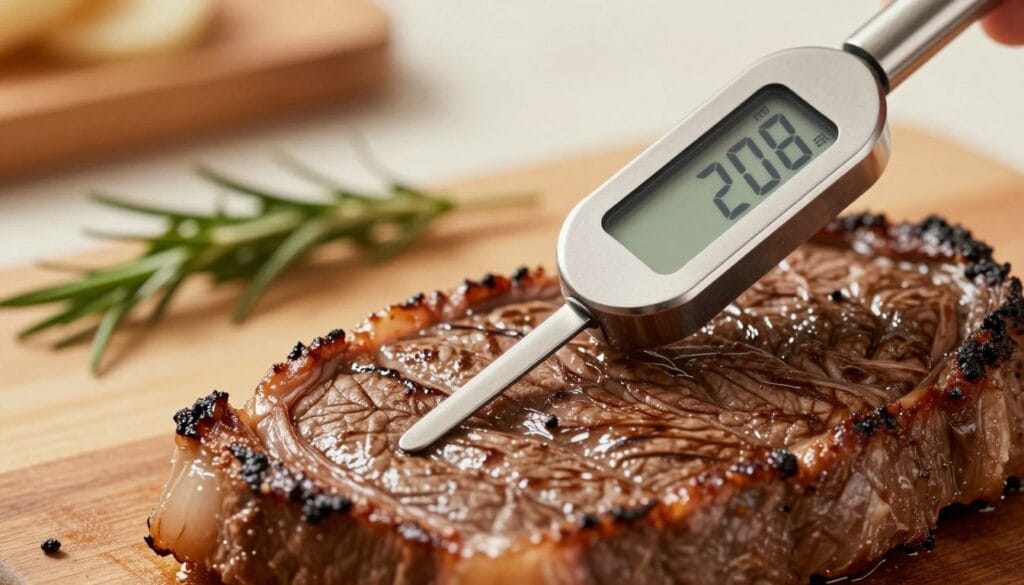
Where you put the thermometer is crucial. Stick it into the thickest part of the meat, avoiding bone, fat, and gristle. These areas cook differently and can give wrong readings.
Different cuts need different methods:
- Steaks and chops: Insert the probe horizontally from the side to reach the center
- Roasts: Check multiple spots to ensure even cooking throughout
- Burger patties: Push the thermometer into the center from the top
Make sure the thermometer doesn’t touch the cooking surface. This will show the pan or grill temperature, not the meat’s internal temperature.
Digital vs. Analog Thermometers
There are two main types of thermometers for beef cooking:
| Type | Speed | Accuracy | Best Use |
|---|---|---|---|
| Instant-Read Digital | 2-5 seconds | ±1°F | Quick checks on steaks and chops |
| Leave-In Probe | Continuous monitoring | ±2°F | Roasts and larger cuts |
| Analog Dial | 10-15 seconds | ±2-3°F | Budget-friendly option |
Instant-read digital thermometers like the ThermoPro or Meater Plus give fast results. They’re perfect for thin cuts. Leave-in thermometers let you monitor roasts without opening the oven. Analog dials are cheaper but slower and less precise.
A reliable meat thermometer is your most important tool for consistently achieving the correct internal temperature for beef.
Choose the thermometer that matches your cooking style and budget. Either way, a thermometer makes cooking beef better than without one.
Resting Time and Carryover Cooking
When you finish cooking beef, your work isn’t over. A key step comes after removing the meat from heat. This is called carryover cooking, crucial for reaching your target temperature.
Carryover cooking happens when beef continues to cook after being removed from heat. The hot outside of the meat warms the cooler inside. This causes the internal temperature to rise for a few minutes. Knowing this helps you achieve perfect doneness every time.
The temperature increase varies with the cut size. Thin steaks might rise 3 to 5 degrees, while big roasts can go up 10 degrees or more. That’s why it’s smart to remove beef from heat before it reaches your final temperature.
Temperature Adjustments for Carryover Cooking
Plan ahead when cooking beef. If you aim for a medium-rare of 135°F, take it off the heat at 130°F. The extra degrees will come as it rests.
Why Resting Improves Your Beef
Resting does more than just account for temperature rise. It lets muscle fibers relax and soak up juices. This makes the meat tender and moist, preventing juices from spilling out.
Here are some resting time guidelines for the best results:
- Thin steaks: Rest 3 to 5 minutes
- Thicker steaks and small roasts: Rest 5 to 10 minutes
- Large roasts: Rest 15 to 30 minutes
Mastering resting time and carryover cooking is key to cooking beef perfectly. It ensures your beef is juicy and cooked just right.
Common Mistakes When Cooking Beef to Temperature
Getting the right temperature for beef cooking is more than just guessing. Many home cooks make mistakes that stop them from getting it right. Knowing these mistakes helps you cook beef perfectly every time.
One big mistake is using cooking time instead of checking the temperature. The time needed changes based on the beef’s size, thickness, and heat source. A thin steak cooks faster than a thick roast, even with the same heat. Your meat thermometer is key for accurate temperatures.
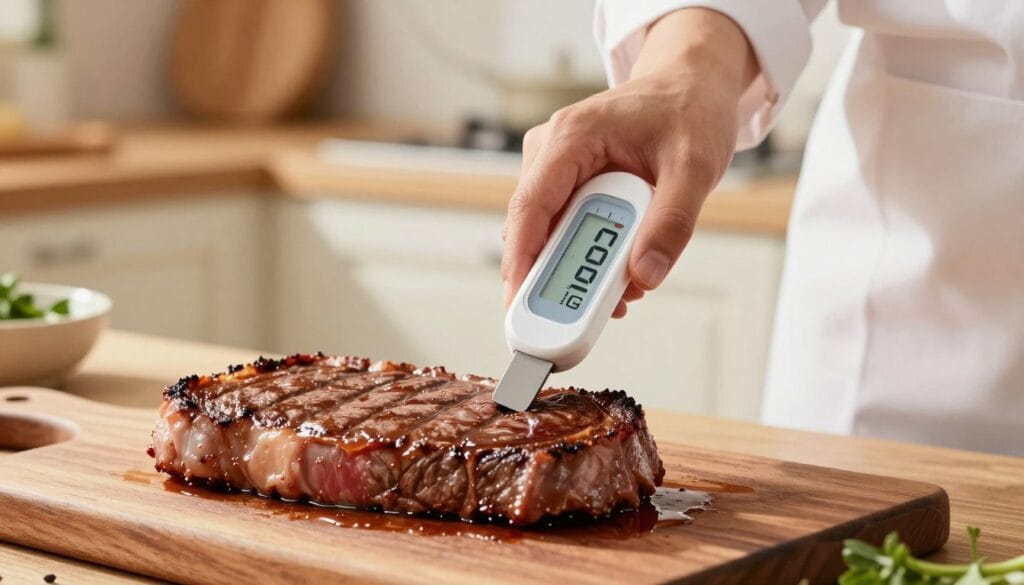
Don’t judge doneness by color alone. Pink beef doesn’t always mean it’s not cooked enough. The protein myoglobin gives meat its color, and this can look pink even when it’s safe to eat. Always check the temperature, not just the color.
Key Mistakes to Avoid
- Not accounting for carryover cooking (beef continues cooking after removal from heat)
- Checking temperature too early or too frequently (releases heat and juices)
- Failing to calibrate your thermometer regularly
- Inserting the probe incorrectly (touching bone or not reaching the center)
- Using the same thermometer for raw and cooked beef without cleaning between uses
- Cooking frozen beef without adjusting cooking time
- Skipping the resting period before checking final temperature
- Applying the same safe beef cooking temps to all cuts
Cross-contamination occurs when your thermometer touches raw meat, then cooked meat without cleaning. This spreads bacteria and ruins your safety efforts. Always clean your thermometer between uses or use separate probes.
Different beef cuts need different temperatures for the best results. Ground beef needs higher heat than whole cuts. Remove whole cuts five to ten degrees before your target temperature to account for carryover cooking. Being patient and precise makes your beef cooking consistently great.
Conclusion
You now know how to cook beef safely and tastefully. The secret is knowing the right internal temperatures. For a perfect medium rare, aim for 130-135°F. For ground beef, it’s 160°F.
A good meat thermometer is essential for cooking beef. It takes away the guesswork. With it, you can accurately check the temperature. This means your beef will always turn out right.
Remember, different cuts of beef need different cooking methods. A tender ribeye is not the same as a tough brisket. Always remove your meat from heat before it reaches the final temperature. This ensures even cooking.
The USDA has guidelines to keep you and your family safe. Ground beef must be 160°F to be safe. But for whole cuts, it’s okay to go for a rarer temperature. Your choice of medium rare depends on the cut and your taste.
Now you know how to balance safety with flavor. Cook with confidence. You can make delicious and safe beef for everyone at your table.