How Long To Cook Steak On Grill ?
01 The Short Answer
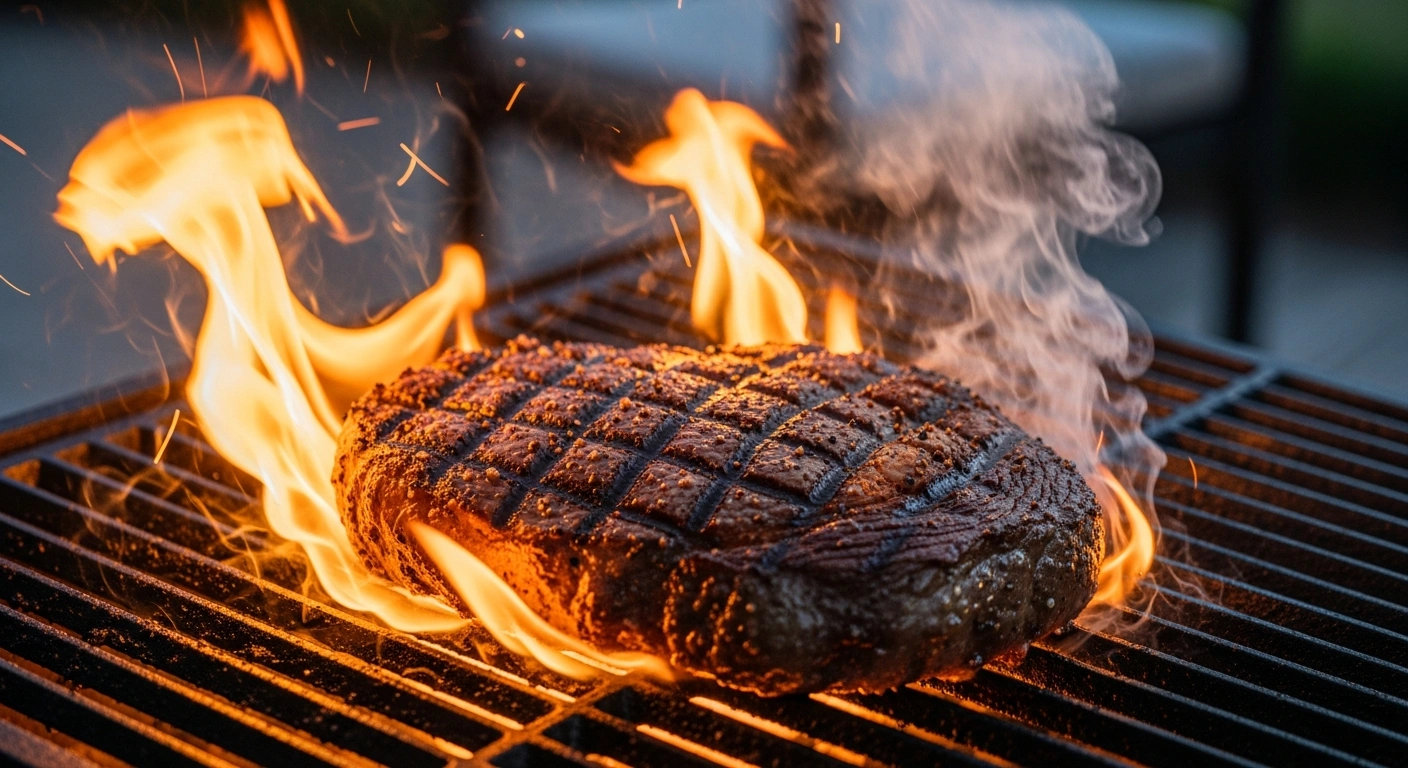
The most common question about grilling steak is simple: how long to cook steak on grill. The direct answer: for a 1-inch steak over high direct heat (450–500°F), plan on 4 to 5 minutes per side for medium rare. But the full answer depends on three variables — thickness, grill temperature, and your target doneness level — and getting those three right is what separates a great steak from an overcooked one.
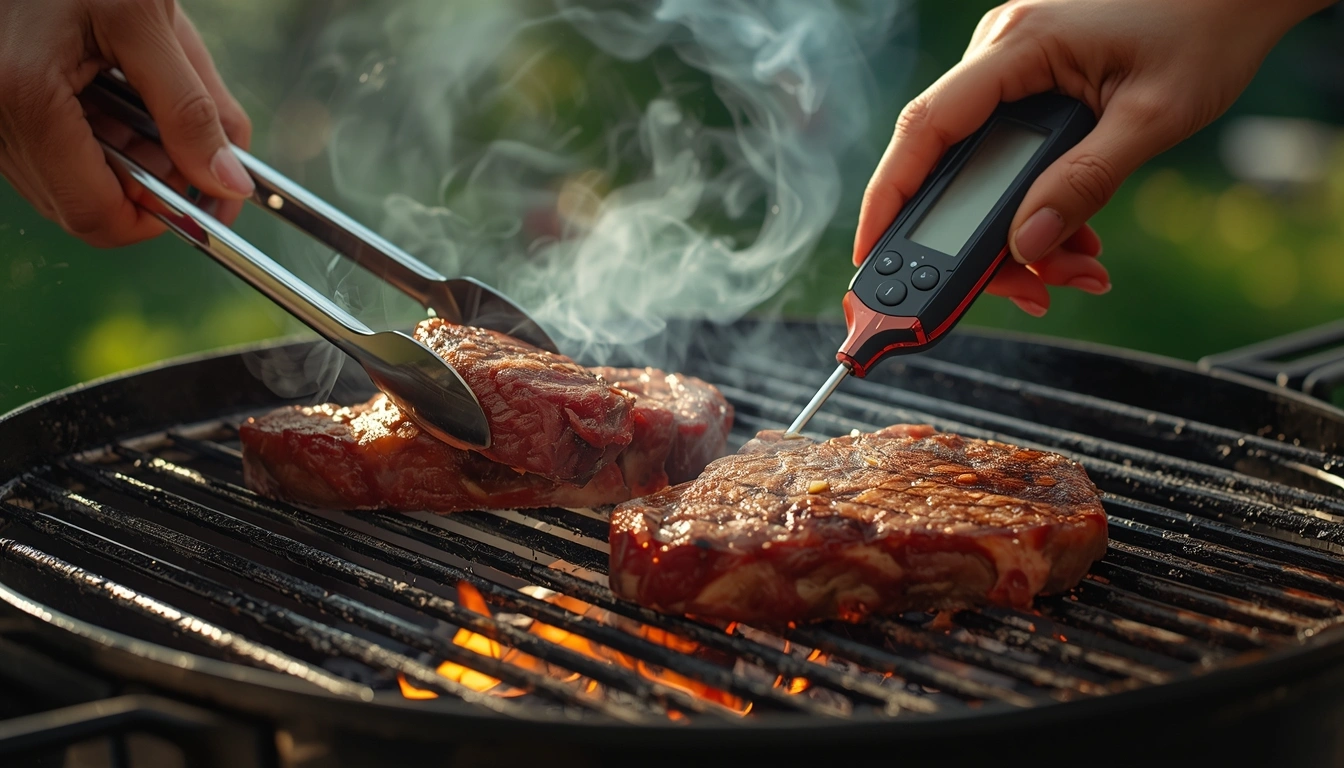
This guide breaks down every combination of thickness, doneness, and cut so you can grill any steak correctly. The most important tool in the process is a reliable meat thermometer. Visual cues and timing alone are imprecise — internal temperature is the only measurement that guarantees a consistent result every time. For the official safe temperature reference, the USDA safe temperature chart covers all beef cuts and doneness levels.
Two steaks of the same thickness can behave very differently on the grill depending on starting temperature, fat content, and grill hotspots. A steak straight from the fridge takes longer than one rested at room temperature. This is why every serious griller pairs timing with thermometer checks rather than relying on one alone.
02 How Long To Cook Steak On Grill — By Thickness and Doneness
This table covers the most common steak thicknesses on a high-heat direct grill (450–500°F). Times are per side. Always verify with a thermometer — pull the steak 5°F below the target to account for carryover cooking during the rest.
| Thickness | Rare (120–125°F) | Med Rare (130–135°F) | Medium (140–145°F) | Med Well (150–155°F) | Well Done (160°F+) |
|---|---|---|---|---|---|
| 3/4 inch | 1–2 min | 2–3 min | 3–4 min | 4–5 min | 5–6 min |
| 1 inch | 3–4 min | 4–5 min | 5–6 min | 6–7 min | 8–9 min |
| 1.25 inch | 4–5 min | 5–6 min | 6–7 min | 7–8 min | 9–10 min |
| 1.5 inch | 5–6 min | 6–7 min | 7–8 min | 8–10 min | 10–12 min |
| 2 inch+ | 6–7 min | 7–8 min | Sear + indirect | Sear + indirect | Reverse sear |
03 Steak Internal Temperature by Doneness
The most important reference in this guide. Steak internal temperature is the only reliable measurement — especially for thicker cuts where surface browning gives no indication of what is happening inside.
Note: The USDA minimum safe internal temperature for whole cuts of beef is 145°F followed by a 3-minute rest. Rare and medium rare steaks fall below this threshold. For more details, see the FoodSafety.gov minimum internal temperatures chart. For a full guide to pork and beef temps across all cuts, see our internal temperature guide.
04 Grill Temperature for Steaks
The grill temperature for steaks determines the quality of the crust and controls how quickly the interior cooks relative to the exterior. Most steak grilling uses one of three heat levels, often in combination.
Best for steaks up to 1.25 inches thick. Direct sear produces the Maillard crust without overcooking the interior. This is the standard zone for most grill time for medium rare steak timing charts.
Used for the indirect finish zone on thick steaks (1.5 inches+). After searing on high heat, move the steak here to bring the interior to the target temperature without burning the crust.
Used for reverse sear on very thick cuts (2 inches+). Cook the steak slowly to within 10–15°F of target, then finish with a quick high-heat sear for the crust. Produces extremely even doneness edge to edge.
For thick steaks, set up your grill with a high-heat direct zone on one side and a cooler indirect zone on the other. Sear over direct heat, then slide to the indirect zone to finish. This gives you grill marks and crust without overshooting the target temperature.
Keep the lid closed during cooking. Opening the grill drops the temperature and extends cook time. The only exceptions are flipping the steak and checking with a thermometer.
05 Timing by Cut
Different cuts have different fat content, thickness ranges, and ideal doneness levels. Here is a quick reference for the most grilled steak cuts.
Ribeye
The most forgiving cut on the grill. High fat marbling keeps it juicy even at medium. Best at medium rare to medium. For a 1-inch ribeye: 4–5 min per side on high heat.
Sirloin / NY Strip
Slightly leaner than ribeye with a firmer texture. Excellent at medium rare. For a 1-inch strip: 4–5 min per side. Goes dry past medium well.
Tenderloin (Filet)
Very lean — least forgiving if overcooked. Best at rare to medium rare. For a 1.5-inch filet: 5–6 min per side. Always use a thermometer.
T-Bone / Porterhouse
Contains both tenderloin and strip — two different cooking rates in one cut. Sear high, finish over indirect. Use a two-zone approach for even results.
Flank / Skirt Steak
Very thin — 2–3 minutes per side on high heat maximum. Always slice against the grain after resting. Best at medium rare — goes tough quickly if overcooked.
Tomahawk / Cowboy
2 to 3 inches thick — always reverse sear. Low indirect at 250°F to 115°F internal, then blast on high heat for the crust. Rest 10 minutes minimum.
06 Watch: How to Grill the Perfect Steak
This video covers the full grilling process in real time — from heat setup and seasoning through the sear, the flip, and the temperature check. Watching the texture and color changes alongside the timing makes the whole guide click.
07 Key Tips for Consistent Results
Rest for 5 minutes (thin cuts) to 10 minutes (thick cuts) on a wire rack. Resting allows the internal juices to redistribute. Cutting immediately sends them running onto the cutting board instead of staying in the meat.
Heavy salt applied 45 minutes before grilling gives the moisture time to reabsorb after being drawn to the surface. A light application just before grilling also works. Anything in between creates a wet surface that steams instead of sears.
The single flip is standard: let each side set completely before flipping. The multiple flip method (flipping every 30 seconds) actually produces more even cooking but requires constant attention. Both work — choose one and stay consistent.
Oiling the grill grates causes flare-ups. Instead, pat the steak dry, rub lightly with oil, and place on a clean, hot grate. This produces better crust adhesion and reduces the risk of sticking.
For more beef recipes and grilling guides on MeatRecipeZone, see our complete beef recipes collection and our guide to how long to grill burgers at 400°F for ground beef timing.
Beef Nutrition Calculator
Check calories, protein & fat for your cut — based on approximate USDA values per cooked weight.
Values are approximate, based on cooked weight per USDA data. Visit the full Meat Nutrition Calculator on our homepage.
08 Frequently Asked Questions
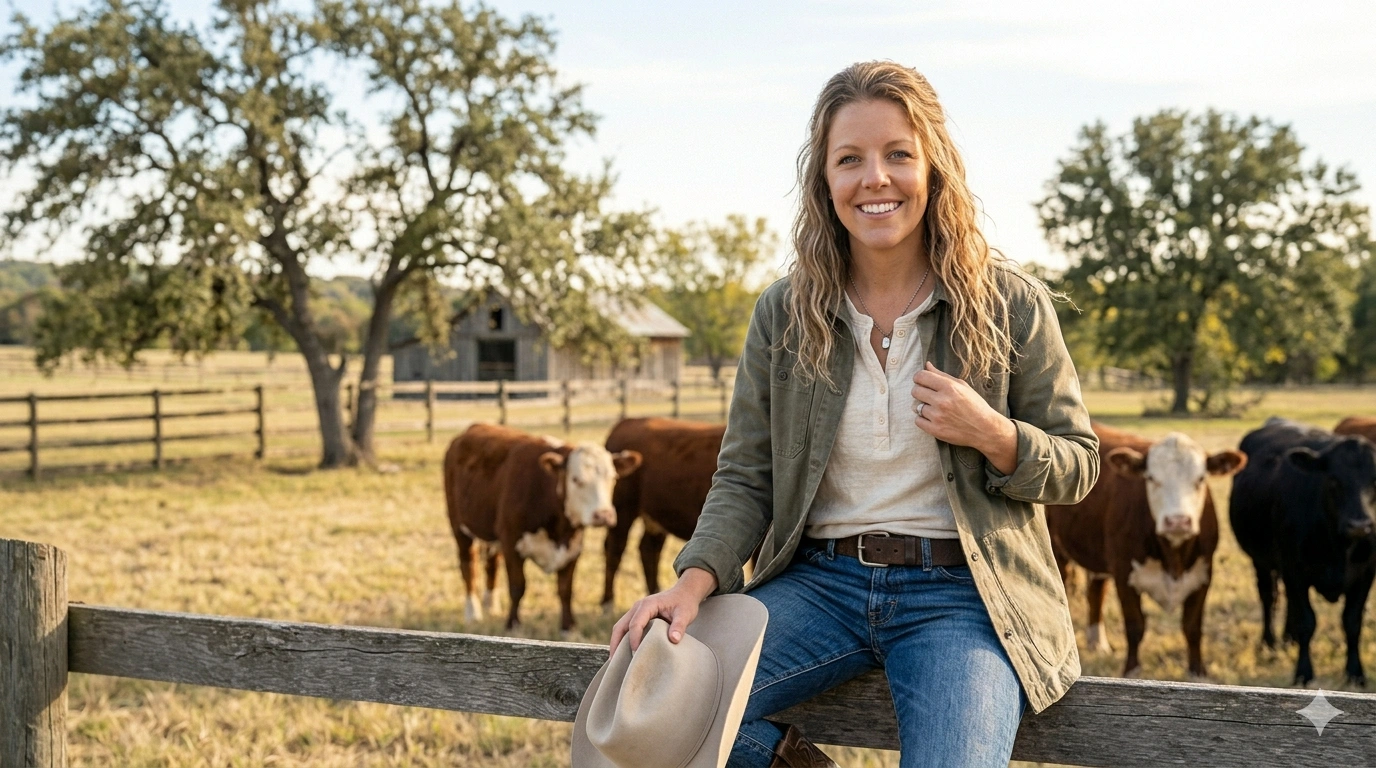
Julia writes practical meat recipes and grilling guides for home cooks. Her focus is on clear methods, reliable temperature references, and results that hold up every single time — without unnecessary complexity.