Stop Serving Boring Steak Sides (Try These Instead)
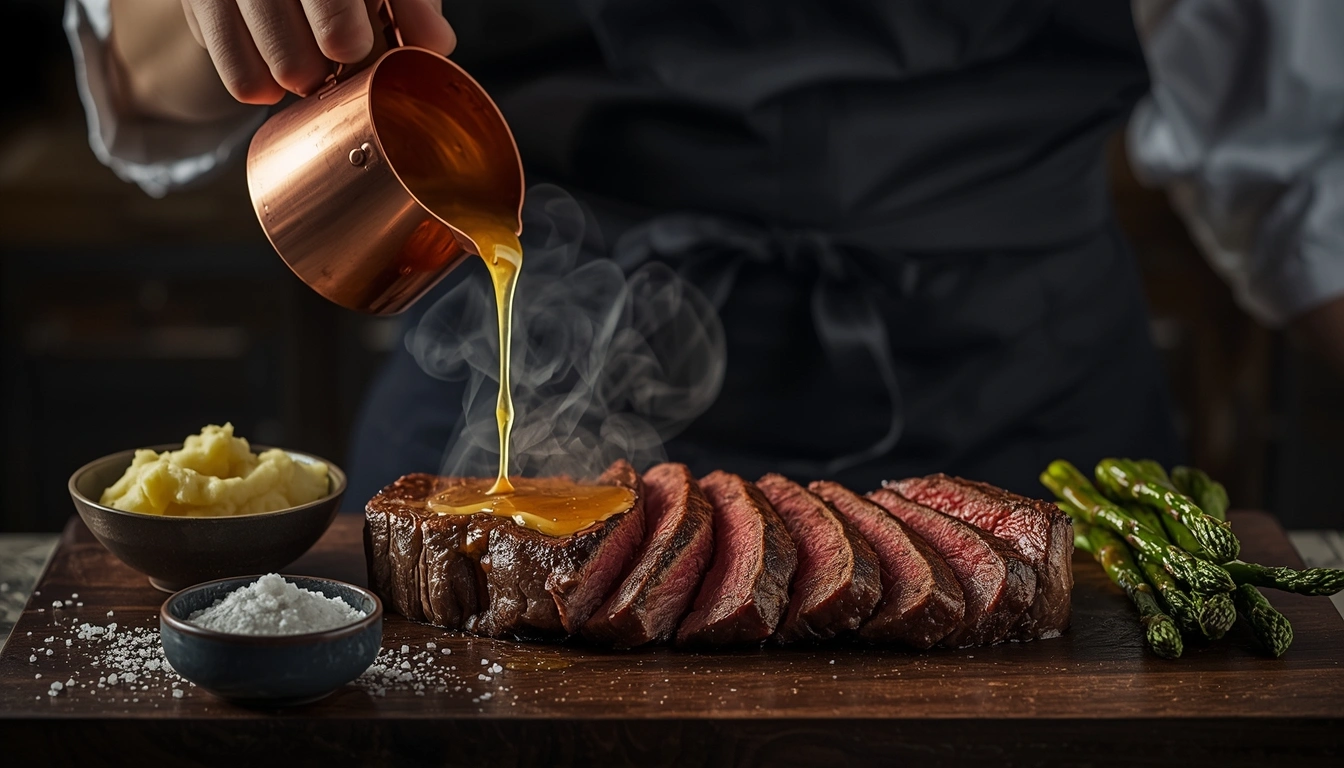
The best steak sides are garlic butter mashed potatoes, roasted asparagus, sautéed mushrooms, creamed spinach, and a wedge salad. For a complete steakhouse-style dinner, serve one starchy side and one vegetable. This guide covers 10 must-try steak sides with a full recipe for the #1 choice: steakhouse garlic butter mashed potatoes.
The 10 Best Steak Sides — Ranked
A good steak side does one of three things: it contrasts the richness of the beef (a crisp salad, something acidic), it complements the flavor (mushrooms, red wine reduction, garlic), or it fills the plate in a satisfying way (potatoes, bread, rice). The best sides do two of those three things at once.
#1 — Best Overall
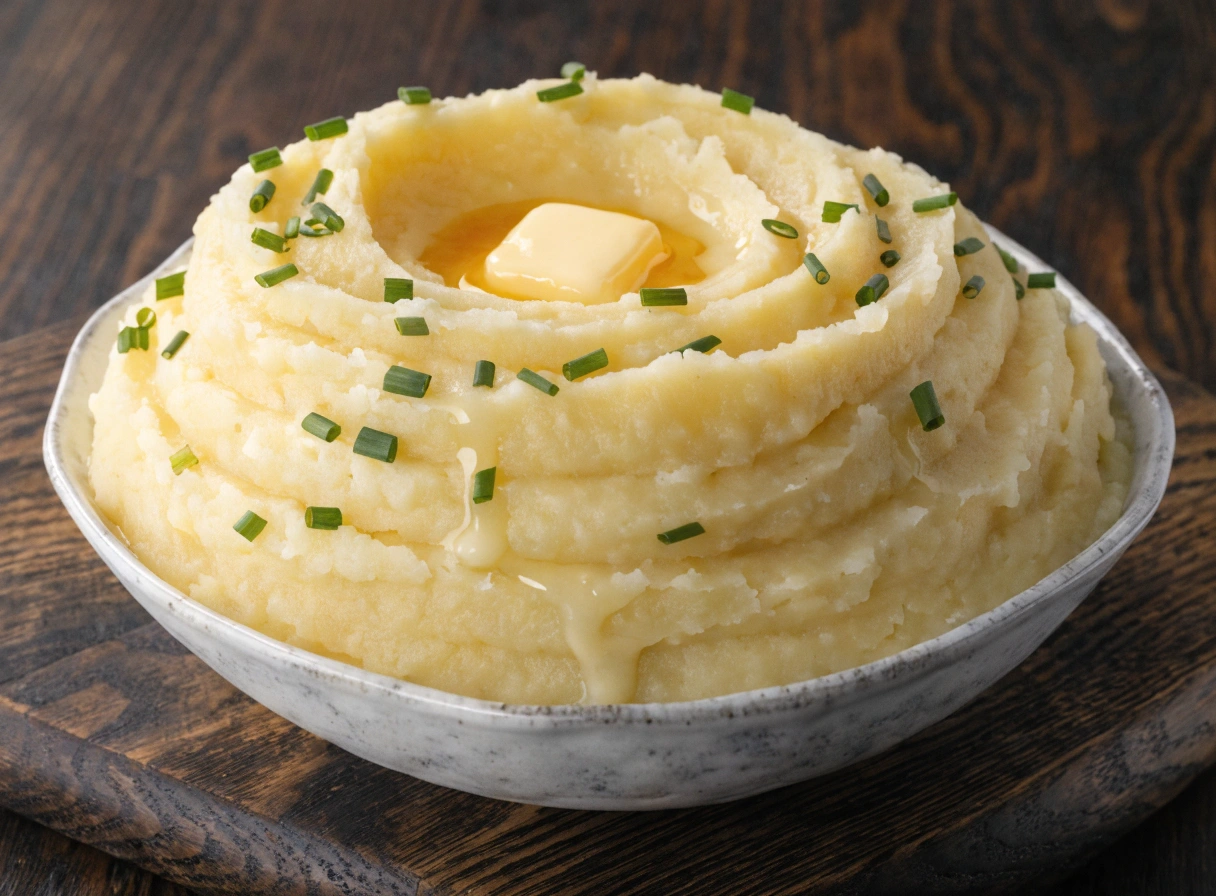
Garlic Butter Mashed Potatoes
The undisputed king of steak sides. Brown butter and roasted garlic elevate what could be a simple dish into something the steak genuinely needs. The creaminess offsets the charred crust; the butter echoes the fat in the beef. Full recipe below.
#2 — Best Vegetable
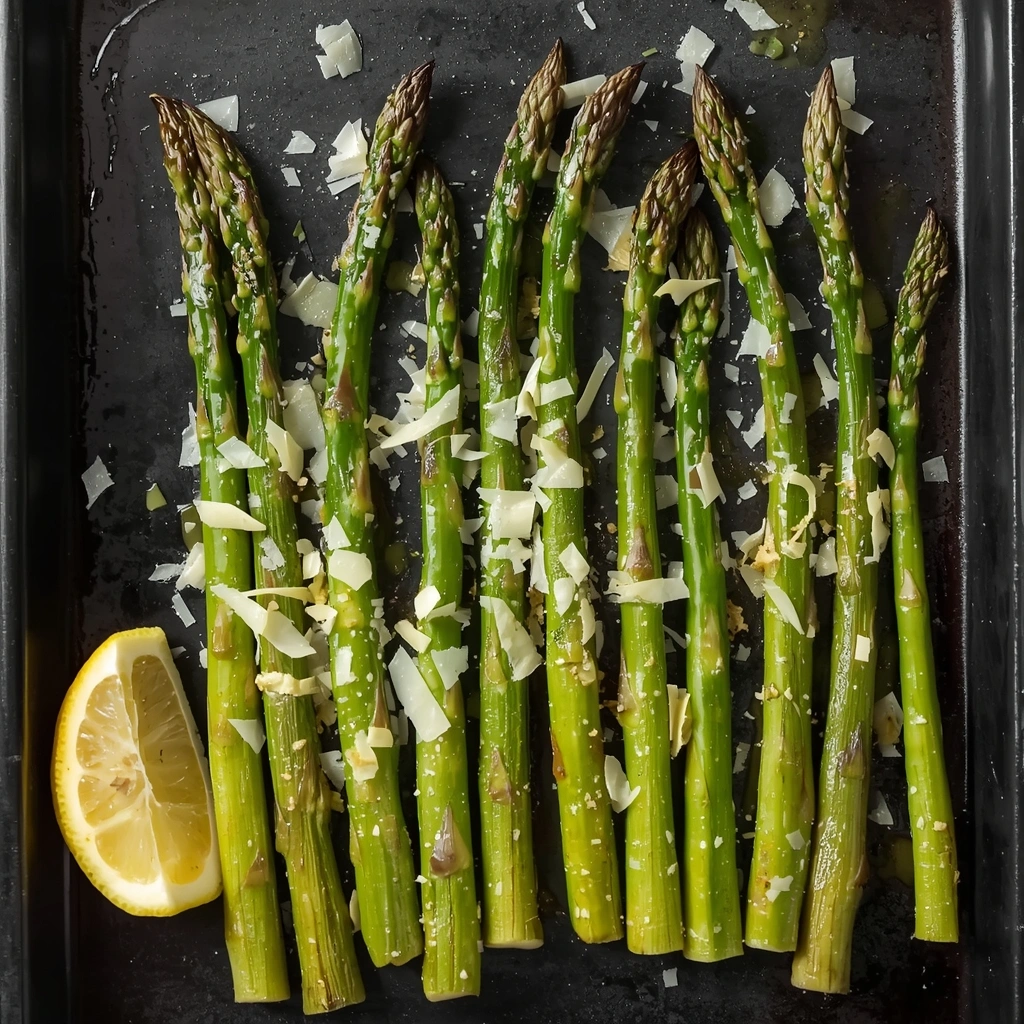
Roasted Asparagus with Parmesan
Asparagus roasted at 425°F until the tips are crisp and the stalks are tender. A squeeze of lemon and shaved Parmesan on top add brightness and umami that cuts through the richness of any steak. Ready in 12 minutes — faster than the steak itself.
#3 — Most Flavorful
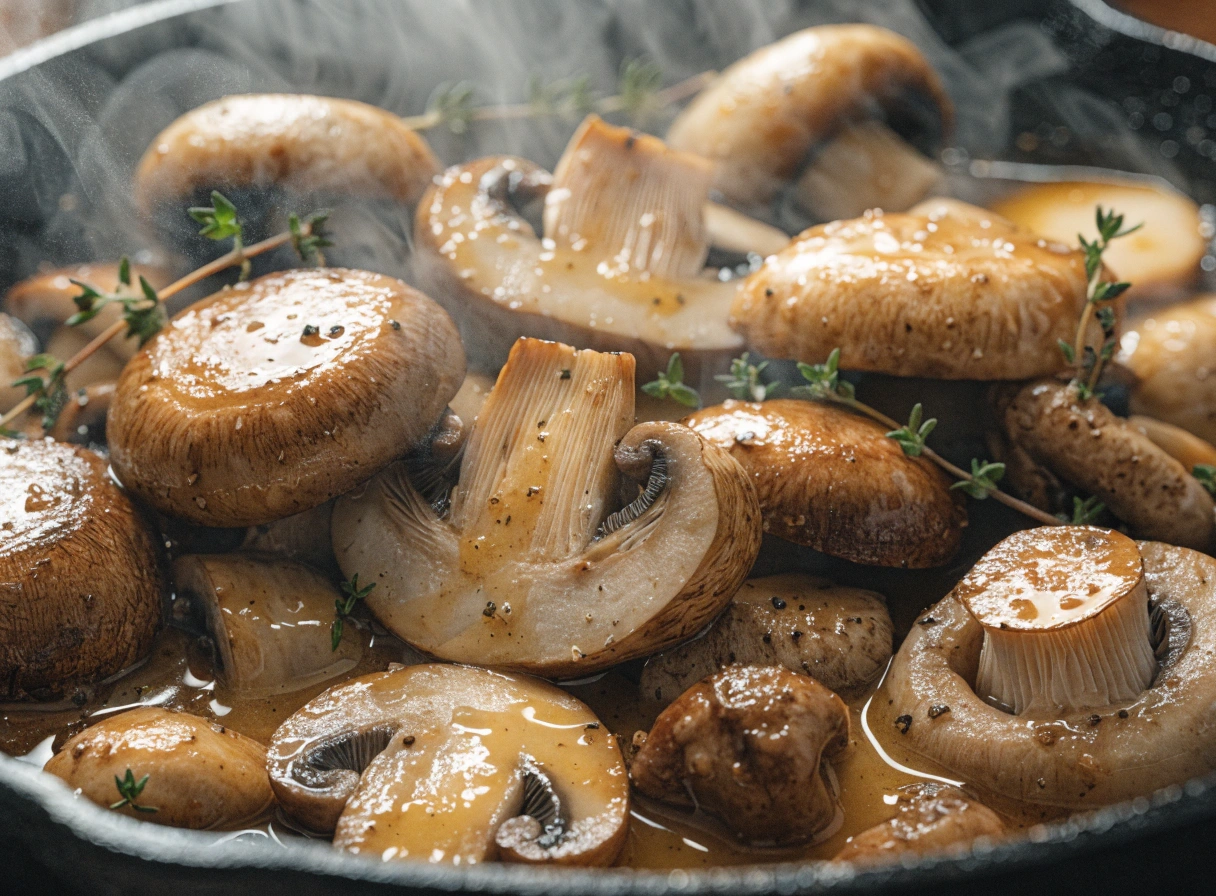
Sautéed Mushrooms
Cremini or shiitake mushrooms in browned butter with thyme and a splash of red wine. They pick up every flavor from the steak fond if cooked in the same pan. Rich, earthy, and deeply savory — the side dish that makes a steak taste even more like steak.
#4 — Most Indulgent
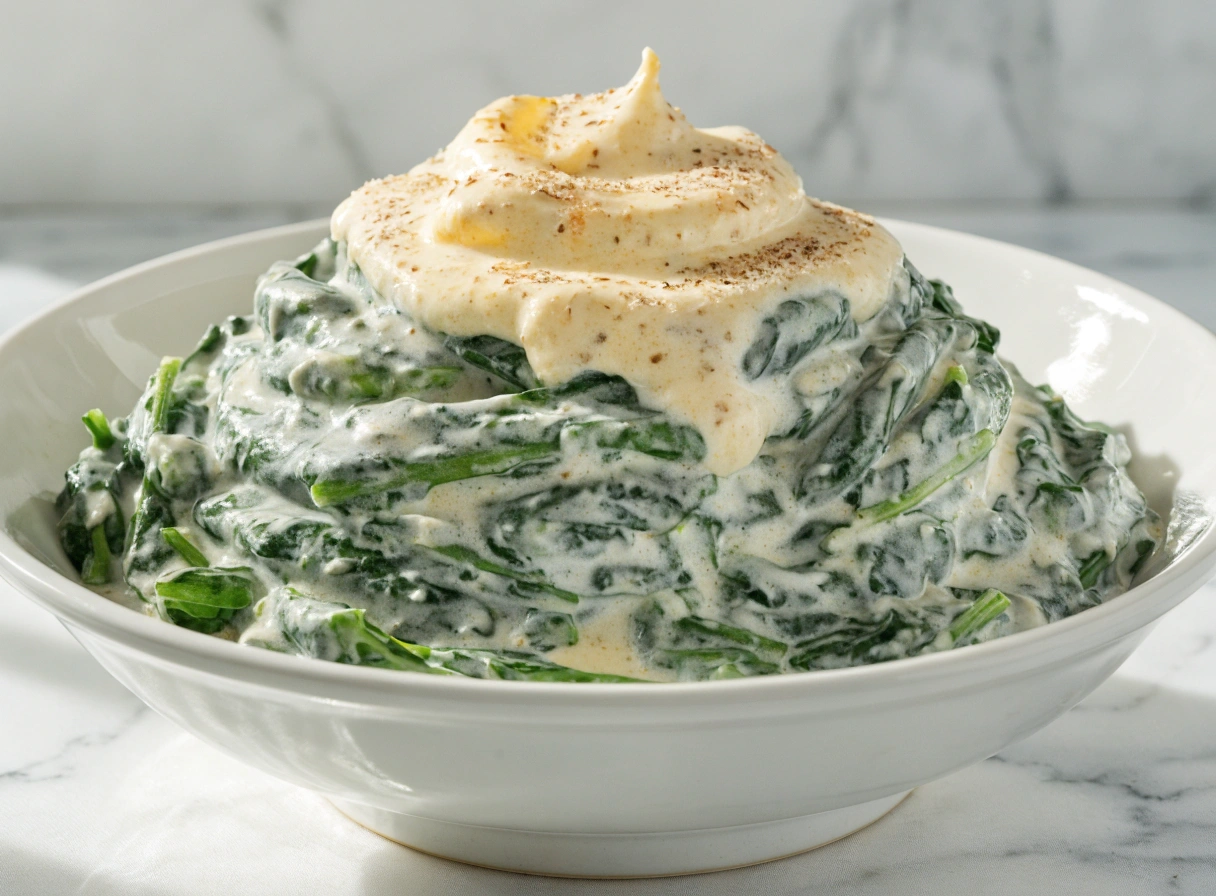
Steakhouse Creamed Spinach
Heavy cream, shallots, nutmeg, and Gruyère melt around wilted fresh spinach into something that belongs alongside a Porterhouse and nothing else. It is rich enough to stand up to the most aggressively seasoned steak and soft enough not to compete.
#5 — Best Salad
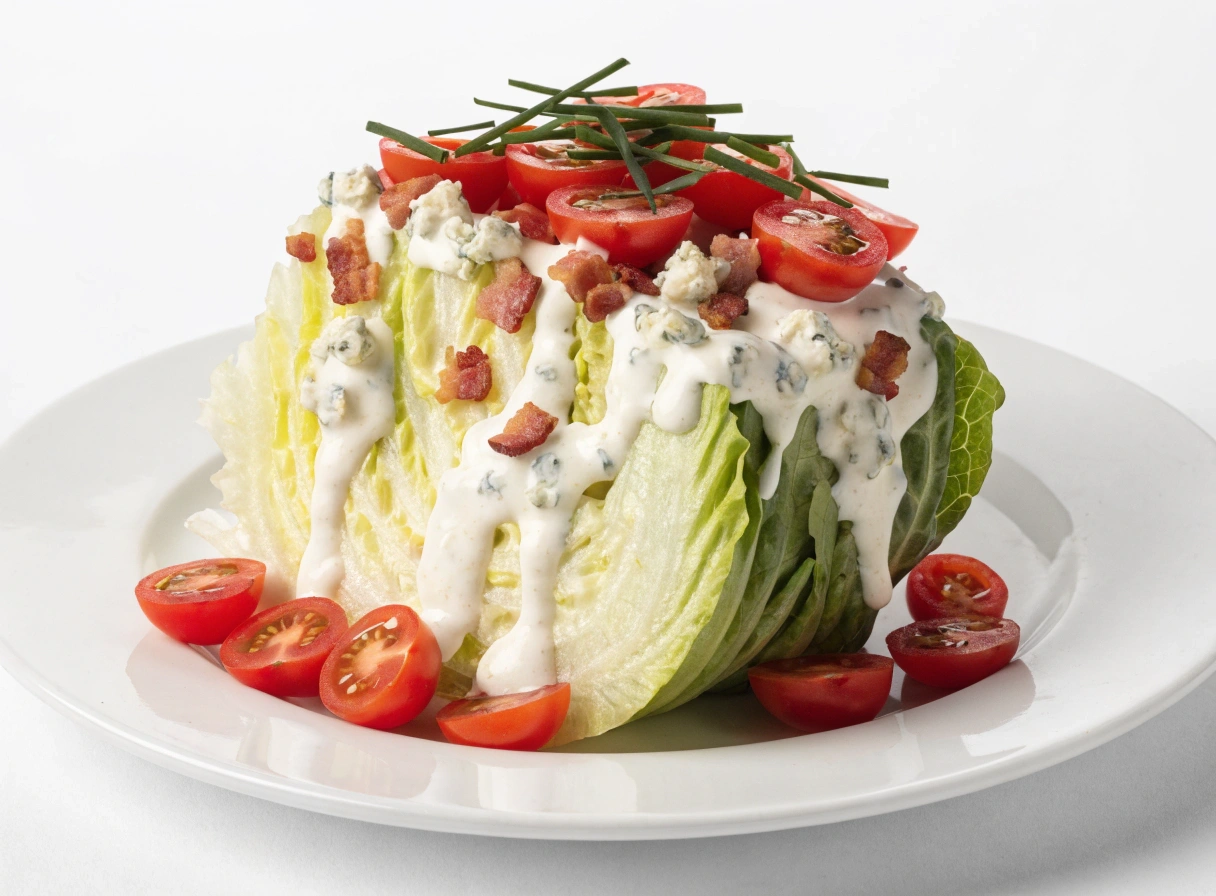
Classic Wedge Salad
An iceberg wedge with blue cheese dressing, crispy bacon, cherry tomatoes, and chives. The cold crunch and sharp blue cheese create the textural and flavor contrast that makes the steak taste better by comparison. No cooking required — just cold, crisp assembly.
#6 — Best Potato Alternative
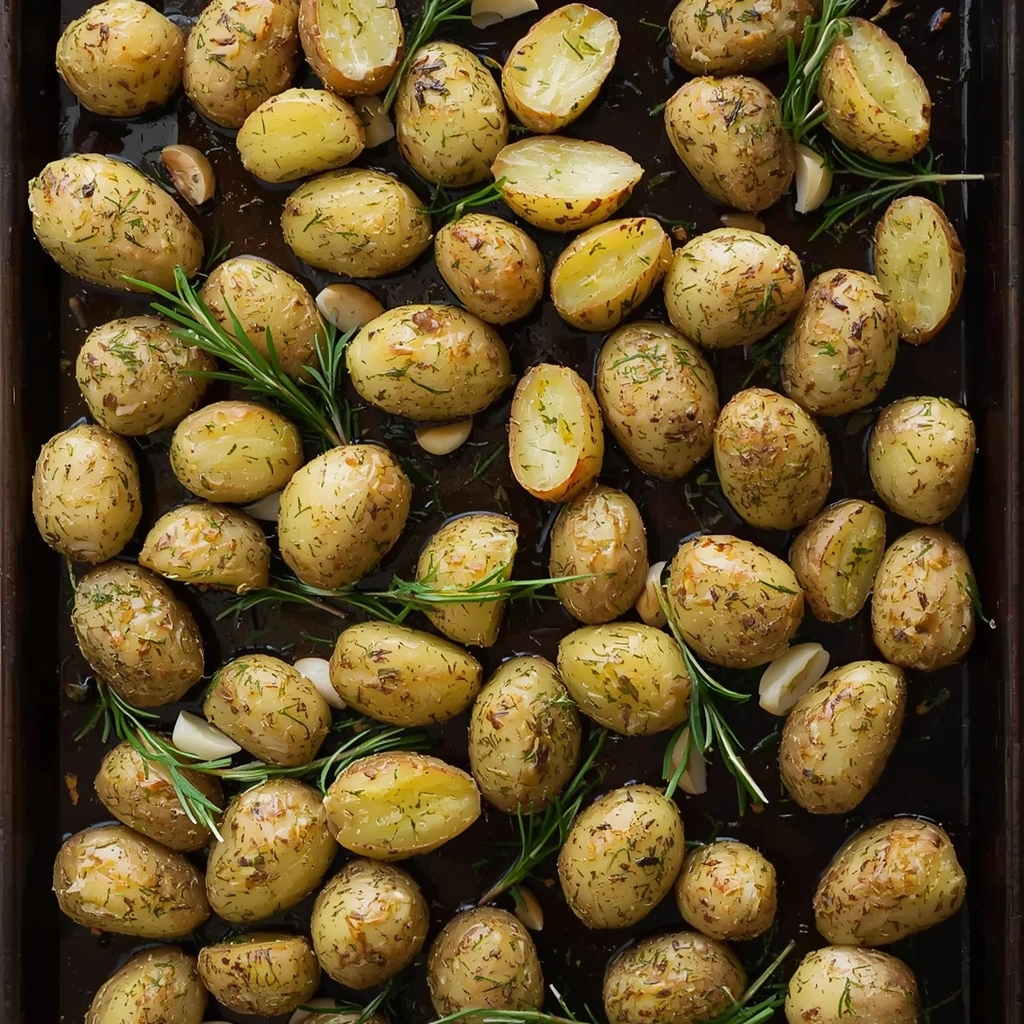
Roasted Fingerling Potatoes
Fingerling potatoes halved and roasted at 400°F with rosemary, garlic, and olive oil until crispy on the outside and creamy within. More interesting than a baked potato, easier than mashed. The crispy edges match the seared crust of the steak in every satisfying bite.
#7 — Best Healthy Side
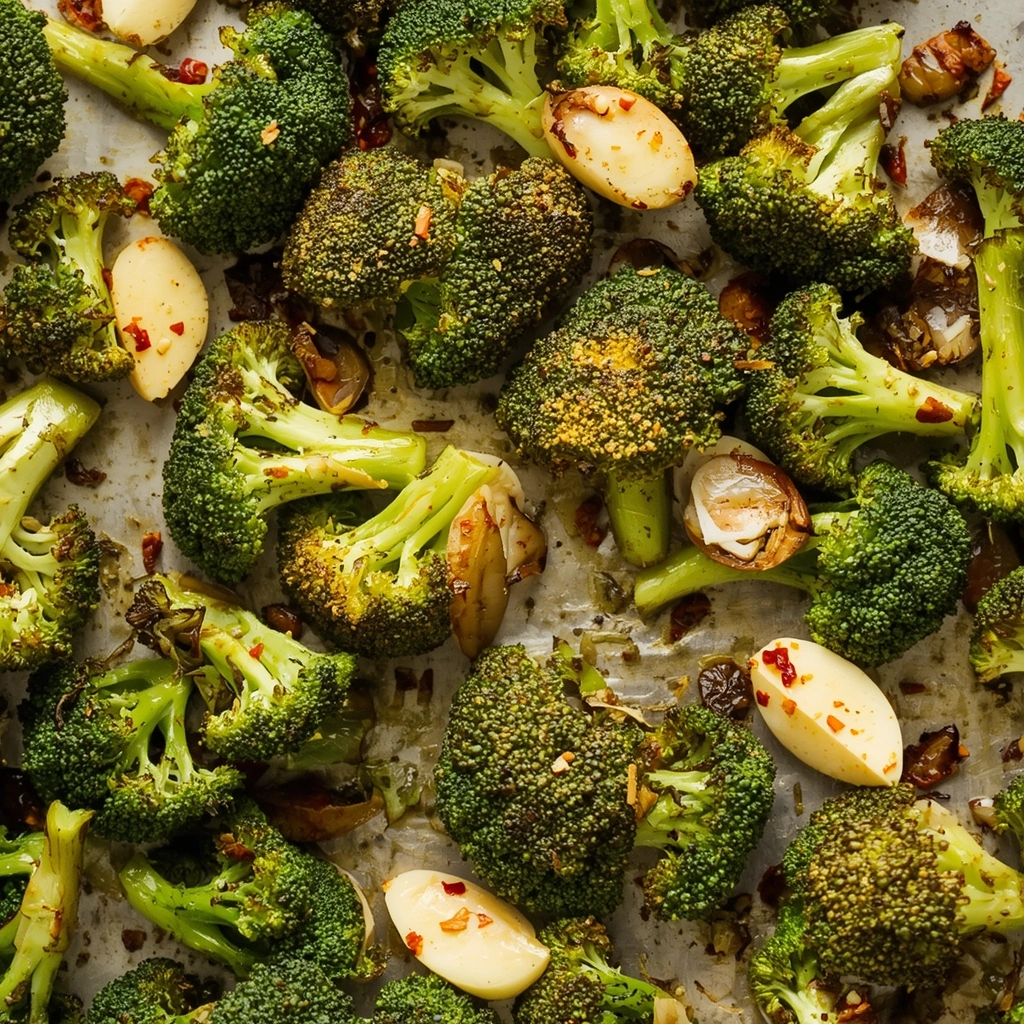
Roasted Garlic Broccoli
Broccoli florets tossed in olive oil, sliced garlic, and red pepper flakes, roasted at 425°F until the edges brown and caramelize. The slight bitterness of roasted broccoli is one of the best counterpoints to the richness of a ribeye or NY strip.
#8 — Best Bread Side
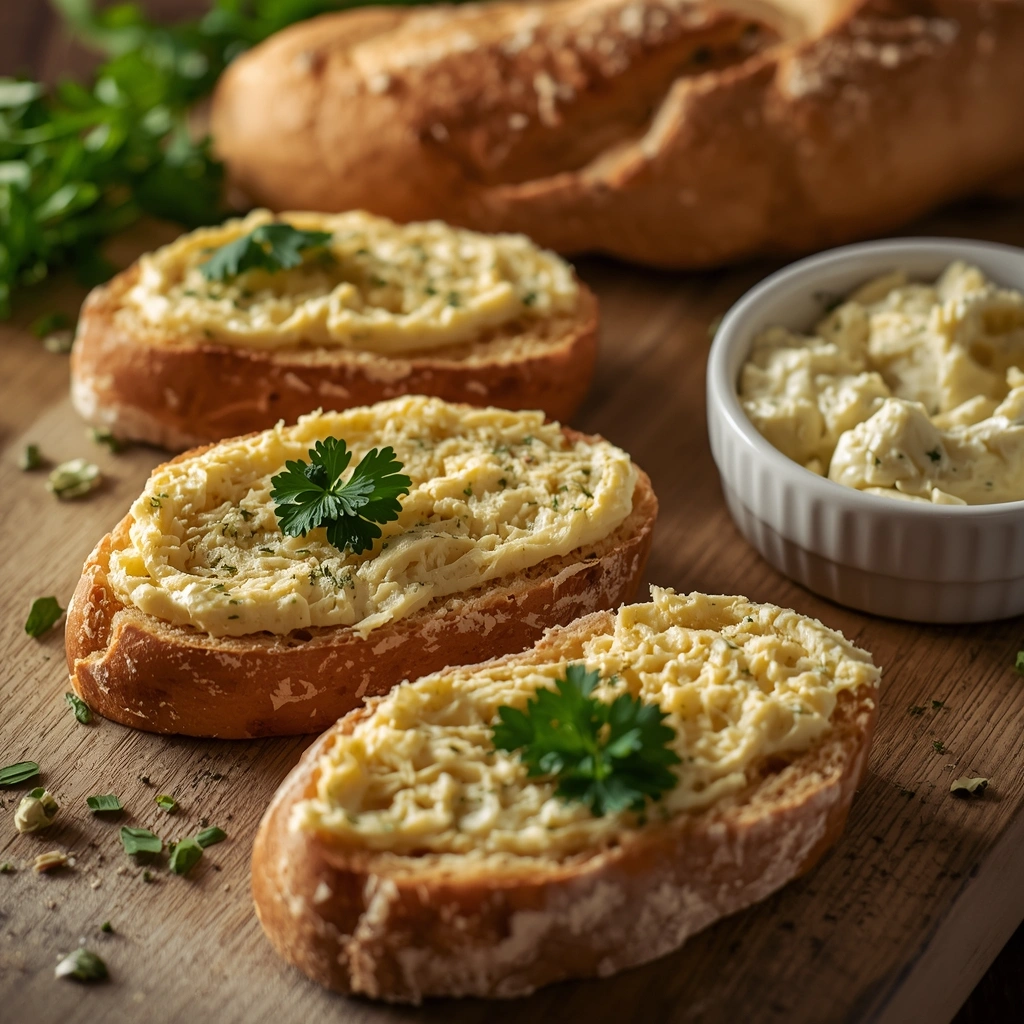
Garlic Herb Compound Butter Bread
A crusty sourdough or baguette sliced and topped with compound butter — softened butter blended with roasted garlic, fresh parsley, and flaky sea salt — broiled until golden. Doubles as a sauce delivery device for every drop of steak juice on the plate.
#9 — Most Elegant
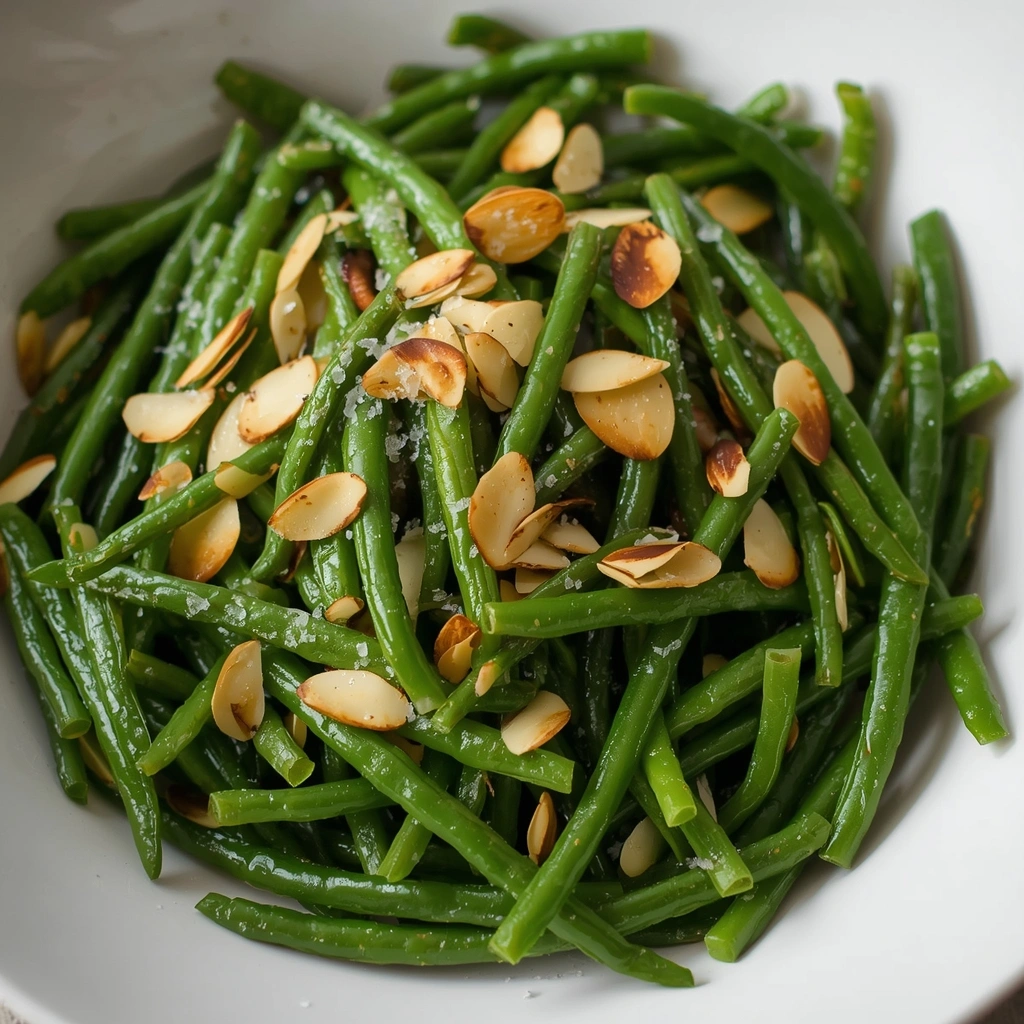
Haricots Verts with Almonds
French green beans (haricots verts) blanched and finished in brown butter with toasted slivered almonds and a pinch of fleur de sel. The crunch of the almond and the snap of the thin bean against a tender steak is a textural pairing that feels like a proper restaurant.
#10 — Most Unexpected
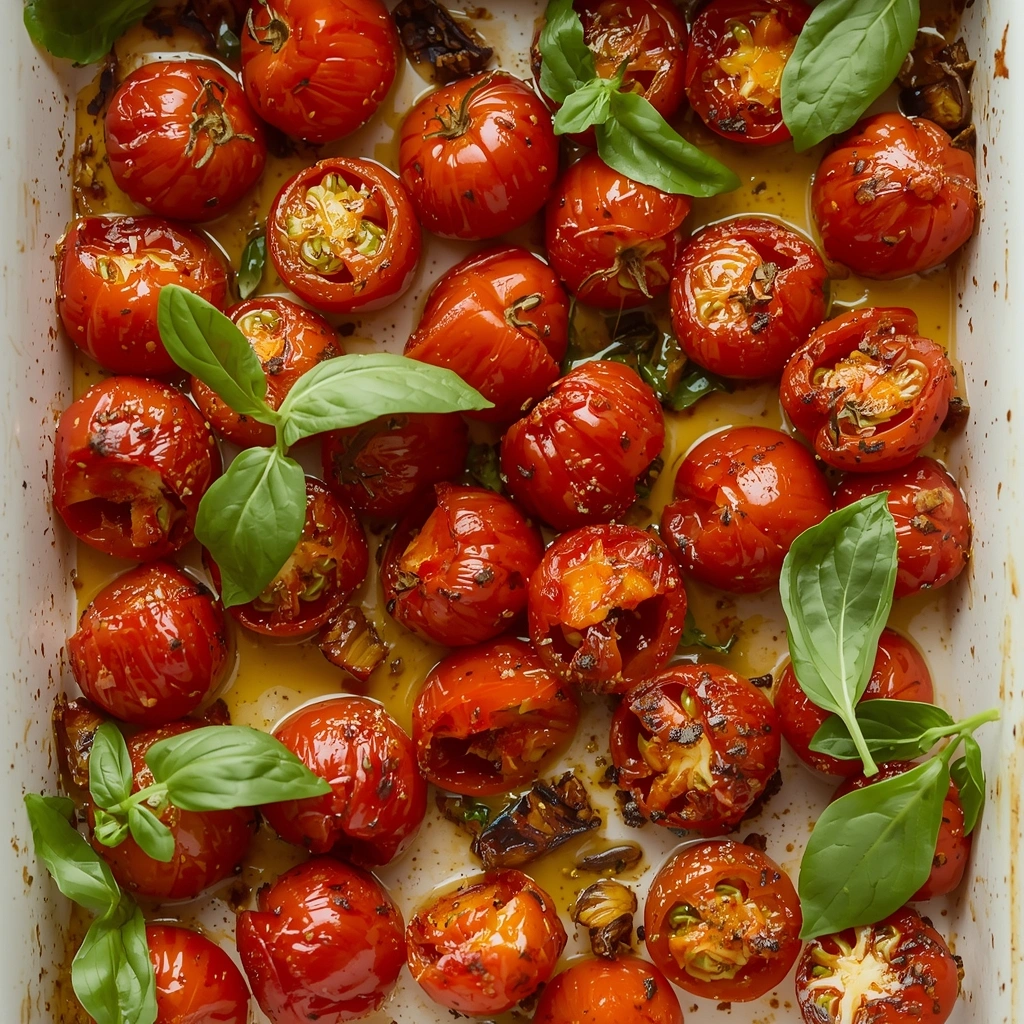
Roasted Cherry Tomatoes with Basil
Cherry tomatoes roasted at 400°F until they burst and caramelize, finished with fresh basil and a thread of good olive oil. The acidity from the tomatoes is the palate cleanser that makes each bite of steak taste like the first. Underrated, simple, and genuinely necessary.
Best Steak Side Combinations by Cut
Different steak cuts call for different sides. A lean filet needs richness from its accompaniments; a fatty ribeye needs brightness and acidity to balance it.
| Steak Cut | Best Starch | Best Vegetable | Why It Works |
|---|---|---|---|
| Ribeye | Wedge salad | Roasted broccoli | High fat needs acidity and bitterness to balance |
| Filet Mignon | Garlic mashed potatoes | Asparagus with Parmesan | Lean cut needs richness from both sides |
| NY Strip | Fingerling potatoes | Sautéed mushrooms | Medium-fat steak pairs with earthy, savory sides |
| T-Bone / Porterhouse | Mashed potatoes | Creamed spinach | The full steakhouse experience for the largest cut |
| Sirloin | Garlic bread | Roasted cherry tomatoes | Acidity and brightness highlight the lean beef flavor |
| Skirt / Flank (tacos) | Rice | Grilled peppers and onions | The Tex-Mex angle that suits these cuts best |
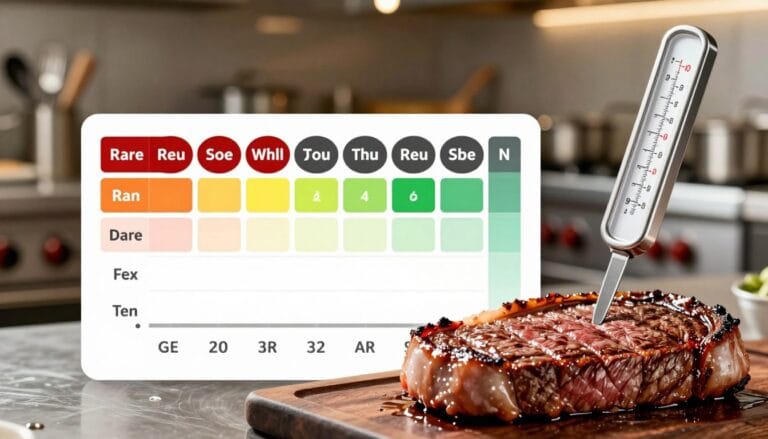
For all steak cuts, the USDA safe minimum internal temperature chart recommends 145°F for whole beef cuts with a 3-minute rest — a useful reminder when serving steak to guests who may prefer different doneness levels. For more on steak cuts and how to cook them, our guide to grilling steak timing pairs naturally with this side dish selection. If you are serving skirt steak in a taco format, the skirt steak tacos guide covers the sides within the taco context specifically.
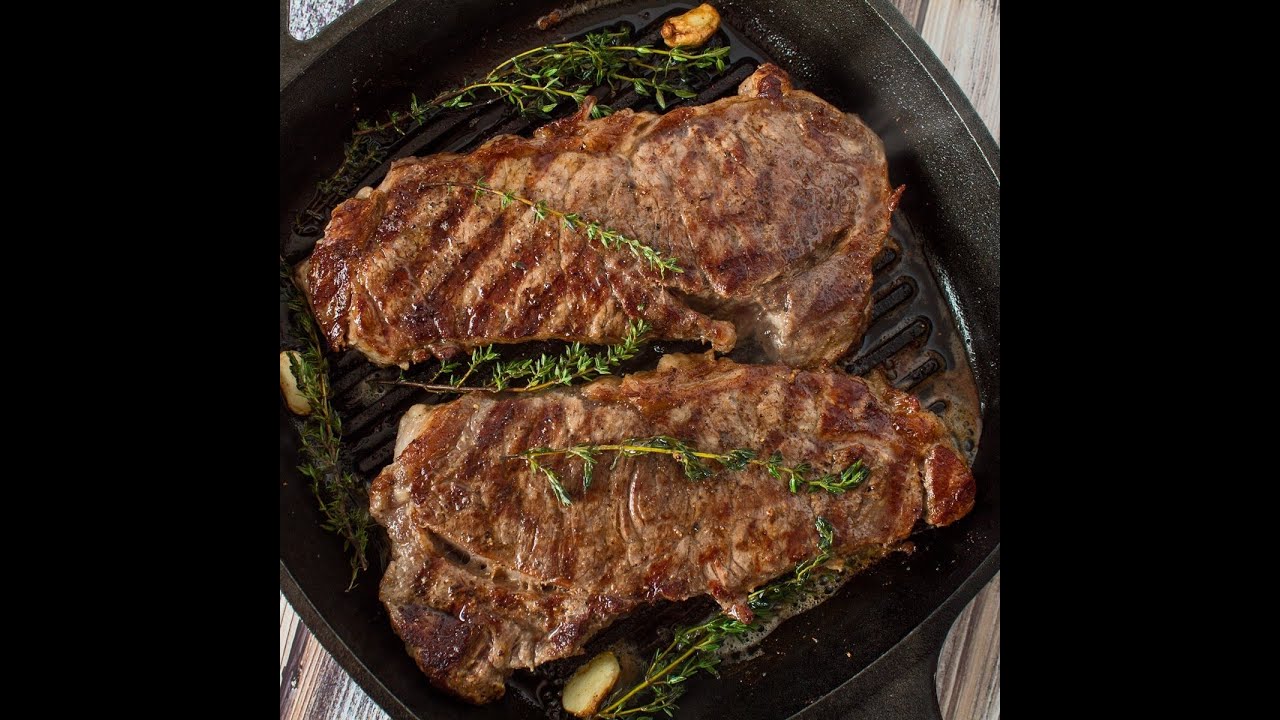
🥕 Steakhouse Garlic Butter Mashed Potatoes
Ingredients
Instructions
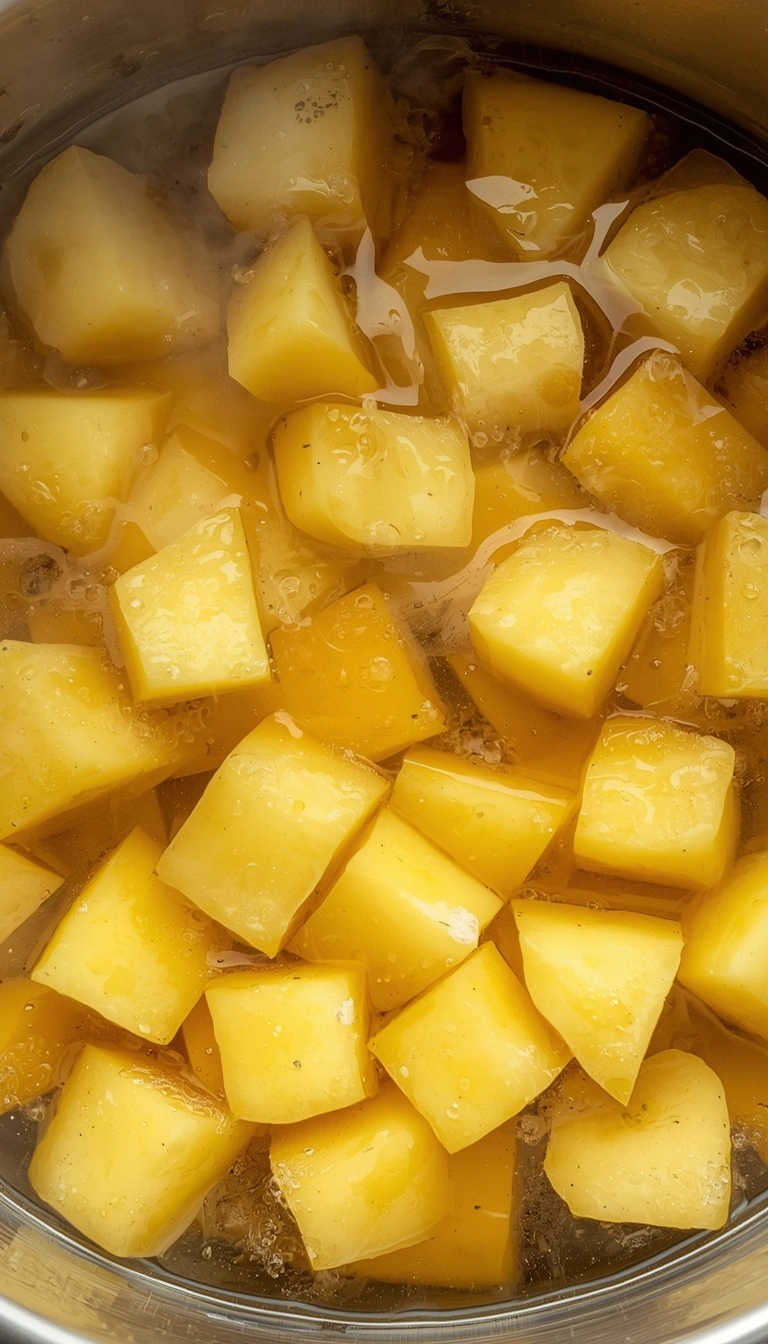
- Boil the potatoes: Peel and cube potatoes into 1-inch pieces. Place in a large pot, cover with cold salted water, and bring to a boil. Cook 15–18 minutes until completely tender when pierced with a fork. Drain thoroughly and return to the pot.
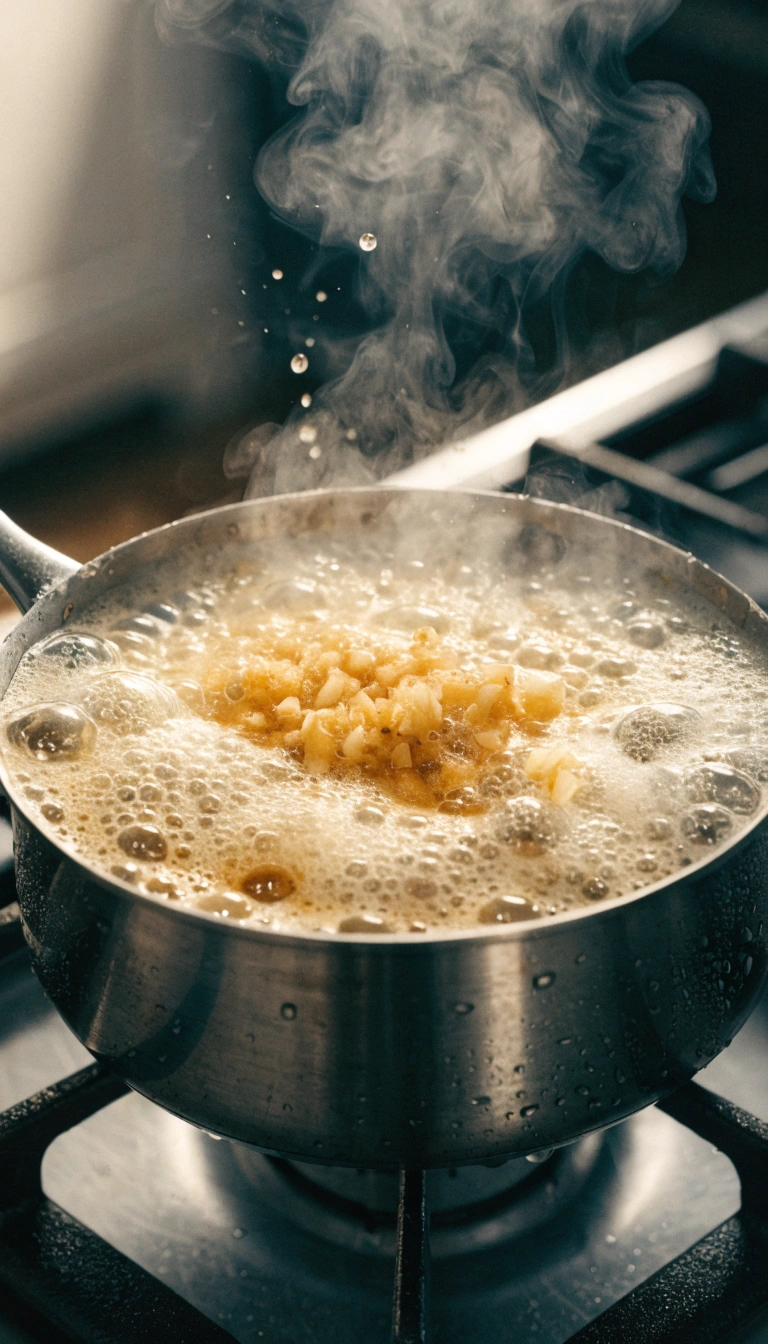
- Brown the butter and garlic: In the drained pot over medium heat, melt butter until it turns golden brown and smells nutty — about 3 minutes. Add minced garlic and cook 60 seconds. Remove from heat immediately to stop the cooking.
- Mash and finish: Add the drained potatoes back to the pot. Mash with a potato masher or ricer until smooth. Stir in warm heavy cream and sour cream. Season generously with salt and white pepper. Taste and adjust. Garnish with chopped chives and a small knob of butter on top. Serve immediately alongside your steak.
Make-ahead tip: Mashed potatoes hold well in a double boiler setup — place the pot over a larger pot of simmering water and cover. They will stay hot and creamy for up to 45 minutes, which is perfect timing for a steak dinner where you need both components ready simultaneously.
Mashed Potatoes: Step-by-Step
Boil Until Completely Tender
Use Yukon Gold potatoes — their naturally buttery flavor and medium starch content produce a creamier mash than Russet potatoes without becoming gluey. Start in cold salted water to ensure even cooking from the outside in. Test with a fork or paring knife at 15 minutes: there should be zero resistance when inserted into the center of the largest piece. Drain thoroughly and return to the hot pot to steam-dry for 2 minutes — this removes moisture that would thin out the mash.
Brown the Butter — Don’t Skip This Step
Regular melted butter makes good mashed potatoes. Brown butter makes steakhouse mashed potatoes. The process takes 3 minutes: butter goes from melted to foamy to golden with a nutty, caramel-like aroma as the milk solids toast. Watch carefully — there is about 30 seconds between brown and burned. The moment the butter smells like toffee and turns golden, add the garlic and remove from heat. This step alone is the difference between home mashed potatoes and restaurant mashed potatoes.
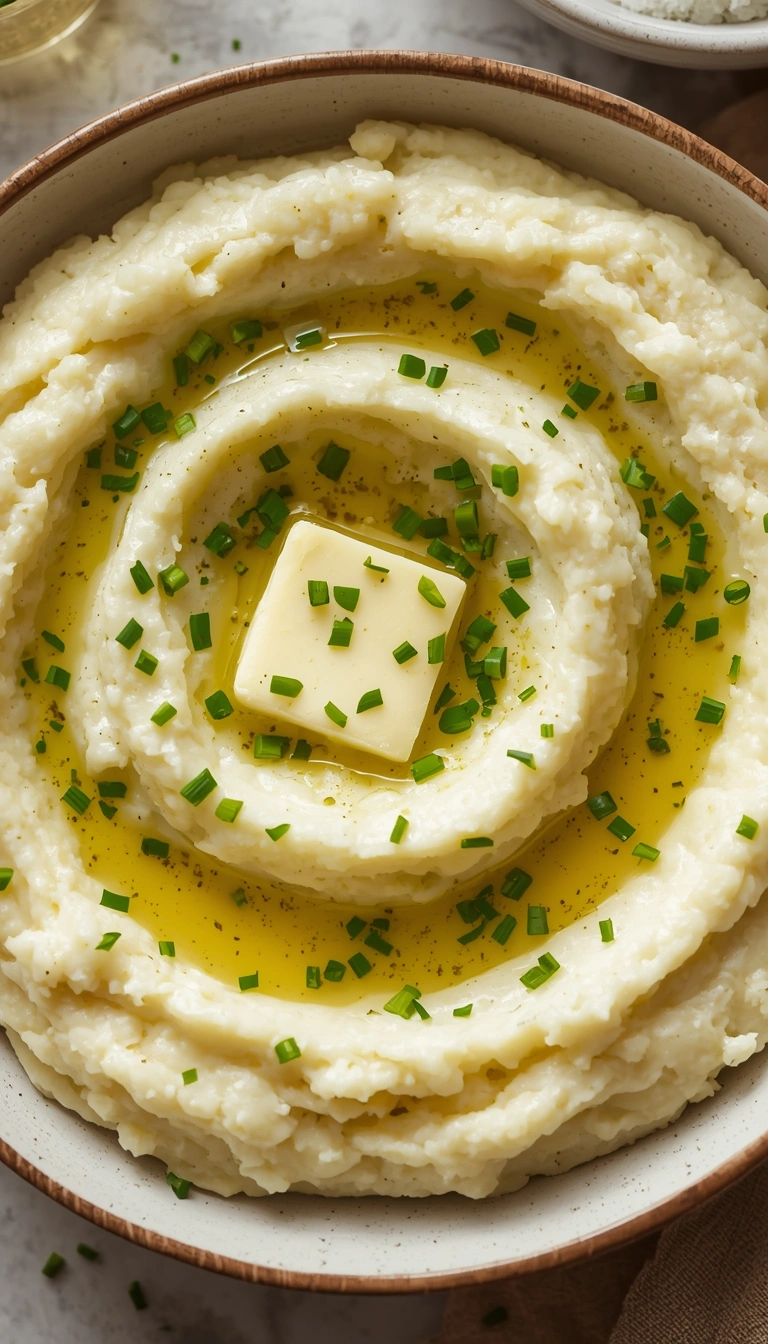
Mash, Season, and Serve
Mash the potatoes into the brown butter and garlic with a potato masher for a slightly textured result, or use a ricer for something smoother and more refined. Add warm cream and sour cream — warm cream incorporates more easily and prevents the temperature from dropping. Season with salt and white pepper (white pepper avoids the visual speckling of black pepper). Taste after every addition. The final texture should be rich enough to coat a spoon but still hold its shape when scooped. Serve immediately — mashed potatoes do not improve with waiting.
Healthy Sides for Steak
Not every steak dinner needs to end in a cream sauce and a pound of butter. These lighter sides deliver great flavor while keeping the overall meal in better nutritional balance:
| Side | Calories (approx) | Best Feature | Pairs Well With |
|---|---|---|---|
| Roasted Asparagus | ~60 kcal/cup | High folate, fast cook | Filet, ribeye |
| Roasted Broccoli | ~55 kcal/cup | Vitamin C, fiber | Any fatty cut |
| Wedge Salad (no dressing) | ~20 kcal/wedge | Crisp, refreshing contrast | Ribeye, T-bone |
| Cherry Tomatoes (roasted) | ~35 kcal/half cup | Lycopene, acidity | Sirloin, strip |
| Haricots Verts | ~44 kcal/cup | Elegant, very low calorie | Filet mignon |
| Cauliflower Mash | ~80 kcal/cup | Low-carb potato substitute | Any cut |
| Grilled Zucchini | ~27 kcal/cup | Lowest calorie option | Flank, skirt |
For storing any leftover sides, the USDA leftovers and food safety guide recommends refrigerating cooked sides within 2 hours and consuming within 3–4 days. For a complete Tex-Mex angle on steak with sides, the seasoning guide for grilled meats shows how the same side vegetables can be adapted with a different spice profile. And if ground beef is on the menu instead, our easy ground beef taco recipe already has the sides built into the format.
Frequently Asked Questions
The best classic steak sides are garlic butter mashed potatoes, roasted asparagus, sautéed mushrooms, creamed spinach, and a wedge salad. For a restaurant-quality dinner, serve one starchy side and one vegetable alongside your steak. Mashed potatoes remain the single most popular choice because their creaminess balances the char and richness of beef.
The best vegetables for steak are asparagus, mushrooms, broccoli, green beans, Brussels sprouts, spinach, corn, and roasted cherry tomatoes. Choose vegetables that contrast or complement the beef: bitter vegetables (broccoli, Brussels sprouts) balance fatty cuts, while mild vegetables (asparagus, green beans) work alongside leaner cuts like filet.
Healthy steak sides include roasted asparagus (~60 kcal), roasted broccoli (~55 kcal), a simple green salad, grilled zucchini (~27 kcal), roasted cherry tomatoes, haricots verts, and cauliflower mash as a low-carb potato alternative. These add nutrition and flavor contrast without the calorie load of cream-based sides.
Mashed potatoes are the classic choice — their creaminess pairs naturally with beef richness. A classic baked potato or roasted fingerling potatoes are excellent alternatives. For something different, creamy polenta or garlic bread also work well. For low-carb diners, cauliflower mash is the closest equivalent to mashed potatoes without the starch.
Two sides is the restaurant standard — one starch and one vegetable. For a dinner party, three sides (starch + vegetable + salad or bread) creates a more complete table without overwhelming the steak. More than three sides is unnecessary and tends to compete with rather than support the main protein.