Can You Eat Steak with Braces?
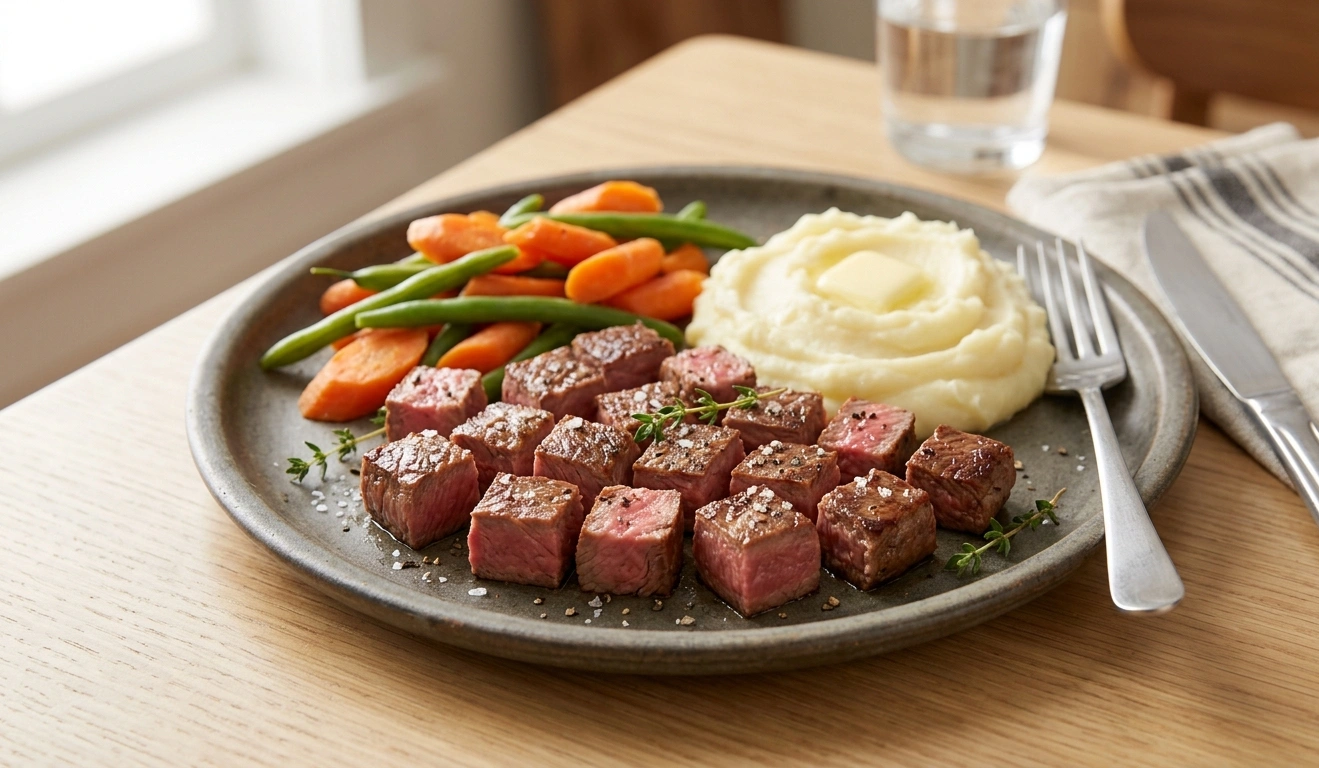
Yes — you can eat steak with braces, but you must choose the right cut, cook it to the right doneness, and cut it into very small pieces before eating. Never bite into a whole steak with your front teeth. The safest choices are tender cuts like filet mignon or slow-braised beef. Tough cuts like flank, skirt, and hanger steak should be avoided entirely while in treatment.
Why Steak Can Be a Problem with Braces
Braces work by applying constant, controlled pressure to your teeth through a system of brackets bonded to the tooth surface and wires threaded through them. That system is strong enough to move teeth gradually over months, but it is surprisingly vulnerable to sudden, concentrated forces from biting and chewing.
Steak presents two specific risks. The first is the toughness of the muscle fibers — certain cuts require significant bite force and chewing pressure to break down, which can bend wires and pop brackets off the tooth surface. The second risk is stringiness: beef fibers, especially from tougher cuts, tend to wrap around brackets and get caught in wires, making cleaning difficult and potentially pulling on the hardware as you chew.
What happens when a bracket breaks: Every broken bracket or bent wire typically means an unscheduled orthodontist appointment, a repair visit, and often additional weeks or months added to your total treatment time. Repeated damage from food choices is one of the most common reasons orthodontic treatment runs over its initial estimate.
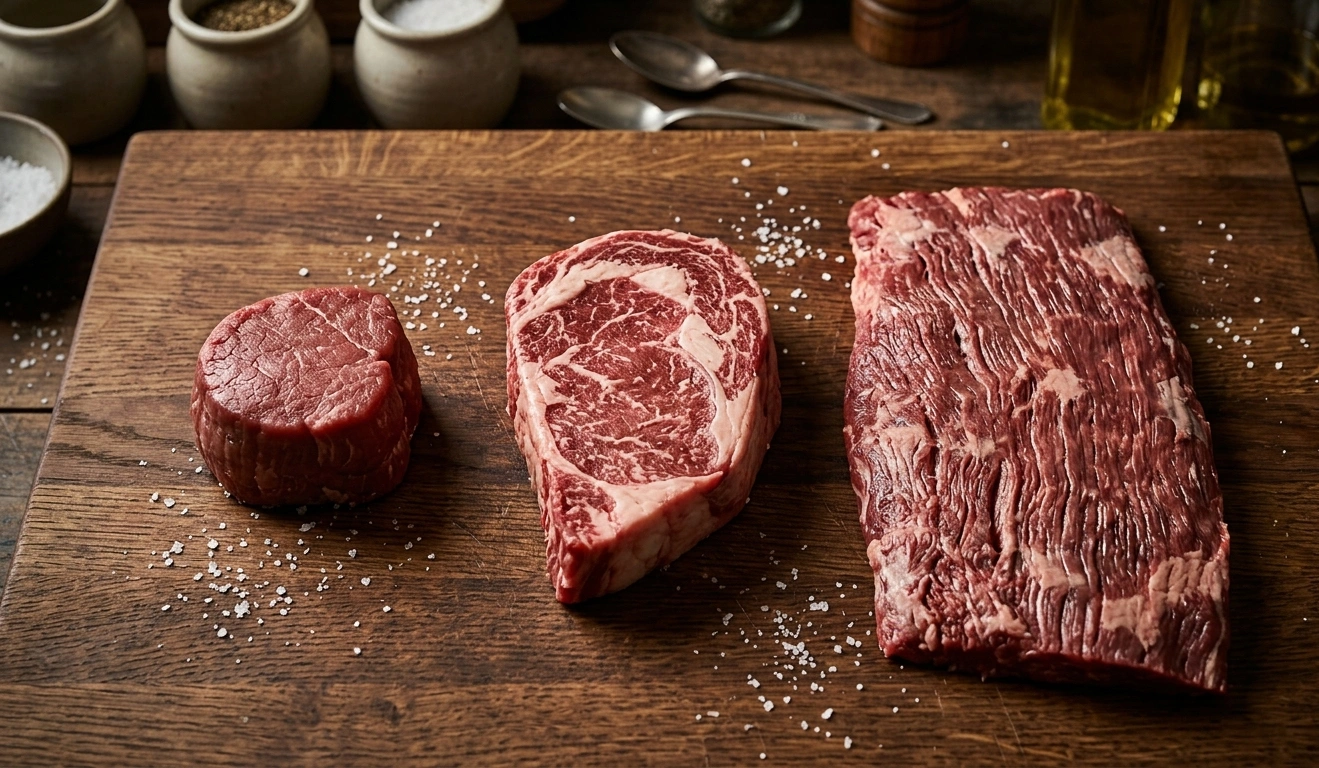
Which Steak Cuts Are Safe with Braces?
The tenderness of a steak cut is determined primarily by how much work the muscle does during the animal’s life. Muscles that move constantly (like the flank and shoulder) develop tough connective tissue. Muscles that do very little work (like the tenderloin) stay soft and fine-grained. When you have braces, you want the laziest muscles on the cow.
Filet Mignon
Most tender cut on the cow. Minimal chewing force needed. Short fibers, buttery texture when cooked medium.
Ribeye
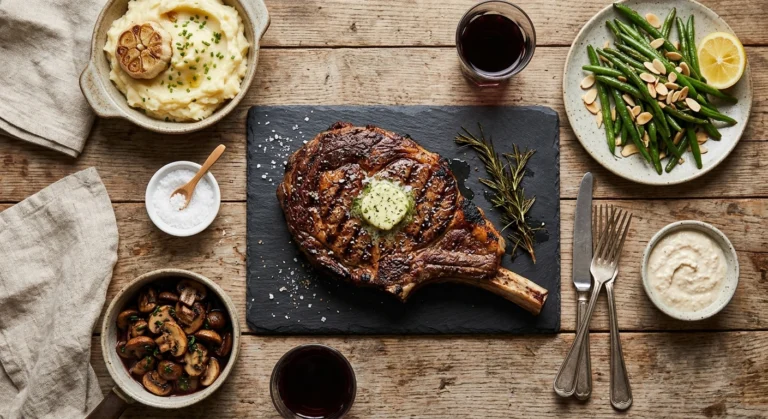
High marbling softens the fibers during cooking. Rich and tender when cooked medium. Cut into small pieces.
Braised Beef
Any cut slow-cooked until fork-tender is safe. The long cook breaks collagen down to gelatin. No chewing force needed.
Sirloin
Acceptable if cooked to medium-well and cut small. Firmer than filet. Avoid eating it rare or medium-rare.
Strip Steak (NY)
Moderate tenderness. Fine if cut into very small pieces and cooked medium-well. Firmer than ribeye.
Flank / Skirt / Hanger
Long, stringy muscle fibers wrap around brackets. Require significant chewing force even when marinated. Skip entirely.
| Cut | Tenderness | Safe with Braces? | Best Method |
|---|---|---|---|
| Filet Mignon | ★★★★★ | ✓ Yes | Pan-sear, medium |
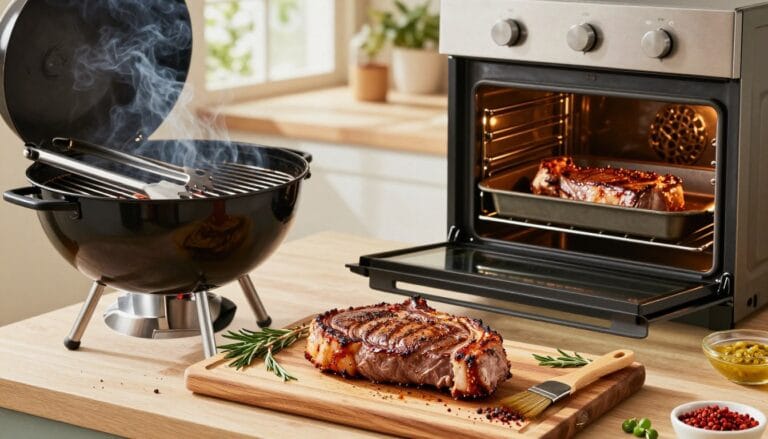
| Ribeye | ★★★★☆ | ✓ Yes | Grill or pan, medium |
| Braised Chuck / Short Rib | ★★★★★ | ✓ Yes | Slow braise 3–4 hrs |
| Sirloin | ★★★☆☆ | ⚠ With care | Cook to medium-well, cut small |
| NY Strip | ★★★☆☆ | ⚠ With care | Medium-well, very small pieces |
| Flank Steak | ★★☆☆☆ | ✗ No | Avoid entirely |
| Skirt Steak | ★☆☆☆☆ | ✗ No | Avoid entirely |
| Beef Jerky | ☆☆☆☆☆ | ✗ No | Never with braces |
How to Eat Steak Safely with Braces
The cut is only half the equation. How you prepare and eat the steak matters equally. Follow these rules every time:
1. Cook to the Right Doneness
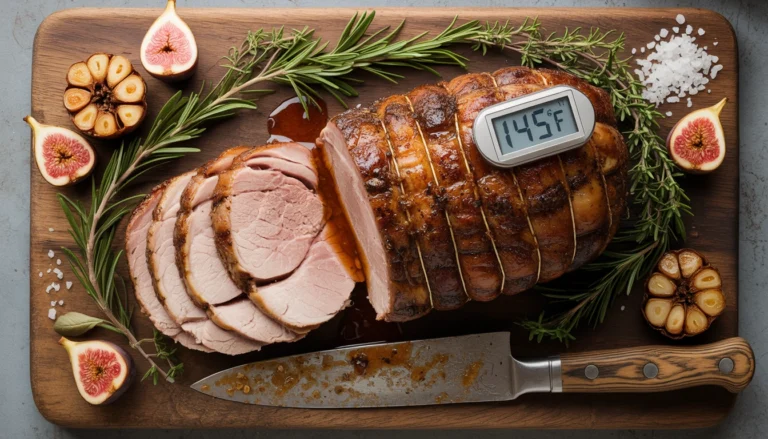
Cooking steak to a higher internal temperature breaks down more muscle fiber proteins, making the meat softer and easier to chew. For braces wearers, medium (145°F) to medium-well (150–155°F) is the target. Rare and medium-rare steaks are firmer and more resistant to chewing — even a very tender filet mignon cooked rare requires more bite force than the same cut cooked medium. Per the USDA safe internal temperature chart, 145°F is also the minimum safe temperature for whole beef cuts, so cooking to medium aligns with both safety goals.
2. Cut Against the Grain into Small Pieces
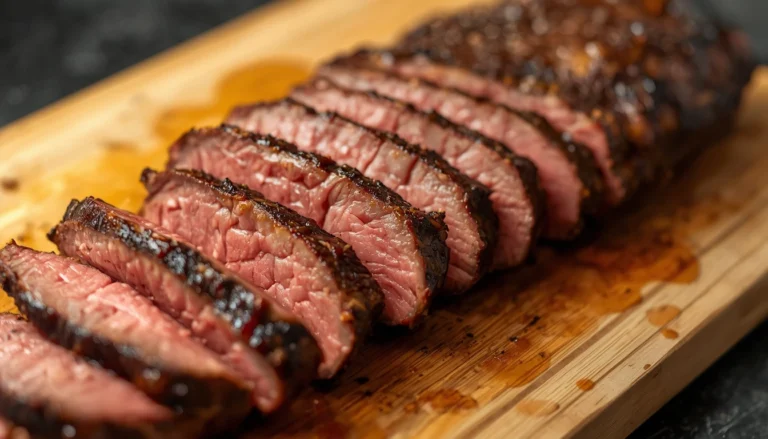
Always slice steak against the grain — perpendicular to the direction of the muscle fibers. This cuts the long fibers short, dramatically reducing the chewing effort required and eliminating the stringy texture that wraps around brackets. Cut each piece to a maximum of 1/2 inch square before eating. Smaller pieces mean less chewing force per bite and less mechanical stress on your hardware. Use a sharp knife and do all cutting before bringing food to your mouth.
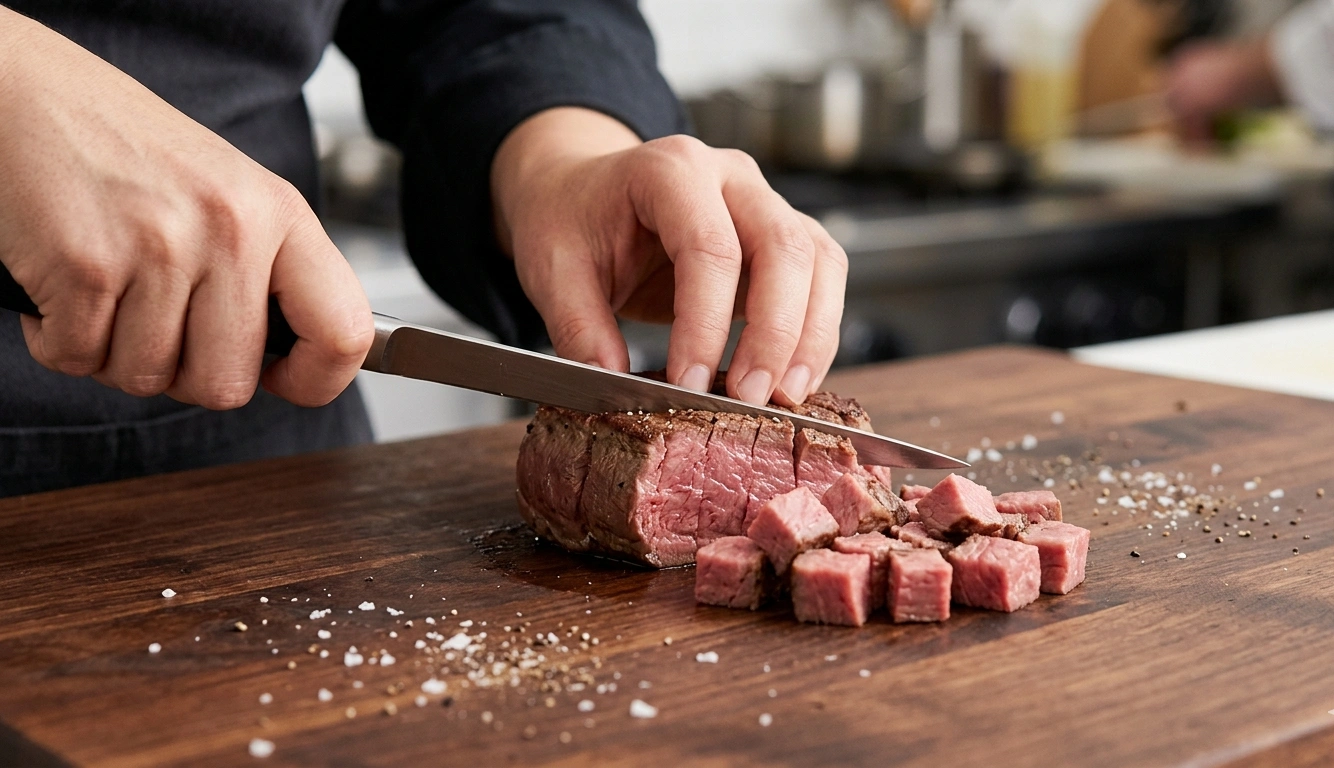
3. Never Bite with Your Front Teeth
Front brackets are the most vulnerable to being knocked off. Never bite into any large piece of meat with your front teeth while wearing braces. All chewing should happen with your back molars, where the hardware is more robust and the biting force is distributed across a larger surface. This rule applies to all foods, not just steak.
4. Choose Braised Over Grilled When in Doubt
Braised beef — pot roast, slow-cooked chuck, short ribs in red wine — is the most braces-friendly form of beef. Long, slow cooking at low temperature breaks collagen into gelatin and relaxes all the tough connective tissue that makes raw or quickly-cooked beef hard to chew. Fork-tender braised beef requires almost no chewing force and produces zero risk to brackets and wires. Our beef shank with bone recipe is a perfect example — cooked properly, the meat falls apart at the touch of a fork.
The best steak for braces: A slow-braised beef short rib or chuck roast that falls apart without a knife is safer than any grilled steak, regardless of how tender the grilled cut is. If you are just starting braces treatment or recently had your wires tightened, braised beef is the safer choice for the first 3–4 days after adjustment.
What Can and Can’t You Eat with Braces — Full Guide
Steak is just one of many foods that need to be rethought when you have braces. Here is the complete picture for meat and beyond:
✓ Safe Foods
- Braised or slow-cooked beef
- Ground beef (tacos, burgers, pasta)
- Pulled pork (soft, fork-tender)
- Soft-cooked chicken breast
- Canned tuna or salmon
- Scrambled or soft-boiled eggs
- Mashed potatoes and sweet potato
- Rice, pasta, soft bread
- Yogurt, pudding, soft cheese
- Banana, melon, soft berries
- Steamed or roasted soft vegetables
- Soup and broth
- Avocado
- Pancakes, soft muffins
✗ Foods to Avoid
- Beef jerky (extremely dangerous)
- Ribs eaten off the bone
- Flank, skirt, hanger steak
- Tough chicken (overcooked/dry)
- Hard candy and lollipops
- Popcorn and corn chips
- Raw carrots and celery
- Whole apples and pears
- Bagels, hard rolls, crusty bread
- Caramel, taffy, gummy candy
- Nuts and seeds
- Ice (chewing)
- Corn on the cob
- Pizza crust (thick/hard)
Special Note on Ground Beef
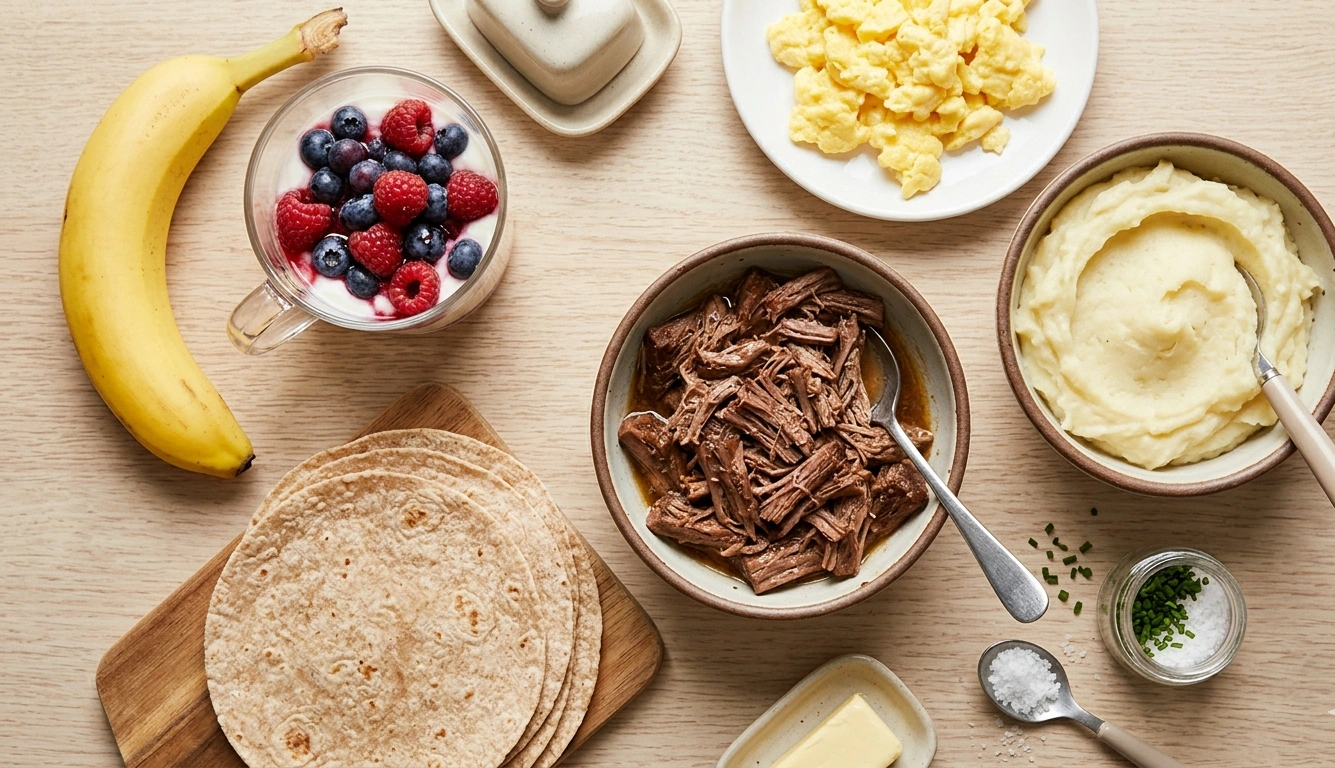
Ground beef is one of the safest meat options with braces. Because it has been mechanically broken down before cooking, there are no long muscle fibers to get caught in brackets or require strong bite force. Ground beef tacos, bolognese, meatballs in sauce, stuffed peppers, and shepherd’s pie are all excellent braces-friendly options. Our easy ground beef taco recipe is specifically worth bookmarking during orthodontic treatment — the soft tortillas, ground meat, and flexible toppings make it a perfect braces dinner. For leftover ideas, our leftover taco meat recipes guide gives you a week of soft meals from a single cook.
What to Eat After Getting Braces Tightened
The first 2–4 days after a braces adjustment or tightening appointment are the most sensitive period. Your teeth will be sore from the increased pressure, and your tolerance for any chewing force will be significantly lower than usual. This is when dietary choices matter most.
| Days After Tightening | Soreness Level | Best Meat Options |
|---|---|---|
| Day 1–2 | High | Soup with soft shredded beef, scrambled eggs, yogurt, smoothies with protein powder |
| Day 3–4 | Moderate | Soft braised beef, ground meat dishes, well-cooked meatballs, tender chicken in sauce |
| Day 5–7 | Fading | Tender filet mignon (cut small), pulled pork, soft-cooked chicken thigh |
| Day 7+ | Normal | Any braces-safe steak (filet, ribeye, sirloin) cut into small pieces and cooked to medium |
Cold helps: Cold foods reduce inflammation and soreness in the gums and teeth after tightening. Ice cream (without hard mix-ins), cold yogurt, chilled soft fruits, and cool smoothies are particularly soothing in the first 24 hours after an adjustment.
Frequently Asked Questions
Yes, with the right cut and preparation. Choose tender cuts like filet mignon or ribeye, cook to medium or medium-well, and cut into pieces no larger than 1/2 inch before eating. Never bite into a whole steak with your front teeth. Avoid tough, stringy cuts like flank, skirt, and hanger steak entirely during treatment.
The safest options are filet mignon (most tender cut on the cow), ribeye (well-marbled, soft when cooked medium), and any braised or slow-cooked beef that is fork-tender. Sirloin and NY strip are acceptable with caution if cut small and cooked to medium-well. Avoid flank, skirt, hanger, and beef jerky.
Avoid: hard or crunchy foods (popcorn, chips, raw carrots, nuts, hard candy, ice), chewy or sticky foods (beef jerky, caramel, gummy candy, bagels, taffy), tough meats in large pieces (ribs off the bone, whole steak bites), and foods requiring biting from a large piece (corn on the cob, whole apples, crusty bread). Anything requiring significant bite force is a risk to your brackets and wires.
For protein: ground beef, pulled pork, braised beef, soft-cooked chicken, eggs, canned fish. For carbs: mashed potatoes, rice, pasta, soft bread. For dairy: yogurt, pudding, soft cheese, ice cream. For fruit: banana, melon, soft berries, peeled peaches. For vegetables: steamed carrots, mashed sweet potato, avocado. Soups and broths are excellent when soreness is high.
Hard, chewy, or tough foods can break brackets off the tooth surface, bend or snap wires, and loosen the bands around your back teeth. Each incident requires an unscheduled orthodontist visit to repair. Repeated damage from food choices is one of the most common reasons orthodontic treatment extends beyond its initial estimated completion date.
Identify the direction of the muscle fibers (the grain), then slice perpendicular to them — this is called cutting against the grain and it dramatically shortens the fibers, reducing chewing resistance. Cut all pieces to a maximum of 1/2 inch before eating. Do all cutting with a sharp knife before bringing food to your mouth. Chew only with your back molars, never bite with front teeth.