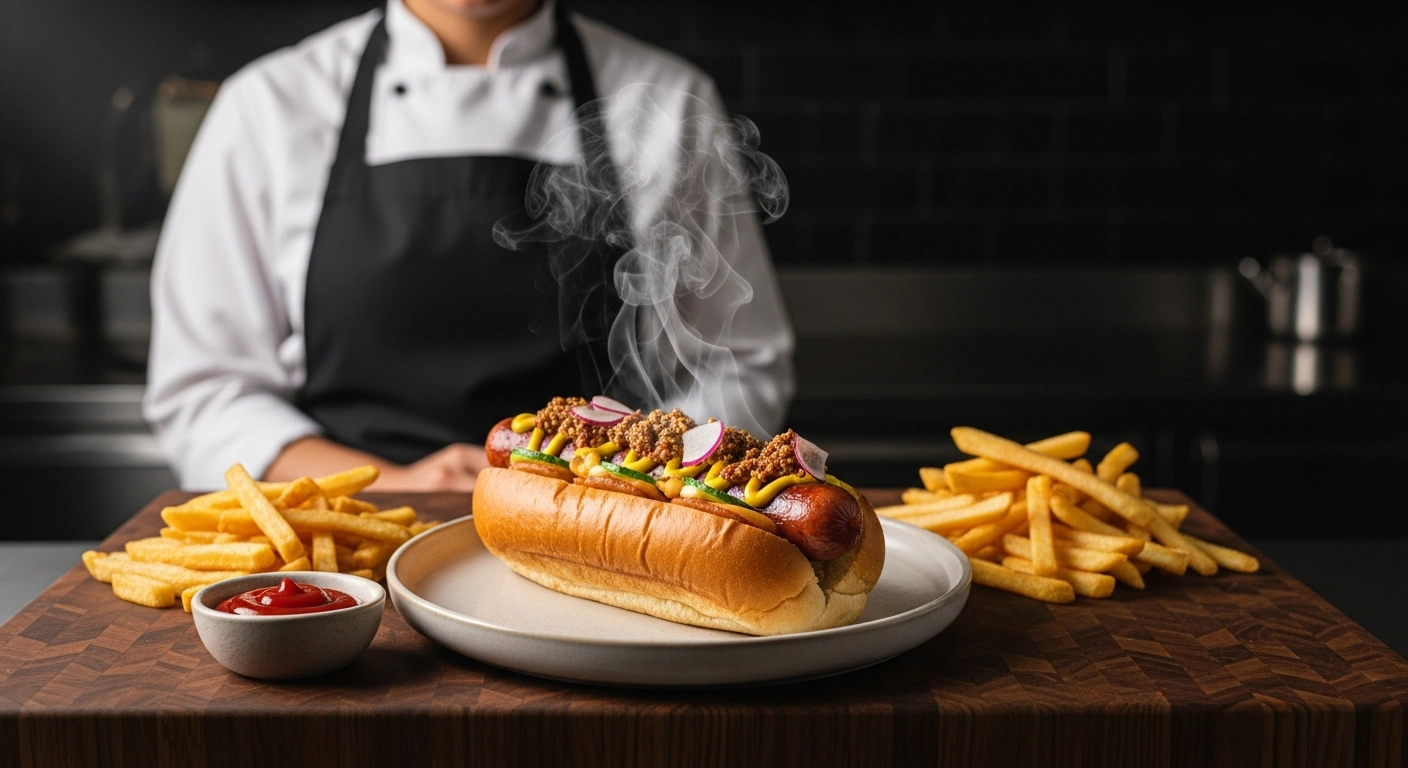
How Long to Boil Hot Dogs?
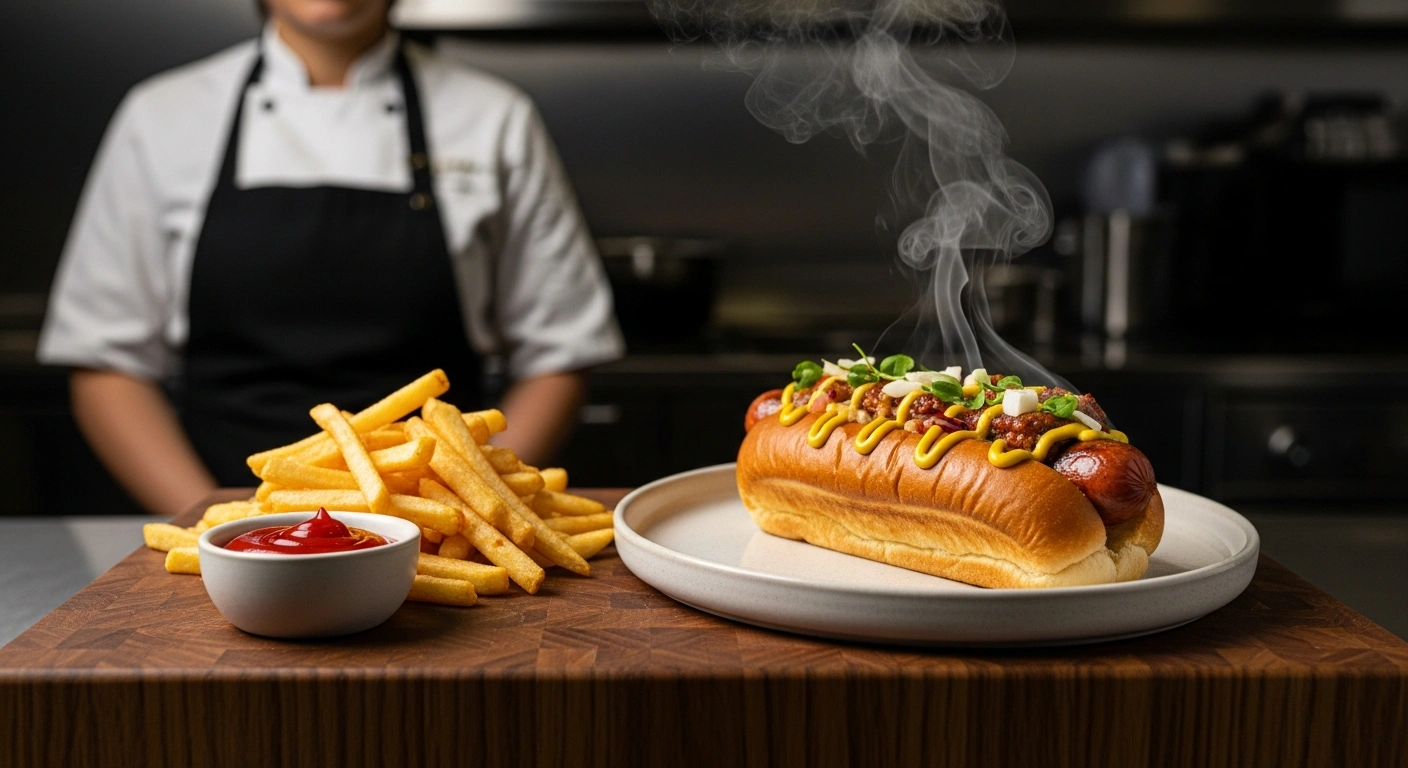
Boil hot dogs for 4 to 6 minutes in gently simmering water. Standard hot dogs are done in 4–5 minutes; jumbo or thick franks need closer to 6. Because hot dogs are pre-cooked, you’re simply reheating them to a safe internal temperature of 165°F (74°C).
How Long to Boil Hot Dogs?
How long to boil hot dogs is one of those beautifully simple cooking questions with a genuinely satisfying answer: not very long at all. Hot dogs are fully pre-cooked at the factory, so your only job on the stovetop is to heat them through quickly without splitting the casing or waterlogging the meat.
Boiling is the most forgiving hot dog method available. It’s nearly impossible to dry out a hot dog in water, it works for feeding a crowd fast, and it produces the classic juicy, plump ballpark-style result that no other method quite replicates.
This guide covers the stovetop boiling method in full detail, plus microwave, oven, and pan-fried methods with timing for each. Whether you’re cooking one hot dog in a hurry or a batch for a backyard party, you’ll find the exact timing here. For party-scale cooking inspiration, check out our mummy hot dogs recipe — a crowd favorite for events and kids.
All Cooking Methods at a Glance
Not sure which method to use? This table compares every common hot dog cooking approach by timing, texture outcome, and best use case so you can pick the right one for your situation.
| Method | Time | Texture | Best For |
|---|---|---|---|
| Boiling (stovetop) | 4–6 min | Plump, juicy, no char | Feeding a crowd, kid-friendly meals |
| Microwave | 30–45 sec | Soft, steam-heated | Single-serving speed |
| Oven (400°F) | 15–18 min | Lightly crispy outside | Batch cooking without a grill |
| Pan / Cast Iron | 5–7 min | Golden, slightly charred | Best flavor, fast cleanup |
| Grill | 5–7 min | Charred, snappy casing | Summer cookouts, outdoor events |
Each method produces a noticeably different result. Boiling delivers the soft, steamy ballpark classic. Pan and grill methods win on flavor and texture when char is the goal. For grilling timing parallels, our guide on how long to grill burgers at 400°F applies many of the same principles to hot franks on a grate.
🌭 Boiled Hot Dogs — Classic Stovetop Method
Ingredients
- 4 hot dogs
- Water — enough to fully submerge
- 4 hot dog buns
- Optional: mustard, ketchup, relish, diced onion
Instructions
- Fill a 3-quart saucepan with enough cold water to fully submerge the hot dogs (about 3–4 inches).
- Bring to a rolling boil over medium-high heat — do not add hot dogs until the water is fully boiling.
- Add hot dogs gently using 9-inch kitchen tongs, then immediately reduce heat to a gentle simmer.
- Cook 4 minutes for standard hot dogs, 5–6 minutes for jumbo or frozen. Verify with an instant-read thermometer that the center reads 165°F (74°C).
- Remove with tongs, pat dry with a paper towel, and serve immediately in warmed buns.
⚠️ Per the USDA safe minimum internal temperature chart, hot dogs should be heated to 165°F — especially important for children, pregnant women, and immunocompromised individuals.
Step-by-Step: How to Boil Hot Dogs
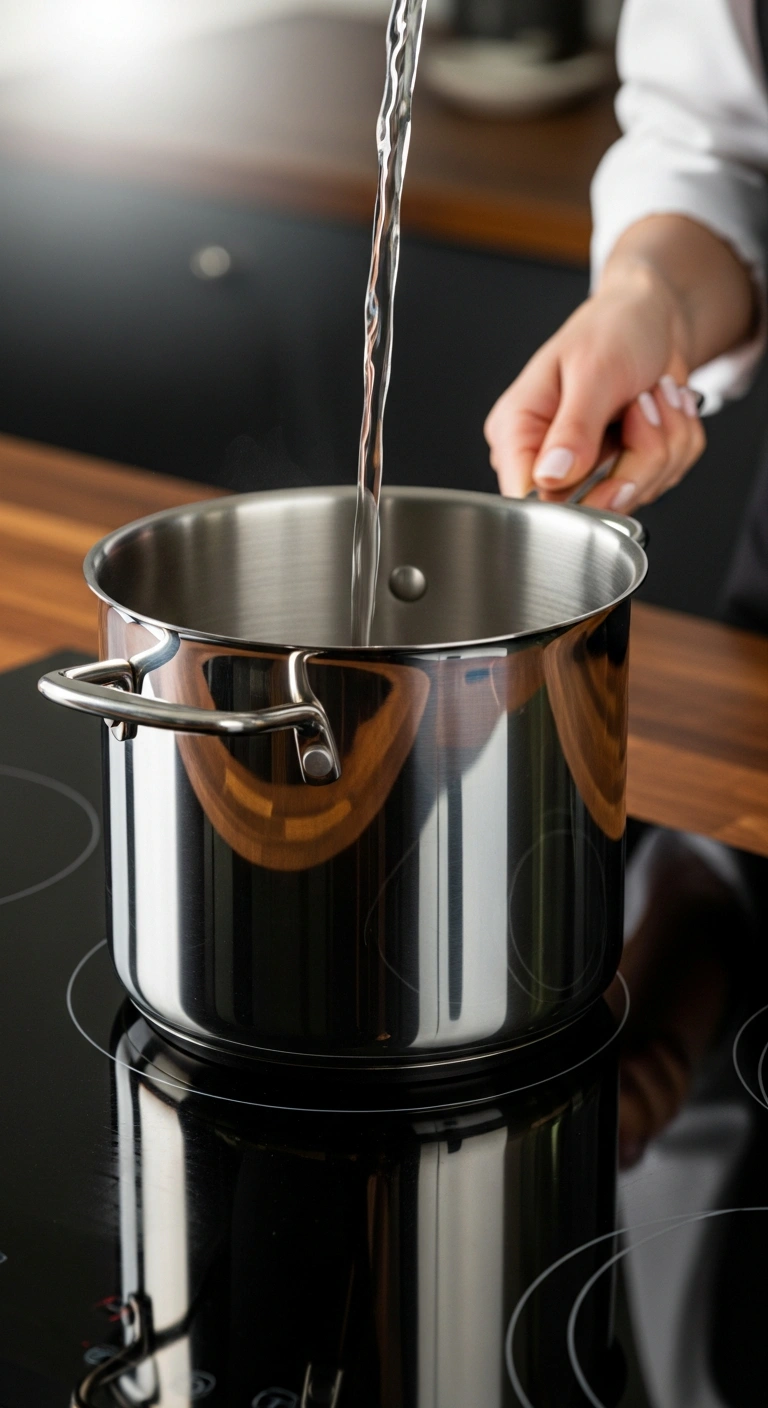
Fill the Pan with Water
Use a medium saucepan and add enough cold water to fully cover your hot dogs — around 3 to 4 inches deep. Avoid overcrowding the pot: cook no more than 4 to 6 hot dogs per batch so the water temperature recovers quickly after you add them. Crowded pots extend cook time and lead to uneven heating.
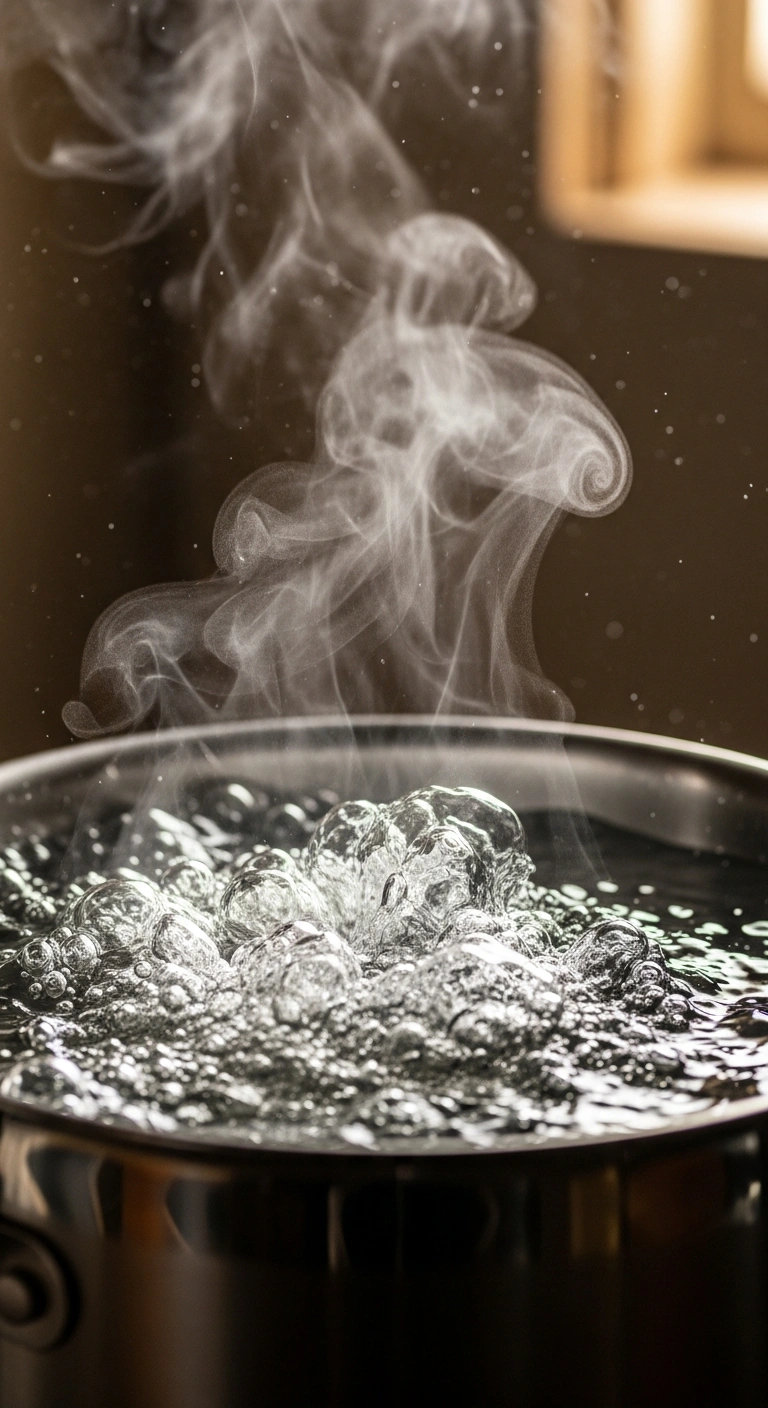
Bring to a Rolling Boil
Set the burner to medium-high and wait for a full rolling boil before adding anything. Starting hot dogs in warm water leads to uneven heating. The initial burst of boiling heat is what gives the skin a slight snap and ensures the interior heats quickly and evenly throughout.
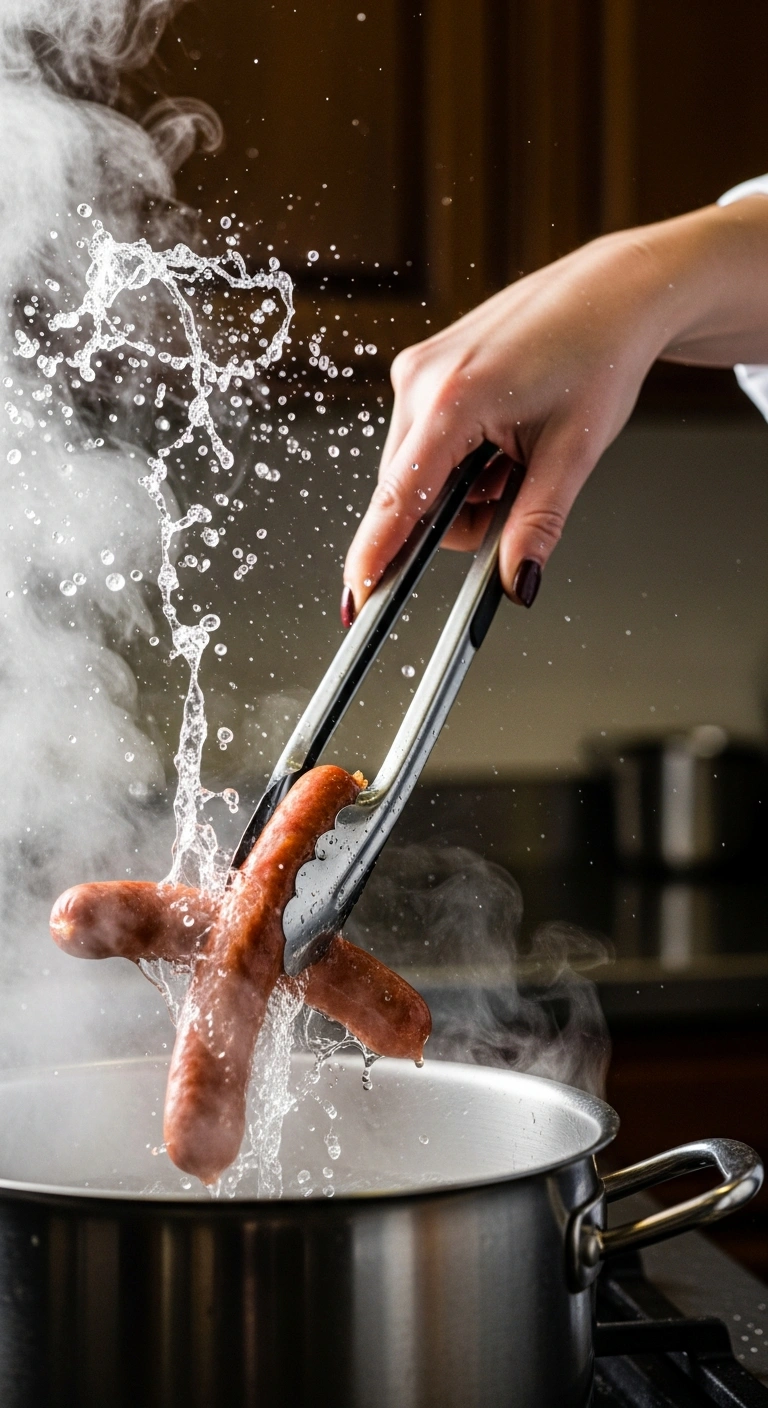
Add Hot Dogs and Drop to a Simmer
Lower the hot dogs into the water gently using kitchen tongs. Immediately reduce heat to medium or medium-low so the water settles into a calm, steady simmer. A violent rolling boil after adding the hot dogs causes casings to split before the center reaches temperature. Gentle heat wins every time here.
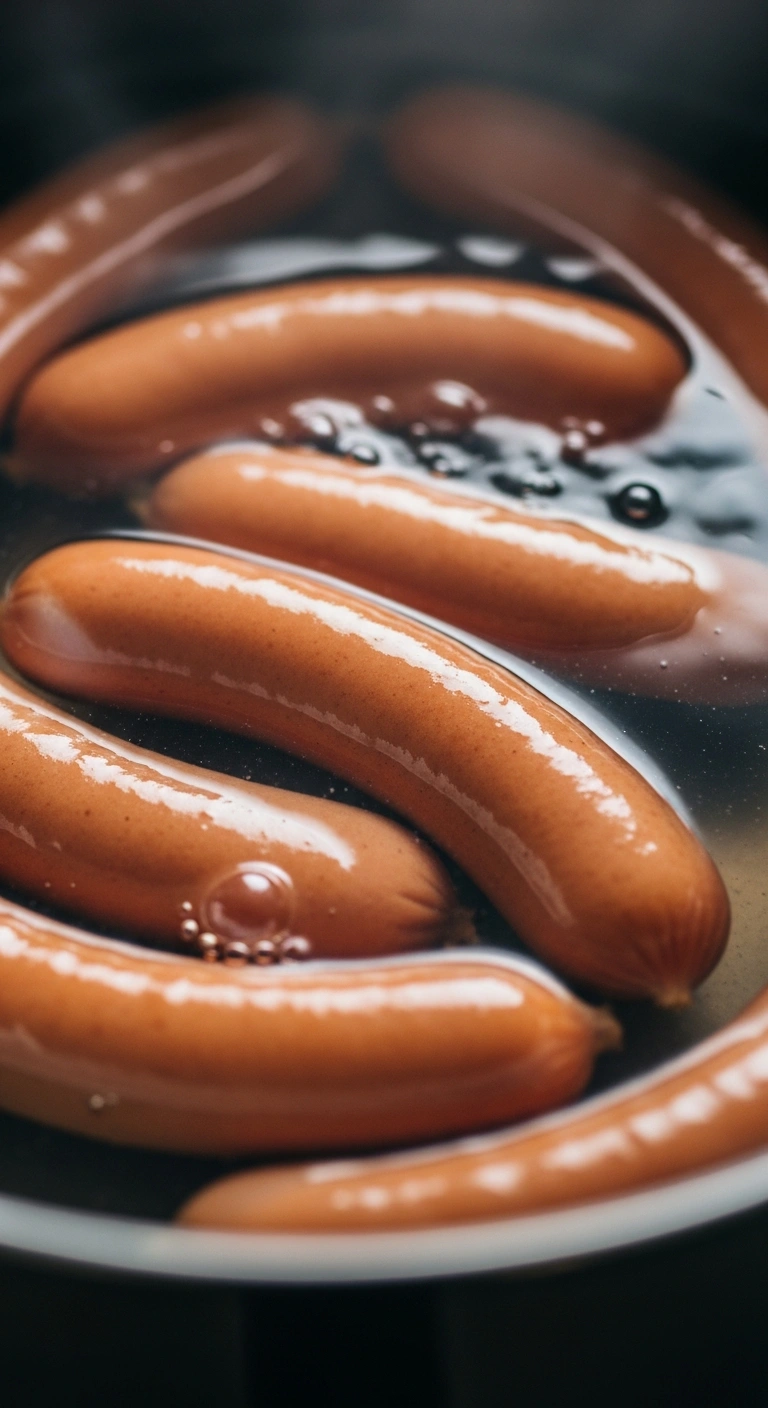
Cook 4–6 Minutes, Then Check Temperature
Standard-size hot dogs reach 165°F in about 4 minutes. Jumbo franks or frozen hot dogs need 5 to 6 minutes (add 3–4 minutes for frozen). Pierce the center of one with an instant-read thermometer — once it reads 165°F, you’re done. The USDA safe temperature chart confirms this as the correct target for reheated pre-cooked meats.
Remove, Pat Dry, and Serve
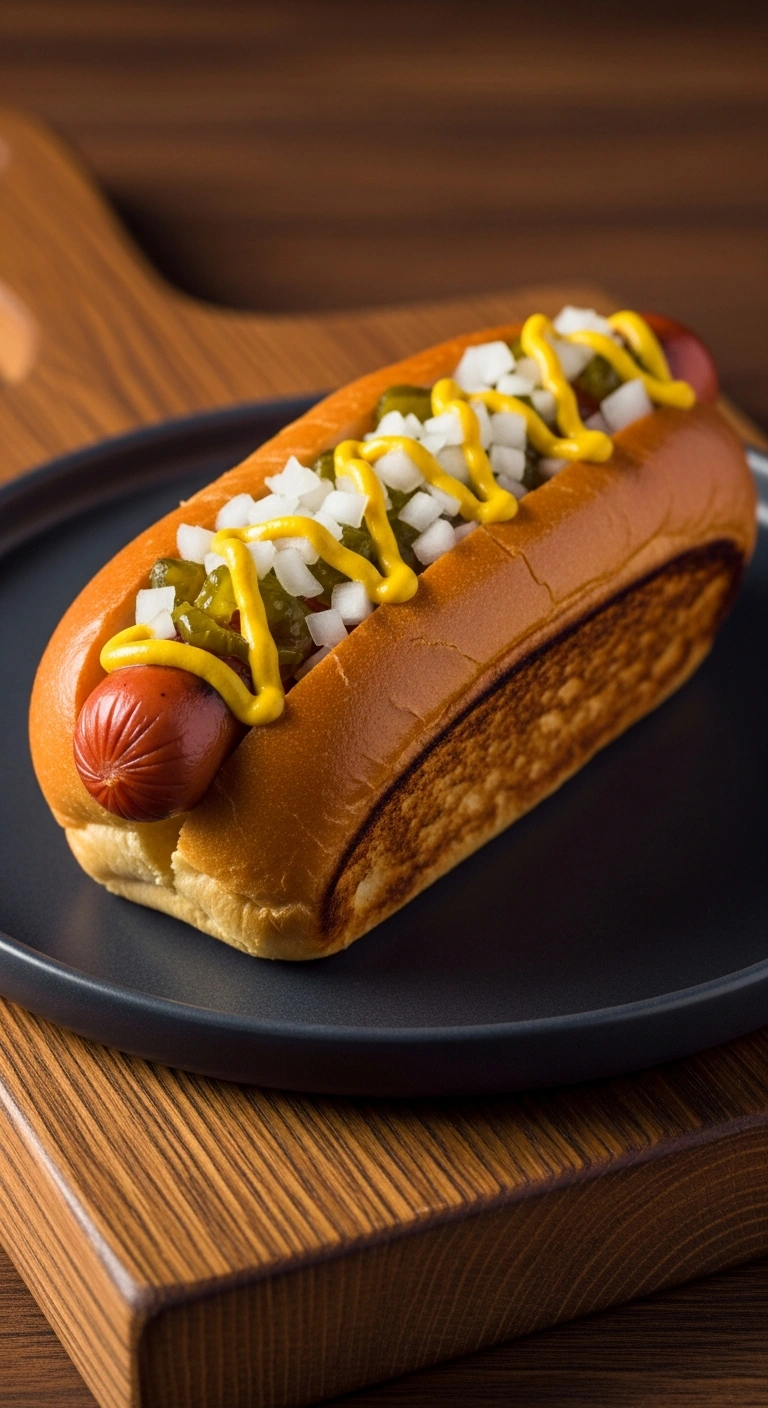
Lift hot dogs out with tongs and give them a quick pat with a paper towel. This removes surface water so your bun stays firm and toppings like mustard, relish, and ketchup actually stick instead of sliding off. Serve immediately — boiled hot dogs cool quickly and are best eaten fresh from the pot.
Other Ways to Cook Hot Dogs
🍳 How to Cook Hot Dogs in a Pan
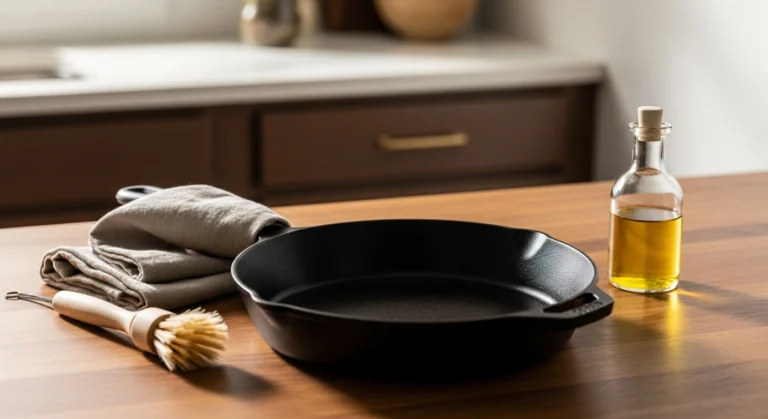
Pan-frying delivers the best flavor of any stovetop method. Heat a cast-iron or non-stick skillet over medium heat with no oil — hot dogs release enough fat on their own. Score the casing with three shallow diagonal cuts per side if you want more browning surface, then cook for 5 to 7 minutes, turning every 2 minutes. You get golden-brown edges and a crispy exterior that boiling simply cannot match. For more stovetop meat techniques, browse our meat cooking tips guides.
📡 How to Cook Hot Dogs in the Microwave
Wrap each hot dog in a damp paper towel and place on a microwave-safe plate. Microwave on high for 30 to 45 seconds per hot dog — for two hot dogs, cook 60 to 75 seconds total. The damp towel creates steam that heats evenly without drying. Let stand 30 seconds before serving; the interior continues cooking during that rest period. Texture will be softer than boiled or pan-fried, but it’s unbeatable for single-serving speed.
🌡️ How to Cook Hot Dogs in the Oven
Preheat your oven to 400°F (204°C). Line a rimmed baking sheet with foil and lay hot dogs in a single layer — no oil needed. Score the surface lightly for extra browning if desired. Bake for 15 to 18 minutes, flipping once at the halfway point. The result is a lightly crisped exterior with an evenly heated center. This is the best method when feeding a large group without a grill. Curious about more batch cooking ideas? See our frozen meat cooking guide for tips that apply to large-batch oven cooking as well.
Expert Tips for Perfect Hot Dogs Every Time
Simmer, Don’t Hard Boil
Once hot dogs are in the pot, reduce to a calm simmer immediately. A vigorous boil after adding them splits the casing before they’re heated through — you’ll end up with a burst, waterlogged frank instead of a plump one.
Frozen? Add 3–4 Minutes
Hot dogs can go straight from freezer to boiling water with no thawing required. Simply extend the cook time by 3 to 4 minutes and confirm 165°F with a thermometer before serving. See our frozen meat guide for more detail.
Warm the Buns in the Pot
After removing hot dogs, set the open buns face-down over the still-steaming pot for 10 to 15 seconds, or dip them briefly in the hot water. Warm buns improve texture and hold toppings significantly better than cold buns straight from the bag.
Pat Dry Before Topping
A quick pat with a paper towel after boiling removes surface water. This seemingly small step prevents soggy buns, helps sauces adhere, and gives you a much cleaner-eating hot dog. Always worth the extra two seconds.
Skip Scoring When Boiling
Scoring is meant for grilling and pan-frying where you want the surface to brown and caramelize. In boiling water, cuts just allow water to penetrate the casing, diluting flavor and creating a mushier texture. Leave boiled hot dogs intact.
Cooking a Big Batch?
Use the largest pot you own and work in batches of 4 to 6 max per round. Overcrowding lowers water temperature too quickly and leads to uneven cooking. For fun batch meal ideas, check out our mummy hot dogs recipe — perfect for parties.
Storage and Reheating
Leftover boiled hot dogs keep well in the refrigerator for up to 4 days in a sealed airtight container. For longer storage, freeze individually wrapped in foil then placed in a zip-lock bag for up to 1 to 2 months. Per the USDA leftovers and food safety guide, cooked meat should always be refrigerated within 2 hours of cooking to prevent bacterial growth.
Reheating: For speed, the microwave wins — 30 seconds wrapped in a damp paper towel. For best texture on reheated hot dogs, use a skillet over medium heat for 2 to 3 minutes until the exterior crisps back up. Avoid re-boiling stored hot dogs — they absorb water quickly the second time and lose both flavor and texture.
🔢 Nutrition Estimator
Estimate approximate calories, protein, and fat based on meat type and serving size. Values are per 100g baseline.
Please enter a valid amount (1–9999).
Approximate values only. Not a substitute for professional dietary advice.
Frequently Asked Questions
Standard-size hot dogs take 4 to 5 minutes in gently simmering water. Jumbo or extra-thick franks need up to 6 minutes. For frozen hot dogs, add 3 to 4 minutes to these estimates. Always use an instant-read thermometer to confirm 165°F at the center before serving.
Yes — no thawing required. Bring water to a full boil, add frozen hot dogs, reduce to a simmer, and cook for 7 to 10 minutes total depending on size. Verify 165°F at the center before serving. For a full breakdown of cooking frozen meats safely, see our frozen meat cooking guide.
Wrap the hot dog in a damp paper towel and place on a microwave-safe plate. Microwave on high for 30 to 45 seconds per hot dog. For two hot dogs, cook 60 to 75 seconds. Let stand 30 seconds before eating — the steam continues to heat the center even after the microwave stops running.
The USDA recommends heating hot dogs to 165°F (74°C) internally. Although hot dogs are pre-cooked, reaching this temperature during reheating is critical for food safety — particularly for children, pregnant women, elderly individuals, and anyone with a compromised immune system.
No. Leave boiled hot dogs intact. Scoring allows water to penetrate the casing, diluting the flavor and softening the texture in an unpleasant way. Scoring is useful for grilling and pan-frying, where the cuts promote browning on a dry, hot surface — not in water.
Preheat to 400°F (204°C). Line a baking sheet with foil, lay hot dogs in a single layer, and bake for 15 to 18 minutes, flipping once at the halfway point. You get a lightly crispy exterior without any stovetop supervision — great for large groups. Score the skin lightly before baking if you prefer more browning on the surface.