Emu Meat Recipes: Discover Flavorful & Healthy Meals
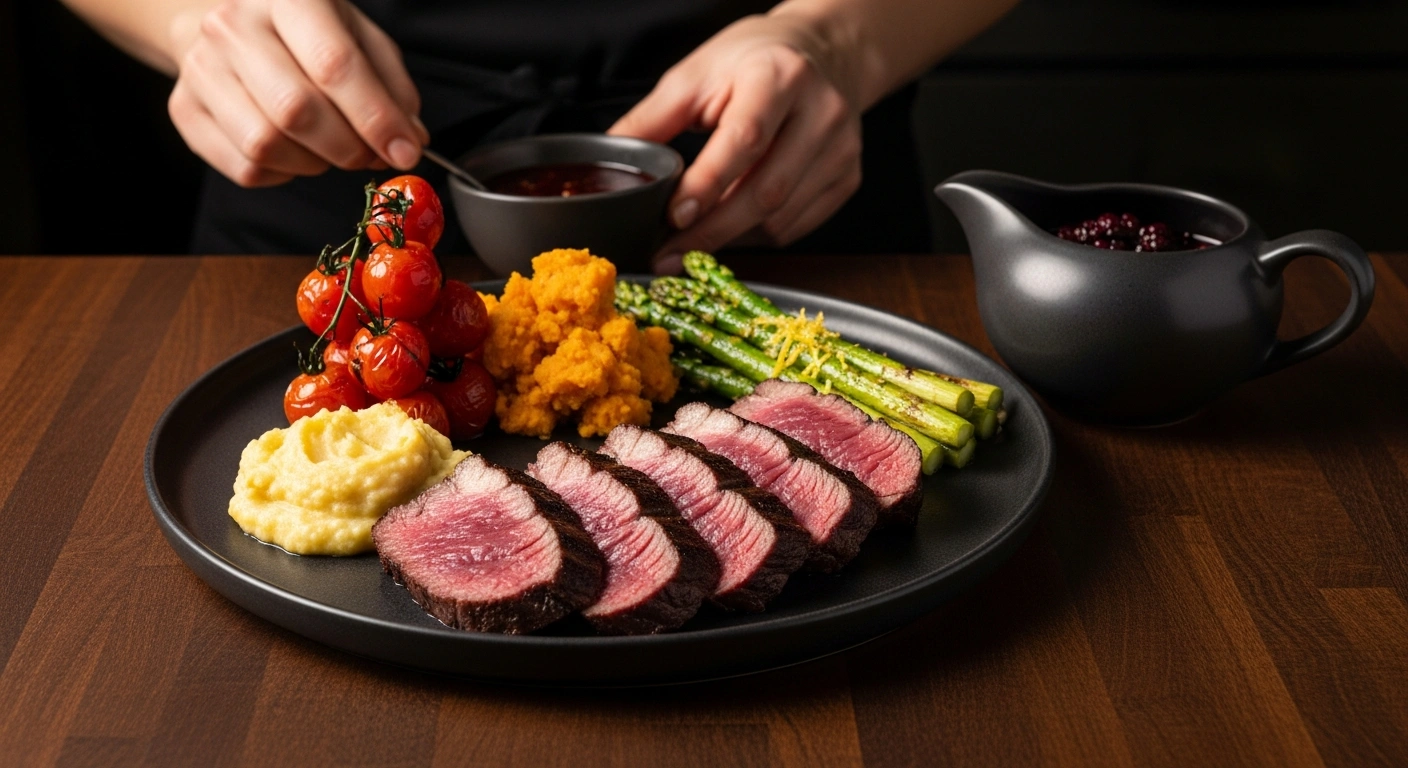
Emu meat is a lean red meat with a flavor similar to beef. It cooks fast — steaks need only 3–4 minutes per side in a hot skillet. Pull at 145°F for whole cuts and rest 3 minutes. Ground emu must reach 160°F. Because it is extremely lean, even one minute of overcooking will dry it out.
Emu Meat Recipes — What You Need to Know First
Emu meat recipes are gaining popularity among health-conscious cooks looking for something beyond the usual beef or chicken. The emu is a large flightless bird native to Australia, but emu farms are now operating across the United States, making this specialty meat increasingly available for adventurous home cooks.
Despite coming from a bird, emu is classified as a red meat by the USDA — its muscle structure, color, and iron content are far closer to beef than to poultry. It is exceptionally lean, protein-dense, and rich in omega-3 fatty acids, making it one of the most nutritious red meats available.
This guide covers everything you need: what emu tastes like, the best cuts to buy, how to cook emu properly, and a complete pan-seared emu steak recipe with step-by-step photos. For safe temperature guidance, see the USDA safe minimum internal temperature chart.
What Is Emu Meat?
Emu meat comes from the emu, a large flightless bird that can weigh over 130 pounds. The meat is deep red in color when raw — darker than beef — and turns a brownish-red when cooked. It has a rich, savory flavor with a mild gamey note, which many people describe as leaner, cleaner beef.
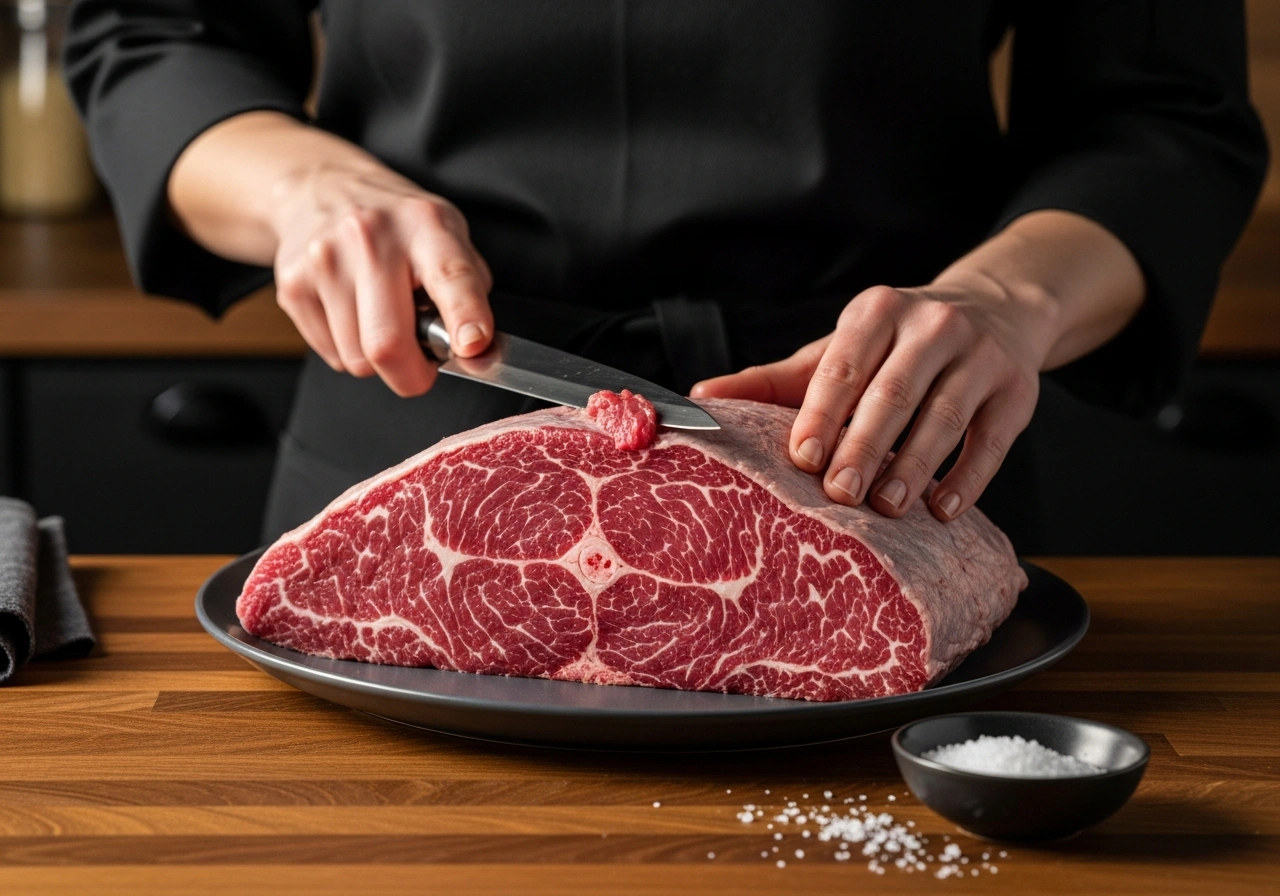
The leanness of emu meat is both its greatest asset and its biggest cooking challenge. With very little intramuscular fat, it has no built-in buffer against overcooking. A steak that hits 165°F will be noticeably dry and tough. Cook it like you would cook lean beef — hot, fast, and no further than medium.
Emu Nutritional Highlights
| Nutrient | Emu (per 100g) | Lean Beef (per 100g) | Chicken Breast (per 100g) |
|---|---|---|---|
| Calories | 132 kcal | 215 kcal | 165 kcal |
| Protein | 22g | 26g | 31g |
| Total Fat | 4.2g | 11g | 3.6g |
| Iron | 3.2mg | 2.7mg | 0.7mg |
| Omega-3 | High | Low | Very Low |
Best Emu Cuts to Cook With
Emu yields several distinct cuts, each suited to different cooking methods. Understanding which cut you have is the most important step before you start cooking.
| Cut | Location | Best Method | Flavor |
|---|---|---|---|
| Fan Fillet | Inner thigh | Pan-sear, grill | Tender, mild, most prized |
| Drum (Emu Leg Meat) | Upper leg | Braise, slow cook | Rich, fibrous, deep flavor |
| Flat (Oyster) | Hip area | Pan-sear, stir-fry | Tender, similar to fan fillet |
| Ground Emu | Mixed cuts | Skillet, burgers, tacos | Lean, versatile |
| Neck / Secondary Cuts | Various | Slow braise | Tough, collagen-rich |
The fan fillet is the premium cut — it is the most tender and the best choice for first-time emu cooks. The emu leg meat (drum) is excellent for slow braises and stews, similar in approach to beef short ribs. If you are experimenting with ground emu, any recipe that calls for lean ground beef will work — try our easy ground beef taco recipe as a direct substitution.
How to Cook Emu Meat
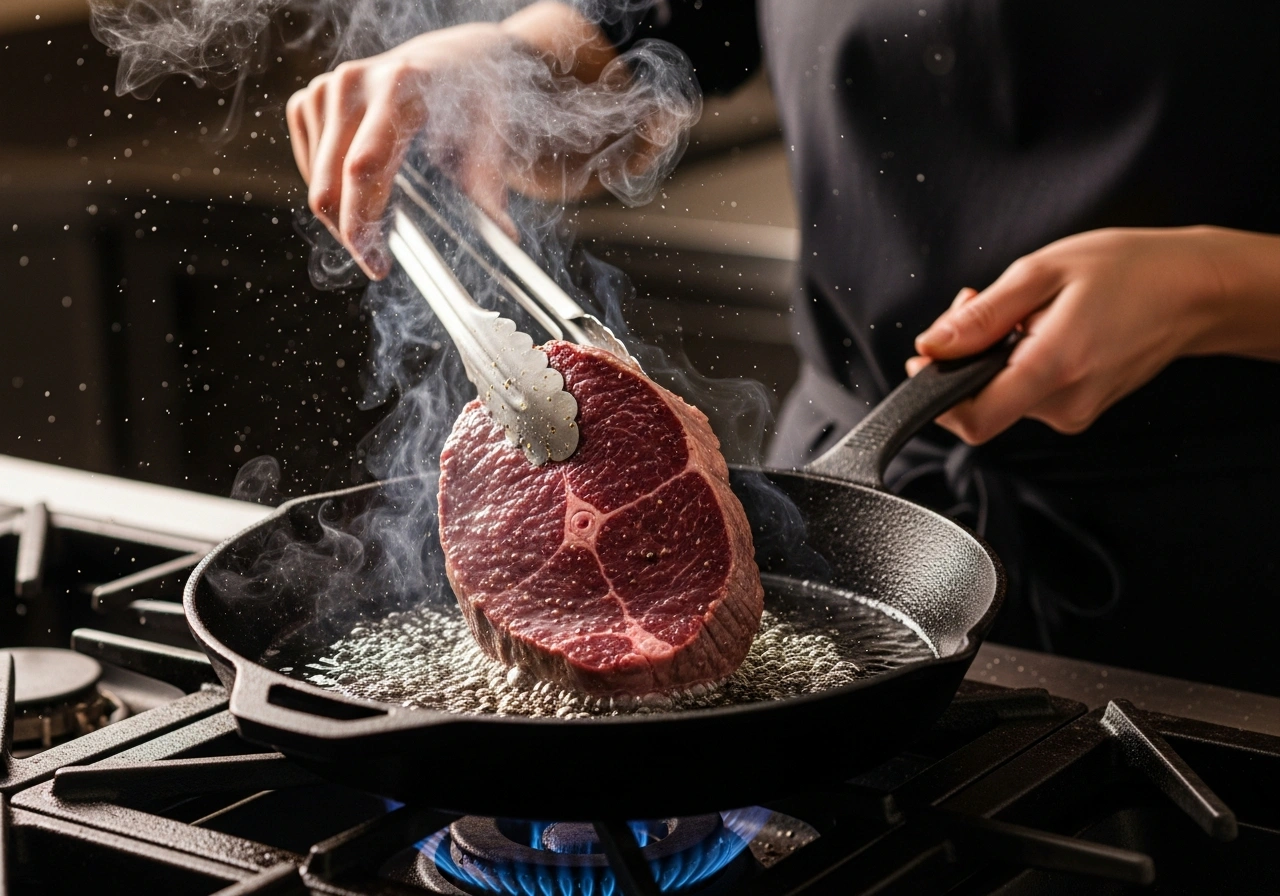
🔥 Pan-Searing (Best for Fan Fillet & Flat)
A screaming-hot cast-iron skillet is the best tool for emu steak. High heat creates a crust quickly and drives the interior to temperature before the outer layers have time to overcook. Use a small amount of oil, sear 3–4 minutes per side, and pull at 145°F. Rest 5 minutes before slicing.
🏪 Grilling
Emu steaks grill well over direct high heat. Oil the grates and the steak, grill 3–4 minutes per side, and move to indirect heat if needed to finish without burning. The timing parallels steak grilling — our steak grilling timing guide applies here with a 15–20% reduction in target temperature tolerance.
🥤 Slow Braising (Best for Emu Leg Meat)
Emu leg meat and drum cuts are tough and fibrous. They respond beautifully to low-and-slow braising in red wine, stock, and aromatics — 3 to 4 hours at 300°F produces pull-apart, deeply flavored results. This is the most forgiving method for emu because the braising liquid prevents the meat from drying out. If you want to understand the braising approach for tough cuts, our guide to cooking tough cuts for tender results covers the same principles.
🍳 Ground Emu
Ground emu behaves like very lean ground beef in a skillet. Cook over medium heat, breaking apart as it cooks, and pull at 160°F. It will cook faster than 80/20 ground beef because of its low fat content. Avoid high heat or it will crumble and dry out.
🦓 Pan-Seared Emu Steak — Classic Method
Ingredients
Instructions
- Remove emu steaks from the refrigerator 20 minutes before cooking. Pat completely dry with paper towels — surface moisture prevents crust formation.
- Season both sides generously with kosher salt and black pepper. Do not over-season — emu has a clean flavor that needs room to show.
- Heat a cast-iron skillet over high heat for 3 minutes until smoking. Add olive oil and swirl to coat.
- Place steaks in the pan. Do not touch for 3–4 minutes. The steak will tell you when to flip — it will release naturally from the pan once the crust is formed.
- Flip once. Add crushed garlic, rosemary sprigs, and butter to the pan. Tilt the pan and baste continuously with the melted butter for the remaining 2–4 minutes.
- Check temperature: pull at 145°F for medium-rare. Emu at 160°F+ will be noticeably dry. Rest on a wire rack for 5 minutes before slicing against the grain.
⚠️ Per the USDA safe temperature chart, whole-cut ratite meats (including emu) should reach 145°F with a 3-minute rest. Ground emu must reach 160°F.
Step-by-Step: Cooking Emu Steak
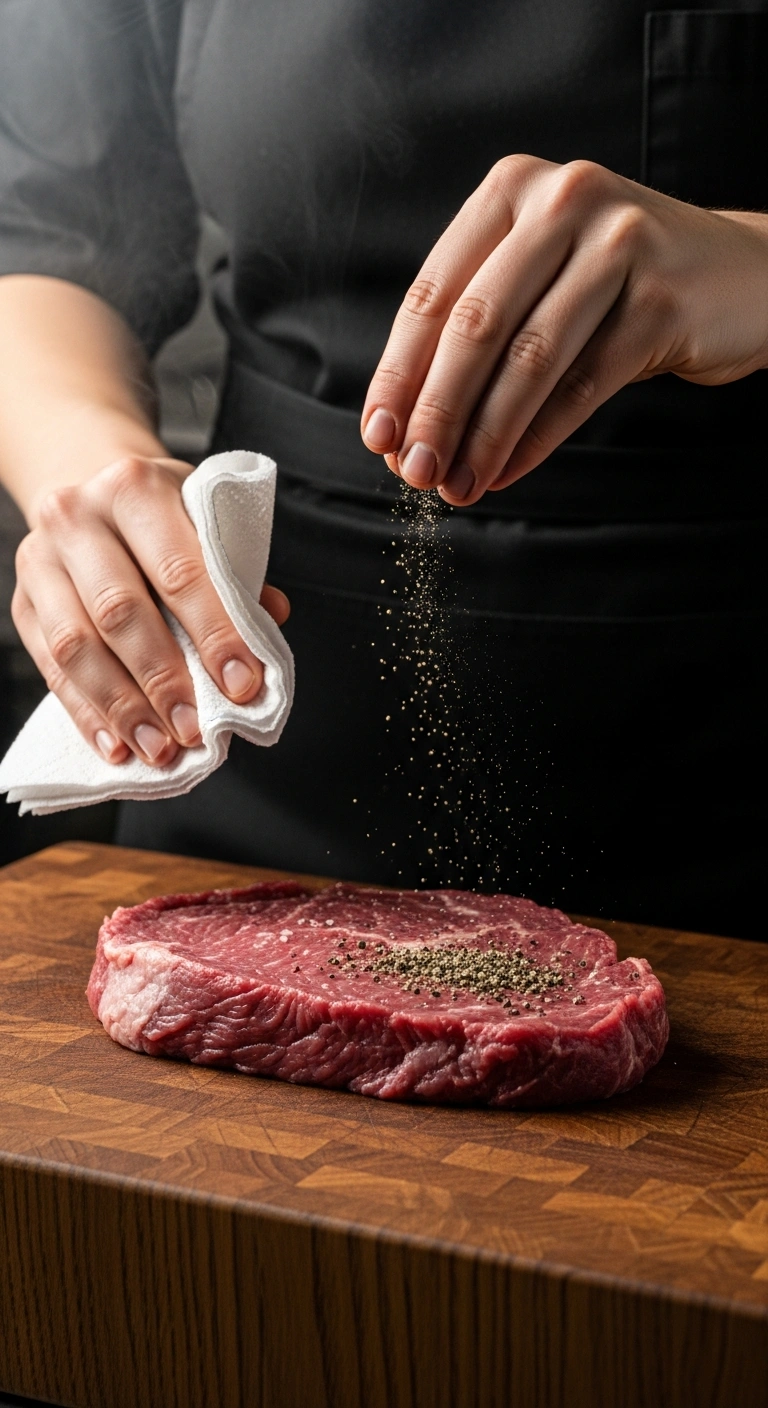
Pat Dry and Season
Pat the emu steaks completely dry before anything else. Surface moisture is the enemy of crust formation — wet meat steams instead of sears. Season both sides with salt and pepper and let the steaks sit at room temperature for 20 minutes. This helps them cook more evenly from edge to center. Because emu is so lean, seasoning well is especially important — the fat is not there to carry flavor the way it does in a ribeye.
Get the Pan Screaming Hot
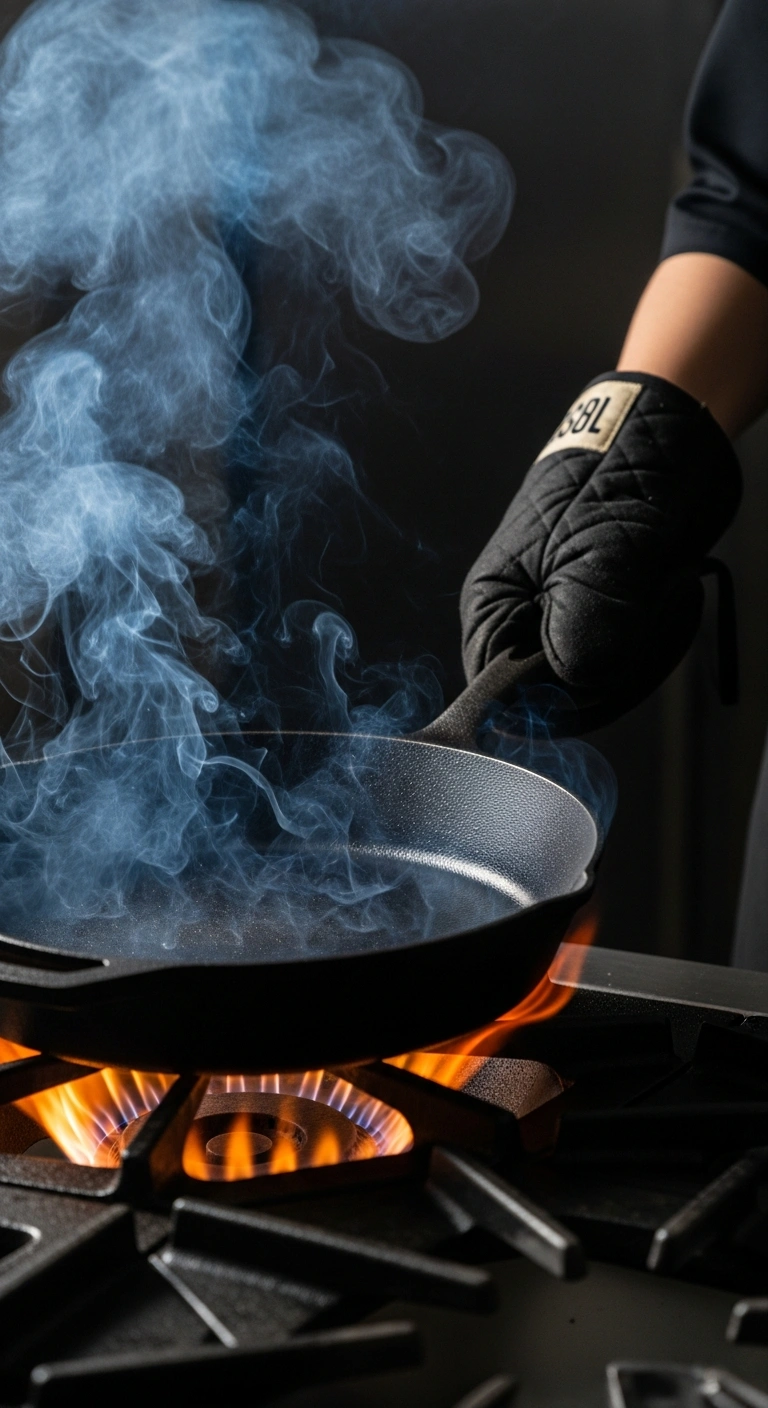
Heat the cast-iron over high heat for at least 3 full minutes before adding anything. The pan should be visibly smoking. This is non-negotiable for emu: lean meat added to a pan that isn’t hot enough will just stew in its own juices rather than sear. Add the oil at the last second before the steaks go in, swirl once, and place the meat immediately.
Sear Without Moving
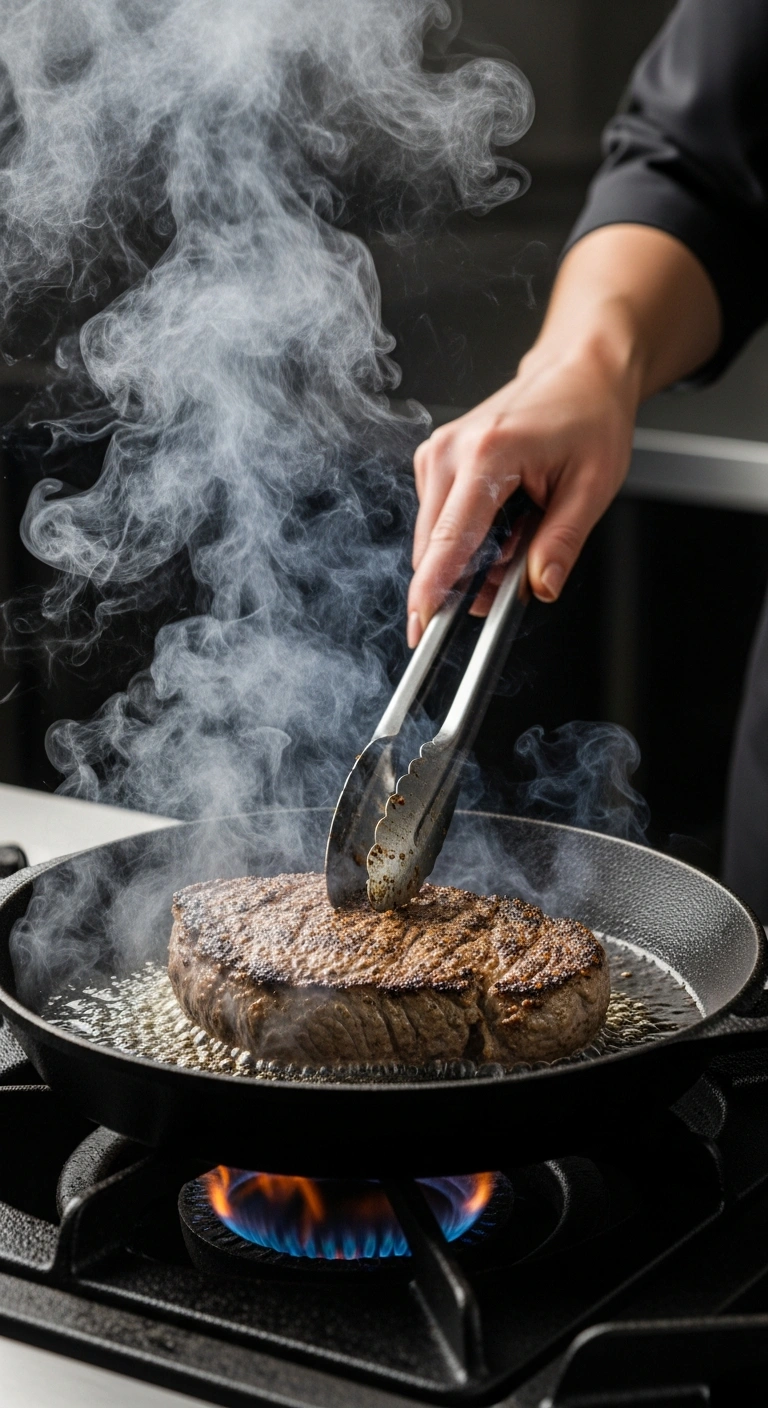
Once the steak goes in, leave it alone. Resist the urge to check, move, or press it down. The Maillard reaction needs uninterrupted contact between meat and metal to form the crust. After 3–4 minutes, the steak will naturally release from the pan — if it is still sticking, it is not ready. Flip once and repeat on the second side.
Baste with Butter and Aromatics
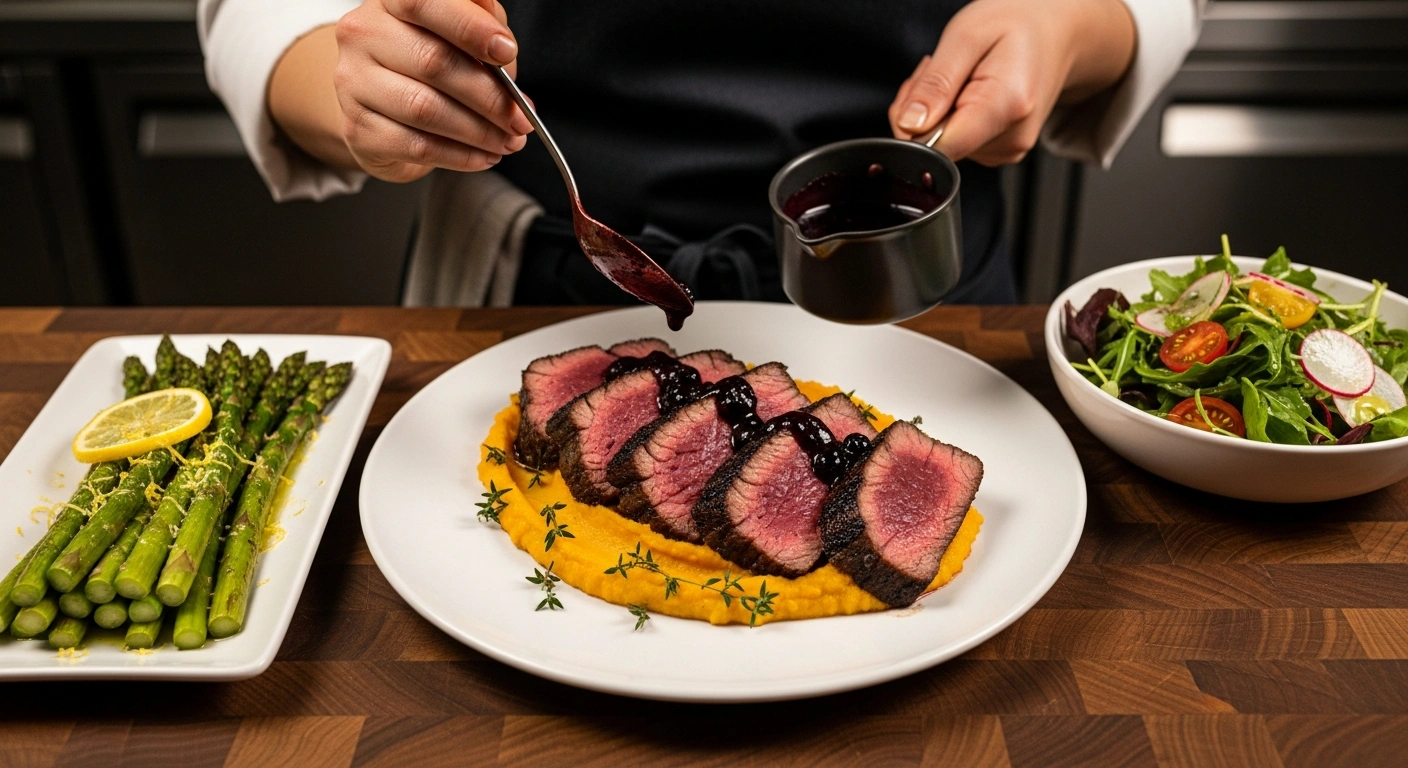
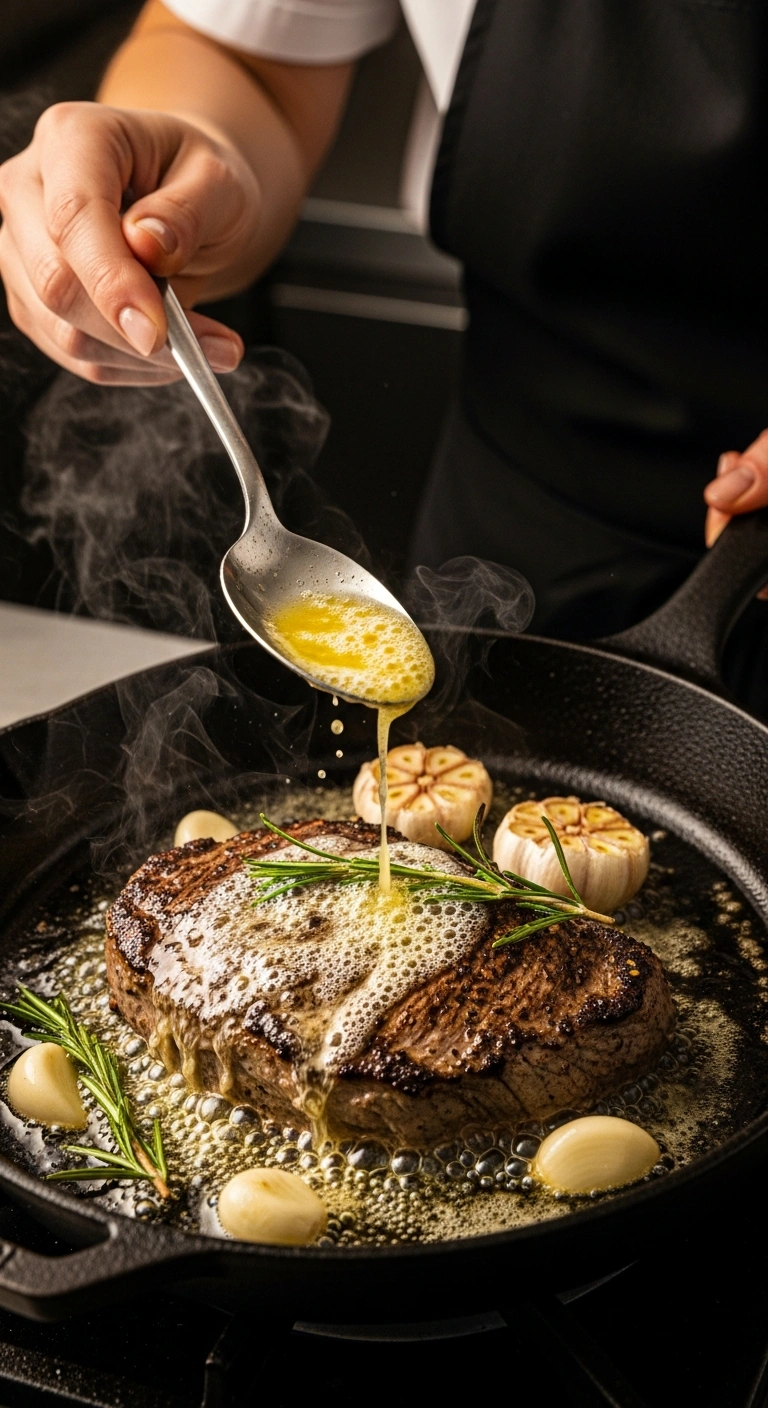
After flipping, reduce heat slightly to medium-high and add butter, crushed garlic, and rosemary to the pan. As the butter melts and foams, tilt the pan and use a spoon to continuously pour the aromatic butter over the top surface of the steak. This compensates for the low fat content of emu — you are adding richness and flavor from the outside. Baste every 15–20 seconds until the steak hits temperature.
Rest and Slice Against the Grain
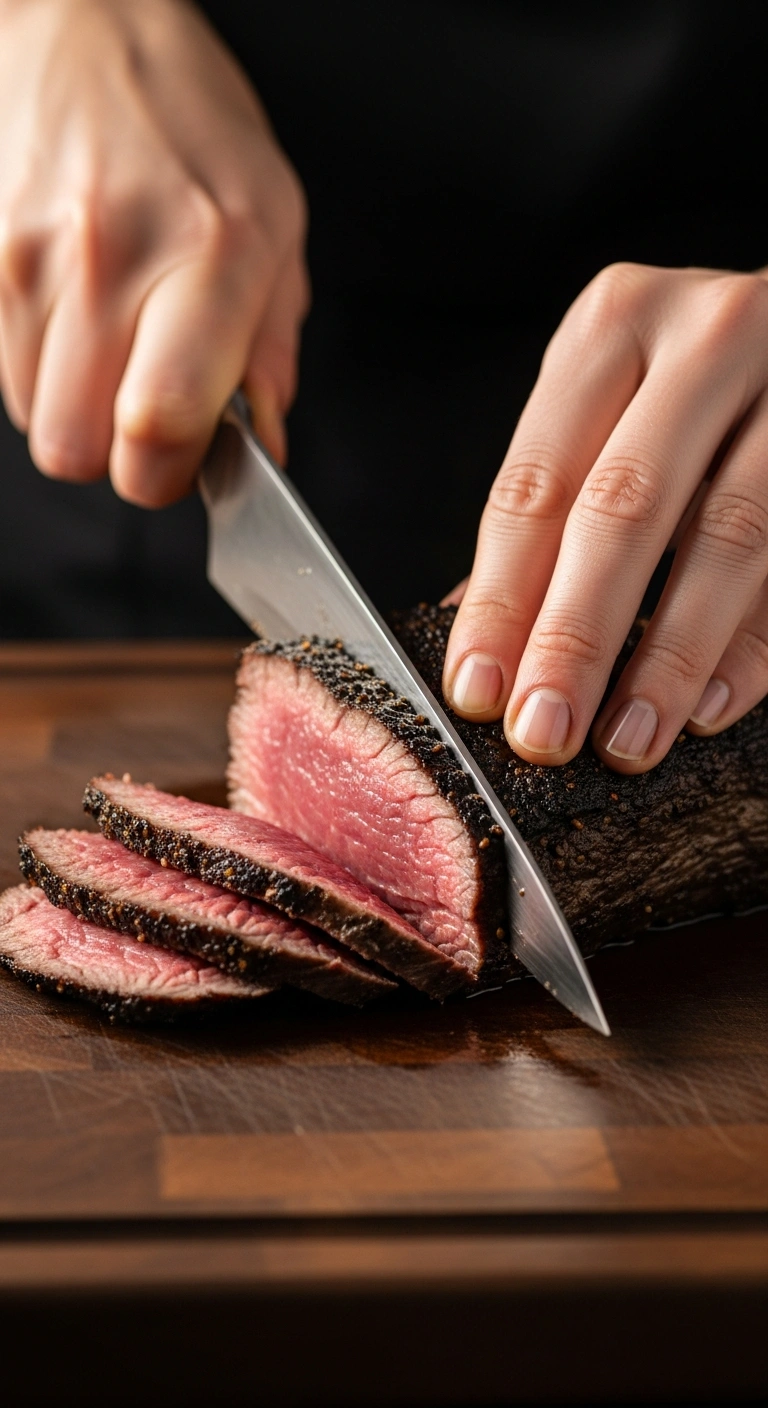
Transfer the steak to a wire rack — not a cutting board — and rest for 5 minutes uncovered. Temperature will rise another 5–7 degrees during this rest, so pull at 145°F and let it finish naturally. Slice against the grain in thin slices for maximum tenderness. The interior should be a deep pink-red at medium-rare, which is completely safe at 145°F. Serve immediately.
Expert Tips for Cooking Emu
Thermometer Is Essential
Emu has almost no fat margin. The window between perfect (145°F) and dry (165°F+) is about 60 seconds in a hot pan. A reliable instant-read thermometer is the only safe way to cook emu correctly.
Marinate for Extra Moisture
A 2–4 hour marinade in olive oil, acid (lemon juice or wine), and herbs adds flavor and helps retain surface moisture during cooking. Do not over-marinate — the lean muscle breaks down quickly in acidic marinades.
High Heat, Short Time
Emu steaks should not be cooked low and slow. High heat builds a crust fast and finishes the center quickly. A moderate-heat approach gives the outer layers time to overcook while waiting for the center to catch up.
Braise Leg Meat Low and Slow
Emu leg meat (drum) is a completely different animal from the fan fillet. It needs long, slow, wet heat to become tender. Treat it like beef short ribs — brown first, then braise in liquid for 3–4 hours at 300°F.
Pair with Bold Sides
The rich, beefy flavor of emu holds up well against assertive sides: roasted garlic mash, red wine reduction, chimichurri, or a sharp aged cheese. Mild sides let the meat flavor shine.
Ground Emu Needs Less Time
Ground emu cooks faster than ground beef due to its extremely low fat content. On medium heat it can be done in 5–7 minutes. Check temperature early and pull at exactly 160°F. Over-cooked ground emu becomes dry and grainy.
Storage, Reheating & Leftovers
Raw emu meat should be refrigerated and used within 2–3 days of purchase, or frozen for up to 6 months. Because it is so lean, it freezes exceptionally well with minimal texture loss — far better than fatty cuts. If you plan to cook it from frozen, our guide on cooking frozen meat safely covers the method and timing adjustments in full.
Cooked emu keeps in the refrigerator for 3–4 days in an airtight container. For storage timing guidance, the USDA leftovers and food safety page applies directly to cooked emu.
Reheating: Leftover emu steak reheats best in a 275°F oven until the internal temperature reaches 110–120°F, then seared 30–45 seconds per side in a hot pan to restore the crust. Microwaving dries it out significantly. Leftover ground emu reheats well in a skillet over medium with a splash of water or stock to prevent sticking. A great use for leftover ground emu: see our leftover taco meat recipes for creative ideas.
🔢 Nutrition Estimator
Estimate approximate calories, protein, and fat for emu and other specialty meats based on serving size.
Please enter a valid amount (1–9999).
Approximate values only. Not a substitute for professional dietary advice.
Frequently Asked Questions
Emu meat tastes similar to lean beef — rich, savory, and slightly gamey. The flavor is deeper than chicken or turkey but milder than venison. Many first-time emu cooks are surprised by how much it resembles high-quality lean beef.
Yes. Emu is one of the leanest red meats available — around 4g of fat per 100g, compared to 11g for lean sirloin. It is high in iron, omega-3 fatty acids, and protein, making it a strong nutritional choice for people seeking red meat alternatives.
Whole-cut emu steaks should reach 145°F with a 3-minute rest before serving. Ground emu must reach 160°F. Because emu is so lean, cooking beyond medium significantly dries the meat. Always use a thermometer — color is not a reliable indicator for emu.
Emu leg meat (drum) is tougher than the fan fillet. It has more connective tissue and benefits from long, slow braising — similar to beef short ribs or lamb shanks. Low-and-slow in liquid for 3–4 hours produces tender, pull-apart results with a deep, rich flavor.
Yes. Ground emu works as a direct substitute for lean ground beef in tacos, burgers, pasta sauces, and meatballs. It cooks faster due to its low fat content, so check temperature early and pull at 160°F. Avoid high heat — cook on medium and stir gently to prevent it from crumbling.
Emu meat is available at specialty butcher shops, some farmers markets, and directly from emu farms that ship frozen nationwide. It is not typically found in standard grocery stores. Search for “emu farm near me” or look for online specialty meat retailers that carry ratite meats.

💬 Reader Comments
2 CommentsNever thought I’d try emu but found it at a local farmers market and figured why not. Followed this method exactly and it tasted just like a lean steak — I was genuinely surprised. Pulled it at 145°F and it was still juicy. Definitely buying again.

Used ground emu in tacos instead of ground beef and my family couldn’t tell the difference. So much lighter than regular beef. Will definitely make it a regular swap.