
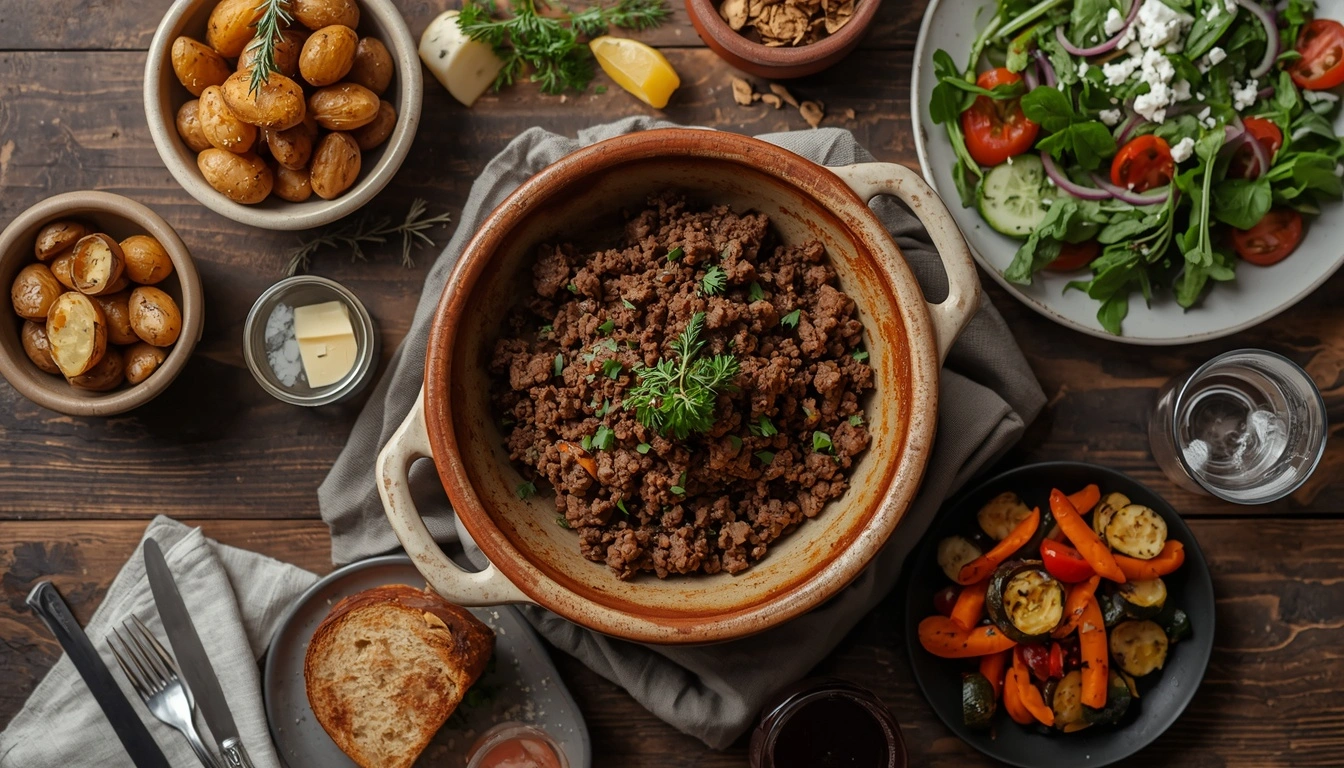
Ground Bison: Lean, Bold, and Delicious
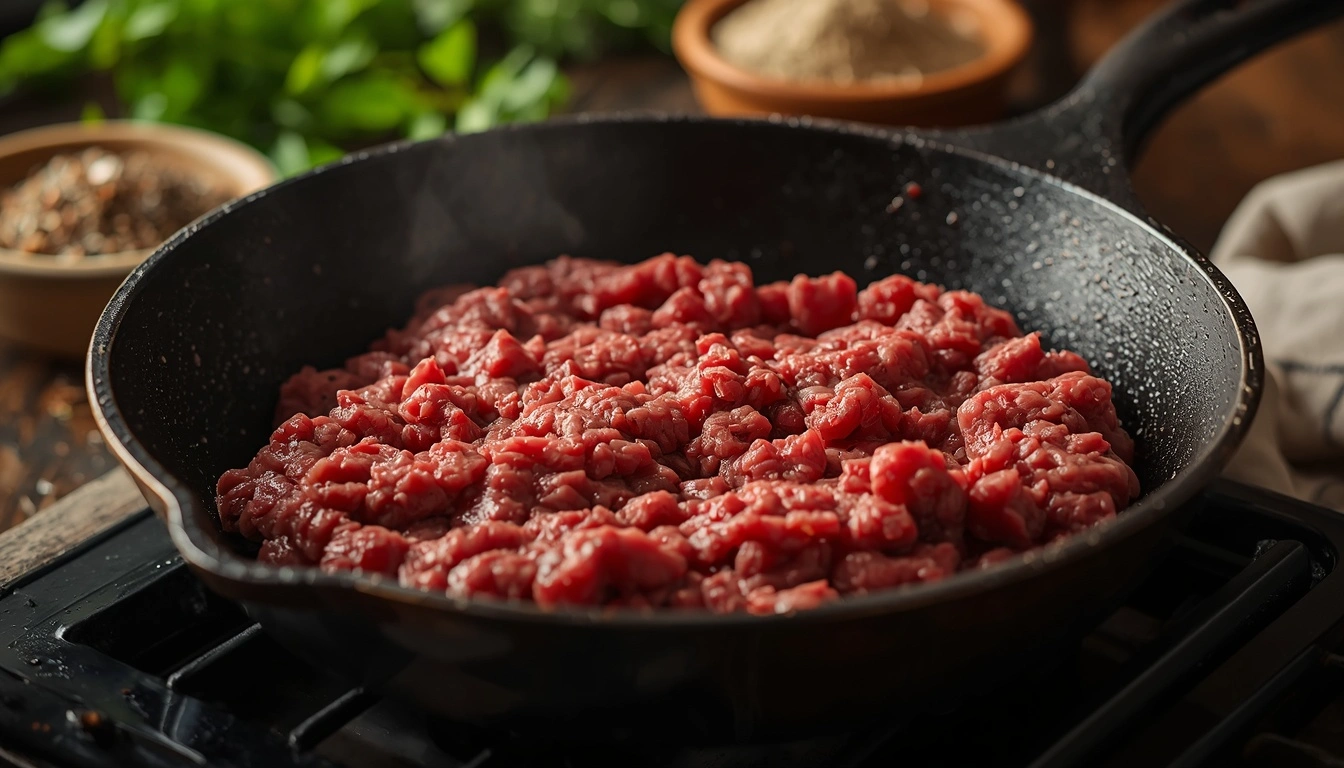
Ground Bison: The Practical Short Answer
Ground bison is lean red meat with a clean, slightly sweet, beef-like flavor. It works in many places where you would normally use ground beef, but it needs gentler handling because it has less fat and can dry out if you cook it too hard or too long.
The easiest way to cook ground bison is in a hot skillet with a little oil, light seasoning, and enough moisture to keep the meat tender. For safety, cook raw ground bison to 160°F as measured with a food thermometer.
What Is Ground Bison?
Ground bison is bison meat that has been minced or ground, usually sold in one-pound packages. It is often marketed as a lean alternative to ground beef, with a stronger red-meat character than ground turkey or chicken but less richness than fatty beef.
In many American recipes and grocery stores, you may also see the phrase ground buffalo. In everyday cooking, that usually means bison, but technically bison and true buffalo are different animals. If the label says buffalo, check whether the package means American bison or another type of buffalo meat.
If you already cook with lean beef, ground bison will feel familiar. For a close comparison, see this guide to grass fed ground beef, which has similar lean-meat cooking concerns.
What Does Ground Bison Taste Like?
Ground bison tastes bold but not heavy. It has a clean red-meat flavor, mild natural sweetness, and less greasy richness than many ground beef blends. That makes it useful when you want a strong meat flavor without a lot of rendered fat in the pan.
Use gentle mixing and avoid pressing the patties hard while cooking.
Ground bison takes taco seasoning well and works with salsa or broth to stay juicy.
Its clean flavor holds up well with beans, tomatoes, chiles, and smoky spices.
Brown it gently, then simmer it into tomato sauce instead of cooking it dry.
Ground Bison Price and Where to Buy It
Ground bison usually costs more than regular ground beef because the supply is smaller, the meat is often sold through specialty channels, and many packages are marketed as grass-fed, pasture-raised, or ranch-direct. Prices change by region, quality level, seller, package size, shipping, and whether the meat is fresh or frozen.
As a practical estimate, U.S. shoppers may often see ground bison around $10–$16 per pound, with online specialty orders sometimes higher after packaging or shipping. In Canada, specialty listings commonly fall around CAD $30–$45 per kilogram. In Australia, ground bison is much less common, so exact pricing is harder to generalize; check specialty game butchers or imported meat sellers and confirm that the product is American bison, not water buffalo.
| Region | Where to Look | Useful Buying Notes | Example Links |
|---|---|---|---|
| United States | Specialty butchers, some supermarkets, ranch-direct sellers, and online meat retailers | Look for lean percentage, grass-fed claims, frozen shipping details, and one-pound pack size. | ButcherBox ground bison |
| United States comparison options | Premium beef retailers when ground bison is unavailable | These are not always ground bison sources. Use them to compare premium ground beef options if bison is out of stock. | Porter Road dry aged ground beef, Snake River Farms ground beef, Flannery Beef ground beef |
| Canada | Canadian bison ranches, specialty butchers, and online meat shops | Prices are often listed per pound or kilogram. Check local pickup, frozen delivery, and minimum order rules. | Urban Butcher ground bison, AgriTech North ground bison |
| Australia | Specialty game butchers, imported meat sellers, and occasional marketplace listings | Availability is limited. Ask specifically for American bison, because “buffalo” in Australia can mean water buffalo. | Imported ground bison marketplace listing |
This section is buying guidance, not a requirement. Compare local butchers, grocery stores, ranch-direct suppliers, and online sellers before choosing what fits your budget and cooking plans.
How to Cook Ground Bison Without Drying It Out
The main rule is simple: treat ground bison like lean meat. Add a small amount of fat, use medium to medium-high heat, avoid overworking it, and do not keep cooking after it is safely done. If the pan gets dry, add a splash of broth, water, sauce, or salsa instead of pushing the meat harder.
| Method | Best Use | Approximate Time | Key Tip |
|---|---|---|---|
| Skillet crumbles | Tacos, bowls, pasta sauce, chili base | 6–8 minutes | Use a little oil and stop at 160°F. |
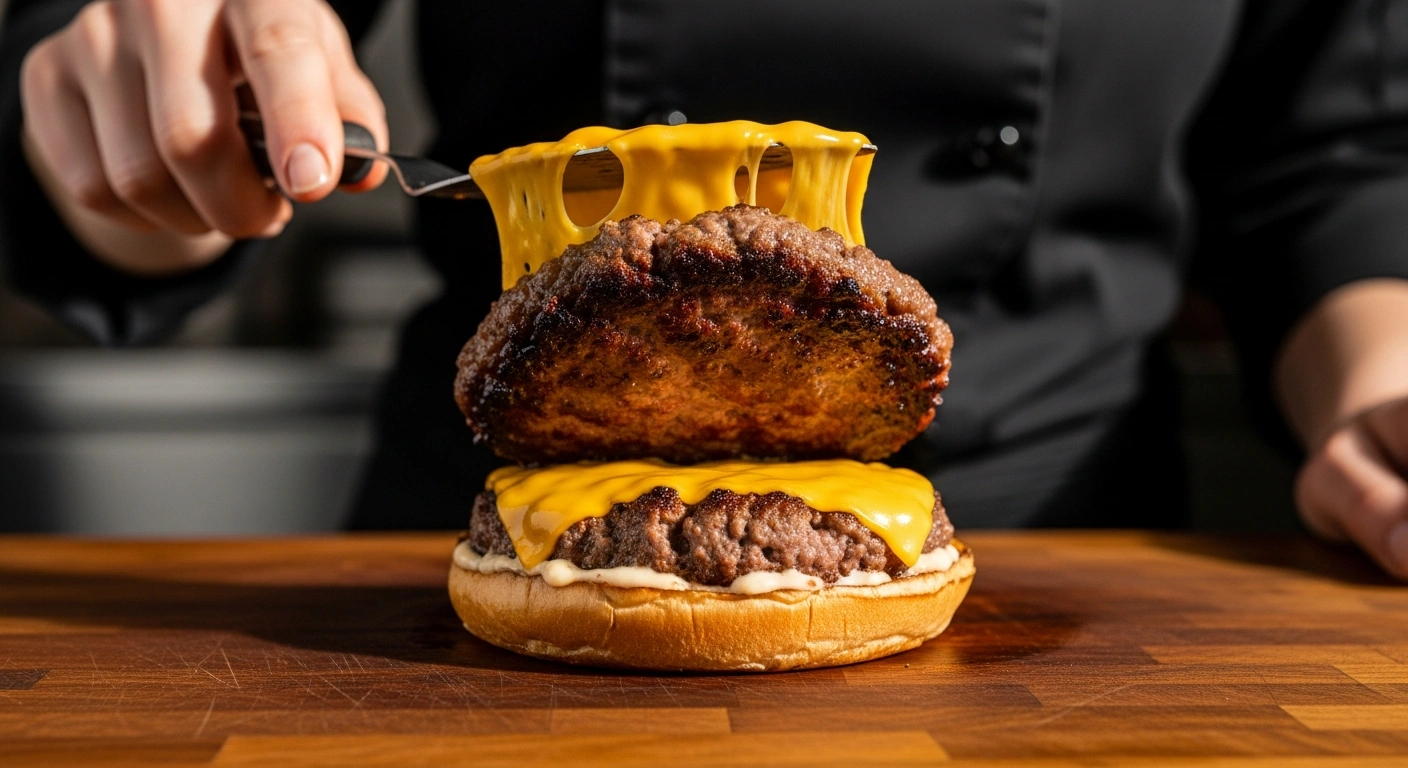
| Bison burgers | Burger night, grill meals | Usually 4–5 minutes per side depending on thickness | Do not press the patties; moisture matters. |
| Meatballs | Pasta, meal prep, appetizers | Depends on size and cooking method | Add egg, breadcrumbs, or grated onion for tenderness. |
| Chili or sauce | Slow simmered meals | Brown first, then simmer gently | Let the sauce provide moisture after browning. |
For ground bison burgers, the same planning logic used for beef burgers still helps. This guide to how long to grill burgers at 400°F can help with timing, but keep the bison-specific leanness in mind.
A reliable instant-read thermometer is useful because ground meat color can mislead you.
Video: Ground Bison Cooking Reference
Use this video as a visual reference for cooking ground bison. The method in this article still comes down to the same practical points: add a little fat, season clearly, avoid overcooking, and check safe doneness.
Recipe Block: Simple Skillet Ground Bison
This is a flexible master method for tacos, bowls, chili, pasta sauce, stuffed peppers, and easy weeknight ground bison recipes.
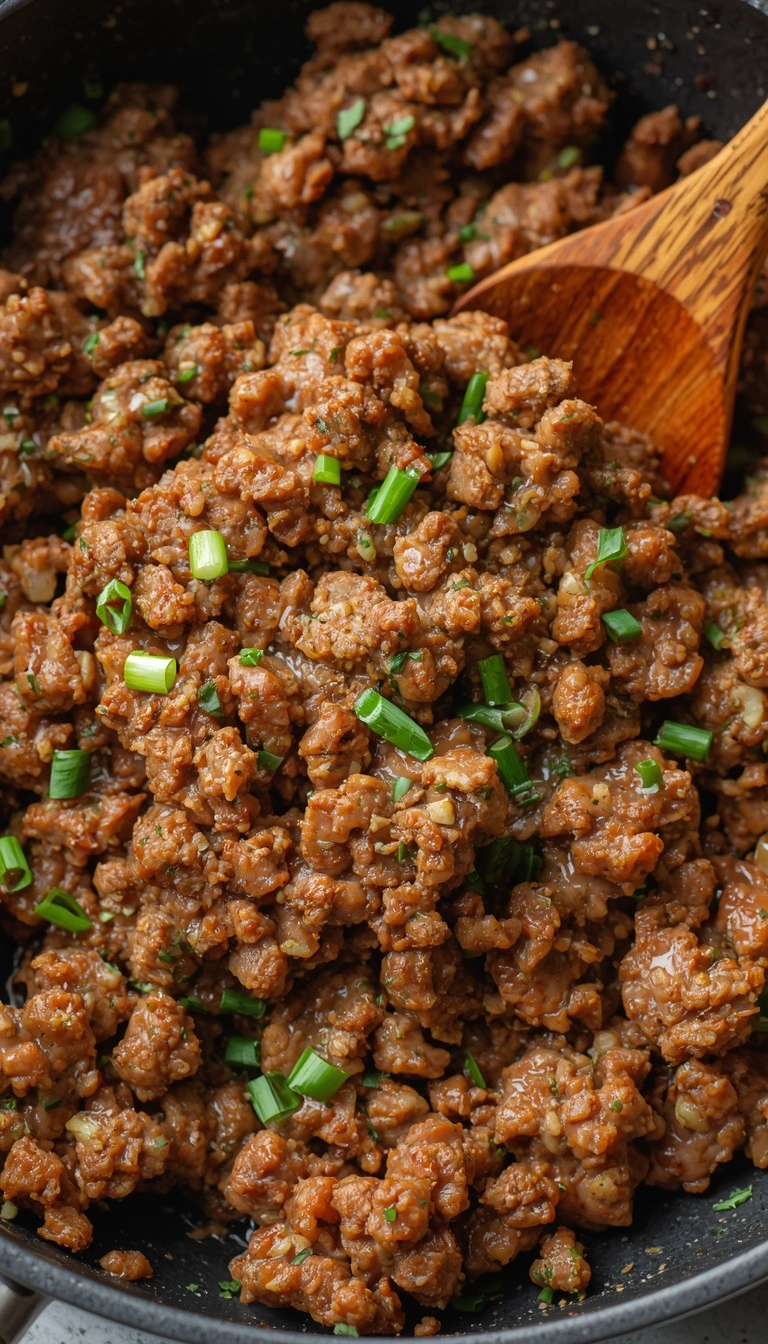
Best use: Serve this ground bison in tacos, rice bowls, lettuce cups, chili, tomato sauce, stuffed sweet potatoes, or meal-prep containers.
Ingredients
Ground bison
1 lb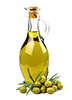 Olive oil
1 tsp
Olive oil
1 tsp Kosher salt
¾ tsp
Kosher salt
¾ tsp Garlic powder
½ tsp
Garlic powder
½ tsp Onion powder
½ tsp
Onion powder
½ tsp Smoked paprika
½ tsp
Smoked paprika
½ tsp Black pepper
¼ tsp
Black pepper
¼ tsp Broth or water
2 tbsp
Broth or water
2 tbspStep-by-Step: How to Cook Ground Bison
This method is written for skillet crumbles, the most flexible starting point for ground bison meat recipes. The same principles apply to tacos, chili, rice bowls, and pasta sauce.
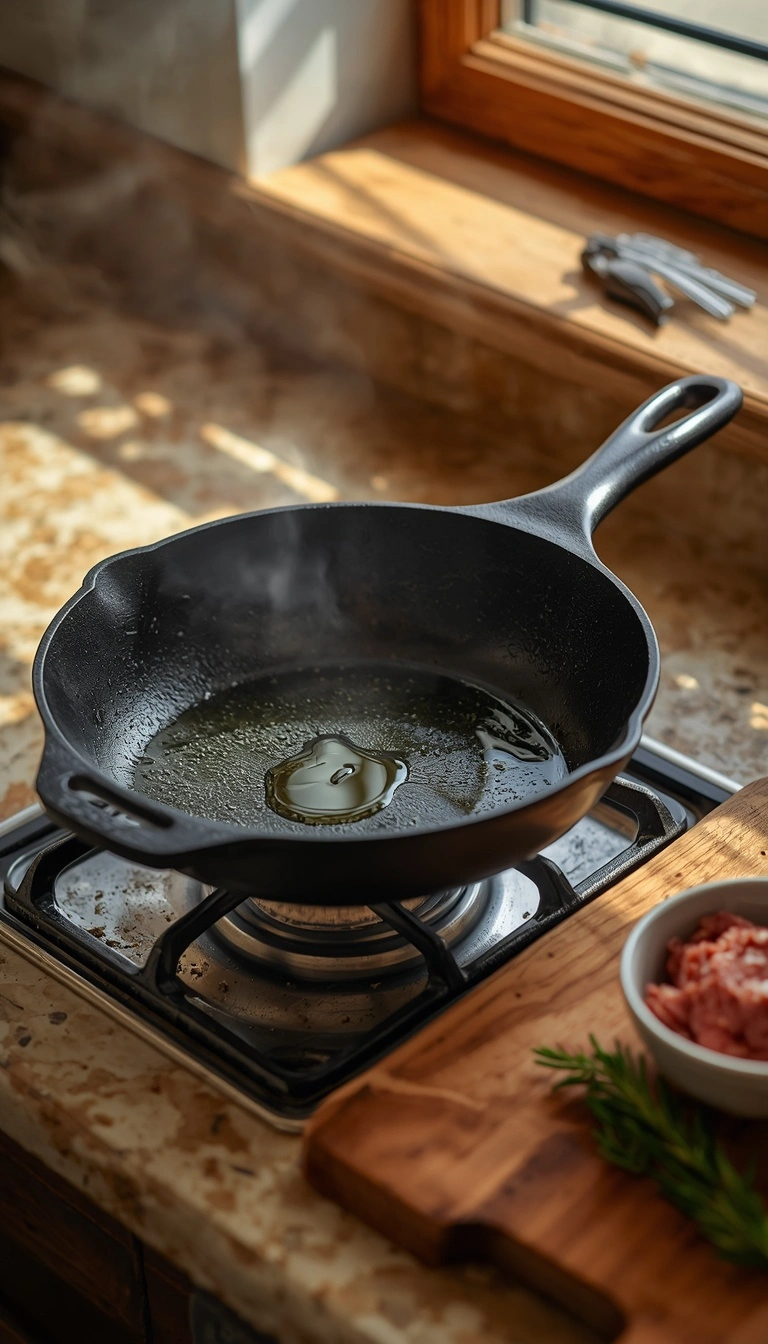
Warm the skillet with a little oil
Heat a heavy skillet over medium-high heat. Add one teaspoon of olive oil or avocado oil. Ground bison is lean, so this small amount of fat helps browning and reduces the risk of a dry finish.
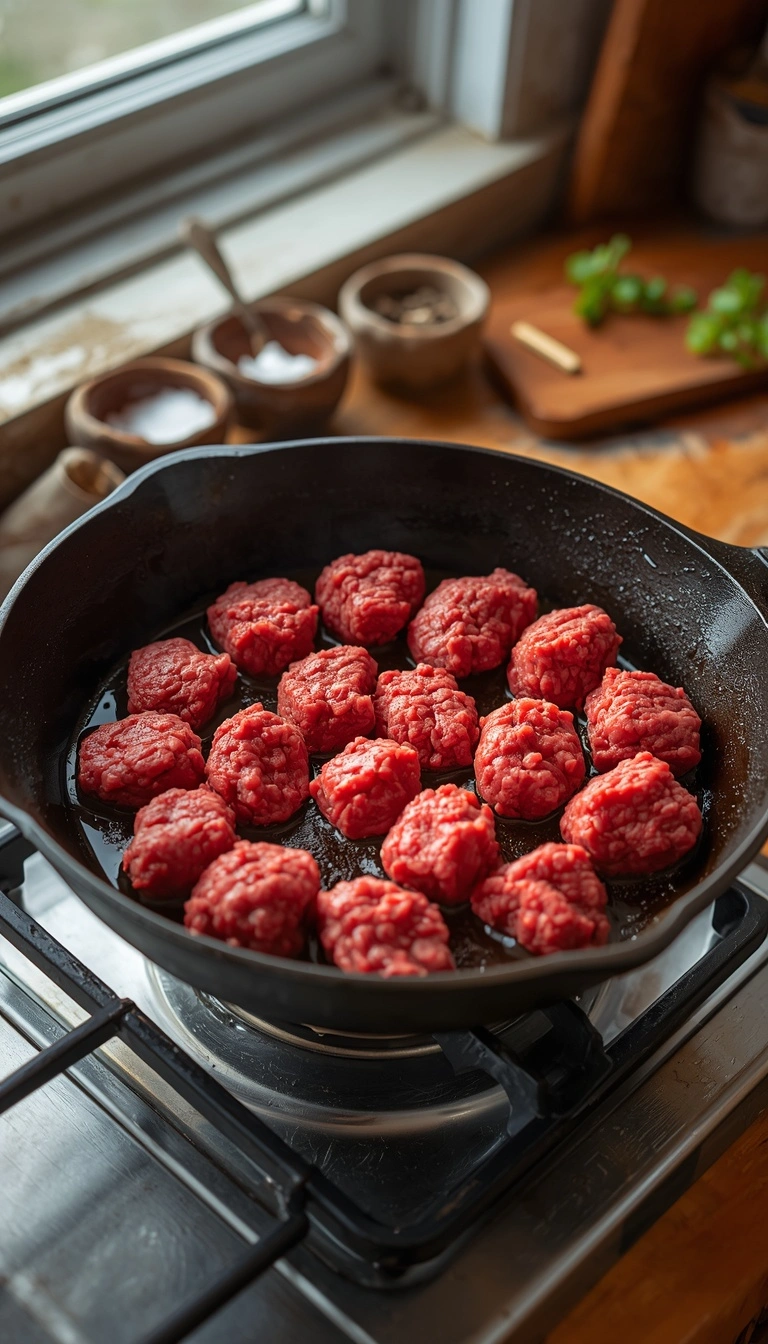
Add the ground bison and let it brown
Add the meat in a loose layer and let it sit for a short moment before stirring. This gives the bison better contact with the pan and builds flavor before you break it into crumbles.
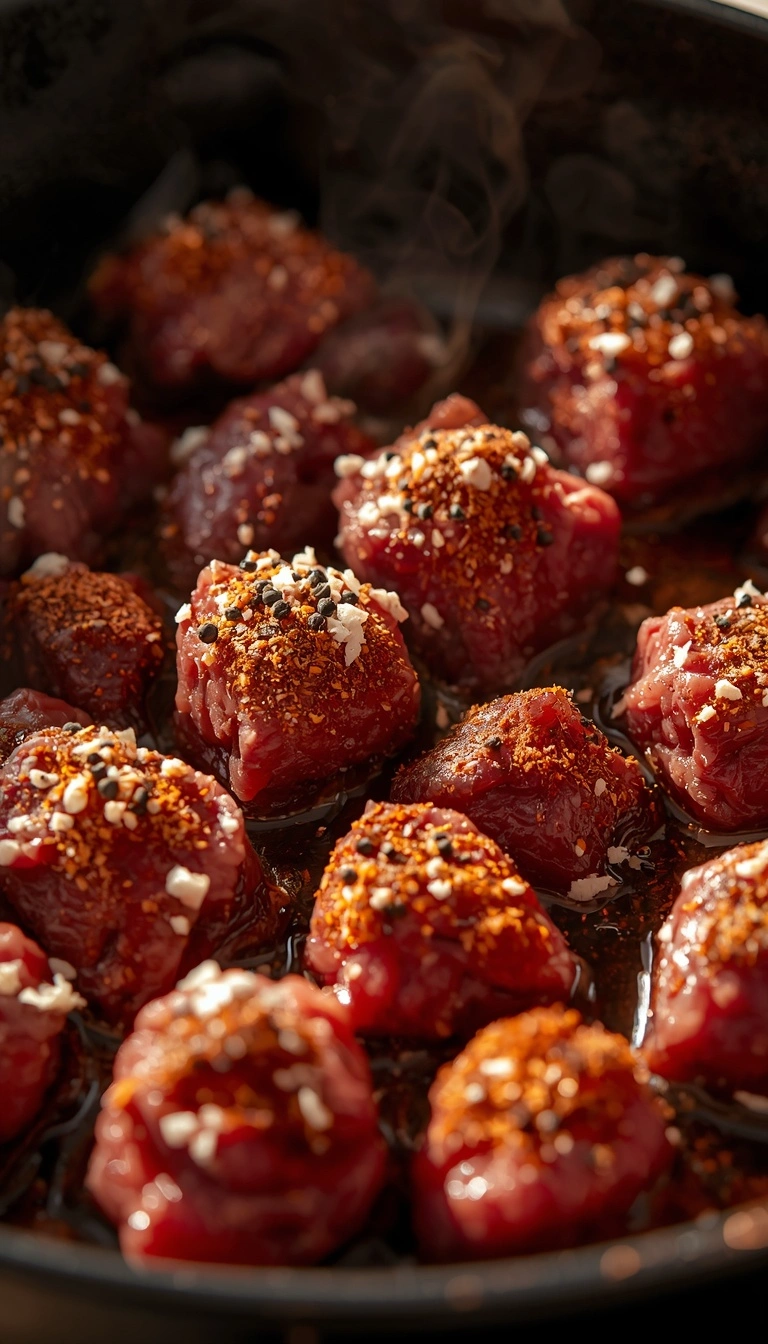
Season without overpowering the meat
Add salt, garlic powder, onion powder, smoked paprika, and black pepper. Ground bison has a stronger flavor than many lean meats, so the seasoning should support it rather than cover it.
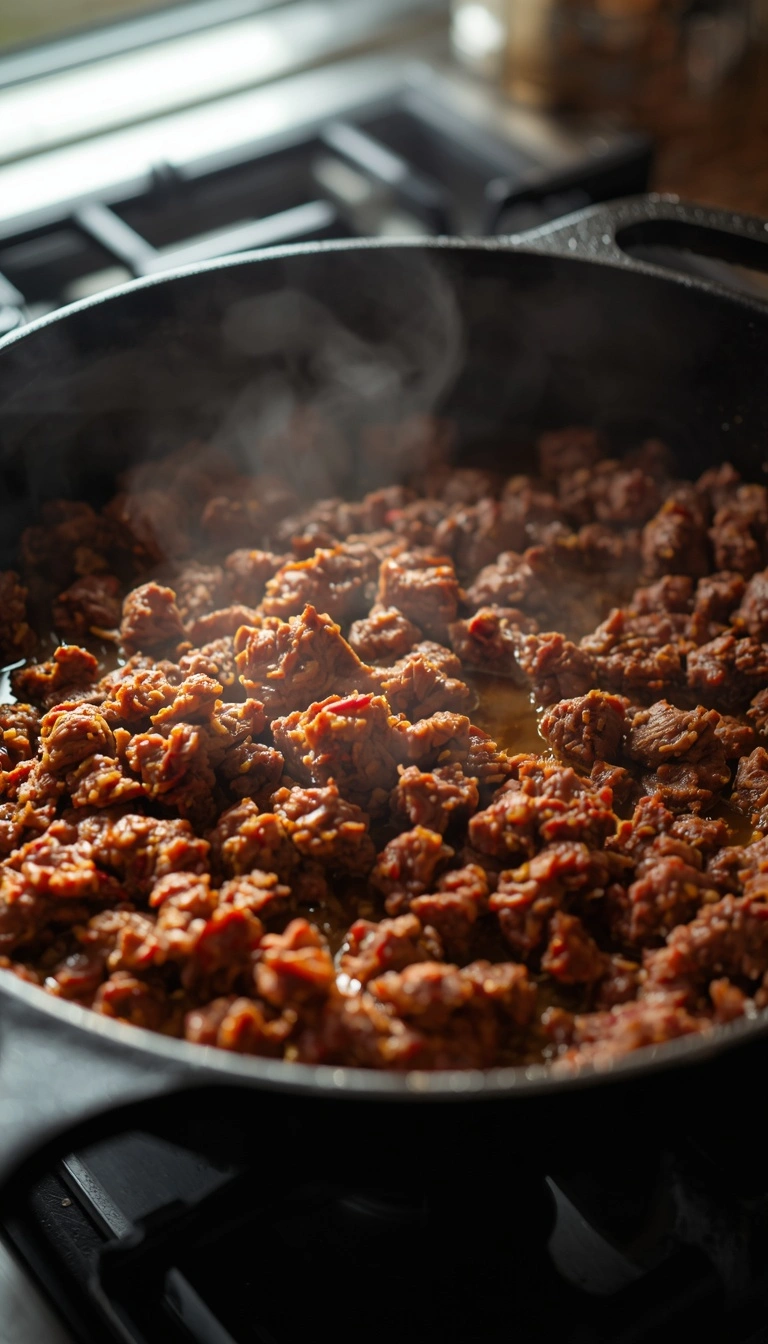
Cook until 160°F
Cook for about 6 to 8 minutes, breaking the meat into small pieces. Add broth or water if the pan looks dry. The meat should reach 160°F for safety.
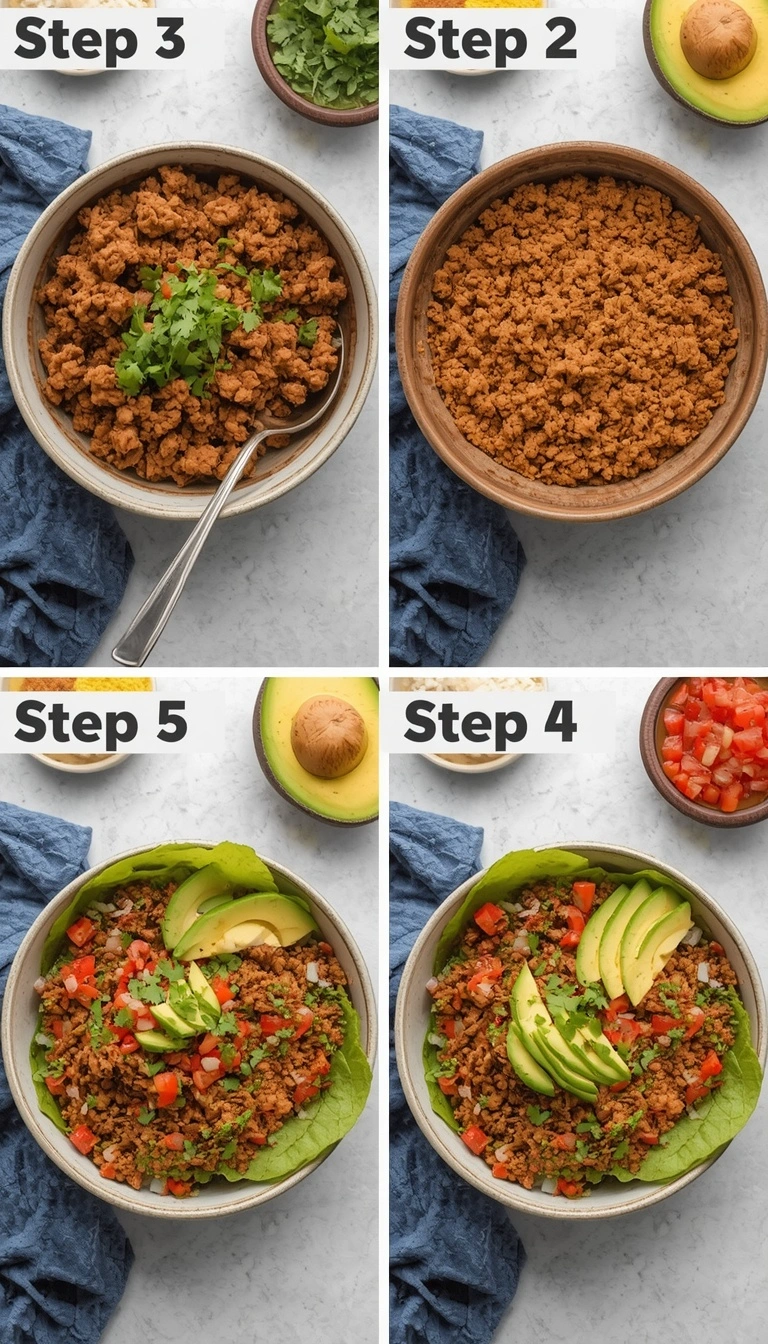
Rest briefly and use it right away
Turn off the heat and let the bison sit for 2 minutes. Use it in tacos, bowls, chili, pasta sauce, or lettuce wraps while it is still warm and juicy.
Ground Bison Recipes That Make Sense
The best ground bison recipes use enough moisture, sauce, or gentle fat to balance the meat’s leanness. You do not need complicated flavors; you just need a method that does not dry it out.
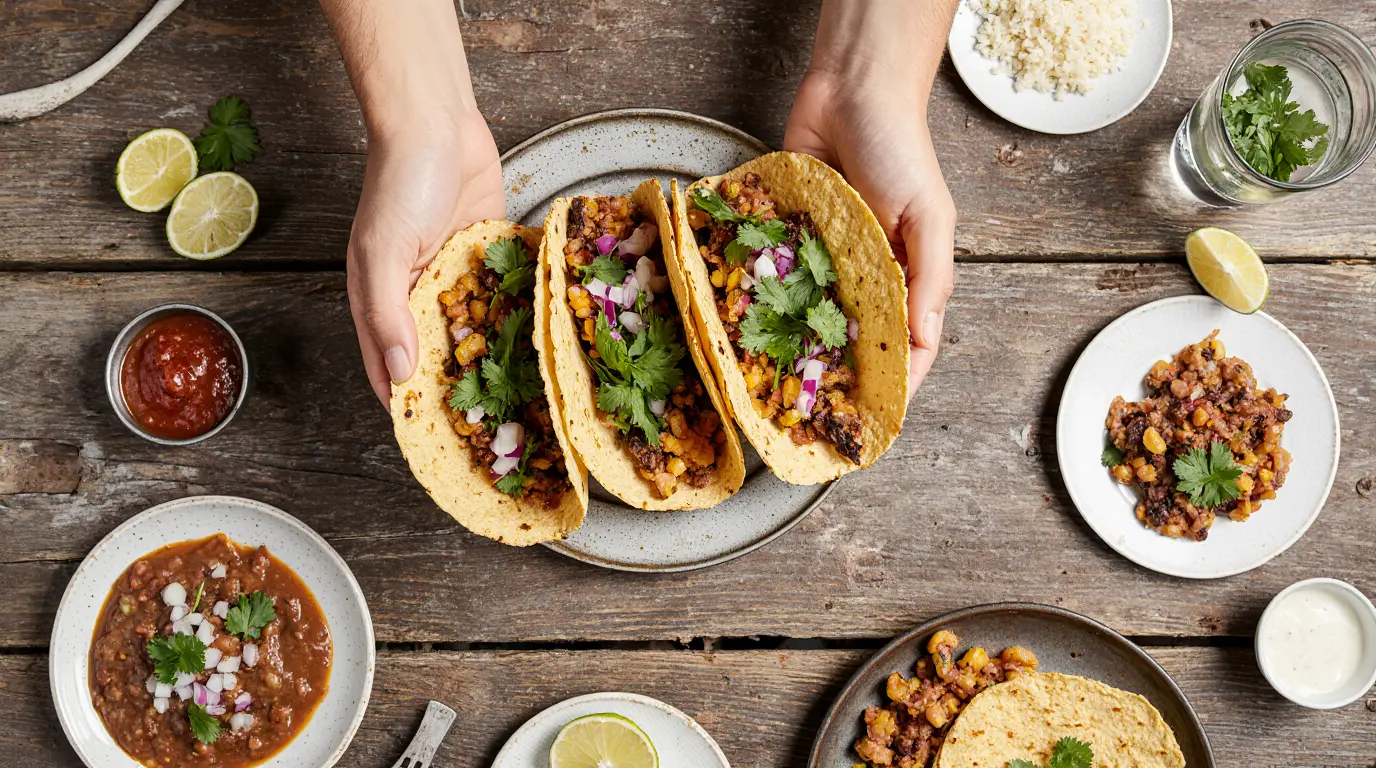
- Ground bison tacos: cook the bison with taco seasoning and a splash of broth or salsa. For a familiar taco base, compare it with this easy ground beef taco recipe.
- Bison chili: brown the meat gently, then simmer it with tomatoes, beans, chiles, and spices.
- Bison burger bowls: serve cooked bison over rice, potatoes, salad greens, or roasted vegetables.
- Bison pasta sauce: brown the meat lightly, then finish it in tomato sauce so it stays moist.
- Bison leftovers: use extra cooked bison in stuffed peppers, breakfast hash, nachos, or taco salads. For ideas, see these leftover taco meat recipes.
Common Ground Bison Mistakes
- Cooking it like fatty beef: bison is leaner, so it needs less time and often a little added fat.
- Skipping temperature checks: ground bison should reach 160°F, and color alone is not enough.
- Overmixing burgers or meatballs: too much handling can make the texture dense.
- Pressing bison burgers: pressing squeezes out moisture that lean meat needs.
- Using dry seasonings only: broth, salsa, tomato sauce, egg, grated onion, or olive oil can improve juiciness depending on the recipe.
Storage, Freezing, and Reheating
Keep raw ground bison cold and cook it soon after purchase, or freeze it if you are not using it quickly. Thaw frozen ground bison in the refrigerator when possible. Avoid thawing it uncovered on the counter.
Cooked ground bison should be cooled, stored in an airtight container, and reheated gently. Add a spoonful of broth, sauce, or water before reheating so the lean meat does not tighten and turn dry.
For safe thawing details, use the USDA guide to safe defrosting methods. If you want broader frozen-meat guidance, read our guide on cooking meat from frozen.
For freezer storage, a vacuum sealer can help reduce air exposure if you buy ground bison in bulk.
Ground Bison Nutrition Snapshot
Nutrition changes by brand, lean percentage, and whether the bison is raw or cooked. As a practical estimate, a 4-ounce raw portion of ground bison before toppings is lean, protein-rich, and low in carbohydrates. Use the numbers below as estimates, not lab-tested values for every package.
Ground Bison FAQ
Ground bison is minced bison meat, often sold in one-pound packages. It is usually leaner than standard ground beef and has a bold, slightly sweet, clean red-meat flavor.
Cook ground bison over medium to medium-high heat with a small amount of oil or moisture, season it lightly, and stop once it reaches 160°F. Because it is lean, it can dry out faster than fattier ground beef.
Yes. Ground bison can replace ground beef in burgers, tacos, chili, pasta sauce, meatballs, bowls, and skillet meals. Add a little oil, sauce, broth, or egg depending on the recipe because bison is leaner.
Ground bison should reach 160°F as measured with a food thermometer. Color alone is not a reliable safety test for ground meat.
In many U.S. grocery and recipe contexts, ground buffalo usually refers to ground bison. Technically, bison and true buffalo are different animals, so read the package label carefully.
Ground bison is commonly found at specialty butchers, some supermarkets, ranch-direct sellers, and online meat retailers. In the United States, ButcherBox is a useful direct option when ground bison is available. In Canada, some specialty butchers and online bison sellers carry it. In Australia, availability is less consistent, so check specialty game butchers and confirm that the product is American bison rather than water buffalo.
More Ground Meat and Burger Guides
Use these next if you want burger timing, taco ideas, or frozen-meat safety support.
About JULIA
JULIA writes practical meat recipes and clear cooking guides for MeatRecipeZone. This ground bison guide is designed to help home cooks understand the meat before buying it, then cook it with enough care to keep it lean, bold, and juicy.