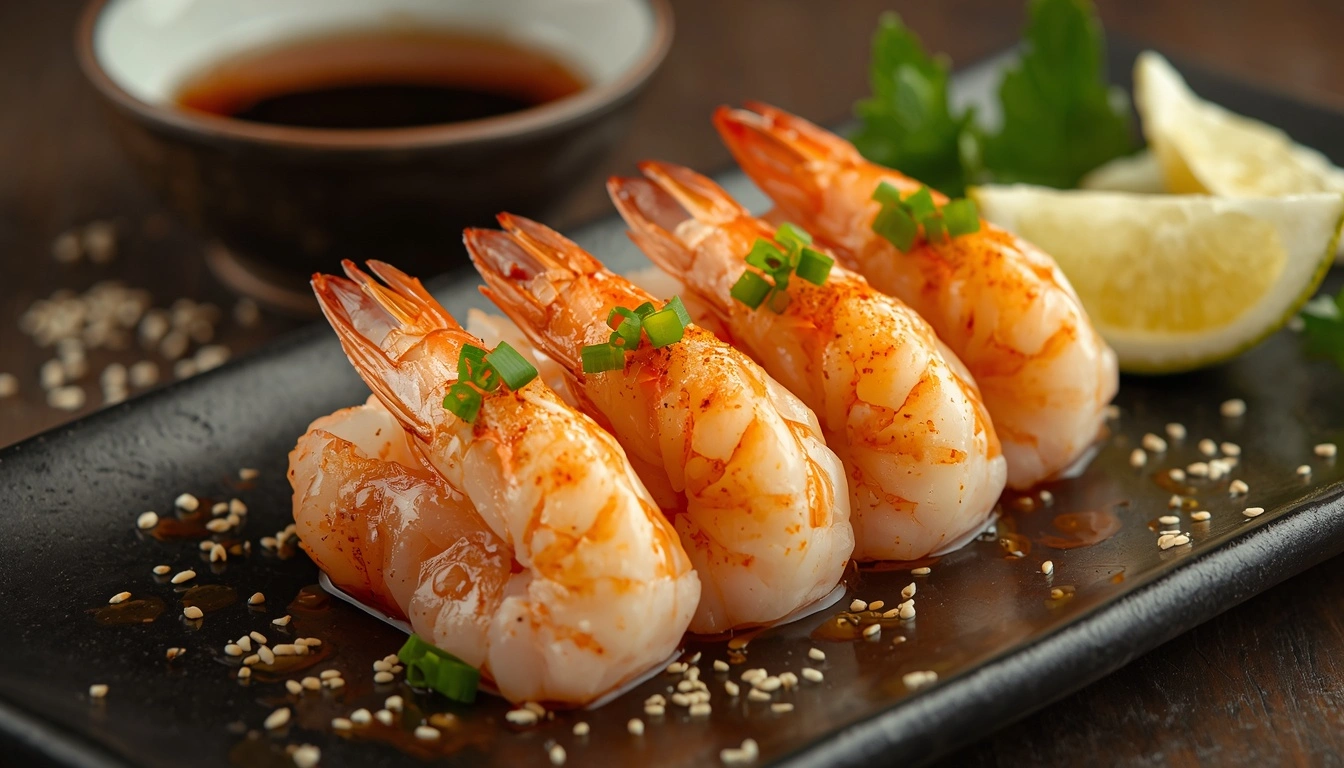
Delicious Shrimp Sashimi: A Culinary Delight
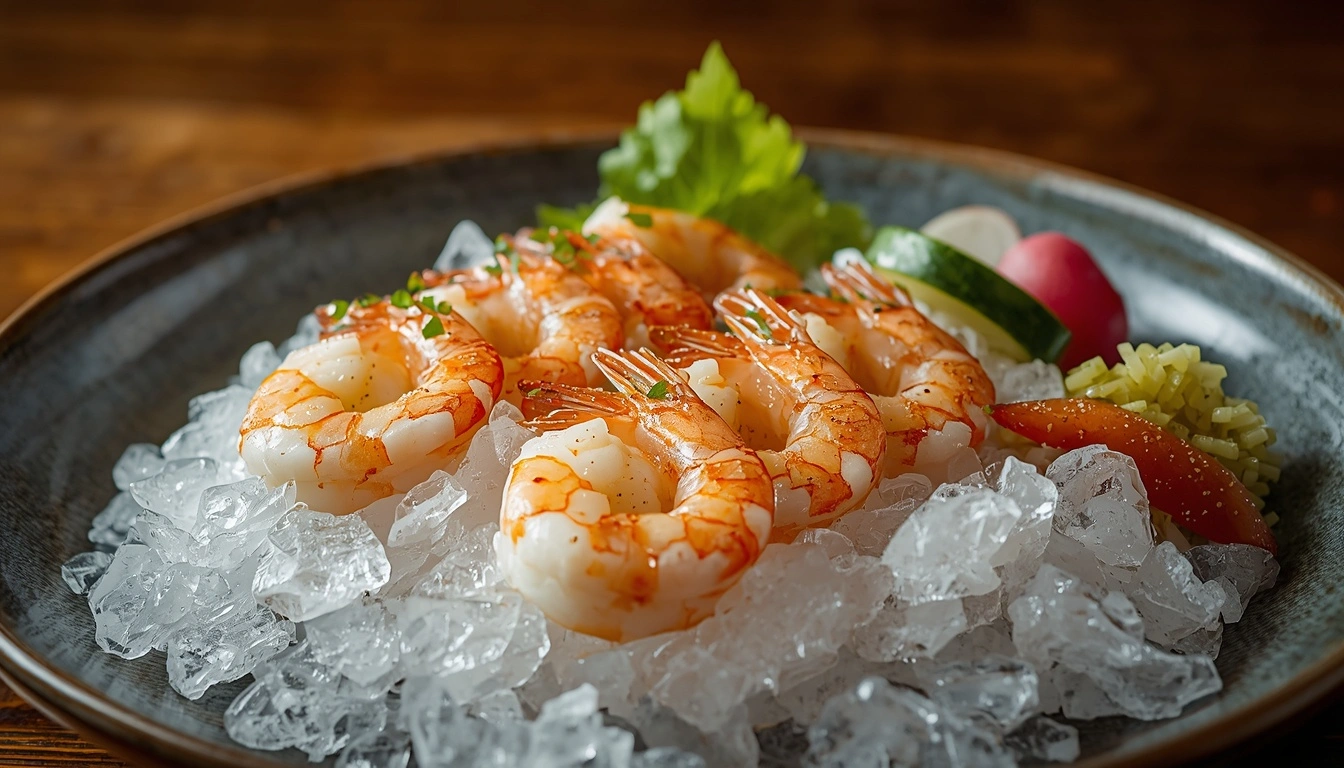
Shrimp Sashimi: Quick Answer
Shrimp Sashimi is a raw-style seafood preparation most often made with sweet shrimp, also called amaebi. It tastes clean, delicate, and lightly sweet, with a soft texture that is very different from cooked shrimp cocktail or regular cooked shrimp sushi.
For seafood safety basics, the FDA explains how to select and serve seafood safely, while FoodSafety.gov lists safe minimum temperatures for cooked seafood. Use those references when you need a safety check, not just a recipe opinion.
What Is Shrimp Sashimi?
Shrimp sashimi is thinly prepared or neatly arranged raw shrimp served without rice. In Japanese restaurants, the most familiar version is often sweet shrimp, or amaebi. It is usually served chilled with soy sauce, wasabi, citrus, pickled ginger, or delicate garnishes.
Unlike sushi, sashimi does not rely on seasoned rice. The focus is the seafood itself: its freshness, texture, sweetness, and clean finish. That is why sourcing matters so much. A good plate starts before the knife touches the shrimp.
If you are exploring other meat and seafood cooking basics, browse MeatRecipeZone’s cooking tips for technique-focused guides.
Is Sushi Shrimp Raw?
The answer depends on the type. In many American sushi restaurants, standard shrimp sushi, often called ebi, is cooked. Sweet shrimp sushi or amaebi may be served raw, and the fried shrimp heads may sometimes be offered separately in restaurants.
That means the phrase “raw shrimp sushi” can be confusing. A menu may include cooked shrimp sushi, raw sweet shrimp, shrimp tempura rolls, or chilled cooked shrimp. Ask the restaurant or supplier when you are not sure.
| Seafood Style | Usually Raw? | Common Use | Safety Note |
|---|---|---|---|
| Sweet shrimp / amaebi | Often yes | Sashimi or nigiri | Must be sold for raw preparation |
| Regular shrimp sushi / ebi | Often no | Nigiri or rolls | Usually cooked and chilled |
| Shrimp tempura roll | No | Rolls | Fried shrimp |
| Grocery shrimp | Do not assume | Cooking | Cook if not labeled for raw use |
| Salmon sashimi | Yes, when prepared for raw use | Sashimi or sushi | Buy from a reliable raw-use seafood source |
How to Buy Shrimp for Sashimi
For home preparation in the United States, the safest practical rule is simple: buy from a seafood seller that clearly offers shrimp for raw sushi or sashimi preparation. Do not rely only on words like “fresh,” “premium,” or “wild-caught.” Those terms do not automatically mean the shrimp is suitable for raw eating.
Ask whether the shrimp is intended for raw sushi or sashimi. If the answer is vague, cook it.
Transport the shrimp with ice packs and refrigerate or use promptly after thawing.
A good seafood counter should explain storage, thawing, and raw-use guidance clearly.
When in doubt, cook shrimp until opaque, chill it, and serve sashimi-style with the same garnishes.
For official guidance, review the FDA’s seafood safety advice before preparing raw seafood at home.
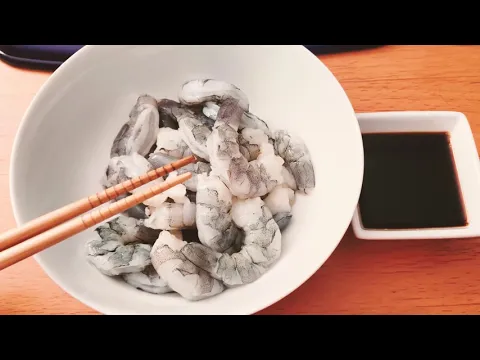
Video: Shrimp Sashimi Preparation Inspiration
This video is included for visual context. Always follow safe sourcing and cold-handling rules when preparing raw seafood at home.
Recipe Block: Sweet Shrimp Sashimi Plate with Citrus Soy
This recipe is for sweet shrimp or amaebi specifically sold for raw sashimi preparation. If you are unsure about the shrimp source, cook the shrimp and serve it chilled instead.
Flavor profile: naturally sweet shrimp, bright citrus soy, gentle wasabi heat, crisp cucumber, peppery radish, and a clean chilled finish.
Ingredients
Step-by-Step: How to Prepare Shrimp Sashimi
This method keeps the process simple and cold from start to finish. Work cleanly, move quickly, and serve right away.
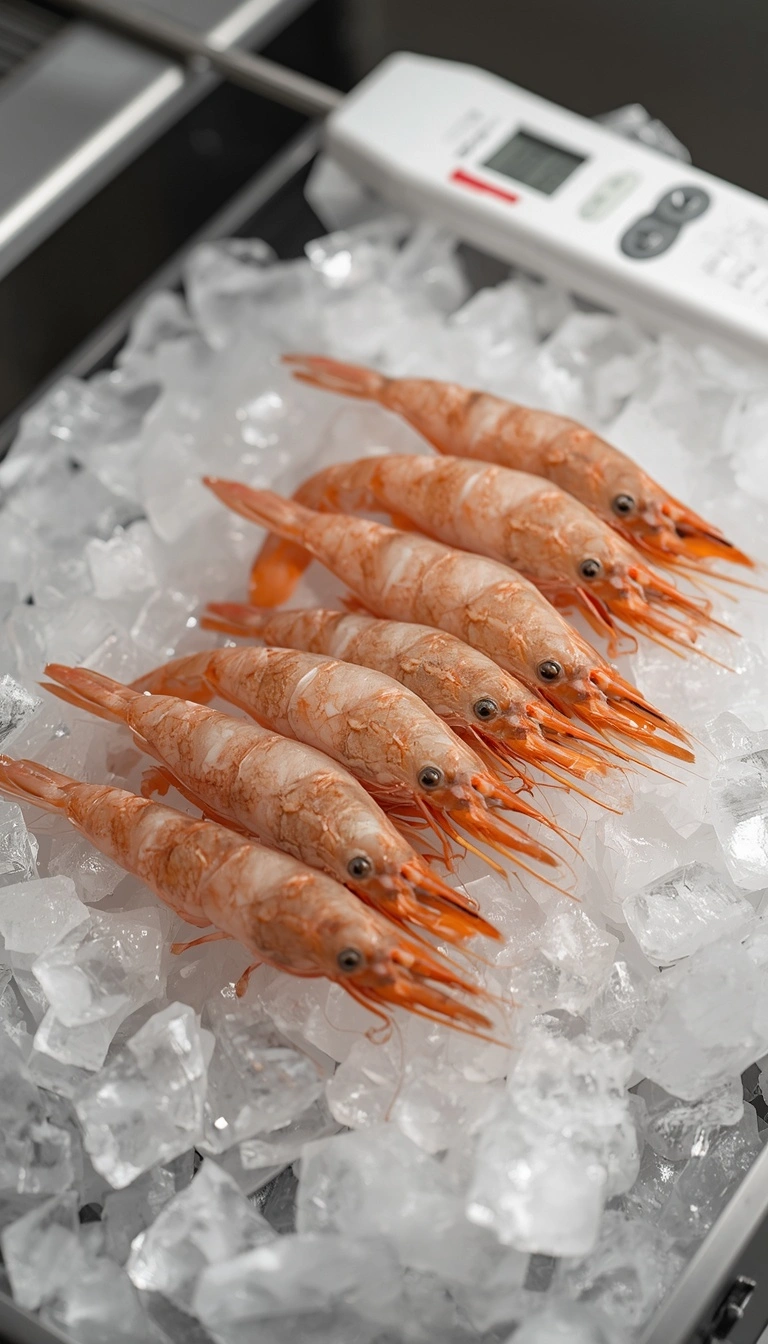
Confirm the shrimp is meant for raw sashimi
Use only sweet shrimp or amaebi sold for raw sashimi or raw sushi preparation. Keep it frozen or very cold until you are ready to plate.
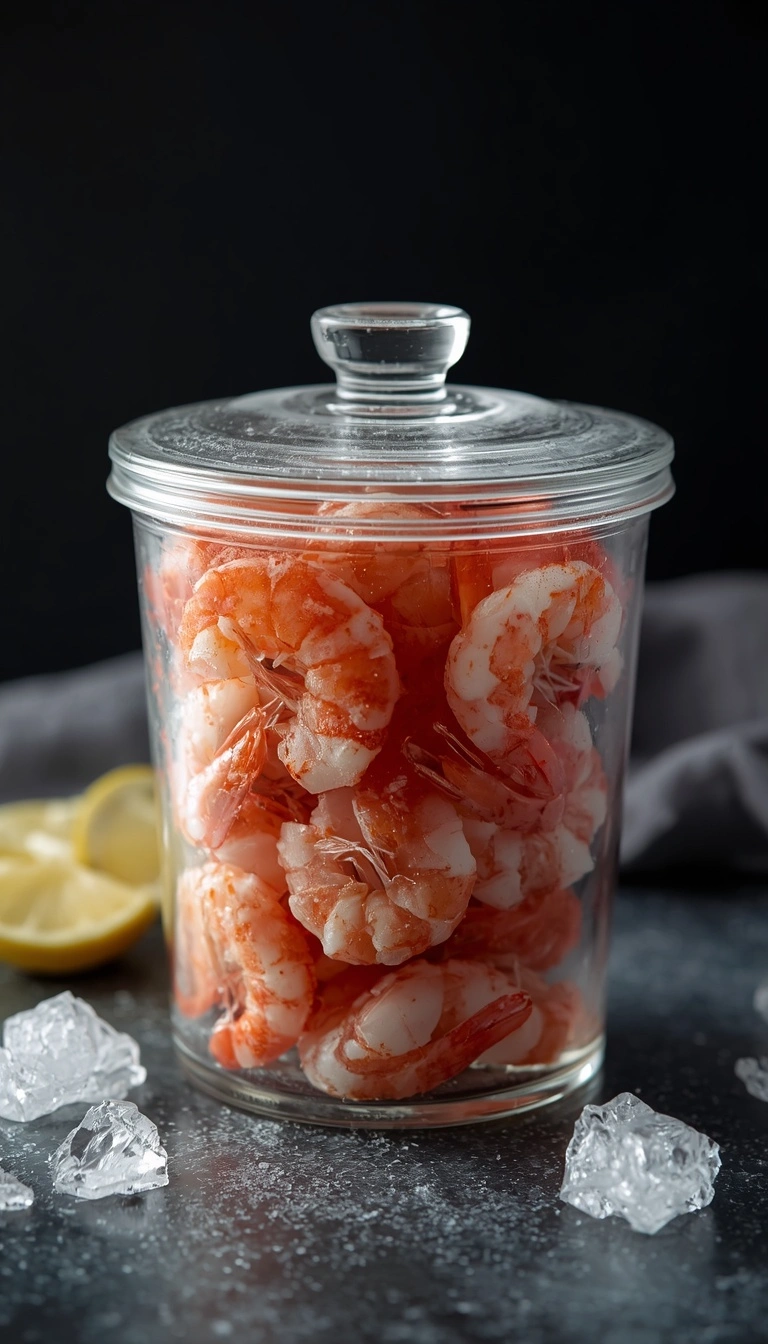
Thaw slowly in the refrigerator
Thaw covered in the refrigerator, then keep the shrimp over ice while you prepare the sauce and garnishes. Do not thaw on the counter.
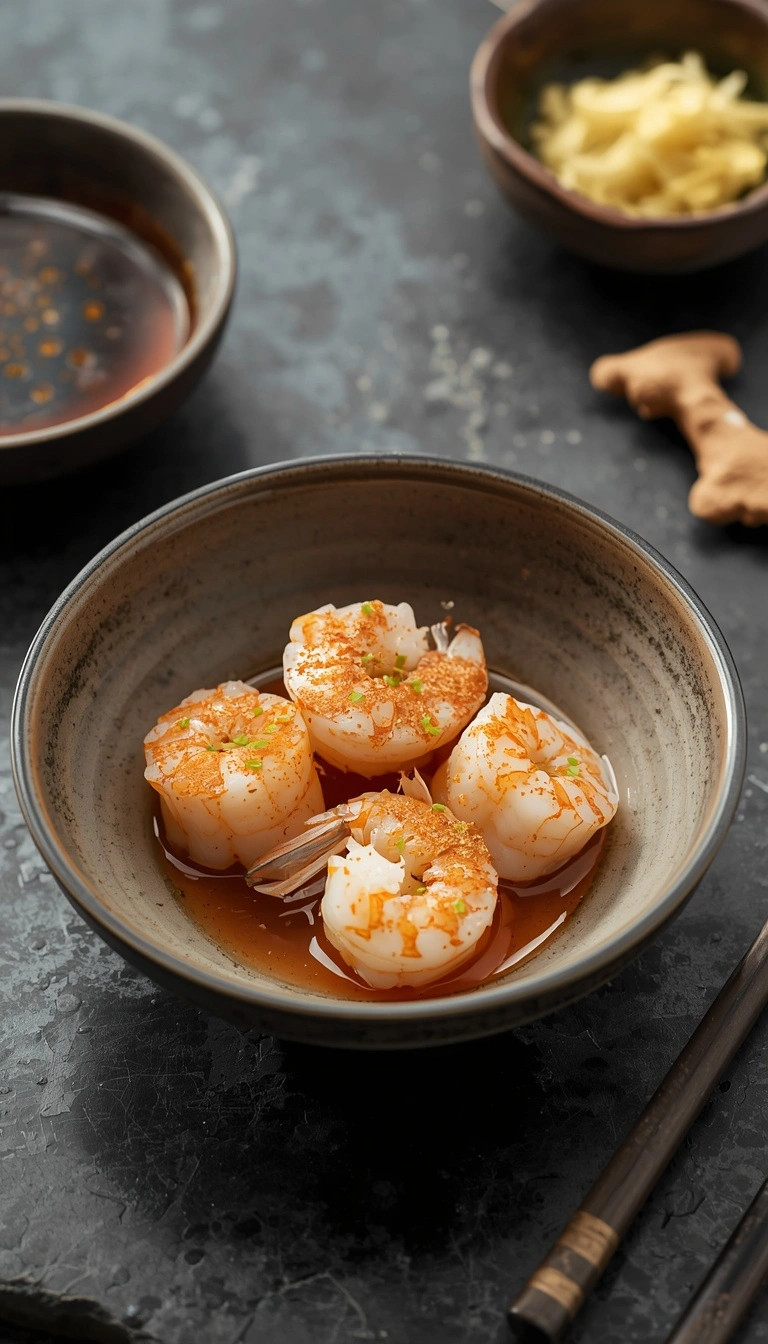
Mix the citrus soy
Stir soy sauce, lemon or yuzu juice, rice vinegar, ginger, and wasabi until smooth. Taste and adjust with a few drops of citrus if needed.
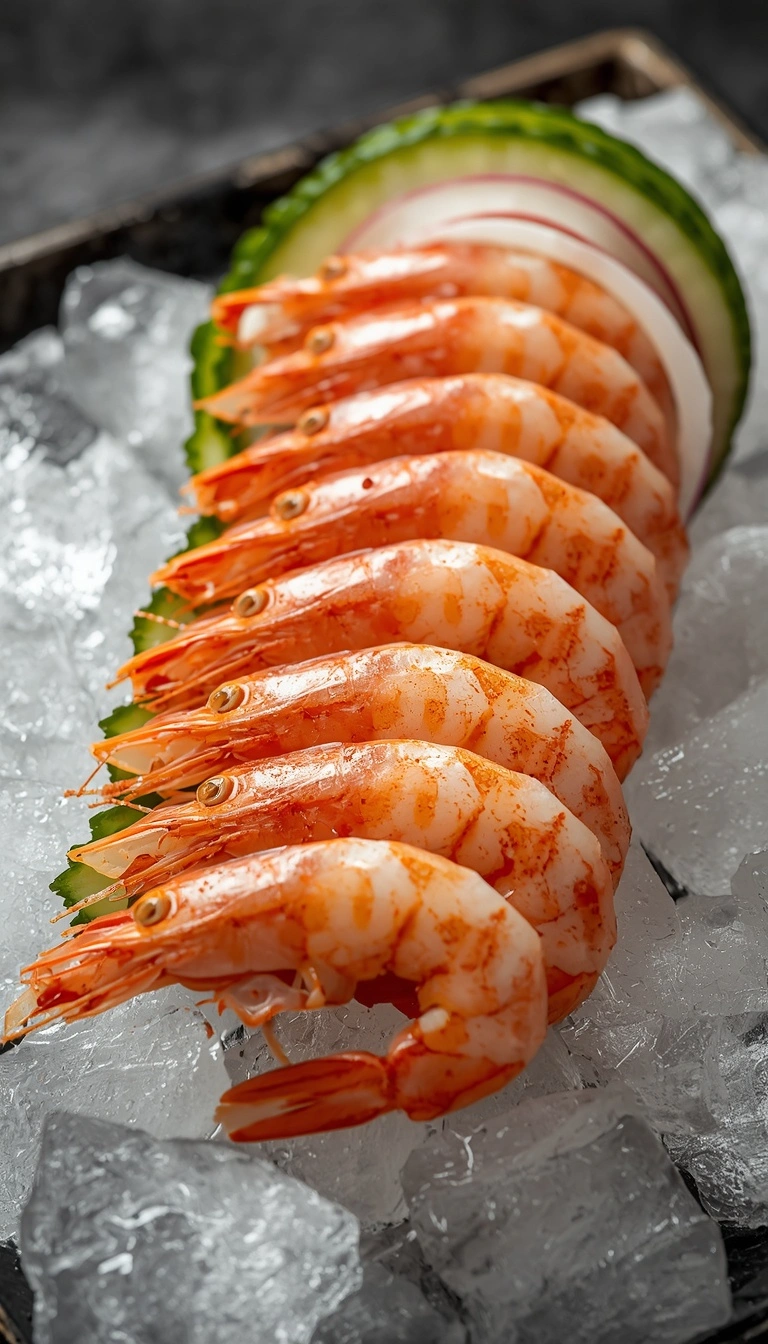
Plate cold and clean
Arrange cucumber and radish on a chilled plate. Add the shrimp in a single layer so each piece stays cold and easy to lift.
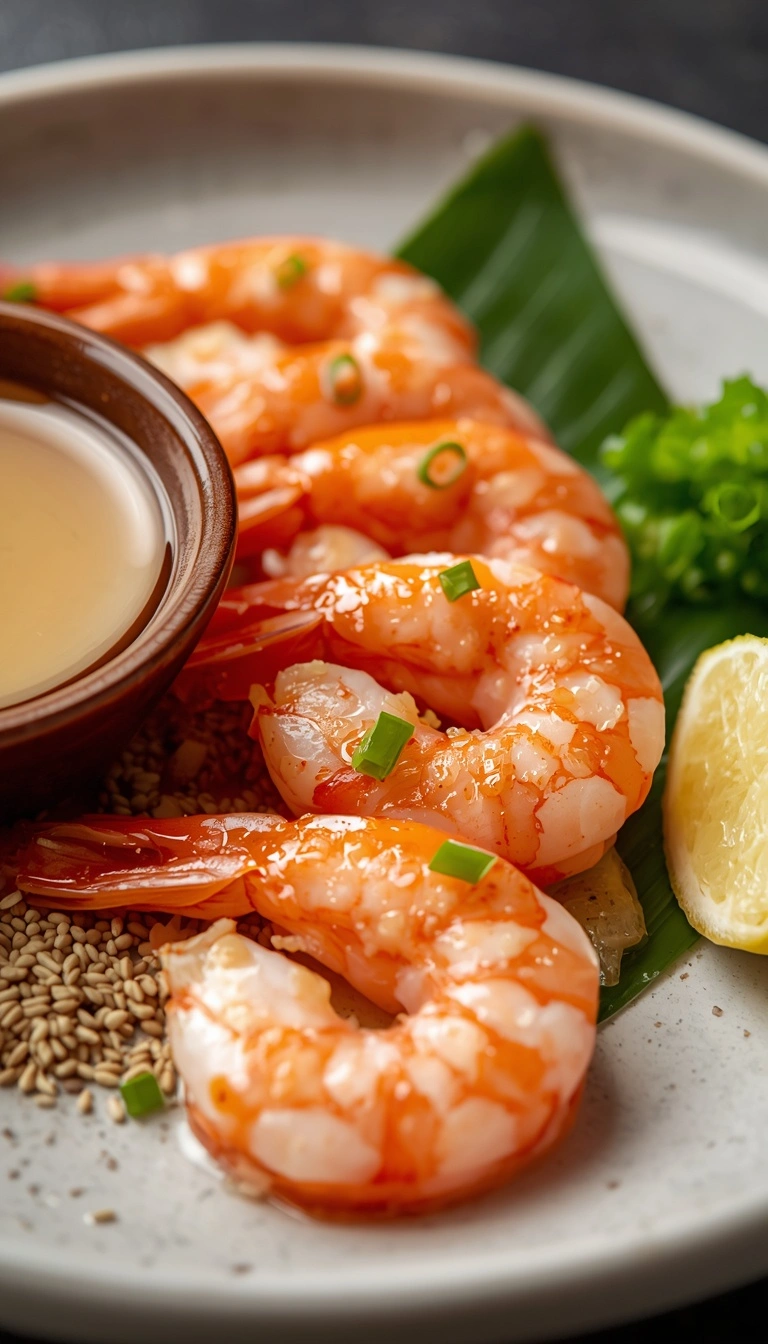
Finish and serve immediately
Sprinkle scallions, sesame seeds, and a tiny pinch of flaky salt over the plate. Serve immediately with citrus soy, wasabi, and pickled ginger.
Expert Tips for Better Shrimp Sashimi
- Keep everything cold. Chill the plate, keep shrimp over ice, and do not let raw seafood sit out while you style the table.
- Use clean tools. Use a clean cutting board, clean knife, and separate utensils for raw seafood.
- Do not over-season. Sweet shrimp is delicate. Citrus soy, wasabi, and ginger should support the shrimp, not hide it.
- Serve right away. Shrimp sashimi is not a make-ahead platter. Plate it close to serving time.
- Use the cooked fallback if unsure. Lightly poach shrimp until opaque, chill it, then serve it with the same sauce and garnishes.
Storage, Serving, and Cooked Fallback
Serving
Serve shrimp sashimi immediately on a chilled plate. Keep the sauce and garnishes cold and simple. Citrus soy, wasabi, pickled ginger, cucumber, radish, and scallions are enough.
Storage
Raw seafood is not a casual leftover. If the shrimp has been plated and sitting out, do not save it for later. Keep unopened raw-intended shrimp frozen or refrigerated according to supplier instructions.
Cooked fallback
If the shrimp is not intended for raw use, cook it until the flesh is pearly or white and opaque. For cooked seafood temperatures, check the official safe minimum internal temperatures.
Seafood Nutrition Calculator
Estimate calories, protein, and fat for common sashimi-style seafood portions. Sweet shrimp is pre-selected.
Shrimp Sashimi FAQ
Shrimp sashimi is usually raw when made with sweet shrimp or amaebi that is sold for raw sashimi preparation. Regular ebi sushi in many American restaurants is often cooked shrimp.
Do not use ordinary grocery store shrimp for raw sashimi unless the supplier clearly states that it is intended for raw sushi or sashimi use. If you are unsure, cook it.
Sushi grade is a market term used by sellers. It does not replace careful sourcing, cold handling, and supplier guidance for raw consumption.
Sweet shrimp, often called amaebi, is a delicate shrimp used for raw sushi and sashimi because of its soft texture and natural sweetness.
Pregnant people, young children, older adults, and anyone with a weakened immune system should avoid raw or undercooked seafood unless a medical professional advises otherwise. The CDC has additional information on preventing food poisoning.
Use cooked shrimp sushi or lightly poached shrimp served chilled. Shrimp should be cooked until the flesh is pearly or white and opaque.

About JULIA
Hi, my name is JULIA. I write practical meat recipes and clear cooking guides to help home cooks feel more confident in the kitchen. In this guide, I’ll show you exactly how to understand shrimp sashimi, buy seafood more carefully, and decide when raw preparation makes sense — and when a cooked shrimp fallback is the smarter choice.