How To Cook Cow Heart
Cooking with every part of an animal is powerful. Learning to cook cow heart connects you to real food and value. It’s a tradition that respects the whole animal and wastes nothing.
Cow heart is a blank canvas on your kitchen counter. It’s lean, affordable, and full of nutrients your body needs. Many home cooks don’t know where to start. That changes today.
Your kitchen will turn this muscular organ into something tender and tasty. This guide shares techniques from professional butchers and chefs. You’ll learn to make cow heart taste as good as premium steak.
This guide covers every step. You’ll learn how to pick quality meat, prepare it confidently, and cook it to bring out natural flavors. Your family will notice the difference when you serve a meal made with care.
Cooking organ meats like beef heart at home saves money and feeds your family better. It’s an investment in health, sustainability, and culinary skills. Let’s start.
Table of Contents
Cow Heart: Understanding Bovine Heart Anatomy
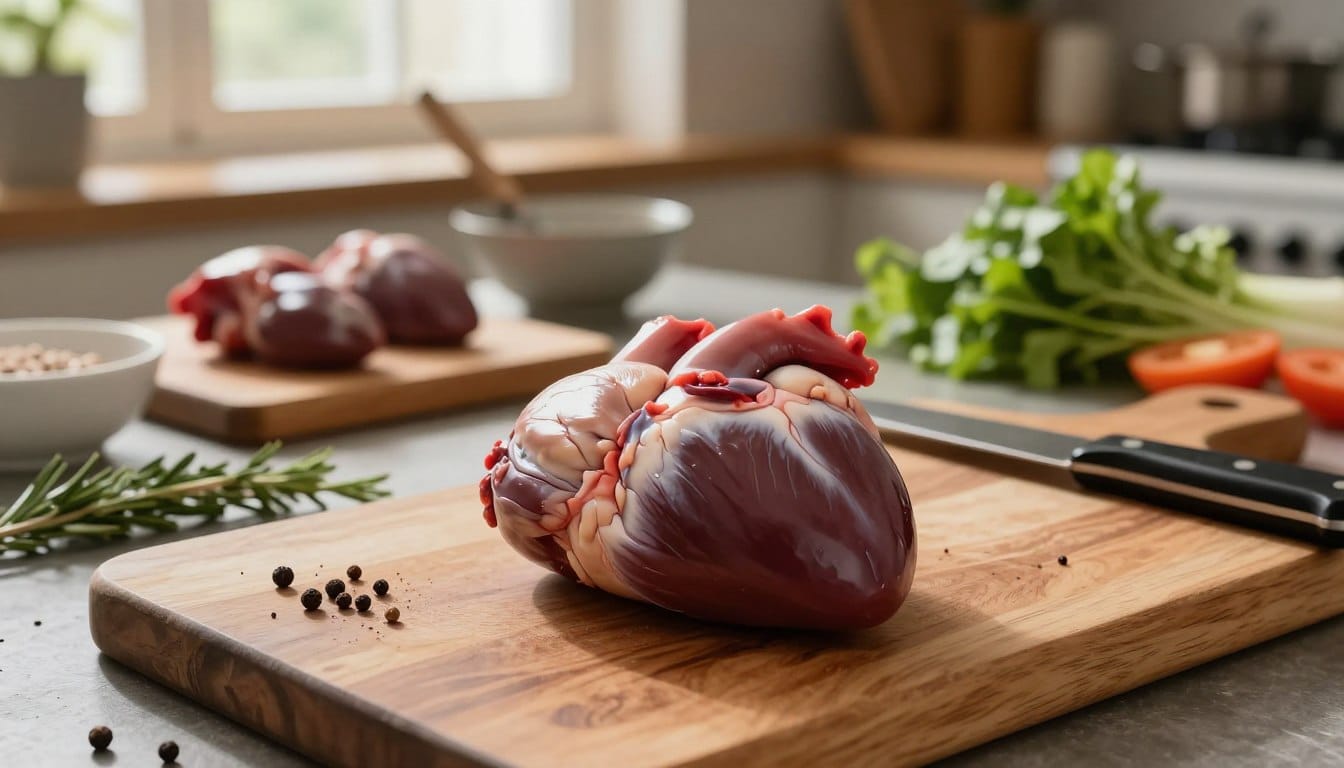
Before you start cooking, it’s key to learn about the bovine heart structure. Knowing how it’s built helps you prepare it right and make tasty meals. The heart is a muscular organ with thick, lean tissue, unlike regular meat. Studying its layout helps you work with the meat correctly and avoid mistakes.
The bovine heart has several parts. You’ll find thick muscle walls, internal chambers, and connective tissues. Some areas are tender, while others need careful trimming. Knowing the anatomy lets you pick the best parts for your cooking.
Identifying Muscle Structure
The heart’s muscles are powerful, pumping blood through the animal’s body. These muscles are dense and lean, great for cooking. You’ll see muscle fibers in different directions. Some areas have thick walls, while others are thinner.
When you examine the bovine heart closely, look for these features:
- Thick muscular walls in the ventricles
- Thin walls in the atrial chambers
- Visible muscle grain patterns
- Areas where fat deposits sit on the exterior
Knowing these parts helps you understand which sections cook best quickly and which need slower methods.
Removing Tough Connective Tissue
Connective tissue surrounds the muscle fibers and can make your dish chewy or tough. You must trim this tissue carefully to improve texture. The exterior of the heart has a thick membrane called the epicardium that needs removal.
Inside the chambers, you’ll find valves and tough tissue. These parts should be cleaned out completely. Your knife work matters here—use smooth, confident cuts to remove unwanted material without wasting precious meat.
The connective tissue removal process involves:
- Peeling away the outer membrane carefully
- Opening the chambers to inspect the interior
- Scraping out valve tissue and debris
- Trimming fat pockets from the surface
- Removing any remaining silver skin
Taking time with this step transforms tough, chewy pieces into tender, enjoyable meals. Your effort in preparation directly affects the quality of your finished dish.
Nutritional Profile of Organ Meats
Exploring cow heart nutrition reveals a treasure trove of nutrients. Beef heart is a standout, loaded with protein, iron, and B vitamins. These are key for your body’s health, and beef heart offers them in high amounts.
Beef heart brings several nutritional benefits to your diet. It’s rich in CoQ10, which boosts heart health and energy. Its iron is also easily absorbed by your body, unlike plant-based sources.
Here are the main nutritional benefits of cow heart nutrition:
- High-quality protein for muscle building and repair
- Iron for oxygen transport and preventing anemia
- B vitamins, especially B12, for nerve function and energy
- Selenium for immune system support
- Zinc for wound healing and metabolism
- CoQ10 for cellular energy and cardiovascular health
Your body sees beef heart as a superfood because it fills nutritional gaps. Unlike processed foods, it offers nutrients in their natural forms, making them easier for your body to use.
“Organ meats like beef heart contain up to 10 times more nutrients than conventional muscle meats.”
Adding beef heart to your meals is a smart choice for your health. It’s packed with complete proteins and essential minerals. This makes it a valuable ingredient for anyone looking to improve their diet.
Essential Tools for Butchering
To prepare a cow heart at home, you need the right tools. These tools help you work safely and effectively. Quality butchering tools are key to handling the heart’s unique structure.
Having the right tools protects your hands and makes cuts clean. Dull blades can slip and cause accidents. Sharp tools give you control and precision when working with beef heart.
Selecting the Right Knife
A flexible boning knife is best for butchering cow heart. It lets you navigate the organ’s chambers with control. The flexibility follows the muscle’s natural contours.
Look for a knife with these qualities:
- Blade length between 5 to 6 inches
- Sharp, thin edge for clean cuts
- Comfortable handle for extended use
- Stainless steel or high-carbon construction
Brands like Victorinox and Wüsthof offer reliable knives at good prices. Your knife should feel natural and not cause fatigue.
Maintaining Blade Sharpness
Sharp blades prevent accidents and work better. A dull knife forces you to apply pressure, leading to slipping. This is dangerous for your fingers.
Keep your blade sharp with these methods:
- Use a honing steel before each cutting session
- Sharpen with a whetstone every two weeks
- Store your knife in a knife block or on a magnetic strip
- Hand wash immediately after use
- Avoid dishwashers that dull blades
Regular maintenance extends your knife’s life and ensures safe, clean cuts. A sharp tool is a safe tool.
How to Cook Cow Heart
After cleaning and trimming your meat, it’s time to cook. You’ll learn how to make it tender and flavorful. The right temperature and cooking time are key. This will make the meat delicious or tough.
There are three main ways to cook cow heart: grilling, pan searing, and braising. Each method changes the texture and taste. Choose based on your schedule and desired flavor.
Knowing the basics is crucial for cooking organ meat. Cow heart’s muscle is different from regular beef. So, you need to adjust cooking time and temperature for the best results.
Core Cooking Principles for Organ Meat
Temperature control is essential. Cooking too fast or too slow can ruin the meat. You need to find the perfect balance for a tender, tasty dish.
- Use medium to medium-high heat for searing
- Keep internal temperature between 130-140°F for medium-rare
- Allow resting time after cooking for juice retention
- Cut against the grain for maximum tenderness
Each cooking method highlights different qualities in the meat. Your skill in managing these factors will turn cow heart into a meal that wows everyone.
Preparing the Meat for Cooking
Getting your beef heart ready is key when learning to cook it. Proper preparation turns tough meat into tender, flavorful dishes. You must clean and cut the meat right before cooking.
This stage removes unwanted flavors and ensures even cooking. Your hard work now will lead to better results later.
Cleaning the Chambers
Beef hearts have chambers filled with blood and other materials. You need to remove these to improve taste and texture. Start by rinsing the heart under cold running water.
Hold the heart in one hand and use a sharp knife to cut it open lengthwise. Look inside and you’ll see the chambers. Use your fingers or a small spoon to scrape out any dark blood clots, cartilage, and connective tissue you find. Rinse thoroughly under cold water until the water runs clear.
- Rinse the heart under cold water
- Cut the heart open lengthwise
- Remove all blood clots and cartilage
- Rinse again until water runs clear
Slicing for Even Cooking
After cleaning, slice the meat into uniform pieces. Even-sized cuts cook at the same rate, preventing some parts from being tough while others are overdone.
Cut the heart into thin strips about one-quarter inch thick. You can also cut it into small cubes for stews and braises. Trim away any remaining hard connective tissue or fat you don’t want. Uniform pieces help the muscle fibers break down evenly during cooking, making your beef heart tender and delicious.
| Cutting Method | Best For | Piece Size |
|---|---|---|
| Thin Strips | Grilling and Pan Searing | 1/4 inch thick |
| Cubes | Braising and Slow Cooking | 1-2 inches |
| Chunks | Stews and Soups | 3/4 to 1 inch |
Clean chambers properly and slice uniformly to set yourself up for success in the next cooking stages. Your attention to detail during preparation pays off when you sit down to eat.
Marinating Techniques for Tenderness
The heart is a muscle that works hard throughout an animal’s life. This makes the tissue dense and needs special care before cooking. Marinating is a key method to soften tough fibers in cow heart, making it tender and flavorful.
For the best results, your marinade should have an acidic ingredient. Acids break down connective tissue, making the meat softer and more enjoyable to chew. Give your marinade enough time to work its magic.
Best Acidic Ingredients for Your Marinade
Several acids are great for tenderizing beef heart. You can pick one or mix a few for richer flavors:
- Vinegar – White, apple cider, or red wine varieties all work great
- Citrus juice – Lime, lemon, or orange add bright, fresh notes
- Yogurt – Creates a creamy base while tenderizing the meat
- Wine – Red or white wine adds depth and richness
- Buttermilk – A mild option for subtle tenderizing
Timing Your Marinade Process
Marinate your beef heart for at least 4 to 12 hours. Shorter times are okay, but longer is better. Some cooks marinate for up to 24 hours. But, be careful not to overdo it, as it can make the meat mushy.
| Marinade Time | Best For | Expected Tenderness |
|---|---|---|
| 4-6 hours | Quick meals and weeknight dinners | Moderately tender with light flavor |
| 8-12 hours | Standard preparation and meal planning | Very tender with balanced flavor |
| 18-24 hours | Deep flavor development and special dishes | Maximum tenderness with rich taste |
After marinating, remove the meat and pat it dry. Now, you’re ready to cook it your way, whether grilling, pan searing, or braising.
Grilling Methods for Beef Heart
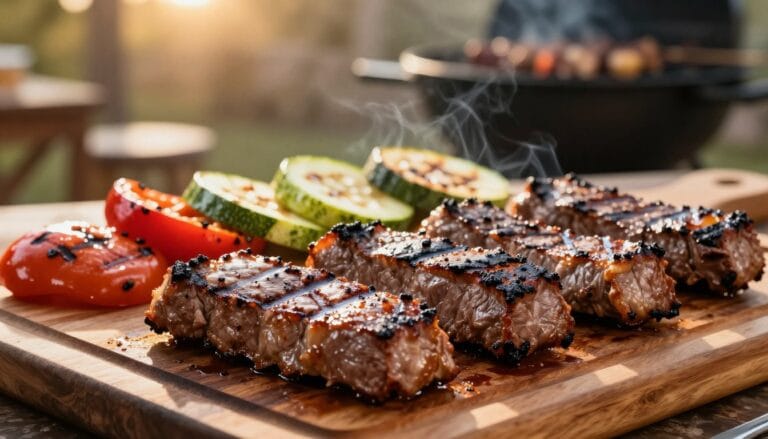
Grilling beef heart is a great way to add a smoky flavor. It makes the meat crispy on the outside and juicy inside. It’s a bit tricky, but the effort is worth it for the taste.
First, make sure your beef heart is ready and sliced. Heat your grill to 400-450 degrees Fahrenheit. This high heat helps seal in the juices and keeps the meat moist.
Achieving the Perfect Sear
A good sear makes the beef heart flavorful and moist. Place the slices on the grill and don’t move them for 2-3 minutes. This lets them get a nice caramelized crust.
Look for dark grill marks to know you’re doing it right. The outside should almost look charred. Only flip the beef heart once to keep the sear.
Managing Internal Temperatures
It’s important to control the temperature when grilling beef heart. This lean meat can get tough if overcooked. Use an instant-read thermometer to check the temperature.
For medium-rare, aim for 130-135 degrees Fahrenheit. For medium, it’s 135-145 degrees. Check the temperature at the thickest part of the slices. Remove the meat when it’s 5 degrees below your target.
Let the beef heart rest for 5-10 minutes before eating. This makes it tender and juicy. It also helps the juices spread evenly.
| Doneness Level | Internal Temperature | Cooking Time (per side) | Texture Result |
|---|---|---|---|
| Medium-Rare | 130-135°F | 2-3 minutes | Tender, juicy center |
| Medium | 135-145°F | 3-4 minutes | Slightly firm, still moist |
| Medium-Well | 145-160°F | 4-5 minutes | Firm texture, less juice |
Follow these tips to get the best flavor and texture from your beef heart:
- Oil your grill grates well to prevent sticking
- Season your beef heart generously before placing it on the grill
- Avoid pressing down on the meat while cooking
- Use medium-high heat for thicker cuts
- Always use a meat thermometer for accuracy
Mastering the grill method for beef heart brings restaurant-quality results to your backyard cooking. The right heat, timing, and temperature ensure tender, flavorful beef heart every time.
Pan Searing for Optimal Flavor
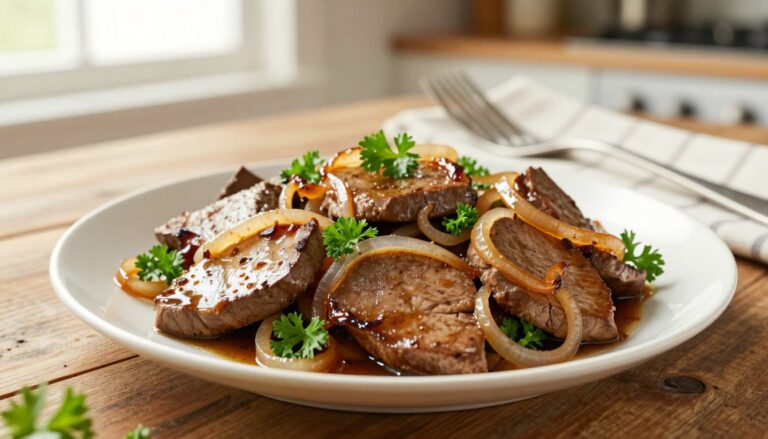
Pan searing is a quick and effective cooking technique. It turns beef heart into a dish fit for a restaurant. Slice the meat into thin pieces or medallions for the best results. The high heat creates a beautiful, caramelized crust that locks in juices and develops rich, complex flavors in just minutes.
Success in your beef heart recipe starts with the right equipment. A heavy cast-iron skillet is your best choice. It distributes heat evenly and retains temperature well. When your pan reaches a high temperature, the meat sears quickly without becoming tough or dry.
- Heat your cast-iron skillet over medium-high heat for 3-5 minutes
- Add a small amount of oil with a high smoke point, such as avocado or vegetable oil
- Pat your beef heart slices completely dry with paper towels
- Place meat in the hot pan and resist the urge to move it around
- Sear each side for 2-3 minutes until a golden crust forms
- Rest the meat for a few minutes before serving
This cooking approach is ideal for home cooks who want gourmet results without lengthy preparation times. The entire process takes 10-15 minutes from start to finish. It’s perfect for weeknight dinners.
Temperature control matters greatly when pan searing. Your meat should reach an internal temperature of 130-135°F for medium-rare doneness. Use a meat thermometer to ensure accuracy and avoid overcooking.
Slow Cooking and Braising Approaches
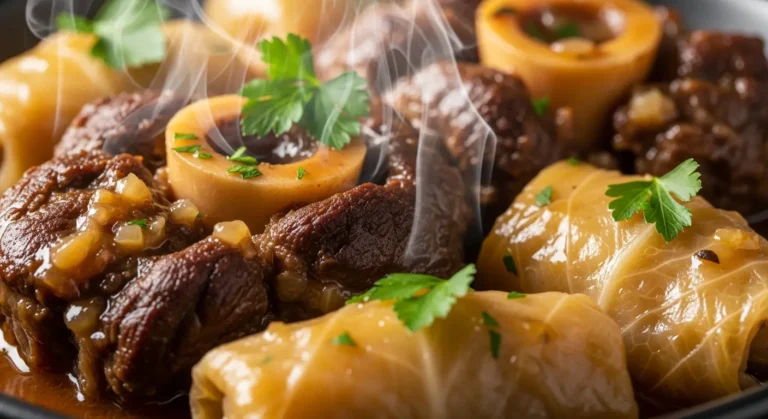
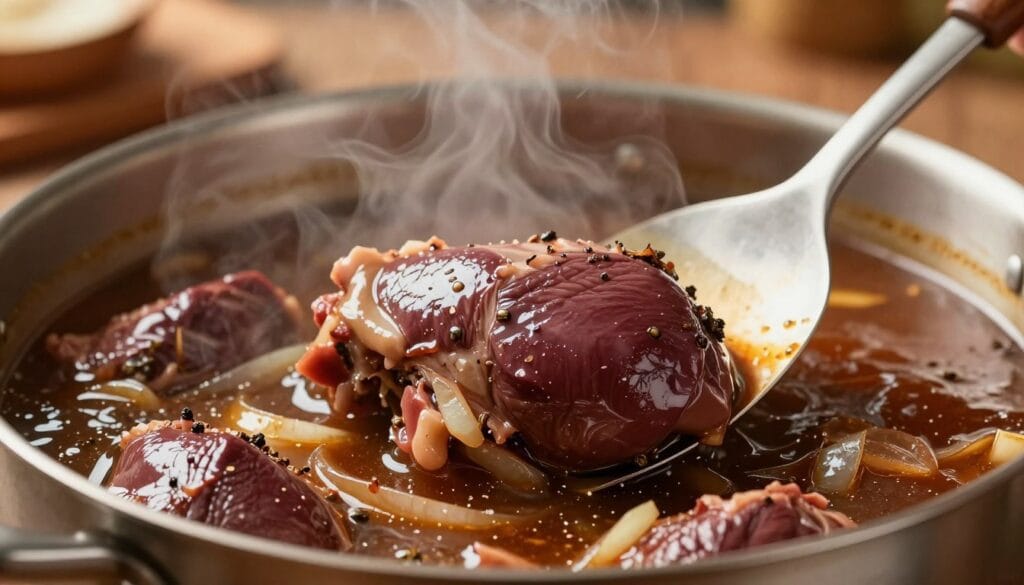
Slow cooking and braising are great for tender beef heart. They involve cooking the heart in flavorful liquids for a long time. This breaks down tough fibers, making the meat silky.
These methods bring out deep, complex flavors. Quick cooking can’t match the taste you get from slow cooking. The long time lets all the flavors soak into the meat.
Developing Rich Flavors
Building great taste takes patience and the right liquid. Choose a braising liquid that complements the heart’s earthy taste. Start by searing the meat to add depth.
Add onions, garlic, and carrots to your liquid for extra flavor. Use red wine, beef stock, or tomato sauce. Cook on low for 3 to 4 hours to soak up all the flavors.
Choosing the Best Braising Liquid
The braising liquid is key to your dish’s taste. Here are some popular choices:
- Red wine blended with beef broth
- Rich beef stock infused with herbs
- Tomato sauce mixed with red wine
- Apple cider vinegar and stock combination
- Red wine with mushrooms and herbs
| Braising Liquid Type | Flavor Profile | Cooking Time | Best Use |
|---|---|---|---|
| Red Wine and Stock | Bold, wine-forward, savory | 3-4 hours | European-style stews |
| Beef Broth with Herbs | Clean, savory, aromatic | 2.5-3 hours | Tender shredded beef |
| Tomato Sauce Base | Tangy, bright, rich | 3-4 hours | Italian-inspired dishes |
| Apple Cider Vinegar Mix | Tangy, slightly sweet | 2.5-3 hours | Southern-style preparations |
Acidic liquids like wine or vinegar help break down muscle fibers. Stock adds body and richness. Mixing both gives the best results.
Let your braised beef heart cool slightly before serving. It becomes even more tender as it rests. This slow cooking method makes your dish taste like it’s from a restaurant.
Pairing Sides with Beef Heart Recipes
Choosing the right side dishes can make your beef heart recipe complete. Beef heart’s strong flavors need sides that balance them. The right pairings make every bite a perfect match.
Beef heart’s bold taste needs sides that offer freshness and acidity. These contrast with the heart’s richness, preventing the meal from feeling too heavy.
For the best results, mix different textures and flavors. Here are some great options:
- Roasted root vegetables like beets, carrots, and parsnips
- Crisp arugula salad with lemon dressing
- Tangy chimichurri sauce with fresh herbs
- Grilled asparagus with garlic and olive oil
- Creamy mashed potatoes with herbs
- Charred broccoli with balsamic vinegar
Acidic sides like vinegar dressings and citrus juices are perfect with beef heart. They cut through the meat’s richness, refreshing your taste buds.
| Side Dish Type | Flavor Profile | Best Cooking Method |
|---|---|---|
| Root Vegetables | Sweet and earthy | Roasting |
| Green Vegetables | Fresh and bright | Grilling or sautéing |
| Leafy Salads | Crisp with acidic dressing | Raw with vinaigrette |
| Sauces | Tangy or herbaceous | Blending or chopping fresh |
| Starches | Creamy or rich | Boiling and mashing |
Fresh herbs are key when serving beef heart. Cilantro, parsley, and oregano add depth without overpowering. A simple chimichurri can elevate your meal.
Stay away from sides that clash with beef heart. Choose light vegetables and bright flavors instead. They complement your protein, making the meal balanced and enjoyable.
Storing and Preserving Your Meat
Keeping your cow heart meat fresh and safe is key. Whether you cook it soon or save it, knowing how to store it is crucial. Your storage method depends on when you plan to use it and how much space you have.
Good storage practices protect your investment. They ensure your cow heart meat stays delicious and nutritious. Temperature control and proper packaging are essential for success.
Proper Refrigeration Practices
When you get your cow heart meat home, store it in the coldest part of your fridge right away. Keep it at 40°F or below to slow bacterial growth.
Wrap your meat tightly using:
- Plastic wrap or plastic bags for an airtight seal
- Butcher paper for short-term storage
- Vacuum-sealed bags for longer freshness
Properly wrapped cow heart meat stays fresh for three to four days in your fridge. Keep it away from other foods to prevent cross-contamination.
Freezing for Long Term Use
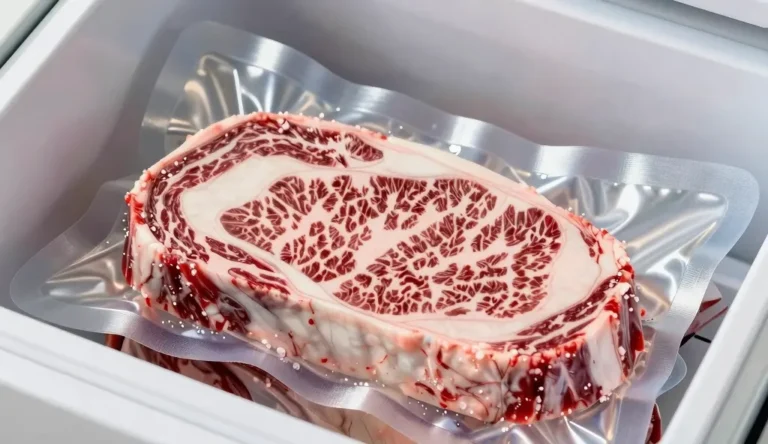
Freezing is best for long-term storage. Vacuum-sealed packaging prevents freezer burn and keeps your meat fresh.
| Storage Method | Temperature | Duration |
|---|---|---|
| Refrigerator | 40°F | 3-4 days |
| Freezer (Wrapped) | 0°F or below | 2-3 months |
| Freezer (Vacuum-Sealed) | 0°F or below | 3-4 months |
Label your packages with the date before freezing. When you’re ready to cook, thaw it in the fridge overnight. This prevents harmful bacteria and keeps the texture better for cooking.
Common Mistakes to Avoid
Cooking beef heart needs careful attention. Many home cooks make mistakes that spoil their dish. Knowing these errors helps you make a tender and tasty beef hearts recipe every time.
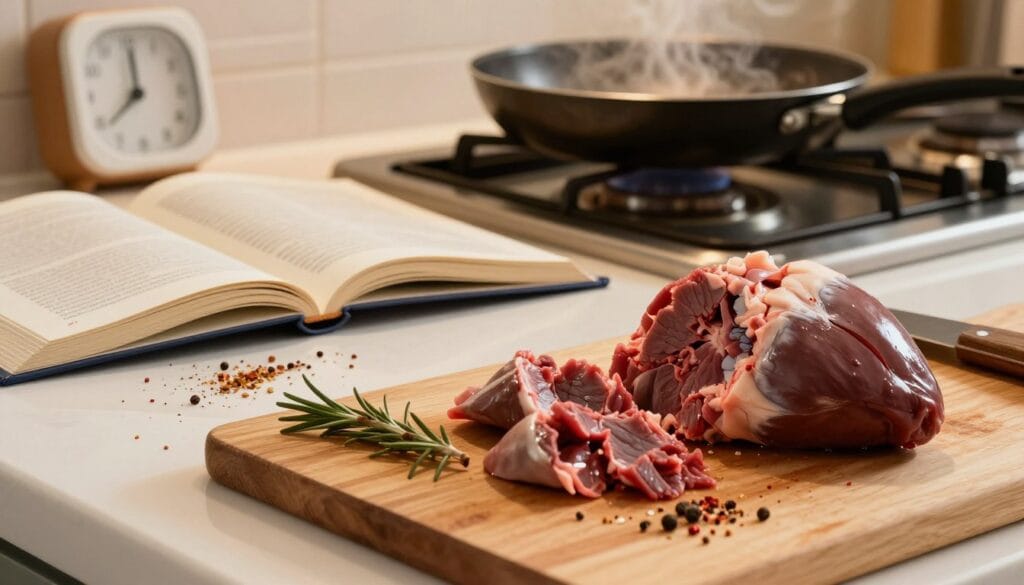
One big mistake is not trimming the silver skin. This tough layer becomes chewy and unpleasant when cooked. Use a sharp knife to remove it before cooking. Your guests will appreciate the better texture.
Inside the heart, you’ll find valves and tough tissue. Beginners often miss these. Leaving them in makes the dish unpleasant. Take time to clean out the chambers and remove all internal structures.
Heat and Cooking Time Issues
Using too much heat is another common error. High heat tightens the muscle fibers, making the meat rubbery. Use low to medium heat for most cooking methods.
Cooking time depends on your method. Grilling needs quick, hot searing. Braising takes several hours at low temperatures. Avoid using high heat to rush the cooking process.
| Cooking Method | Temperature | Time | Result |
|---|---|---|---|
| Grilling | High Heat (400°F+) | 4-6 minutes per side | Tender exterior, pink center |
| Pan Searing | Medium-High Heat (350°F) | 3-4 minutes per side | Caramelized crust |
| Braising | Low Heat (300°F) | 2-3 hours | Fall-apart tender |
Preparation Oversights
Not marinating weakens the flavor. Even a short 30-minute soak improves tenderness. Acidic marinades help break down muscle fibers naturally.
- Always trim the silver skin completely
- Remove all internal valves and tissue
- Use proper marinade timing
- Monitor internal temperature carefully
- Slice against the grain for maximum tenderness
- Rest the meat before serving
Avoid these mistakes, and your beef heart cooking will be successful and rewarding.
Sourcing Quality Ingredients
Finding the best cow heart starts with reliable sources. Your choice of supplier greatly affects the quality and taste. Knowing where to look and what to check ensures you get meat that cooks well and tastes great.
Finding Local Butchers
Local butchers are your top choice for quality beef heart. They work directly with farms, knowing their meat sources. Look for butchers who focus on grass-fed and pasture-raised cattle. This meat has better flavor and texture than grain-fed.
When at a butcher shop, ask about their suppliers. Good butchers will share where their meat comes from and how the animals were raised. Many communities have farmer’s markets where local butchers sell their products. This direct connection builds trust in what you’re buying.
Evaluating Freshness
Spotting fresh beef heart is key to successful cooking. Fresh heart should have these qualities:
- Deep red or burgundy color throughout
- Firm texture that springs back when touched
- Clean, mild scent with no sour or unpleasant odors
- No visible slime, discoloration, or dark spots
- Moist surface without excess liquid in the package
Always check the sell-by date and ask your butcher when the meat arrived. Fresh organ meats should be used within one to two days. Trust your senses. If something looks off or smells bad, skip it and find another source.
Health Benefits of Including Organ Meats
Adding organ meats to your diet is a smart move. They offer nutrients that regular cuts can’t match. Beef heart, for example, is packed with nutrients that rival expensive supplements. Knowing the benefits of cow heart can make you want to include it in your meals more often.
Your body needs certain compounds to work well. Organ meats provide these in a form your body can easily use. Cow heart, in particular, offers nutrients not found in typical muscle meats.
Key Nutrients Found in Organ Meats
Beef heart is a rich source of CoQ10, an antioxidant that’s good for your heart and energy. It helps your cells make energy for daily tasks. Eating beef heart regularly gives your body nutrients that boost wellness at a cellular level.
- CoQ10 supports heart function and energy levels
- B vitamins aid metabolism and nerve function
- Iron boosts oxygen transport throughout your body
- Selenium protects cells from damage
- Zinc strengthens your immune system
| Nutrient | Beef Heart (per 3 oz serving) | Chicken Breast (per 3 oz serving) | Benefit to Your Body |
|---|---|---|---|
| CoQ10 | High concentration | Minimal amount | Cellular energy and heart health |
| Iron | 5.2 mg | 0.9 mg | Oxygen transport and energy |
| B12 | 8.4 mcg | 0.3 mcg | Nerve function and red blood cells |
| Selenium | 38 mcg | 22 mcg | Antioxidant protection |
| Zinc | 4.6 mg | 0.9 mg | Immune system support |
Choosing organ meats gives your body a boost of nutrients. The benefits of cow heart make it a great choice for your meals. Look for it at your local butcher.
Conclusion
You now know how to cook beef heart with ease. This affordable and nutritious meat is perfect for dinner. You’ve learned how to clean, slice, and control temperatures for all cooking methods.
Choosing your cooking method is key. Quick grilling and pan searing make the outside tender and the inside juicy. Slow braising, on the other hand, makes the meat tender and flavorful. Both methods work well if you follow the right steps.
Start with quality meat from trusted butchers at farmers markets. Fresh, handled well, beef heart cooks faster and tastes better. Keeping your meat stored correctly ensures it’s safe and ready for your next meal. These sustainable proteins are cheaper than premium cuts but full of nutrients.
Beef heart can be the star of your next family dinner. With this article’s help, you can impress your family and save money. Cooking beef heart opens up new flavors and adventures in your kitchen.