How To Cook Beef Shank: The Best Way For Tender Results
Table of Contents
How to Cook Beef Shank for Tender Results
Beef shanks might look tough at first glance. But with patience and the right method, they become incredibly tender. Most people shy away from them because of their connective tissue. Yet, it’s this tissue that holds the meat’s rich flavor.
Learning how to cook beef shanks can turn a simple ingredient into a gourmet dish. This guide will show you how to achieve that tender, buttery texture. Slow simmering and steady heat are key to cooking such hearty meat.
We’ll cover everything from searing the surface to why low temperatures are crucial. You’ll learn how to elevate your dinner game with these simple tips.
The outcome is a dish that’s rich, savory, and very satisfying. Enjoy the journey of making a dish your family will cherish.
Understanding Beef Shank and Why It Needs Slow Cooking
To get tender beef shank, knowing the meat is key. Beef shank comes from the cow’s leg, a part that’s used a lot. This makes the meat tough but full of flavor.
What Is Beef Shank with Bone
Beef shank with bone is a cut that includes the shin or thigh bone. The bone adds flavor because of the marrow inside. It also keeps the meat moist while cooking.
The bone is crucial for flavor and texture. It helps distribute heat evenly, making the meat tender.
The Role of Connective Tissue in Beef Shanks
Beef shanks have a lot of connective tissue, mainly collagen. This tissue makes the meat tough if not cooked right. But, slow cooking breaks down collagen into gelatin, making the meat tender and the sauce richer.
“The transformation of collagen into gelatin is the key to tenderizing tougher cuts of meat like beef shank.”
Understanding connective tissue is key to why slow cooking is best for beef shanks. As collagen breaks down, it tenderizes the meat and thickens the sauce, making it more flavorful.
Why Low and Slow Cooking Works Best
Low and slow cooking is the best way to cook beef shanks. It cooks the meat at a low temperature for a long time. This lets the collagen turn into gelatin, making the meat tender.
| Cooking Method | Effect on Connective Tissue | Resulting Texture |
|---|---|---|
| High Heat, Quick Cooking | Little to no breakdown of collagen | Tough and chewy |
| Low and Slow Cooking | Gradual breakdown of collagen into gelatin | Tender and falls off the bone |
The table shows that low and slow cooking is the best way to get tender beef shanks. This method tenderizes the meat and boosts the dish’s flavor.
Preparing Beef Shank Before Cooking
Getting your beef shanks ready for cooking is key for tender and tasty results. There are a few important steps to follow.
Selecting Quality Cuts at the Store
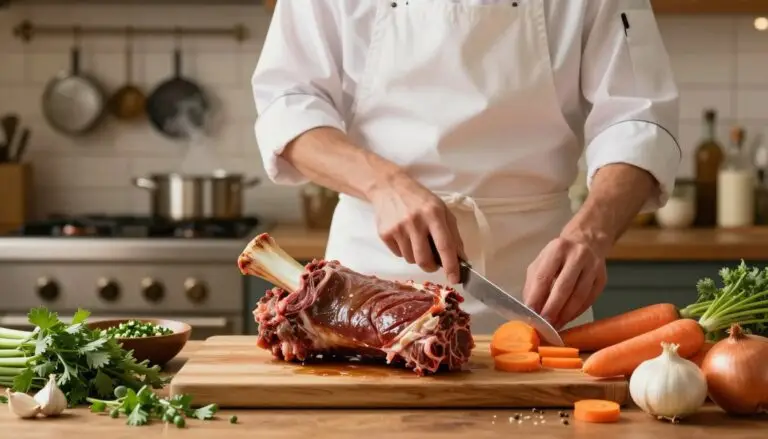
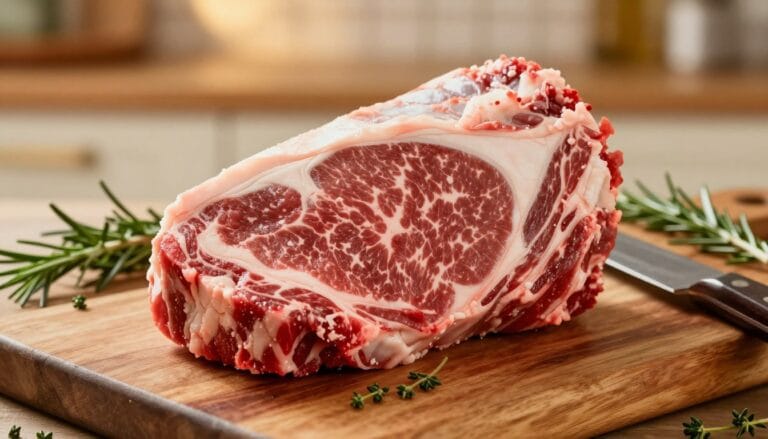
When picking beef shanks, look for ones with a good mix of meat and bone. The bone makes the dish more flavorful. The meat should be deep red and coarse.
Avoid cuts with too much fat or those that look pale.
Trimming and Seasoning
Remove excess fat but keep some for flavor. Season with salt, pepper, and your favorite herbs and spices. Make sure to rub the seasoning all over the meat.
Searing for Maximum Flavor
Searing the cuts before slow cooking boosts flavor. Heat a skillet with oil over high heat. Sear until browned on all sides.
This step creates a crust that keeps juices in and adds texture.
How to Cook Beef Shank Using Different Methods
You can cook beef shank in several ways, like braising, slow cooking, and pressure cooking. Each method makes the meat tender and tasty. You can pick the one that fits your schedule and taste.
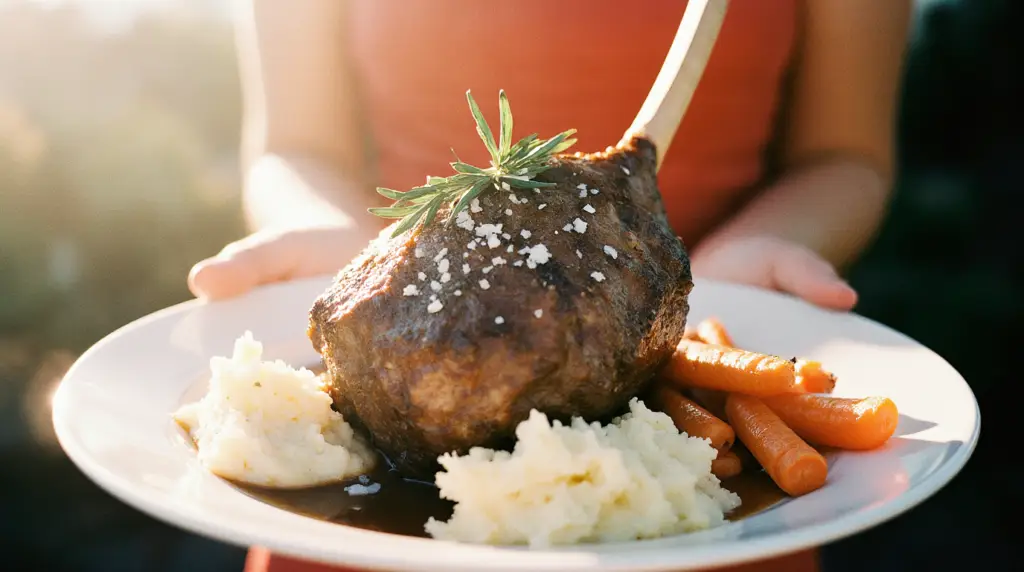
Braising Beef Shanks in the Oven
Braising is a moist-heat method. It cooks the beef shank in liquid at low heat for a long time. This makes the meat tender and flavorful.
Temperature and Timing Guidelines
For oven braising, keep the temperature low. Heat your oven to 300°F (150°C). Cooking time varies by shank size, but it’s usually 2.5 to 3 hours.
- Season the beef shanks with salt, pepper, and herbs.
- Sear the beef shanks in a hot pan to get a crust.
- Put the beef shanks in a Dutch oven or heavy pot with a lid. Add your braising liquid.
Best Liquids for Braising
The liquid you choose affects the flavor of your beef shank. Popular options include:
- Stock (beef or vegetable)
- Wine (red or white)
- Broth
- A mix of stock and wine or other liquids
Choose a rich and flavorful liquid to enhance the dish’s taste.
Slow Cooker Method for Beef Shanks
The slow cooker is great for cooking beef shank. It’s perfect for those who want a meal ready when they get home.
Setting Up Your Slow Cooker
Start by seasoning the meat with spices and herbs. Then, sear the beef shank in a pan. Place it in the slow cooker, add your liquid, and cover it.
Cooking Times on Low vs High
Cooking time in a slow cooker varies by heat setting:
| Cooking Setting | Cooking Time |
|---|---|
| Low | 8-10 hours |
| High | 4-6 hours |
Low setting is best for tender results.
Pressure Cooker and Instant Pot Technique
Cooking beef shank in a pressure cooker or Instant Pot is quick. It’s perfect for those in a hurry.
To cook in a pressure cooker or Instant Pot, follow these steps:
- Season and sear the beef shank.
- Add the beef shank and your chosen liquid to the cooker.
- Cook on high pressure for 30-40 minutes, then release naturally.
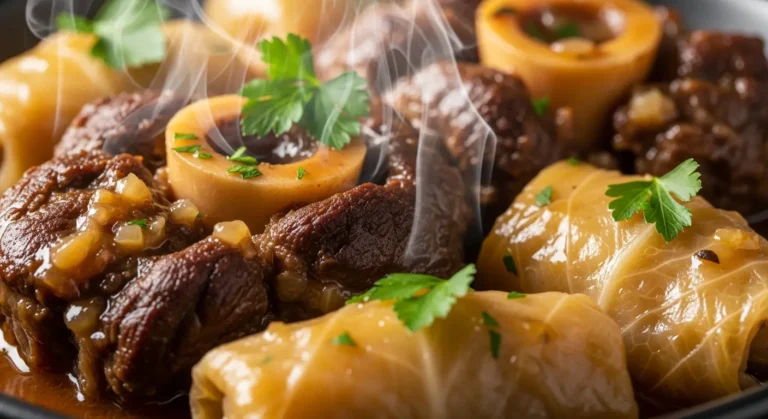
Classic Beef Osso Buco Recipe
Beef osso buco is a traditional Italian dish from Milan. It’s a hearty dish that highlights the tender and rich flavor of braised beef shank.
To make classic beef osso buco, you’ll need:
- Beef shanks
- Vegetables (onions, carrots, celery)
- White wine
- Stock
- Tomato paste
- Herbs (thyme, bay leaves)
This recipe is a great example of how to cook beef shank perfectly using braising.
Tips and Techniques for Perfectly Tender Beef Shanks
Getting tender beef shanks is more than just cooking time. It’s about the technique and keeping the temperature right. With a bit of know-how, you can make your beef shanks tender and delicious.
Maintaining the Right Cooking Temperature
Keeping a steady, low temperature is key for tender beef shanks. Low and slow cooking breaks down the meat’s connective tissues. This makes the meat tender and falls off the bone. For braising, aim for a temperature of about 300°F (150°C). Slow cookers work great at their low setting for 8 to 10 hours.
“Cooking beef shanks low and slow is essential,” says Chef John. “It dissolves the collagen and infuses the meat with flavors.” This method tenderizes the meat and adds rich flavors from the cooking liquid.
How to Test for Doneness
It’s important to check if your beef shanks are done. The best way is with a meat thermometer. It should read at least 190°F (88°C) for tenderness. You can also use a fork or knife to check by inserting it into the thickest part. If it slides in easily, it’s done.
- Check the internal temperature with a meat thermometer.
- Use the fork or knife test for tenderness.
- Be patient and let the meat rest before serving.
Resting and Serving Your Cooked Beef Shank
After cooking, let the beef shanks rest. This lets the juices redistribute, making the meat tender and flavorful. Just remove the shanks from the liquid and let them sit for 10 to 15 minutes before serving.
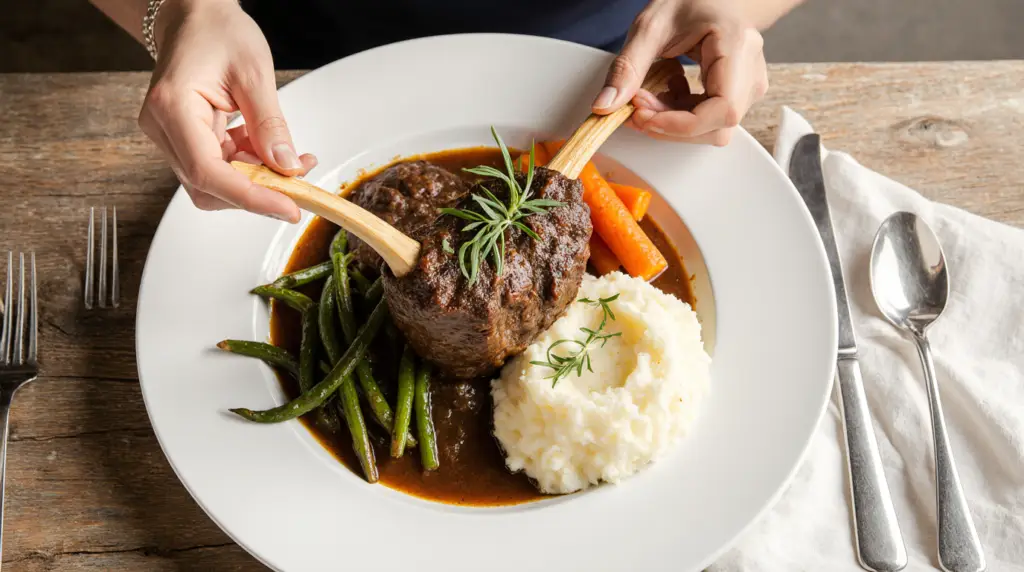
When serving, pair the beef shanks with sides that soak up the sauce. Risotto, polenta, or crusty bread are great choices. As Giada De Laurentiis advises, “A great osso buco needs a side that complements its rich flavors.”
Common Mistakes to Avoid
Steering clear of common mistakes can make your beef shank dish exceptional. Avoid cooking at too high a temperature, which can toughen the meat. Also, don’t forget to let the meat rest long enough to stay tender.
| Mistake | Consequence | Solution |
|---|---|---|
| Cooking at too high a temperature | Tough, overcooked meat | Maintain a low temperature (around 300°F or 150°C for braising) |
| Not resting the meat | Less tender and less flavorful meat | Let the meat rest for 10 to 15 minutes before serving |
Conclusion
Cooking beef shank needs patience and the right methods. It’s key to slow cook and understand the role of connective tissue. This makes the meat tender.
Follow the methods like braising, slow cooker, or pressure cooker. These help make dishes like Osso Buco tender and delicious.
Keep the cooking temperature right and check for doneness. Let the meat rest before serving. With practice, you’ll get great at cooking beef shank.
FAQ
Why is the beef shank bone so important for the flavor of the dish?
The beef shank bone is packed with marrow. This marrow melts during slow cooking, adding a rich, buttery flavor to your sauce. Keeping the bone in your beef osso buco recipe makes the sauce silky and delicious.
How do you choose the best beef shanks at the butcher shop or grocery store?
Look for beef shanks that are the same thickness for even cooking. Choose meat with a deep red color and visible marbling, like Certified Angus Beef. Make sure the bone has enough meat and avoid grey or dry cuts.
Can I use an Instant Pot to speed up the cooking time for beef shanks?
Yes, you can. Cooking in an Instant Pot or similar pressure cooker takes about 45 to 60 minutes. This method breaks down the tough connective tissue quickly, keeping the flavor rich.
Should you trim the silver skin and fat from your beef shanks before cooking?
Trim the thick silver skin but leave the internal connective tissue and some fat. This tissue turns into tender gelatin during slow cooking. Use butcher’s twine to keep the meat in place for a nice presentation.
How do you know exactly when your beef shank is perfectly tender?
Use the “fork-tender” method to check for doneness. If the meat slides off the bone easily, it’s ready. A digital thermometer should read between 200°F and 205°F for the best texture.
What is the best liquid to use when braising a beef shank with bone?
Use a mix of high-quality beef stock and dry red wine, like Cabernet Sauvignon or Merlot. Add sautéed onions, carrots, and celery, and a splash of acidity from canned San Marzano tomatoes. This creates a rich, savory sauce.