Knuckle Meat Beef: Tender, Flavorful, and Versatile
Have you ever seen knuckle meat beef at the butcher shop and wondered about it? It’s a lean cut that often gets overlooked. But chefs and home cooks know its worth.
Exploring knuckle meat beef can change your cooking game. It’s lean yet packed with flavor. You can make meals that wow your loved ones.
Knowing what makes this cut special will boost your cooking skills. You’ll see why it’s great in many dishes. With the right tips, you’ll cook with confidence and make tasty meals.
This guide covers everything you need to know. You’ll learn how to pick the best cuts and how to cook them. You’ll get tips for the best taste and texture.
Table of Contents
Understanding What Is Beef Knuckle
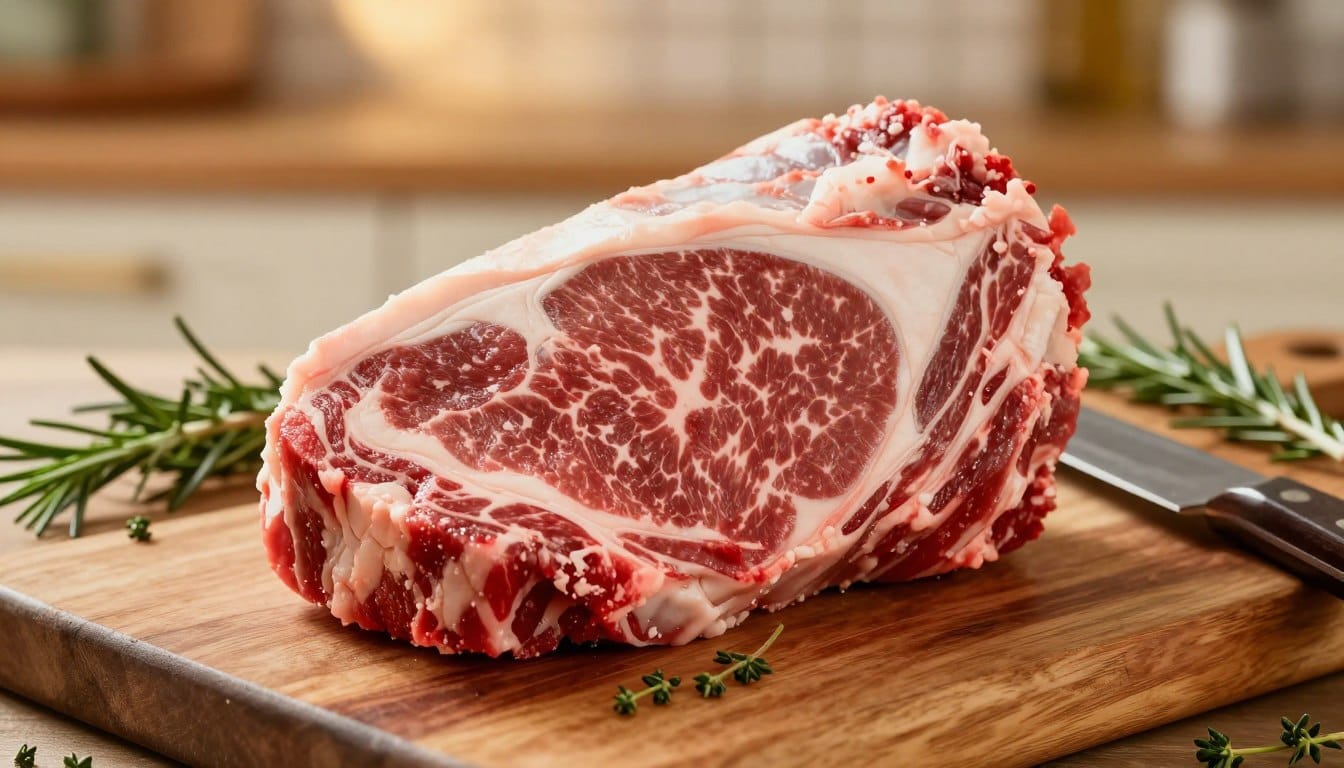
When you go shopping for beef, you see many cuts to pick from. The beef knuckle is one cut that really stands out. It comes from the cow’s hind leg and is a great value. Knowing where it comes from helps you cook better at home.
So, what is beef knuckle? It’s a lean muscle group in the cow’s upper back leg. This area has several muscles that work well together. It’s great for many cooking methods, from roasts to ground beef.
Defining the Cut
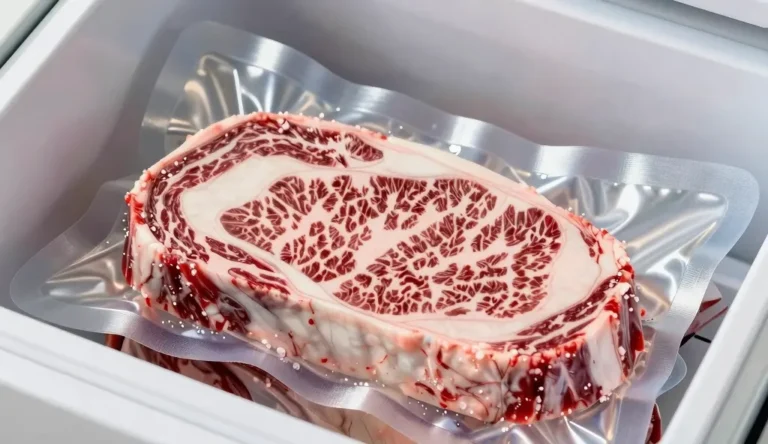
Beef knuckles are a group of muscles from the sirloin tip. These muscles are lean, making them a healthier choice. A whole knuckle can weigh between 15 to 20 pounds.
This cut has several smaller muscles with their own texture and grain direction. Knowing these differences helps you cook the meat just right for your recipe.
Why Butchers Value This Portion
Butchers love the beef knuckle for good reasons. It has a lot of usable meat with little waste. Buying this cut means you get more meat for your money than other cuts.
- Lean meat composition reduces fat trimming
- Consistent texture throughout the muscles
- Multiple cooking options from one cut
- Excellent meat-to-bone ratio when boneless
- Cost-effective choice for families and restaurants
This cut is a favorite in both professional kitchens and home cooking. Your butcher can tailor it to fit your cooking needs, whether whole, sliced, or cubed.
The Anatomy of the Sirloin Tip Knuckle
Knowing about beef cuts helps you choose wisely at the butcher. The sirloin tip knuckle is special because of its location. It has qualities that make it different from other cuts. Understanding this helps you cook it better.
Defining the Cut
The sirloin tip knuckle is found above the beef hindquarters’ kneecap. It’s from the sirloin tip, making it slightly more tender than the bottom round. It has a consistent grain and moderate marbling.
This cut weighs 12 to 18 pounds when sold whole. It’s triangular with a thin fat cap outside. Inside, it’s lean and deep red, showing it’s high-quality meat.
Why Butchers Value This Portion
Butchers love this cut for many reasons:
- It’s great for many dishes
- It’s lean, perfect for health-conscious eaters
- It’s big enough for roasts or steaks
- It’s easy to trim
- It’s a good value compared to other cuts
Butchers keep this cut in stock because people like it for roasting and stewing. It cooks well in many ways, making it great for both restaurants and home cooks. Its quality and price make it a favorite for tasty, affordable meals.
Exploring the Versatility of Knuckle Meat Beef
Knuckle meat beef is a standout in your kitchen. It’s lean and adapts well to many cooking styles and flavors. It’s great for quick weeknight dinners or special meals for guests. Its natural makeup suits various cooking methods and cuisines.
Adapting to Different Cuisines
Your knuckle meat beef is perfect for dishes from all over the world. Its mild taste is a great base for bold spices and seasonings. Here are some ideas:
- Asian stir-fries with ginger, garlic, and soy sauce
- Latin American slow-cooked stews with cumin and chiles
- European pot roasts with root vegetables
- Middle Eastern kebabs with warming spices
- African braises with tomatoes and peanuts
This cut soaks up marinades and seasonings well. Your family will love meals that taste like they’re from a restaurant, thanks to the right cooking.
Texture and Flavor Characteristics
Knowing how your knuckle meat beef works is key to cooking it right. It has a lean muscle structure with little fat. Cooked well, it becomes tender and delicious.
| Cooking Method | Best Result | Time Required |
|---|---|---|
| Slow Cooking | Tender, moist meat | 6-8 hours |
| Stir-Frying | Quick, flavorful slices | 10-15 minutes |
| Roasting | Caramelized exterior | 1.5-2 hours |
| Braising | Fall-apart tender | 2-3 hours |
Your knuckle meat beef offers nutritionally dense meals that are filling but not too fatty. Slice it thinly for fast cooking or in chunks for slow braises. Its versatility means you’ll keep coming back to it.
Nutritional Profile of Your Favorite Cut
Choosing beef knuckle for your meals is a smart move. It offers great nutritional benefits. This cut is rich in quality protein and low in fat, making it a lean meat choice.
The nutrients in beef knuckle are key for your body’s health. It’s packed with iron, which is vital for healthy blood and oxygen transport. Zinc in this cut boosts your immune system and aids in wound healing.
Key Nutrients Found in This Cut
Beef knuckle also provides essential vitamins. You get B-vitamins like B12 and niacin. These vitamins help keep your energy up and support your brain.
- Iron for healthy red blood cells
- Zinc for immune system support
- Vitamin B12 for energy production
- Niacin for metabolism and nerve health
- Selenium for antioxidant protection
- High-quality complete protein
The protein in beef knuckle is complete, meaning it has all nine essential amino acids. A single serving gives your muscles the building blocks for strength and recovery. Plus, it’s lean, so you don’t get too much saturated fat.
Adding beef knuckle to your meals is a wise choice for your health and nutrition goals.
Comparing Beef Knuckle vs Round
When you’re shopping for beef cuts, it’s important to know the differences. Both knuckle and round cuts come from the cow’s hindquarters. But they behave differently in the kitchen. Knowing the difference helps you choose the right cut for your next meal.
Differences in Tenderness
The main difference is in texture. Beef knuckle is naturally more tender than the round. The round has denser muscle fibers that need different cooking.
This tenderness difference affects your cooking choices. The knuckle’s softer structure is great for quick cooking methods like roasting and sautéing. The round needs slower, moist cooking to soften its tougher fibers.
Best Uses for Each Muscle Group
Your cooking method should match your cut:
- Beef knuckle works well for roasting, braising, and thin-sliced dishes
- Round cuts suit slow-cooked stews, pot roasts, and ground beef applications
- Knuckle meat becomes perfect for stir-fries and quick-sear recipes
- Round performs best in long, slow cooking processes
Choosing the right cut between beef knuckle vs round makes your dish tender and flavorful every time.
Selecting the Best Boneless Beef Peeled Knuckles
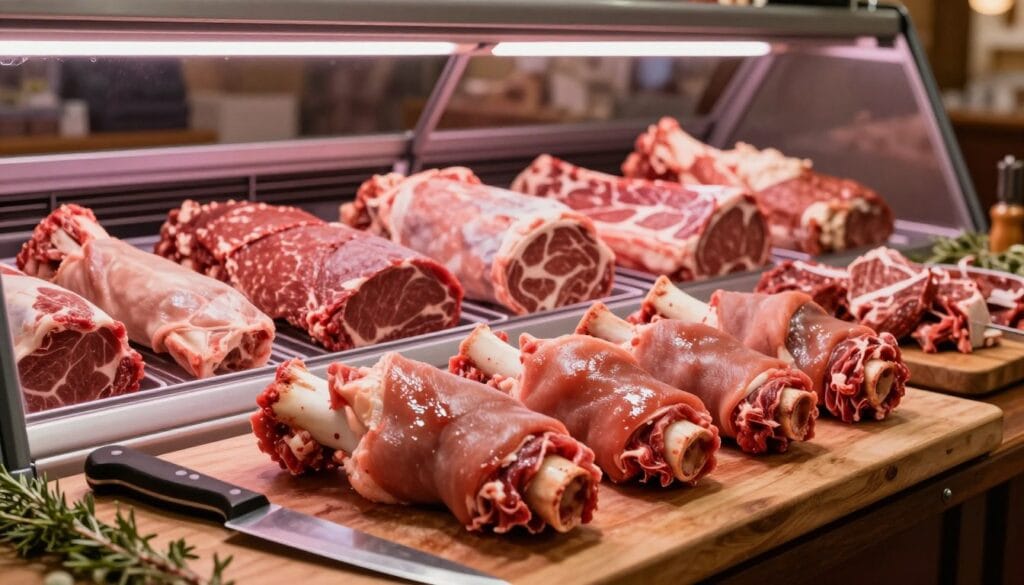
When you enter a butcher shop or the meat section, knowing how to choose quality boneless beef peeled knuckles is key. This cut is ready for your kitchen, saving you time and effort. The fat and connective tissue are removed, so you can focus on seasoning and cooking.
Defining the Cut
Boneless beef peeled knuckles are a specific part of the leg, trimmed and cleaned for you. They come from the sirloin tip area, providing lean, flavorful meat for roasting or slicing. This cut is boneless, making cooking and carving easier.
Look for these qualities when choosing your meat:
- Bright, consistent color that indicates freshness
- No dark spots or discoloration on the surface
- Firm texture that springs back when you press it gently
- Clean appearance with minimal surface moisture
- Even thickness throughout the piece
Why Butchers Value This Portion
Butchers love boneless beef peeled knuckles for their consistent quality and versatility. The lean meat cooks evenly, perfect for slow roasting or cutting into steaks. This cut is a smart choice for busy cooks who want great results without long kitchen hours.
When checking the meat, freshness is key. A bright color means the beef is fresh and handled well. Buy from trusted places like local butchers or quality grocery stores.
Preparing a Delicious Knuckle Roast
Preparing your knuckle roast requires patience and focus. This lean cut needs careful preparation to stay juicy and flavorful. The secret is in the seasoning and keeping an eye on the meat as it cooks. Follow these simple steps to make your beef knuckle roast tender and tasty.
Seasoning Your Roast
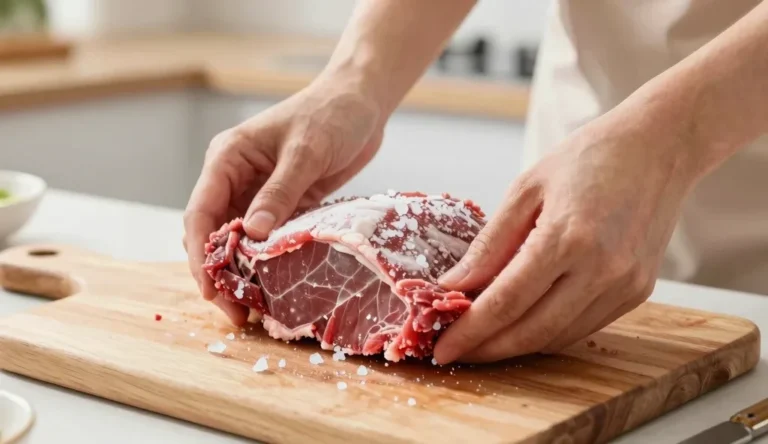
Begin by seasoning your roast at least an hour before cooking. This allows the flavors to penetrate the meat. Start with salt and pepper all over the surface.
Add your favorite dried herbs for extra depth. Here are some great options:
- Garlic powder
- Onion powder
- Dried rosemary
- Dried thyme
- Paprika
Make sure to rub the seasoning blend all over the meat. Don’t hold back on the spices—this cut can handle strong flavors.
Achieving the Perfect Internal Temperature
A meat thermometer is the best way to cook your knuckle roast perfectly. It takes all the guesswork out of cooking.
| Doneness Level | Internal Temperature | Color at Center |
|---|---|---|
| Rare | 125-130°F | Red |
| Medium-Rare | 131-135°F | Pink |
| Medium | 136-145°F | Light Pink |
| Medium-Well | 146-155°F | Mostly Brown |
Put your thermometer into the thickest part of the meat, avoiding bone. Check the temperature often to avoid overcooking. Take the roast out of the oven when it reaches your desired temperature. Let it rest before slicing.
Essential Beef Knuckle Cooking Methods
Beef knuckle cooking methods give you several great options to make this lean cut delicious. It’s important to pick the right method for your recipe and schedule. Learning these methods ensures tender and flavorful results every time.
Different cooking methods highlight the beef knuckle’s unique qualities. Your choice depends on your schedule, equipment, and desired texture. Let’s look at the top techniques used by home cooks and chefs.
Braising for Tender, Fall-Apart Meat
Braising is a top choice for tenderizing beef knuckle. This slow, moist-heat method uses liquid to cook the meat gently over hours. The meat becomes incredibly tender as the connective tissue turns into gelatin.
- Brown the meat in a hot pan to develop flavor
- Add liquid (broth, wine, or water) to cover halfway
- Cover and cook at 325°F for 3-4 hours
- Check tenderness with a fork before serving
Roasting at High Heat
High-heat roasting cooks the meat quickly. But, it requires careful attention to avoid drying out the meat. Keep an eye on the internal temperature throughout.
| Roasting Temperature | Cooking Time | Final Internal Temperature |
|---|---|---|
| 425°F | 20-25 minutes per pound | 140°F (medium-rare) |
| 375°F | 25-30 minutes per pound | 145°F (medium) |
Slow Cooker Convenience
Your slow cooker is perfect for beef knuckle when you want easy cooking. Just put the meat, veggies, and liquid in, set it on low, and let it cook. This method ensures tender results without needing to watch it constantly.
“Low and slow cooking transforms economical cuts into restaurant-quality meals.”
Choose your beef knuckle cooking method based on your time and equipment. Each method offers great flavor when done right.
Creative Knuckle Meat Recipes for Your Kitchen
Beef knuckle is a great choice for making tasty meals that wow your guests. It’s a versatile cut that turns out amazing with the right cooking methods. Whether you’re making slow-cooked dishes or quick weeknight meals, knuckle meat recipes always deliver tender and flavorful results.
Slow Cooker Inspirations
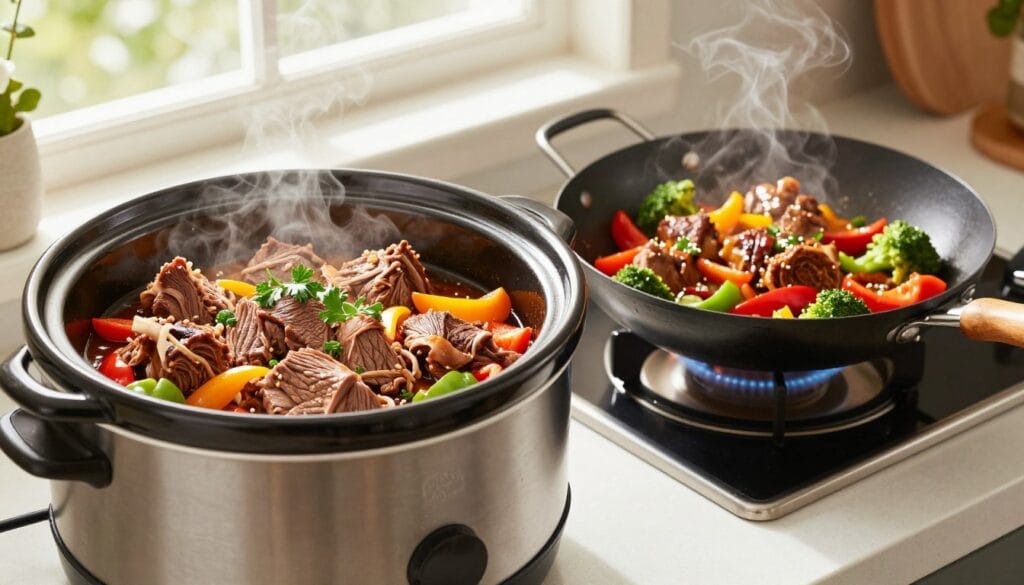
Your slow cooker is a lifesaver when cooking beef knuckle. It breaks down the meat so it’s tender and falls apart easily. Just set it on low for 8 to 10 hours, and you’re free to do other things.
- Layer your knuckle meat with carrots, potatoes, and onions
- Add beef broth mixed with red wine for deep flavor
- Season with garlic, thyme, and bay leaves
- Allow natural juices to create a rich gravy
The result is a melt-in-your-mouth pot roast that’s easy to make.
Stir Fry Techniques
For quick meals, slice the knuckle meat thinly against the grain. High heat sears the outside while keeping the inside tender. Serve it with fresh veggies for a complete meal in under 30 minutes.
- Slice the beef knuckle into strips approximately one-quarter inch thick
- Heat a wok or large skillet to high temperature
- Stir-fry the meat in batches for 3 to 4 minutes per batch
- Remove the meat and set it aside
- Cook your vegetables (bell peppers, broccoli, snap peas)
- Return meat to the pan with soy sauce and ginger
- Toss everything together for 2 minutes
This method lets you make restaurant-quality stir fry at home with little cleanup.
Sourcing Whole Beef Knuckle for Your Meals
Finding quality meat is key for memorable meals. A whole beef knuckle is great for your kitchen. It’s big enough for many dishes, from Sunday roasts to weekday leftovers.
Buying a whole beef knuckle saves money. It’s cheaper than buying smaller pieces. Working with your local butcher offers benefits that supermarkets can’t match.
Working With Your Local Butcher
Your butcher is the best for quality beef knuckle. They know their meat well and can trim it to your liking. This means removing excess fat or adjusting the size.
Talk to your butcher about your recipes. Tell them how you plan to cook the beef knuckle. This helps them pick the best cut for you. Many butchers offer special ordering for large cuts like a whole beef knuckle with advance notice.
Smart Sourcing Benefits
- Lower cost per pound compared to pre-packaged cuts
- Custom trimming according to your preferences
- Access to fresher meat with better quality control
- Personalized advice on cooking methods and recipes
- Options for specialty preparation or marinating
| Sourcing Option | Price Range | Customization | Quality Control |
|---|---|---|---|
| Local Butcher | $5.99-$7.99/lb | Excellent | High |
| Specialty Meat Market | $6.49-$8.49/lb | Very Good | Very High |
| Supermarket Butcher Counter | $6.99-$8.99/lb | Good | Good |
| Online Meat Delivery | $8.99-$10.99/lb | Limited | High |
Plan ahead to make sourcing easier. Call your butcher a few days before you need the meat. This ensures they prepare the perfect whole beef knuckle for you. Regular customers often get priority service and special deals.
Tips for Serving the Perfect Beef Knuckle Steak
To impress your family and guests, focus on the details when serving beef knuckle steak. The key steps are slicing correctly and letting the meat rest. These steps make your meal tender and flavorful.
Slicing Against the Grain
Knowing the meat’s muscle structure is essential. Muscle fibers run in one direction. Slicing against the grain shortens these fibers, making the meat tender.
To find the grain, examine the cooked meat. Look for lines across its surface. Place your knife across these lines. Slice thinly and at an angle for the best results. This is great for tougher cuts.
Resting Your Meat for Maximum Juiciness
Resting your beef knuckle steak is vital for juiciness. Let it rest for at least 10 minutes after cooking. This allows the juices to spread evenly throughout the meat.
Without resting, juices will spill out instead of staying inside. Cover your steak with foil to keep it warm. This makes the meat more flavorful and moist.
| Serving Technique | Time Required | Primary Benefit |
|---|---|---|
| Slicing Against the Grain | 5-10 minutes | Increased Tenderness |
| Resting Period | 10-15 minutes | Maximum Juice Retention |
| Thin, Even Slices | 3-5 minutes | Better Texture |
| Loose Foil Tenting | 10 minutes | Heat Preservation |
By following these steps, you can serve beef that’s as good as a restaurant’s. Your guests will notice the difference right away.
Conclusion
Beef knuckle is a versatile and nutritious choice for dinner. It offers great flavor and tender results with the right cooking methods. You can roast it whole, slice it thin for stir fries, or slow cook it.
The muscle groups in this cut work well with different cooking styles. You can make elegant steaks or comfort food classics. This makes beef knuckle a great choice for many dishes.
Learning to cook beef knuckle opens up new cooking adventures at home. Slicing against the grain makes it tender and enjoyable. Keeping an eye on the internal temperature ensures it stays juicy and perfect.
These simple techniques help you achieve restaurant-quality results in your kitchen. With a bit of practice and attention to detail, you’ll master these skills.
Now you can confidently select, prepare, and serve beef knuckle. This guide covers every step of cooking. From choosing the right cut to plating your dish, you’re all set.
Start trying out new recipes and cooking methods with this exceptional beef cut. Your family will love the delicious meals, and you’ll enjoy the value and nutrition it adds to your meals.