Savor the Taste of Smoked Corned Beef
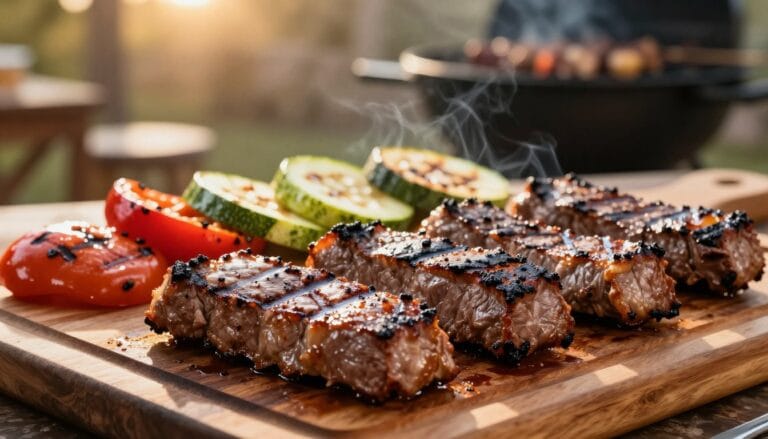
There’s something special about pulling a perfectly smoked brisket off the grill. The aroma fills your backyard, and you know your guests are about to experience something truly memorable. Creating corned beef smoked meat at home feels like unlocking a culinary secret that only professional pitmasters understand.
Transforming a standard cured brisket into a gourmet meal is within your reach. This guide walks you through every step of the smoking process. You’ll learn how to select the right cut, prepare your meat, and master the heat. The result is a dish with deep, complex flavors that will impress everyone at your table.
Your backyard barbecue game is about to level up. You don’t need years of experience to achieve restaurant-quality results. These professional techniques are simple to follow and produce incredible outcomes. By the end of this journey, you’ll understand exactly how to balance salt, spice, and smoke into one unforgettable meal.
Table of Contents
Understanding the Appeal of Smoked Corned Beef
Smoked corned beef has a unique taste that stands out from regular cooking. Smoking adds layers of flavor that boiling or braising can’t. This process changes a simple cut into something truly special.
Many home cooks find that smoking corned beef opens new doors in their kitchen. The mix of curing and smoking creates a depth that makes people want more.
Why Smoking Transforms Cured Beef
Smoking cured beef introduces smoke into the meat fibers. This creates a “bark” on the outside, full of flavor. Inside, the meat stays tender and juicy.
Smoke and the meat’s proteins react to create complex flavors. The salt from curing is balanced by wood smoke. This keeps the meat from tasting too salty.
- Smoke penetrates deep into muscle fibers
- Heat breaks down connective tissues gradually
- Smoke compounds bond with meat proteins
- Natural juices stay trapped inside
The Flavor Profile of Smoked Brisket
Your smoked corned beef brisket will have unique flavors. The outside gets a smoky, savory crust. The inside is tender, with hints of salt and richness from fat.
| Flavor Element | Source | Impact on Taste |
|---|---|---|
| Smoke Ring | Wood smoke and heat reaction | Adds smoky, rich depth |
| Salt Notes | Original curing brine | Enhances overall savory quality |
| Tender Texture | Low-and-slow smoking method | Creates melt-in-mouth sensation |
| Bark Crust | Spices and heat exposure | Provides pleasant contrast and crunch |
The beauty of smoking is how it enhances the meat’s natural qualities. You get the comfort of corned beef with a smoky twist.
Essential Equipment for Your Smoking Setup
Creating the perfect smoking setup is key for making great homemade smoked corned beef. The right tools ensure your meat turns out tender and full of flavor. You don’t have to spend a lot to start. What matters most is that your equipment works well together.
Your smoker is the heart of your setup. There are many types, each with its own strengths. Think about your space, budget, and cooking style to choose the best one for you.
- Charcoal offset smokers offer traditional flavor and excellent heat control
- Pellet grills provide convenience with automated temperature management
- Electric smokers deliver consistent results with minimal effort
- Drum smokers work well for smaller spaces and tight budgets
Having the right tools makes cooking safer and easier. These items help you avoid accidents and improve your results:
- Heat-resistant gloves protect your hands from burns and hot surfaces
- Heavy-duty aluminum foil helps manage moisture and prevents flare-ups
- Reliable thermometers ensure accurate temperature monitoring
- Long-handled tongs keep you safely away from hot grates
- Quality fuel sources maintain consistent heat throughout cooking
Don’t underestimate the importance of fuel quality. Charcoal, wood pellets, or electricity must provide steady heat. Unstable temperatures can ruin your meat and waste ingredients. Always have extra fuel ready before you start.
Investing in good equipment now saves you from future headaches. You’re preparing to make delicious homemade smoked corned beef that’s as good as what you find in restaurants.
Selecting the Perfect Cut for Your Smoked Corned Beef Brisket
The key to great smoked corned beef brisket is picking the right meat. The meat’s quality affects its cooking and tenderness. A good brisket should be even in thickness for even heat.
Choosing the right cut is essential. The meat should feel firm and have a good color. Look for balanced marbling, which keeps the meat moist during smoking.
Identifying Quality Brisket Flats
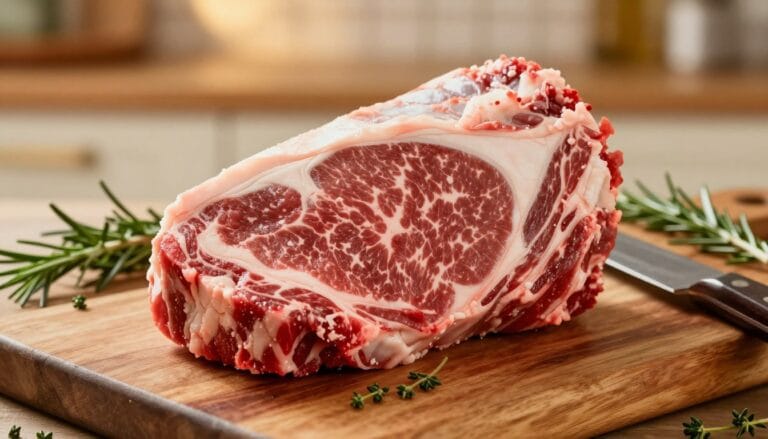
Brisket flats are the best for smoking. They come from the cow’s bottom chest. For home smoking, choose flats that weigh 8 to 12 pounds. They should have a reddish-pink color with white fat streaks.
- Look for uniform thickness across the entire piece
- Choose flats with visible marbling patterns
- Avoid pieces with dark spots or unusual discoloration
- Feel the meat for firmness and elasticity
Trimming Excess Fat for Even Cooking
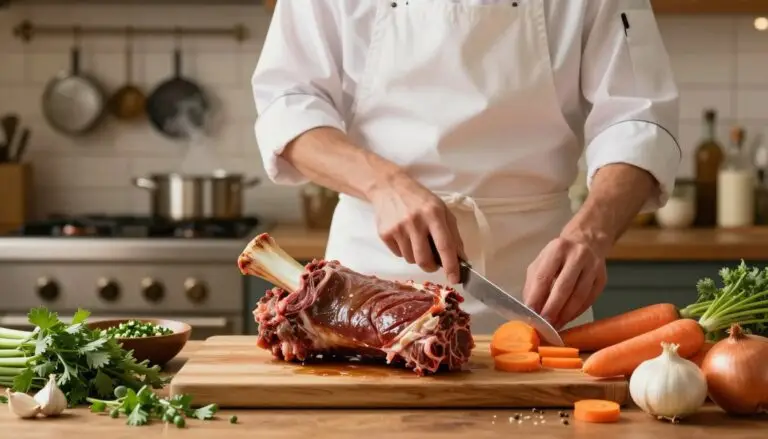
Trimming is key for even cooking. Trim the fat cap to about a quarter-inch. This lets smoke reach the meat without drying it out. Use a sharp knife and work slowly.
Even trimming prevents hot spots and ensures uniform cooking. Remove thick fat from the sides. But leave some marbling inside for flavor and moisture.
| Trimming Task | Purpose | Result |
|---|---|---|
| Remove thick fat cap | Allow smoke penetration | Better flavor absorption |
| Trim side edges | Promote even cooking | Consistent texture throughout |
| Keep internal marbling | Retain moisture | Tender, juicy meat |
Take your time preparing. A well-chosen and trimmed brisket ensures a successful smoking experience.
Preparing Your Meat for the Smoker
Getting your brisket ready for the smoker is key to success. Proper preparation is the first step in learning how to smoke corned beef well. Your meat needs care before it goes on the grates. Taking the time to prepare it right makes a big difference in the taste.
Begin by rinsing your corned beef brisket under cold water. This removes extra salt from the curing brine. Too much salt on the outside can make your meat taste too salty. Rinse for a few minutes until the water is clearer. Make sure to clean any crevices or thick spots where salt likes to stick.
After rinsing, dry your brisket with paper towels. Moisture on the surface stops bark from forming. Bark is that tasty, crusty outside that forms during smoking. A dry surface helps smoke stick better to your meat. Spend more time on thick spots that hold water.
Let your brisket sit at room temperature for thirty to forty minutes. This lets the meat warm up a bit. Even cooking happens when your meat isn’t cold from the fridge.
Key Preparation Steps
- Rinse the brisket thoroughly under cold water
- Pat the meat completely dry with paper towels
- Remove any excess surface salt from the curing brine
- Allow the meat to reach room temperature
- Inspect for any remaining moisture before smoking
Your brisket is now ready to soak up flavors from your chosen smoking wood and rub. This foundation ensures the best results when you smoke your corned beef.
Mastering the Art of Corned Beef Smoked Meat
To get the best flavor from your corned beef smoked meat, focus on seasoning and preparation. How you treat your brisket before smoking is key. You need to balance the salt in the cured beef with fresh spices and smoking.
Start by soaking and seasoning your meat well. These steps help make your meat tender and full of flavor. Your family will love it.
Applying Dry Rubs and Seasonings
A good dry rub enhances your smoked brisket. You want to add layers of flavor that match the meat’s natural taste. Here are some spices that work well:
- Black pepper for sharpness
- Coriander seeds for warmth
- Mustard seeds for tang
- Garlic powder for depth
- Paprika for color and mild sweetness
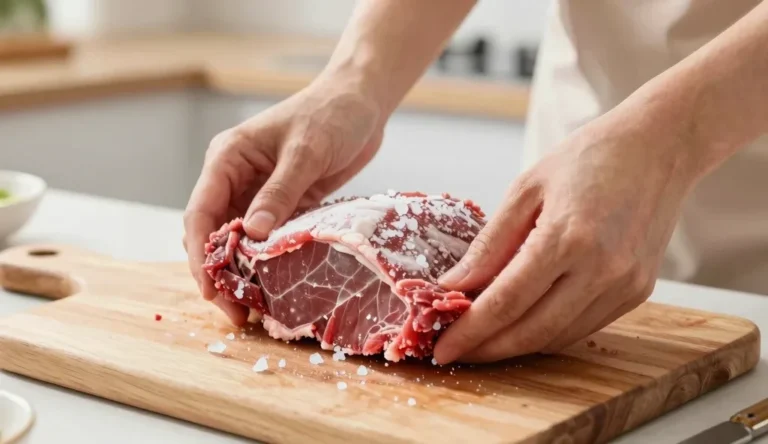
Mix these spices in equal parts for a balanced rub. Rub it all over your brisket. Press it in so it sticks during smoking.
The Importance of Soaking Before Smoking
Soaking your brisket is more important than you think. Cold water helps cut down on salt from curing. Soak it for four to eight hours in cold water. Change the water halfway for the best results.
This step stops your meat from tasting too salty. After soaking, dry the brisket with paper towels. Then, apply your dry rub.
| Preparation Step | Time Required | Purpose |
|---|---|---|
| Soaking in Cold Water | 4-8 Hours | Remove Excess Salt |
| Patting Dry | 10 Minutes | Prepare Surface for Rub |
| Applying Dry Rub | 15 Minutes | Add Flavor Layers |
| Resting Before Smoke | 30 Minutes | Allow Seasonings to Set |
Let your seasoned brisket sit at room temperature for 30 minutes before smoking. This lets the rub bond with the meat and deepen the flavors.
Choosing the Best Wood for Smoking Corned Beef
The wood you choose is key to your smoked corned beef’s taste. You want to balance the smoke’s flavor with the meat’s saltiness. This way, you enhance the beef’s taste without overpowering it.
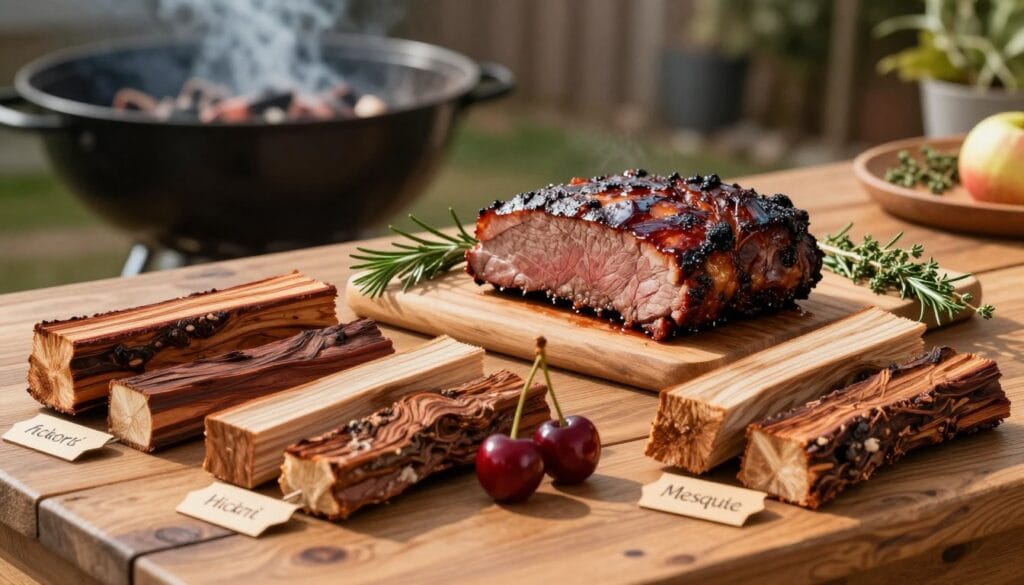
Each wood type brings a unique flavor to your dish. Fruit woods add gentle flavors that complement the spices in corned beef. Harder woods, on the other hand, offer deeper, stronger tastes that match the beef’s dense texture and saltiness.
Choosing the right wood changes everything from color to taste. Different woods burn at different speeds and create unique smoke profiles. Think about the flavor experience you want to create.
| Wood Type | Smoke Intensity | Flavor Profile | Best For |
|---|---|---|---|
| Apple Wood | Mild | Sweet and fruity | Complementing spices |
| Cherry Wood | Mild to Medium | Sweet with slight tartness | Adding color and depth |
| Oak Wood | Strong | Robust and traditional | Bold flavor lovers |
| Hickory Wood | Very Strong | Bold and smoky | Experienced smokers |
Apple and cherry woods offer mild, sweet smoke that pairs well with corned beef’s seasonings. These fruit woods won’t overpower your meat. They add a light golden color and keep the meat tender and moist.
Oak wood gives a more traditional, robust flavor. It’s great for those who prefer something stronger. Oak creates a classic BBQ taste that many love.
- Use fruit woods for lighter, sweeter results
- Choose oak for stronger, traditional flavors
- Avoid soft woods like pine or spruce
- Buy wood from a smoking supply store
- Soak wood chips for 30 minutes before use
Never use green or wet wood when smoking. Wet wood makes too much smoke and bitter flavors. Always buy wood from a smoking supply store to ensure it’s dry and treated for cooking.
Managing Your Smoking Corned Beef Temperature
Temperature control is key to a great smoked corned beef. It affects whether your meat is tender or tough. Learning the basics is the first step to success.
Keep the smoking corned beef temperature steady. Most aim for 225°F to 250°F. This slow cooking absorbs smoke flavor without drying out. Avoid sudden temperature changes.
Maintaining Consistent Heat Levels
To keep your smoker at the right temperature, watch your vents and fuel. Most smokers have vents for airflow. Open vents to increase temperature, close to decrease it. Make small adjustments.
Also, keep your firebox filled with wood and charcoal. Running out of fuel lowers temperature. Too much fuel causes hot spots. Check fuel every 30 minutes.
- Open bottom vents halfway to start
- Adjust top vents based on desired temperature
- Add fuel in small amounts to maintain steady heat
- Allow 10-15 minutes for temperature to stabilize after changes
Using Digital Thermometers for Accuracy
A good digital thermometer makes temperature control easy. Choose one that reads both smoker and meat temperatures. ThermoPro and Weber are good brands.
Put your smoker thermometer in the center of the grate. Place your meat probe in the thickest part of the brisket. Check readings every 30 minutes to track progress.
| Temperature Range | What It Means | Action to Take |
|---|---|---|
| Below 225°F | Too cool | Open vents wider and add fuel |
| 225°F-250°F | Ideal smoking zone | Maintain current settings |
| 250°F-275°F | Getting hot | Close vents slightly |
| Above 275°F | Too hot | Close vents more and reduce fuel |
“The difference between a good smoked brisket and a great one often comes down to patience and precise temperature management.”
Digital thermometers give you confidence in your cooking. You’ll know when your meat reaches 203°F internal heat. This lets you relax and enjoy the process.
Understanding the Differences Between Corned Beef vs Pastrami Smoking
Corned beef and pastrami both start as cured meats. But they differ a lot in how they’re made and taste. Knowing the difference between corned beef and pastrami smoking helps you choose for your next project. These two meats have a common start but go different ways with seasonings and cooking.
The big difference is in the spice mix and final temperature. Smoked corned beef gets little extra seasoning and is cooked to be tender and juicy. It keeps its mild, salty taste from curing.
Smoking pastrami from corned beef is a different story. You need to cover the meat in cracked peppercorns and coriander seeds. This makes the bark that pastrami fans love. Pastrami is also smoked to a higher temperature, making the flavors stronger and the crust thicker.
| Characteristic | Corned Beef | Pastrami |
|---|---|---|
| Primary Seasoning | Salt and spices from cure | Cracked peppercorns and coriander |
| Target Internal Temperature | 190-205°F | 205-210°F |
| Bark Development | Light and subtle | Heavy and spiced |
| Flavor Profile | Briny and tender | Spicy and robust |
Your choice depends on what you like. If you prefer milder tastes, go for smoked corned beef. For something spicier, turn your corned beef into pastrami with a thick spice rub before smoking.
Monitoring Your Smoked Corned Beef Cooking Time
Getting your smoked corned beef brisket just right takes patience and attention. It’s not about rushing through the hours on your smoker. You need to track both time and temperature for that tender, flavorful result.
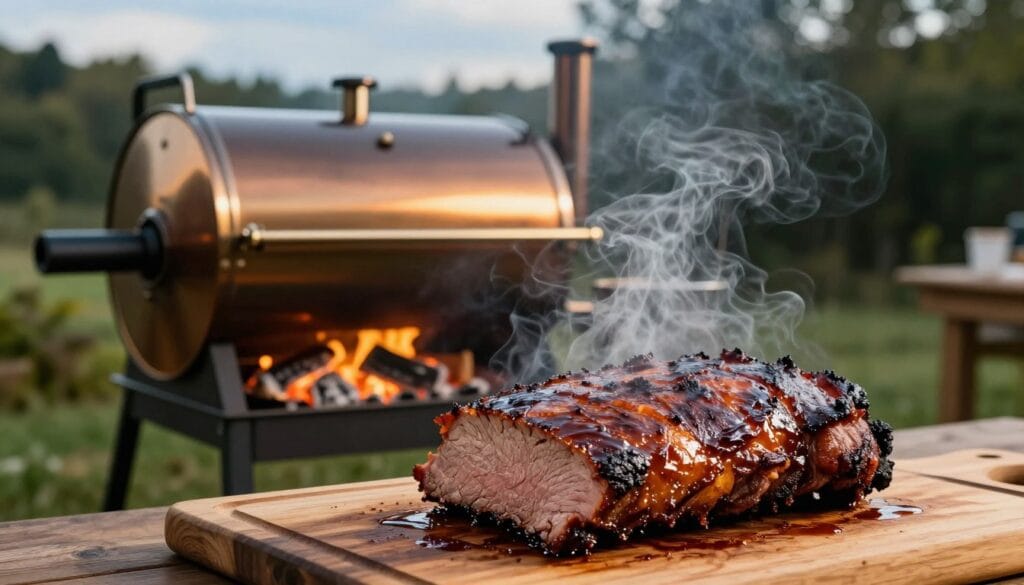
The cooking time varies based on your brisket’s thickness and your smoker’s stability. Plan for about one to one and a half hours per pound at 225°F. But, internal temperature is your true guide to doneness.
Determining When the Meat is Done
Your meat is done when it reaches an internal temperature of 195°F to 205°F. Use a reliable meat thermometer to check the thickest part of the brisket. This ensures the connective tissues break down, creating a melt-in-your-mouth texture.
Look for these signs of doneness:
- Internal temperature between 195°F and 205°F
- Meat pulls apart easily with a fork
- Fat renders properly throughout the brisket
- Probe slides through with minimal resistance
The Role of Resting Your Brisket
Once your meat reaches the target temperature, remove it from the smoker. Do not skip the resting period. This step is key for perfect texture and sliceability. Wrap your brisket in butcher paper or foil and let it rest for at least 30 minutes.
Resting your smoked corned beef brisket allows the muscle fibers to relax. This way, the flavorful juices redistribute throughout the meat. You’ll get moist, tender slices every time you cut into it.
Achieving the Perfect Texture and Flavor Profile
Getting the right texture in your smoked meat is key to great barbecue. You want it to be tender, so it falls off your fork. But, it should also be firm enough to slice thinly for sandwiches.
The magic happens when collagen in the brisket turns into gelatin during smoking. This makes your meat juicy and tender. The slow cooking method lets this process happen slowly, adding layers of flavor and texture.
- Dry meat happens when you cook too fast or at temperatures that are too high
- Tough bark forms when the outside cooks before the inside reaches tender doneness
- Mushy texture results from cooking too long at low temperatures
- Uneven texture means your heat distribution needs adjustment
The wrapping technique matters. Wrap your brisket in butcher paper or foil halfway through. This keeps moisture in and helps the collagen break down evenly. Check your meat regularly without opening the smoker too often.
Your final result depends on nailing the temperature, timing, and resting period. Great smoked meat takes patience and practice to master.
Serving Suggestions for Your Homemade Smoked Corned Beef
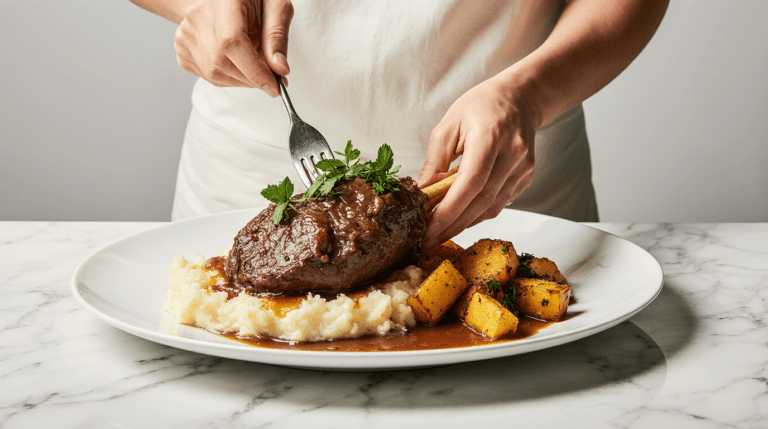
Once your homemade smoked corned beef has rested, it’s time to serve. How you slice and pair it greatly affects the experience. Your guests will appreciate the effort you put into choosing the best wood and preparing this dish.
The way you present your smoked meat is just as important as how you cook it. Slicing right and choosing sides can make your meal unforgettable and impressive.
Slicing Against the Grain
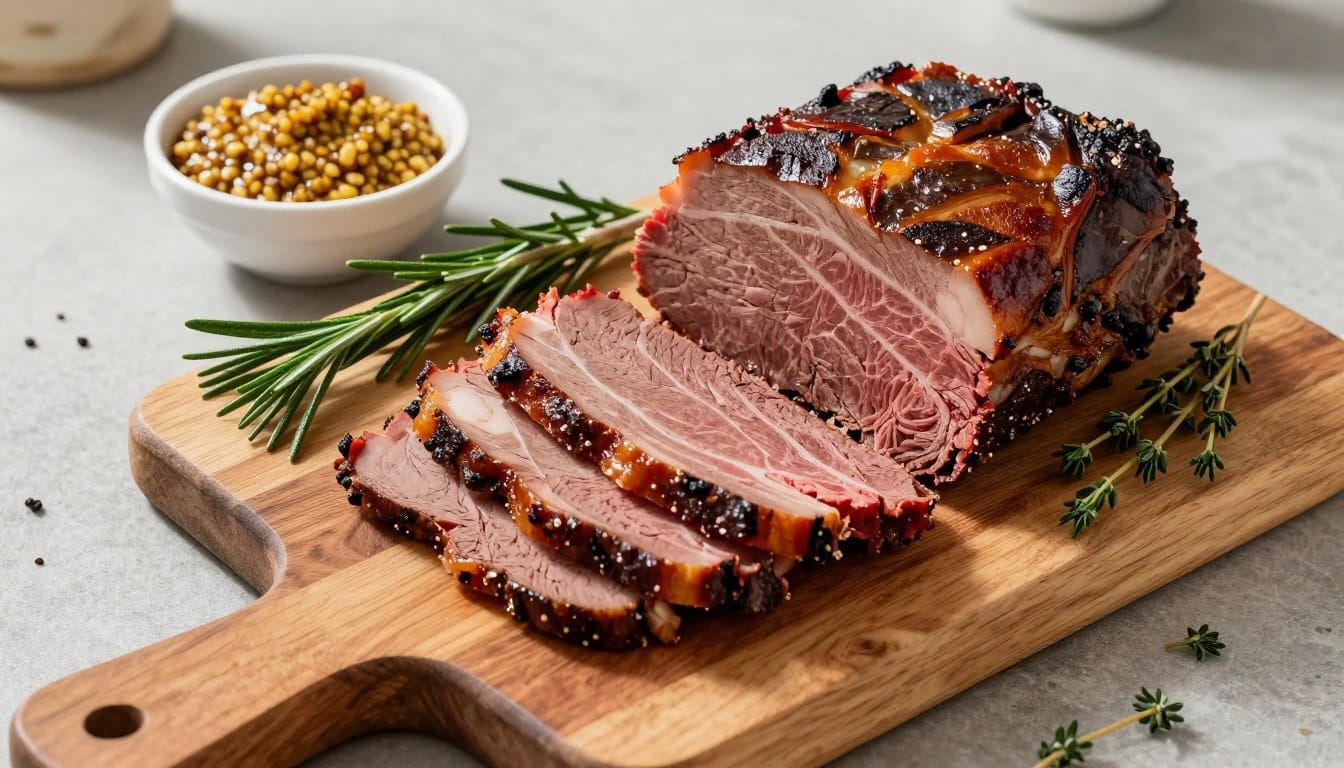
Knowing how to slice against the grain is key for tender meat. Corned beef’s muscle fibers run in one direction. Cutting against these fibers makes each bite more tender.
Always slice perpendicular to the grain, not parallel. This simple trick changes the texture a lot. Use a sharp knife and cut at a slight angle for even thinner slices. Your guests will notice the difference right away.
Pairing with Classic Sides
Your homemade smoked corned beef goes great with traditional sides. Try these classic combinations:
- Rye bread or pumpernickel for sandwiches
- Spicy brown mustard or whole grain mustard
- Pickled vegetables and vinegary slaw
- Steamed cabbage with caraway seeds
- Creamy coleslaw for contrast
These sides enhance the smoky flavors you worked hard to achieve. The tangy, acidic elements perfectly balance the meat’s richness.
Conclusion
You now have all the tools you need to master how to smoke corned beef in your own backyard. This guide walked you through each step, from picking the right brisket to managing your smoker’s temperature. With practice, you will create restaurant-quality meals that rival any deli.
Understanding the differences between corned beef vs pastrami smoking helps you make better choices for your next project. Both meats need care and attention, but corned beef brings its own special flavor when smoked correctly. You can adjust your techniques based on what you learn from each cook.
Keeping track of your smoked corned beef cooking time ensures your meat reaches the perfect tenderness every time. Different smokers and weather conditions change how long your brisket needs on the grill. Use a meat thermometer and trust the process as you build your smoking skills.
Your journey into smoked brisket cooking opens doors to new flavors and proud moments with family and friends. Try different wood types, experiment with rubs, and enjoy the satisfaction of sharing your creations. The time you spend smoking meat builds memories and skills that last a lifetime.