What Is Pork Schnitzel? A Beginner’s Guide to Pork Cutlets
There’s something magical about biting into a perfectly cooked breaded pork cutlet. The crispy golden coating shatters between your teeth, revealing tender, juicy meat. This dish is more than food; it’s a bridge between cultures and generations.
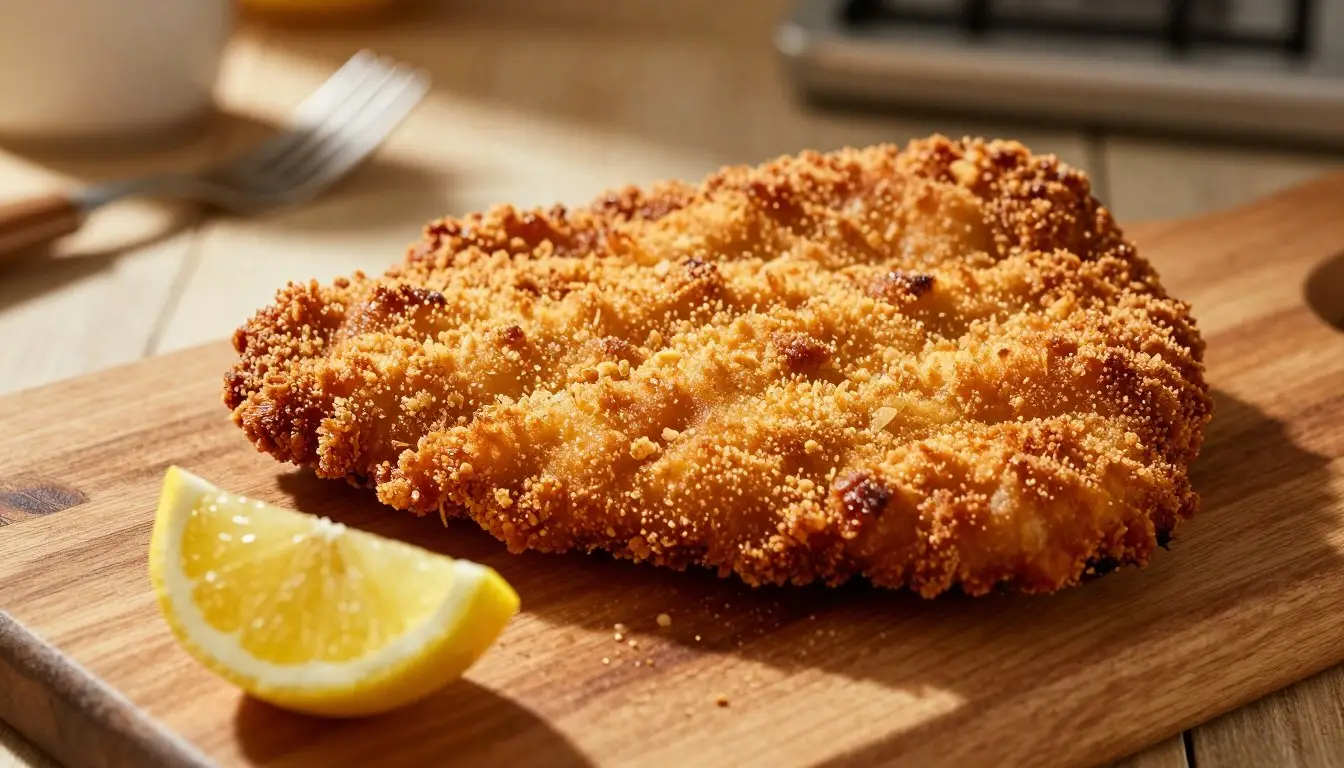
Pork schnitzel is a thinly pounded pork cutlet coated in breadcrumbs and fried until golden. The breading traps the meat’s juices, creating a delicious crunch. Its simplicity and technique make it special.
You might wonder how pork schnitzel differs from other breaded meat dishes. The key is in the preparation method and meat handling. Unlike heavier meat, a breaded pork cutlet stays light and elegant.
This guide will teach you how to make pork schnitzel at home. You’ll learn to select the right pork, master breading, and cook to perfection. It’s perfect for beginners or those looking to improve their skills.
By the end, you’ll see why pork schnitzel is a favorite for centuries. You’ll be confident to make it in your kitchen and impress your guests.
Table of Contents
Introduction to Pork Schnitzel
Pork schnitzel is a beloved breaded meat dish worldwide. It’s simple yet sophisticated, loved by both home cooks and chefs. Its enduring popularity is a testament to its timeless appeal.
What Makes Pork Schnitzel Unique?
The meat in schnitzel is pounded to make it tender. This process breaks down muscle fibers, turning tough cuts into tender ones.
The breading is a three-step process. First, flour, then egg, and finally breadcrumbs. Quick frying seals in juices, creating a crispy outside and juicy inside.
A Brief History of Schnitzel
Schnitzel comes from Austrian cuisine, becoming a national favorite. Vienna’s Wiener Schnitzel gained fame in the 18th century. It spread across Europe, and immigrants brought it to America, where pork became the main ingredient.
Popular Variations Across the World
Schnitzel has many regional styles:
- Wiener Schnitzel — the Austrian original made with veal
- Jägerschnitzel — a German pork dish topped with mushroom sauce
- Milanesa — Latin American versions with regional spice blends
- Israeli Schnitzel — chicken or turkey variations popular in the Middle East
Each version uses local ingredients and flavors. Exploring these variations deepens your appreciation for schnitzel.
Key Ingredients for Pork Schnitzel
Making a tasty pork schnitzel starts with knowing your ingredients. Each part is key to flavor and that golden crust. Choosing the right meat and setting up your breading station are crucial for a great dish.
Selecting the Right Cut of Pork
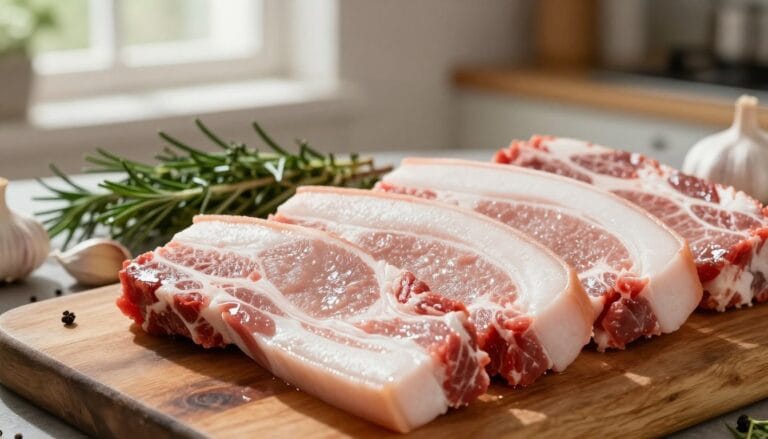
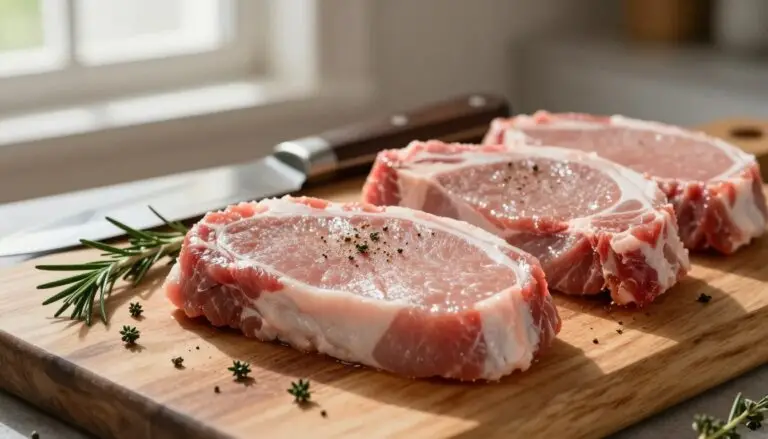
The pork cut you pick is vital. Pork loin and tenderloin are best because they’re lean and tender. They pound thin and cook fast without drying out.
A pork escalope is a thin pork slice perfect for schnitzel. You can find pre-sliced pork escalope at the butcher or slice a tenderloin yourself. Look for meat that’s light pink and firm.
For a pork tenderloin recipe, consider a whole tenderloin. Cut it into half-inch thick pieces. Pound each piece thin between plastic wrap. This ensures even cooking and keeps the meat moist.
Essential Bread Crumb Coating
Your breading station needs three parts. Arrange your workspace with these items:
- All-purpose flour in a shallow dish
- Beaten eggs in another shallow dish
- Breadcrumbs in a third shallow dish
Panko breadcrumbs make your schnitzel extra crispy. They fry up golden and crunchy. Fine breadcrumbs give a smoother crust. Choose what you like.
Popular Seasonings and Marinades
Seasoning your schnitzel right brings out its flavors. You can season with salt, pepper, paprika, and garlic powder in different ways:
| Seasoning Location | Purpose | Best For |
|---|---|---|
| In the flour | Base flavor for the coating | Everyday schnitzel |
| On the meat | Seasons the pork itself | Maximum flavor |
| In the breadcrumbs | Adds crust texture and taste | Extra crunch with flavor |
Marinades can add more flavor. A buttermilk soak tenderizes the meat. Lemon-herb marinades add brightness. You can skip marinades if you’re short on time and still make tasty schnitzel.
The Cooking Process
Learning how to cook your pork cutlet recipe is key. This part will walk you through each step, from preparing the meat to getting that perfect golden crust. Knowing these steps helps you make food as good as a restaurant’s at home.
Preparing the Pork Cutlets
Begin by picking pork cutlets that are about three-quarters of an inch thick. Place each cutlet between two sheets of plastic wrap or parchment paper. Use a meat mallet to gently pound the meat from the center outward until it’s evenly thin, about one-quarter to one-half inch.
This pounding step is crucial. It makes the meat tender by breaking down muscle fibers. It also ensures even cooking. But, don’t pound too hard, as it can tear the meat and ruin the coating.
- Use firm, controlled strokes with the mallet
- Work from the thickest parts first
- Check thickness by eye as you progress
- Pat dry with paper towels when finished
The Bread Crumbing Technique
The three-stage breading process is essential for crispy fried pork. Set up three shallow bowls with seasoned flour, beaten eggs, and breadcrumbs respectively.
- Coat the cutlet completely in flour, shaking off excess
- Dip it into beaten egg, ensuring full coverage
- Press the cutlet firmly into breadcrumbs on both sides
Use one hand for flour and the other for egg to avoid breading on your hands. After coating all cutlets, let them rest for ten to fifteen minutes. This allows the coating to set properly.
Cooking Methods: Frying vs. Baking
Your choice of cooking method changes both flavor and nutrition. Each method gives different results.
| Method | Temperature | Cook Time | Oil Amount | Best For |
|---|---|---|---|---|
| Pan Frying | 350°F | 3-4 minutes per side | Halfway up cutlet | Crispy exterior, tender interior |
| Baking | 400°F | 12-15 minutes | Light spray or brush | Lighter preparation, less oil |
Pan frying gives the most authentic crispy fried pork. Use vegetable oil, canola oil, or clarified butter. Heat the oil to three hundred fifty degrees before adding cutlets. Cook for three to four minutes on each side until golden.
Baking is a healthier option for your pork cutlet recipe. Preheat your oven to four hundred degrees. Place breaded cutlets on a lightly greased baking sheet. Bake for twelve to fifteen minutes until golden. This method uses less oil but still gives great results.
“The key to perfect schnitzel lies not in rushing the process but in respecting each step of preparation.”
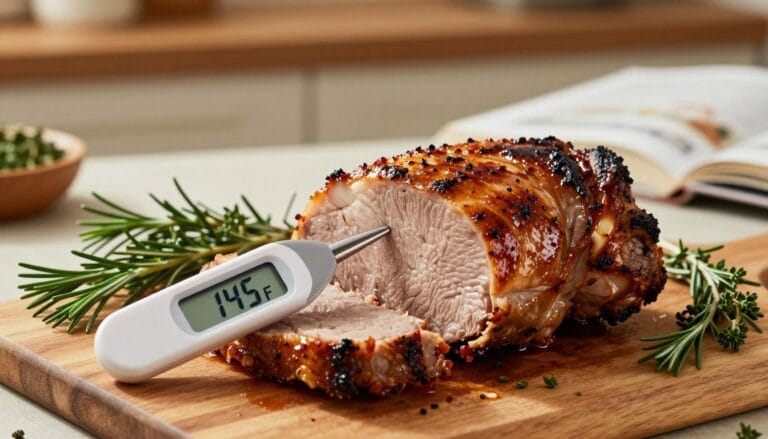
Check if the meat is done by ensuring the internal temperature is one hundred forty-five degrees Fahrenheit. A meat thermometer in the thickest part gives accurate results. Let your cooked cutlets rest for two minutes before serving.
Serving Suggestions
Turning your pork schnitzel into a full meal makes it unforgettable. Choose the right sides, sauces, and drinks to make it special. Think about balance, texture, and flavor when you plan your meal.
Traditional Side Dishes
For years, classic sides have gone great with schnitzel in Europe and more. These dishes highlight your crispy cutlet’s best features.
- German potato salad with vinegar-based dressing
- Warm potato salad with bacon
- Spätzle, those soft egg noodles from Bavaria
- Cucumber salad with dill and sour cream
- Red cabbage braised with apples
- Lingonberry preserves for a sweet-tart contrast
These sides are perfect with pork schnitzel. They mix the fried meat’s richness with fresh, tangy tastes. The acidity helps balance your meal.
Creative Garnishes and Sauces
While traditional schnitzel is great, you can also try new things. Always have fresh lemon wedges ready to squeeze over your schnitzel. Add some fresh parsley for color and freshness.
For sauces, try the classic gravy or mushroom cream sauce, known as Jägerschnitzel. It adds a rich flavor. You can serve sauces on the side to keep your schnitzel crispy. Or, drizzle them lightly for extra taste. Other options include creamy pepper sauce and light tomato sauce.
Pairing with Beer or Wine
The perfect drink makes your pork schnitzel meal complete. German lagers and pilsners are great because they cut through the fried taste. Austrian white wines like Grüner Veltliner or Riesling add freshness and acidity.
If you prefer not to drink alcohol, try sparkling water with lemon. It cleanses your palate between bites. Apple cider is another good choice, with its slight sweetness that goes well with traditional sides and schnitzel.
Nutritional Information
Knowing what you eat is key to making better choices. Pork schnitzel is tasty but understanding its nutritional value is important for your health. This section will break down the calories, proteins, and nutrients in pork schnitzel. You’ll learn how to enjoy this dish in a healthier way.
Caloric Content of Pork Schnitzel
A typical serving of pork schnitzel is 4 to 6 ounces and has about 350 to 500 calories. The exact calories depend on the size of your cutlet and how it’s prepared. Fried pork schnitzel gets extra calories from the oil, and the breadcrumb coating adds more calories than plain pork.
Frying a pork schnitzel cutlet uses 2 to 3 tablespoons of oil, adding 240 calories. Eating one smaller cutlet instead of two cuts your calorie intake in half.
Protein and Other Nutrients
Pork schnitzel is a protein powerhouse. Each serving has 25 to 35 grams of high-quality protein. This is great for active people as it helps muscles grow and repair.
Beyond protein, pork schnitzel offers important nutrients:
- B vitamins like B12 and thiamine support your energy levels
- Selenium protects your cells from damage
- Zinc boosts your immune system
- Phosphorus strengthens your bones
The fat content in pork schnitzel varies based on the pork cut. Leaner cuts have less fat. Traditional fried pork schnitzel has saturated and unsaturated fats from the cooking oil and meat.
Healthier Preparation Tips
You can make pork schnitzel healthier with smart cooking choices:
- Choose lean pork cuts like the loin instead of fattier parts
- Bake your pork schnitzel instead of frying it to cut calories nearly in half
- Use cooking spray rather than pouring oil into the pan
- Swap regular breadcrumbs for whole wheat or panko breadcrumbs for added fiber
- Drain cooked pork schnitzel on paper towels to remove excess oil
- Serve smaller portions and fill your plate with vegetables
These changes let you enjoy delicious pork schnitzel without eating too many calories. Your body and taste buds both win when you prepare it thoughtfully.
Pork Schnitzel in American Cuisine
Pork schnitzel is loved across the United States. It’s found on menus and dinner tables everywhere. This dish’s journey from Europe to America is interesting. It shows how a traditional dish became American while keeping its roots.
How It Became Popular in the US
German and Austrian immigrants brought schnitzel to America in the 19th and early 20th centuries. They settled in places like Wisconsin, Texas, Pennsylvania, and New York. There, they opened restaurants and butcher shops, introducing Americans to breaded pork cutlets.
After World War II, American soldiers came back with a taste for new foods. They looked for restaurants serving European dishes, including schnitzel. This made the breaded pork cutlet popular, turning it into an American favorite.
Regional Variations in America
Across the country, different regions have their own schnitzel styles. These reflect local tastes and traditions. Your choice depends on where you are in the country.
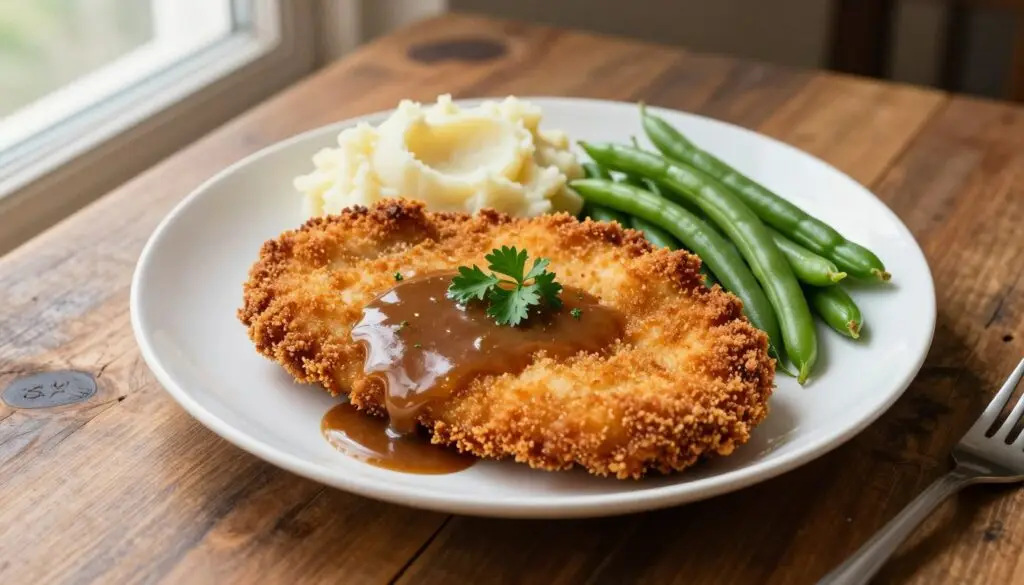
- Texas German Communities serve breaded pork cutlet with cream gravy and mashed potatoes
- Midwest Interpretations include beer-battered versions and traditional pan-fried preparations
- Milwaukee and Cincinnati feature strong German heritage influences in their schnitzel preparations
- Indiana and Iowa offer the pork tenderloin sandwich—a massive breaded pork cutlet on a bun
Modern Takes on Pork Schnitzel
Today, chefs are making the classic breaded pork cutlet their own. You’ll find new twists in American restaurants and food scenes:
- Schnitzel sandwiches with artisanal toppings and specialty breads
- Asian-inspired versions using panko coating with soy-ginger sauce
- Southern-style schnitzels topped with hot honey drizzle
- Upscale restaurant presentations that deconstruct the traditional dish
These modern takes respect the traditional breaded pork cutlet while exploring new flavors. Your dining experience shows how American creativity has made schnitzel versatile. It’s now a dish for any occasion or taste.
Making Pork Schnitzel at Home
Learning to cook a pork cutlet recipe at home opens up a world of culinary possibilities. Whether you are preparing dinner for your family or experimenting with new cooking techniques, making pork schnitzel in your own kitchen is easier than you might think. This section guides you through the essential steps and tools you need to succeed, even as a beginner.
Tips for First-Time Cooks
Starting your pork cutlet recipe journey begins with smart choices. Ask your butcher to slice the pork into thin cutlets, which removes the intimidation factor of pounding meat yourself. Set up your breading station before you start cooking. This means arranging your flour, eggs, and breadcrumbs in separate shallow dishes in a line.
Work with one cutlet at a time. Rushing through the process leads to mistakes and frustration. Keep your oil temperature steady and avoid crowding your pan. When too many cutlets cook together, the temperature drops and your coating becomes soggy instead of crispy. Use a meat thermometer to check that your pork reaches 145°F internally for food safety.
Remember that your first attempt may not be picture-perfect. That is completely normal. Your pork cutlet recipe will still taste delicious, and each time you cook, your technique improves. Embrace the learning process.
Essential Kitchen Tools
Having the right equipment makes preparing your pork cutlet recipe much easier. Here are the tools that will transform your cooking experience:
- Meat mallet or rolling pin for pounding cutlets to even thickness
- Plastic wrap or parchment paper to prevent splatter when pounding
- Three shallow dishes for your breading station setup
- Large heavy-bottomed skillet or frying pan for even heat distribution
- Tongs for flipping without piercing the meat
- Splatter screen to keep your stovetop clean
- Meat thermometer for checking internal doneness
- Wire rack set over a baking sheet for draining excess oil
Some tools are absolutely essential, while others enhance your cooking convenience. Invest in quality items that will last through many meals.
Common Mistakes to Avoid
Understanding what goes wrong helps you perfect your pork cutlet recipe. The most frequent errors include:
| Common Mistake | What Happens | How to Fix It |
|---|---|---|
| Uneven meat thickness | Some parts cook faster than others, creating dry spots | Pound meat consistently to uniform thickness |
| Skipping the resting period | Breading falls off during cooking | Let breaded cutlets rest for 10-15 minutes before frying |
| Oil temperature too high | Coating burns while meat stays undercooked | Maintain oil at 350-375°F |
| Oil temperature too low | Coating absorbs excess oil and becomes greasy | Use a thermometer to monitor oil temperature |
| Overcrowding the pan | Cutlets steam instead of frying properly | Cook in batches with adequate space between pieces |
| Flipping multiple times | Coating breaks apart and coating becomes uneven | Flip only once during cooking |
Each mistake teaches you something valuable about cooking your pork cutlet recipe. Understanding why errors occur helps you develop better instincts in the kitchen. With practice, these techniques become second nature, and you will confidently prepare restaurant-quality schnitzel at home.
Storing and Reheating Leftover Schnitzel
You’ve enjoyed a delicious pork schnitzel dinner, but you have leftovers. Proper storage and reheating techniques keep your pork schnitzel safe to eat and as tasty as possible. Learning the right methods prevents food waste and lets you enjoy this crispy dish for days after cooking.
Best Practices for Refrigeration
Start by letting your cooked pork schnitzel cool to room temperature before storing it. Never place warm cutlets directly into containers. Warm food creates steam and condensation, which ruins the crispy coating you worked hard to achieve. Wait about 20 to 30 minutes for the schnitzel to cool completely.
When you’re ready to store your pork schnitzel, use an airtight container to keep air out and prevent odors from spreading. Place parchment paper between each cutlet so they don’t stick together. Store your container in the refrigerator at 40°F or colder. Under these conditions, your pork schnitzel stays safe to eat for 3 to 4 days.
Freezing extends the life of your leftovers significantly. Wrap each cutlet tightly in plastic wrap to prevent freezer burn. Place wrapped cutlets into a freezer bag and remove as much air as possible before sealing. Label the bag with today’s date. Your pork schnitzel will keep frozen for up to 3 months.
Reheating Methods for Optimal Taste
Reheating leftover pork schnitzel requires care because the breading loses some crispiness during storage. Different methods produce different results, so choose based on your preference and kitchen equipment.
The oven method works well for maintaining texture. Preheat your oven to 350°F. Place pork schnitzel on a wire rack over a baking sheet. This setup allows hot air to circulate around the cutlets. Bake for 10 to 15 minutes until heated through. The wire rack prevents the bottom from getting soggy.
An air fryer is your best option for restoring crispiness to pork schnitzel. Heat your air fryer to 350°F. Arrange cutlets in a single layer without overlapping. Cook for 5 to 7 minutes, shaking the basket halfway through. This method reheats quickly and brings back that satisfying crunch.
You can use a skillet on the stovetop for fast reheating. Heat a small amount of oil in the pan over medium heat. Place your pork schnitzel in the skillet for 2 to 3 minutes per side. Watch carefully so it doesn’t burn. This method works especially well when you’re short on time.
Avoid using a microwave for your pork schnitzel. Microwaves steam food, turning the breading rubbery and unappetizing. The heat distribution is uneven, leaving some spots cold and others too hot.
| Reheating Method | Temperature | Time | Best Results | Effort Level |
|---|---|---|---|---|
| Oven | 350°F | 10-15 minutes | Good crispiness on wire rack | Low |
| Air Fryer | 350°F | 5-7 minutes | Excellent crispiness restoration | Low |
| Stovetop Skillet | Medium heat | 2-3 minutes per side | Good crispiness, quick cooking | Medium |
| Microwave | High | 1-2 minutes | Poor texture, rubbery coating | Low |
Before reheating, try lightly spraying your pork schnitzel with cooking oil. This helps the coating re-crisp and prevents it from drying out. A quick spray makes a real difference in how your schnitzel tastes after reheating.
Creative Uses for Leftover Pork Schnitzel
You don’t always need to reheat pork schnitzel as a whole cutlet. Get creative and repurpose it into new dishes. Slice cooled schnitzel and layer it into sandwiches with fresh vegetables and sauce. Cut it into strips to add to salads for a protein boost. Chop it up and mix into pasta dishes or grain bowls.
- Make a schnitzel sandwich with your favorite toppings
- Cut strips and add to Caesar or garden salads
- Dice and combine with rice or quinoa bowls
- Layer in wraps with vegetables and spreads
- Mix into creamy pasta dishes
These creative uses work well because they don’t depend on the coating staying perfectly crispy. Your leftover pork schnitzel becomes something entirely new and delicious.
Pork Schnitzel: A Culinary Experience
Pork schnitzel is more than just a meal. It’s a celebrated dish in restaurants and festivals across America. When you try it out, you see how different places make it their own. You learn about the real deal and the new takes on it.
Trying schnitzel in a restaurant or festival makes you appreciate the skill and tradition. It’s a deeper experience than just cooking at home.
Enjoying Pork Schnitzel at Restaurants
For a true German pork dish, look for places with strong European roots. German and Austrian restaurants often have schnitzel as a main dish. Ask if they make it fresh or use pre-breaded versions.
Here are some important things to check:
- Whether the pork is pounded fresh at the restaurant
- What type of oil they use for frying
- The specific cut of pork selected
- Traditional side dish pairings included
Places like The Berghoff in Chicago and Rolf’s German Restaurant in San Antonio offer real experiences. You’ll pay more for quality and tradition.
How to Choose the Best Pork Schnitzel
Quality shows in the schnitzel’s look. It should be golden-brown without dark spots. The breading should stick well to the meat.
When you cut into it, it should be crispy and tender inside. Good schnitzel is all about the perfect balance.
Look for these signs of quality:
- Size that fits the restaurant’s standards
- Even golden coloring
- Meat thickness of one-quarter to one-half inch
- Fresh aroma without greasy smell
Pork Schnitzel in Food Festivals
Food festivals make schnitzel a big deal. Oktoberfest events across America feature it with beer and fun. These events show off different takes on the classic dish.
Check out these festivals:
- Wurstfest in New Braunfels, Texas—celebrates German heritage with authentic cuisine
- German Fest in Milwaukee—features traditional foods from German-speaking regions
- Oktoberfest celebrations in major cities—immersive cultural experiences
- International food festivals—schnitzel alongside global cuisines
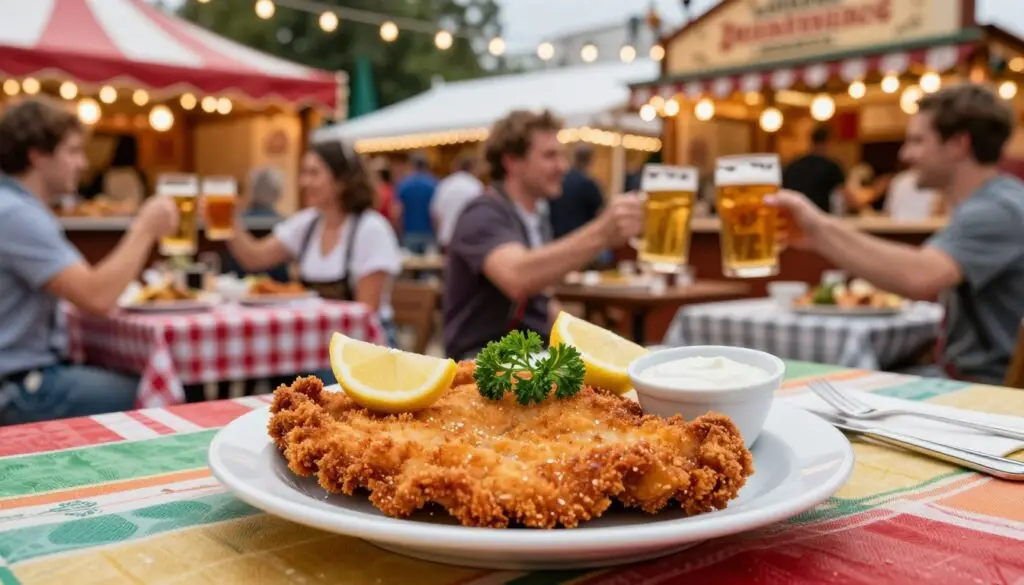
Festivals are more than food. They’re about culture, traditions, and community. Food trucks at these events try new things while keeping it real. These events bring people together who love good food and culture.
Pork Schnitzel and Special Diets
Pork schnitzel can be enjoyed by everyone, even those with dietary restrictions. It’s great for those who follow a gluten-free diet, prefer plant-based foods, or want to eat more veggies. You can make delicious pork schnitzel without giving up the crispy, breaded texture everyone loves. Get creative in the kitchen to enjoy this classic dish in new ways.
Gluten-Free Alternatives
Making gluten-free pork schnitzel is easy with the right ingredients. Use rice flour, cornstarch, or gluten-free flour blends instead of all-purpose flour. This keeps the coating delicious.
- Use gluten-free breadcrumbs or crushed gluten-free crackers for the main coating
- Try crushed cornflakes, gluten-free panko, or finely ground almonds for texture variation
- Select certified gluten-free cooking oils and seasonings
- Prepare dedicated surfaces and utensils to prevent cross-contamination
Gluten-free pork schnitzel can be just as crispy as the traditional version. It might taste a bit different, but it’s still delicious.
Incorporating Vegetables and Fruits
Adding veggies and fruits to your pork schnitzel makes it healthier and tastier. Try it with fresh greens, roasted Brussels sprouts, sautéed green beans, and grilled asparagus. These colorful sides add nutrients and make your meal look great.
| Vegetable Side Dishes | Preparation Method | Flavor Profile |
|---|---|---|
| Brussels Sprouts | Roasted with olive oil | Nutty and crispy |
| Green Beans | Sautéed with garlic | Fresh and light |
| Asparagus | Grilled or roasted | Tender and earthy |
| Mixed Greens Salad | Tossed with vinaigrette | Crisp and tangy |
Fruits like apple compote and cranberry sauce pair well with pork schnitzel. They add a fresh twist to your meal, making it more balanced.
Vegan Versions of Schnitzel
Vegans can enjoy schnitzel-style dishes with creative protein sources. Use seitan, extra-firm tofu, or vegan cutlets as a base. This way, you can enjoy a vegan version of pork schnitzel.
- Select your protein base (seitan, tofu, or vegan cutlets)
- Create a plant-based egg wash using unsweetened almond milk, soy milk, or oat milk mixed with lemon juice
- Apply breadcrumb coating using traditional techniques
- Fry or bake until golden brown
Nutritional yeast gives vegan schnitzel a savory flavor, similar to pork schnitzel. Season it boldly to get a satisfying taste. Vegan schnitzel offers a crispy, breaded experience that’s kind to your diet.
Frequently Asked Questions
Cooking pork schnitzel raises many questions. Whether you’re new or looking to improve, knowing these answers helps. Home cooks often wonder about protein differences, freezing, and other options. Let’s tackle your questions about pork escalope and breaded pork cutlet.
Is Pork Schnitzel the Same as Chicken Schnitzel?
Both pork and chicken schnitzel are prepared the same way. You pound the meat thin, coat it with breadcrumbs, and fry until golden. The main difference is the meat’s flavor. Pork schnitzel has a richer, fattier taste than chicken’s milder flavor.
When cooking, pork needs to reach 145°F internally, and chicken needs 165°F. This means chicken takes a bit longer to cook. Pork schnitzel is more traditional in German and Austrian cuisine. But chicken is popular as a lighter option.
Once you get the hang of making pork escalope, you can easily make chicken schnitzel too. Your skills will transfer well.
Can I Freeze Pork Schnitzel?
Yes, you can freeze both uncooked and cooked pork schnitzel. But you need to handle them differently.
- Uncooked breaded pork cutlets: Freeze on a baking sheet until solid, then transfer to freezer bags for up to three months. Cook directly from frozen by adding extra time to your cooking method.
- Cooked schnitzel: Cool completely, wrap in parchment paper, then place in airtight containers. Store for up to two months. The breading loses some crispiness when reheated.
Freezing uncooked portions keeps your breaded pork cutlet crispy and better textured.
What Are Good Substitutes for Pork?
Many proteins can replace pork, depending on your needs and taste. Your choice should match your dietary preferences and what’s available.
| Protein Option | Flavor Profile | Cooking Time | Best Use |
|---|---|---|---|
| Chicken Breast | Mild and lean | 6-8 minutes | Lighter, everyday meals |
| Turkey Cutlets | Similar to chicken | 7-9 minutes | Alternative poultry option |
| Veal Cutlets | Delicate, tender | 4-6 minutes | Traditional Wiener Schnitzel |
| Beef Cutlets | Rich and hearty | 5-7 minutes | Bolder flavor preference |
Pound different proteins to similar thicknesses for even cooking. Veal is authentic but expensive. Beef is heartier. Mushrooms or legumes offer vegetarian options with similar texture.
Your breading and frying method works for all these proteins. The only difference is cooking time and temperature. Try different meats to find your favorite schnitzel version.
Conclusion: Enjoying Pork Schnitzel at Home
You now know how to make delicious pork schnitzel at home. You’ve learned about choosing the right cuts, breading, and cooking. Now, it’s your turn to decide what to do next.
Embracing Your Culinary Creativity
The recipes and methods you’ve learned are just the beginning. Feel free to experiment with different flavors and ingredients. Many cooks add their own twist to traditional Austrian dishes.
Cooking is both an art and a science. Your personal touch is just as important as the techniques. Trust your taste buds and don’t be afraid to try new things. Each attempt is a chance to learn and improve.
Sharing the Experience with Family and Friends
Pork schnitzel is more than just food; it’s a way to bring people together. Hosting a dinner party with schnitzel and traditional sides is a great way to share this experience. Cooking with your loved ones makes the process even more special.
Share the stories behind this classic dish. Talk about its history in Austrian cuisine and how it’s spread worldwide. Food connects us to culture and to each other, creating lasting memories.
Final Thoughts on Pork Schnitzel
Pork schnitzel is a dish that turns simple ingredients into something amazing. Its crispy texture and tender meat are loved by many. By mastering schnitzel, you learn important cooking skills that can be applied to many recipes.
You’re all set to start making schnitzel. Success is within your reach. Your first perfectly cooked schnitzel is waiting for you. Dive into the kitchen with confidence, carrying on centuries of culinary tradition.