Best Methods for Cooking Beef Shanks
01 Short Answer: The Best Way to Cook Beef Shanks
Beef shank is one of those cuts that rewards patience. It comes from the leg, so it is naturally tough, lean in the muscle, and full of connective tissue around the bone. That is exactly why it shines with low, moist heat instead of quick cooking.
The best overall method is oven braising: sear the shanks first, add aromatics and liquid, then cook them covered at 300°F until they turn fork-tender. If you want a more hands-off option, the slow cooker works very well. If you want speed, a pressure cooker gets surprisingly close in much less time.
For more cut-specific background, see this guide to beef shank with bone and this deeper article on how to cook beef shank for tender results.
02 At a Glance
Beef is safe at the USDA minimum internal temperature, but for this cut, tenderness comes from cooking long enough for the connective tissue to soften. Texture matters more than chasing one exact number.
03 The 3 Best Methods for Cooking Beef Shanks
All good beef shank recipes follow the same basic logic: brown the meat first, then finish it slowly with moisture. The main difference is how each method delivers that low, steady heat.
▸ Method 1: Oven-Braised in a Dutch Oven (Best Overall)
This is the most reliable answer to how to cook beef shank well. The oven gives you even heat from all sides, which helps the braising liquid stay gentle instead of aggressively boiling. That matters because beef shank needs time more than force.
Use a heavy Dutch oven, sear the shanks, build a braising base with onion, carrot, celery, garlic, tomato paste, wine, and stock, then cook covered at 300°F for 3 to 4 hours. This is also the best route if you want a beef osso bucco recipe feel with gremolata and a rich pan sauce.
▸ Method 2: Slow Cooker (Best for Hands-Off Cooking)
If you want minimal attention during the day, the slow cooker is a strong option. It will not give you the same control over sauce reduction as the oven, but it does give you dependable tenderness. Brown the shanks first, then cook them on LOW for 8 to 10 hours.
LOW usually gives better results than HIGH because the meat has more time to soften gradually. If you plan to serve the sauce thickened, reduce it separately at the end on the stovetop.
▸ Method 3: Pressure Cooker / Instant Pot (Best for Speed)
This method shortens the timeline dramatically. Sear using the sauté setting, add the braising liquid, then pressure cook for about 45 to 50 minutes with a natural release. The result is rich and tender, though usually a little less silky than a long oven braise.
It is the right choice when you want the flavor profile of braised beef shank with bone but do not want to wait most of the day.
04 Why These Methods Work
Beef shank is not difficult once you understand the cut. It just responds to a different style of cooking than steak or quick-roasting cuts.
Searing does not make the meat tender, but it does give the finished dish a deeper, richer taste. Start with dry meat and a hot pan so you get browning instead of steaming.
Because beef shank comes from the leg, it contains a lot of connective tissue. Slow braising gives that tissue time to break down and turn the meat from firm to spoon-tender.
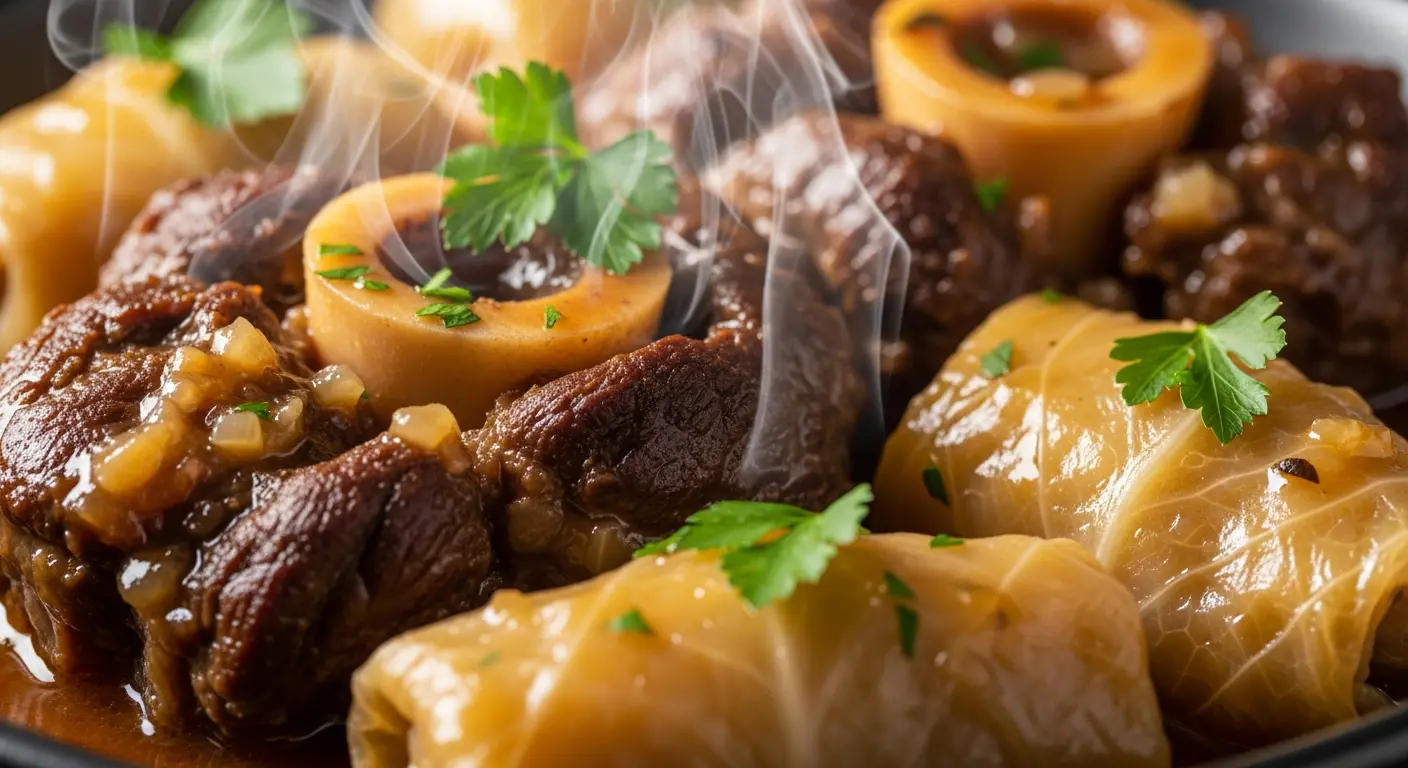
A beef shank bone adds body and richness to the liquid as the meat cooks. That is one reason a bone-in shank often produces a fuller sauce than a boneless cut.
A hard boil can tighten the meat and make the sauce feel rough. A quiet simmer and a covered pot give you much better texture, especially over several hours.
Braised Beef Shanks — Master Recipe
This is a practical, oven-braised beef shank recipe built for home cooks. It keeps the method clear, the sauce rich, and the texture tender without overcomplicating the process.
Estimated per serving: 520 calories, 58g protein, 28g fat, and 6g carbohydrates.
05 Ingredients
06 Step-by-Step Instructions
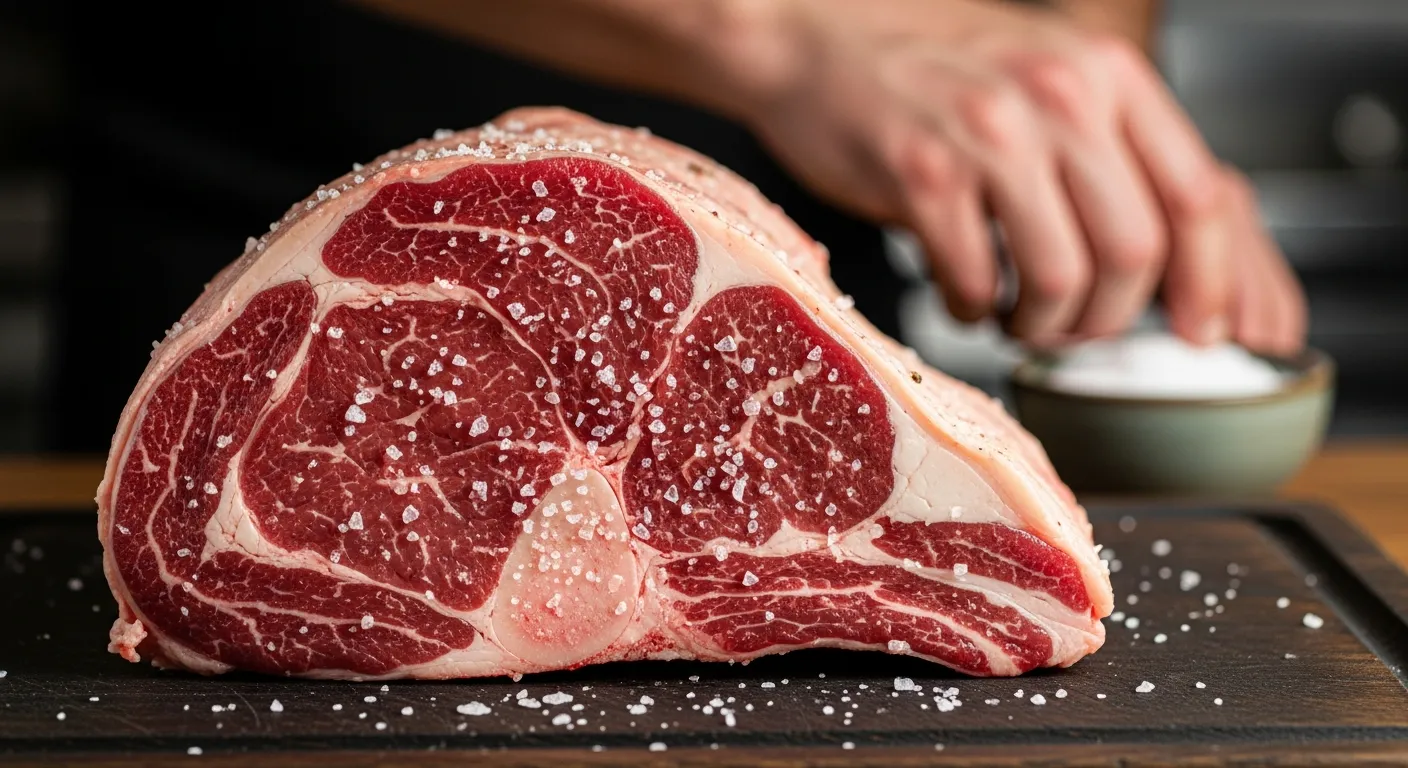
Prepare the Beef Shanks
Choose cross-cut, bone-in shanks about 1.5 to 2 inches thick. Pat them very dry, then season generously with kosher salt and black pepper. If you have time, salting them a few hours ahead improves the flavor all the way through.
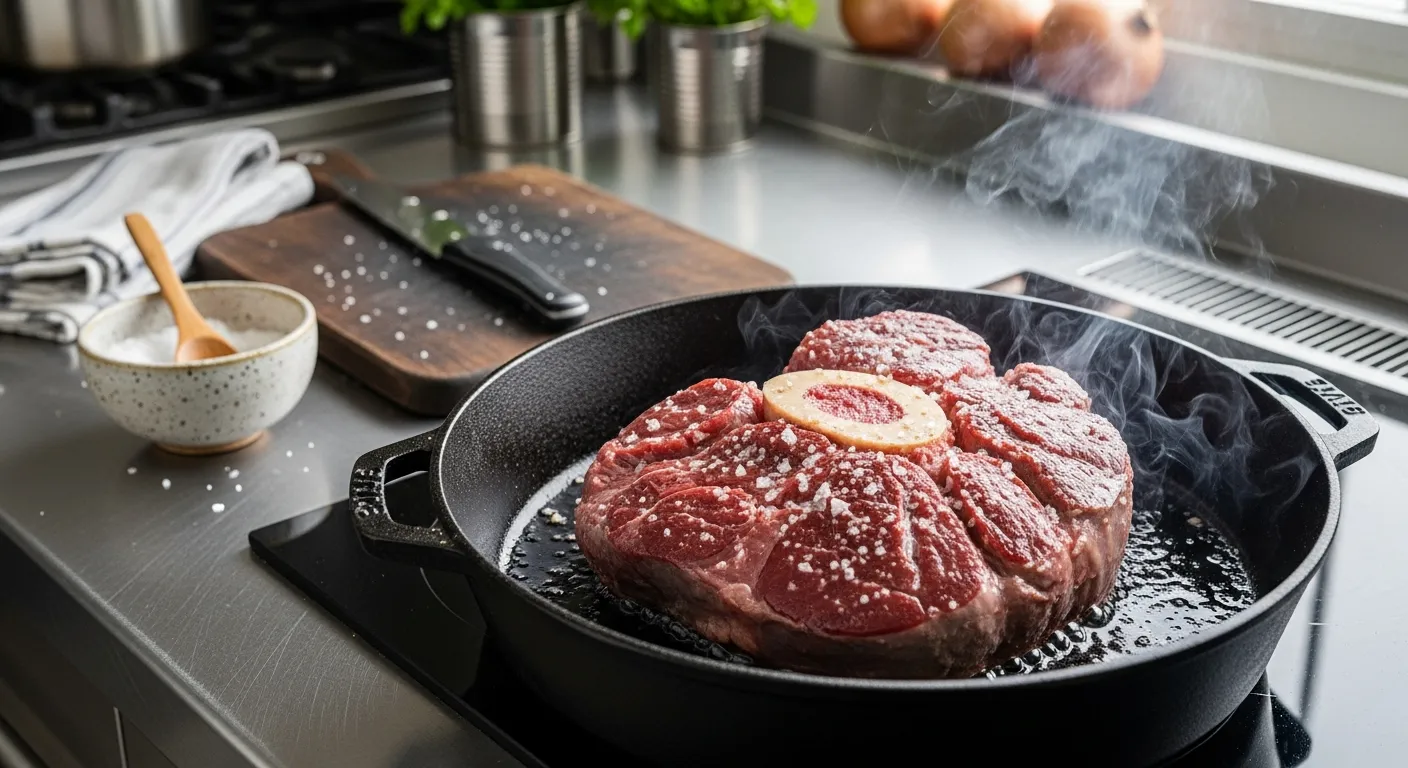
Sear for Deep Flavor
Heat a Dutch oven over medium-high to high heat. Add the oil, then sear the shanks until well browned on both sides. Do not crowd the pot. Work in batches if needed so the meat develops a real crust.
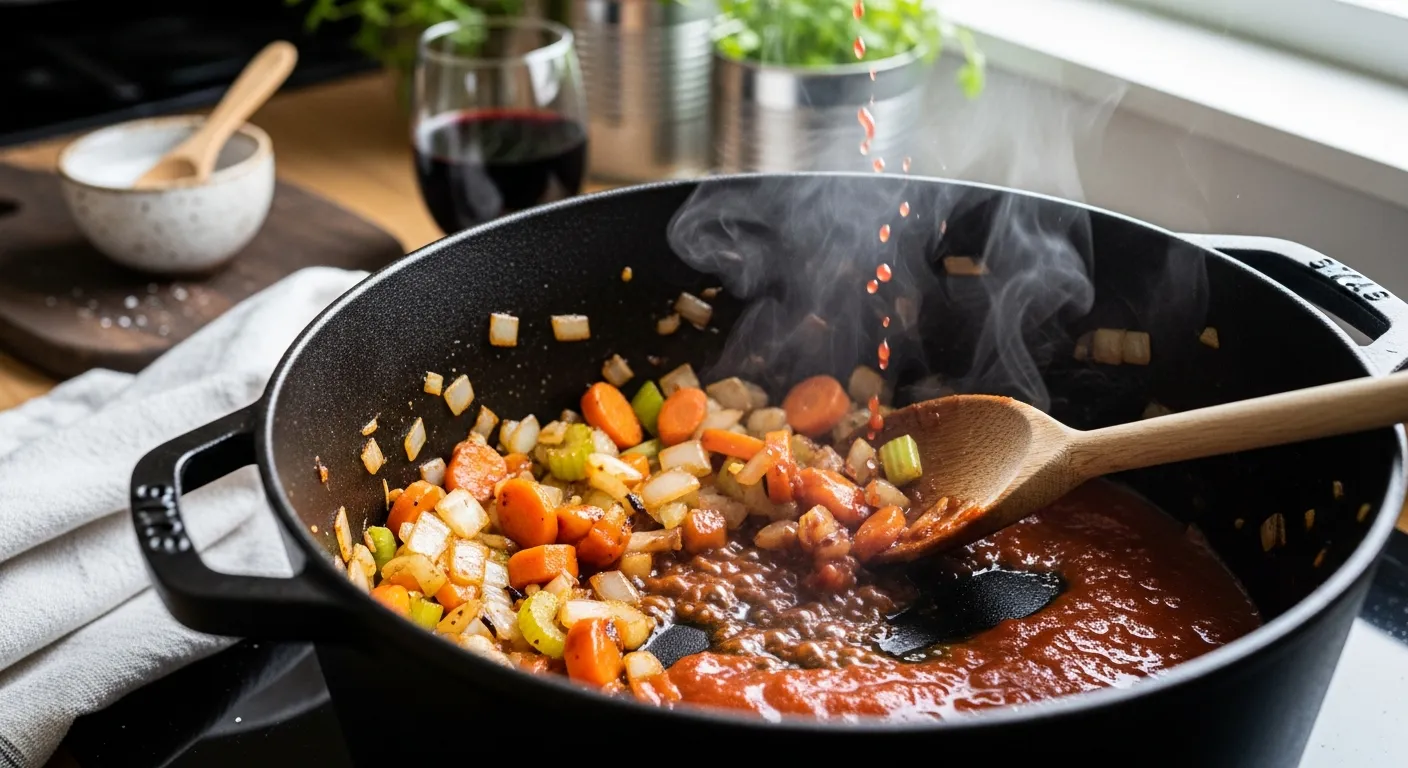
Build the Braising Base
Lower the heat to medium. Add the onion, carrots, and celery, then cook until softened and lightly colored. Stir in the garlic and tomato paste. Once the paste darkens slightly, pour in the red wine and scrape up any browned bits from the bottom of the pot.
This step creates the backbone of the sauce, so give it a few minutes instead of rushing straight to the stock.
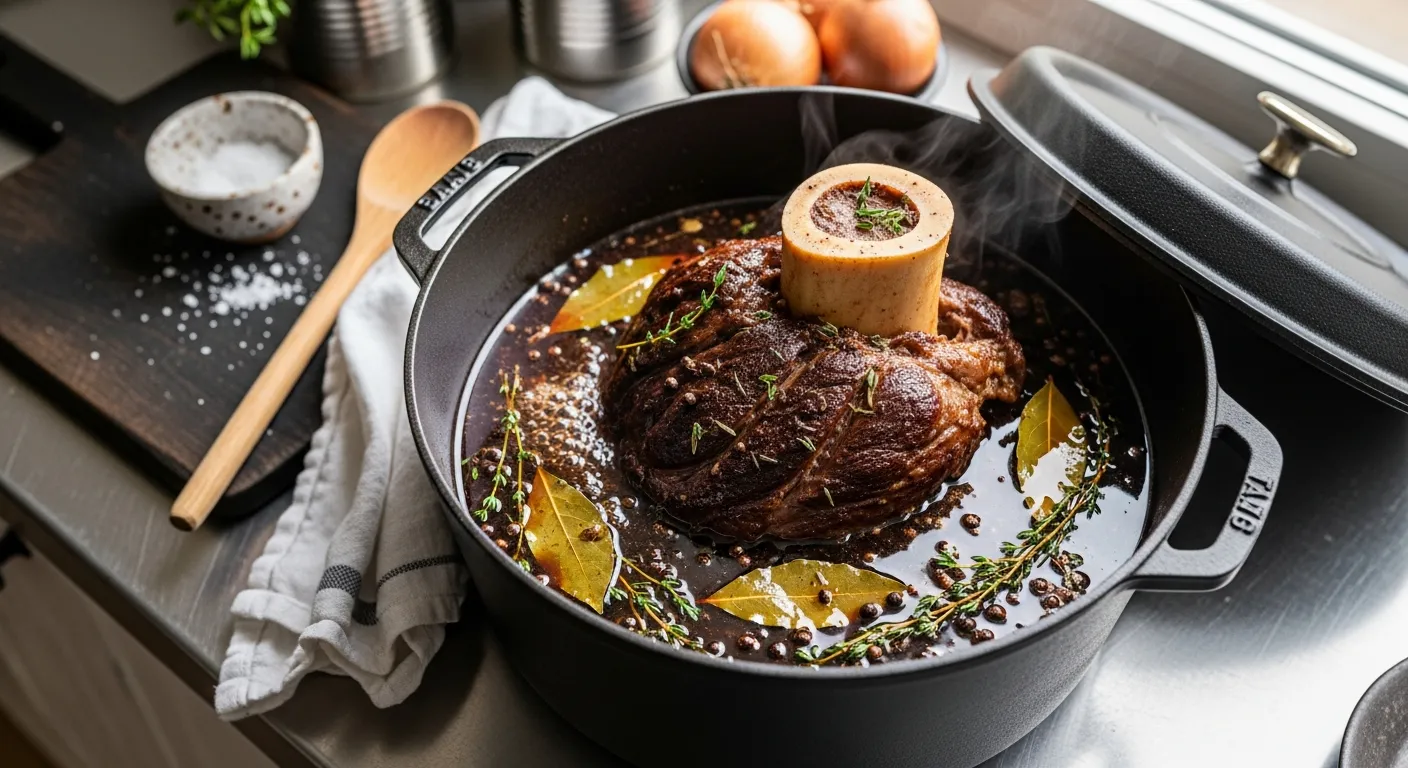
Braise Low and Slow
Return the shanks to the pot and add the stock, bay leaves, and thyme. The liquid should come partway up the sides of the meat rather than fully covering it. Bring everything to a gentle simmer, then cover tightly.
Oven method: Braise at 300°F for 3 to 4 hours.
Slow cooker method: Transfer to the slow cooker after searing and building the base, then cook on LOW for 8 to 10 hours.
Pressure cooker method: Cook at high pressure for 45 to 50 minutes, then allow a natural release.
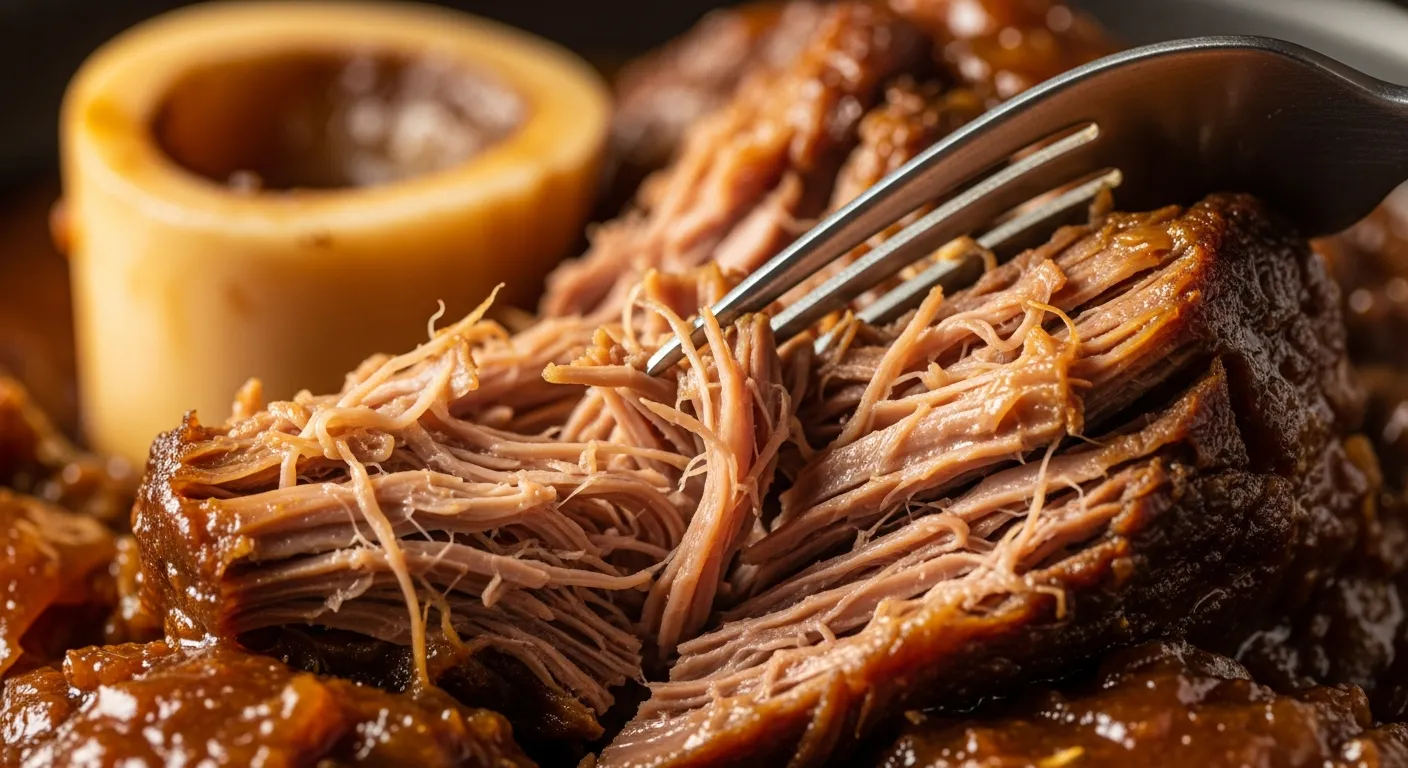
The shanks are ready when a fork slides in easily and the meat feels relaxed rather than springy.
Finish the Sauce and Serve
Remove the shanks and let them rest for 10 to 15 minutes. Strain the braising liquid if you want a smoother sauce, then simmer it until slightly reduced. Stir in the cold butter off the heat for a rounder finish.
Serve the beef shanks with the sauce spooned over the top. If you want an osso buco-style finish, add a little lemon zest, parsley, and garlic just before serving.
07 Expert Tips and Common Mistakes
Brown Well First
A deep sear adds more flavor than any extra seasoning added at the end.
Do Not Drown the Meat
The liquid should come partway up the sides. Too much can thin the sauce and mute the flavor.
Do Not Rush the Cut
If the meat still feels tight, it usually needs more time, not more heat.
Season in Layers
Salt the meat first, then taste the sauce at the end before making final adjustments.
Make It Ahead
Like many braised dishes, beef shank often tastes even better the next day.
If you like technique-focused articles like this one, the cooking tips section is the best place to browse similar guides.
08 What to Serve With Beef Shank, Plus Storage and Reheating
Because the sauce is rich, beef shank pairs best with sides that soak it up well. Polenta, mashed potatoes, risotto, buttered noodles, and crusty bread all work. Roasted carrots or a simple green vegetable help balance the dish.
| Topic | What to Do | Why It Helps |
|---|---|---|
| Best Sides | Serve with polenta, mashed potatoes, risotto, or crusty bread | They catch the sauce and make the dish feel complete |
| Refrigeration | Cool and refrigerate leftovers for up to 4 days | Keeps the meat moist and the sauce usable for another meal |
| Freezing | Freeze in sauce for up to 3 months | The sauce helps protect the meat during storage |
| Reheating | Warm gently on the stovetop or in a covered oven dish | Gentle reheating keeps the meat from drying out |
For official temperature guidance, see the USDA safe temperature chart. For leftovers, reheating, and storage, this page on leftovers and food safety is the most useful official reference.
If your shanks are still frozen, read this guide on can you cook frozen meat before you start.
Meat Nutrition Calculator
Check calories, protein & fat for any meat cut — based on approximate USDA values.
Values are approximate and based on cooked weight per USDA data. For full nutrition data across all cuts, visit the complete Meat Nutrition Calculator on our homepage.
09 Frequently Asked Questions
Julia writes practical meat recipes and cooking guides for home cooks. Her articles focus on clear steps, realistic technique, and reliable results without unnecessary complication.