Exactly How Many Lbs of Meat Per Person You Need
For boneless cuts, plan 1/2 lb (8 oz) per adult for a main course. For bone-in cuts, plan 3/4 lb (12 oz). For smoked meats and BBQ, plan 1 lb or more per person. Always add a 20% buffer. Every specific cut and every type of event has its own number — this guide breaks them all down.
Why Getting the Amount Right Actually Matters
Running out of meat at a party is one of the most memorable ways to disappoint a group of people. Buying too much drives up cost and leaves you with pounds of cooked meat you’ll be eating for a week. Getting the number right is a skill — and like most cooking skills, it comes down to a few reliable rules applied with some context.
The variables that actually change how much meat you need are: the type of cut (bone-in vs boneless), the cooking method (grilling, smoking, roasting all lose different amounts of weight), the occasion (a formal sit-down dinner vs a backyard BBQ where people graze for hours), and the sides (heavy sides like mac and cheese or mashed potatoes reduce how much meat people eat significantly).
The most common mistake: People calculate for raw meat weight but buy the cooked amount. A 5 lb raw brisket loses 30–40% of its weight during a long smoke. If you need 3 lbs of cooked brisket, you need to buy roughly 5 lbs raw. This guide accounts for shrinkage in every calculation.
Meat Per Person Calculator
Enter your event details below. The calculator accounts for bone-in shrinkage, cooking method weight loss, and adds a 20% buffer so you never run short.
Includes 20% buffer. Raw weight accounts for shrinkage during cooking. Results are guidelines — adjust for your specific crowd.
The Core Rules — Memorize These
Before we get into specific cuts, here are the five rules that experienced caterers, BBQ pitmasters, and home cooks who throw a lot of parties all agree on:
Boneless Cuts
1/2 lb per adult
Most efficient. No waste from bone weight. Standard for roasts, tenderloin, chicken breasts.
Bone-In Cuts
3/4 lb per adult
Bone adds weight without adding edible meat. Ribs and whole birds need even more.
BBQ & Smoked
1 lb+ per adult
Smoke loses 30–40% of raw weight. People also eat more at cookouts where food is available all day.
Premium Cuts
1/3 lb per adult
Tenderloin, wagyu, prime rib — rich cuts are more filling per ounce. Portion sizes are naturally smaller.
Holiday Meals
+25% buffer
Thanksgiving, Christmas, Fourth of July — people eat more, sides are abundant, and leftovers are expected.
Kids (under 12)
Count as 1/2 adult
A group of 10 with 4 children = 10 − 4 + 2 = 8 adult equivalents for meat planning.
How Much Meat Per Person — By Specific Cut
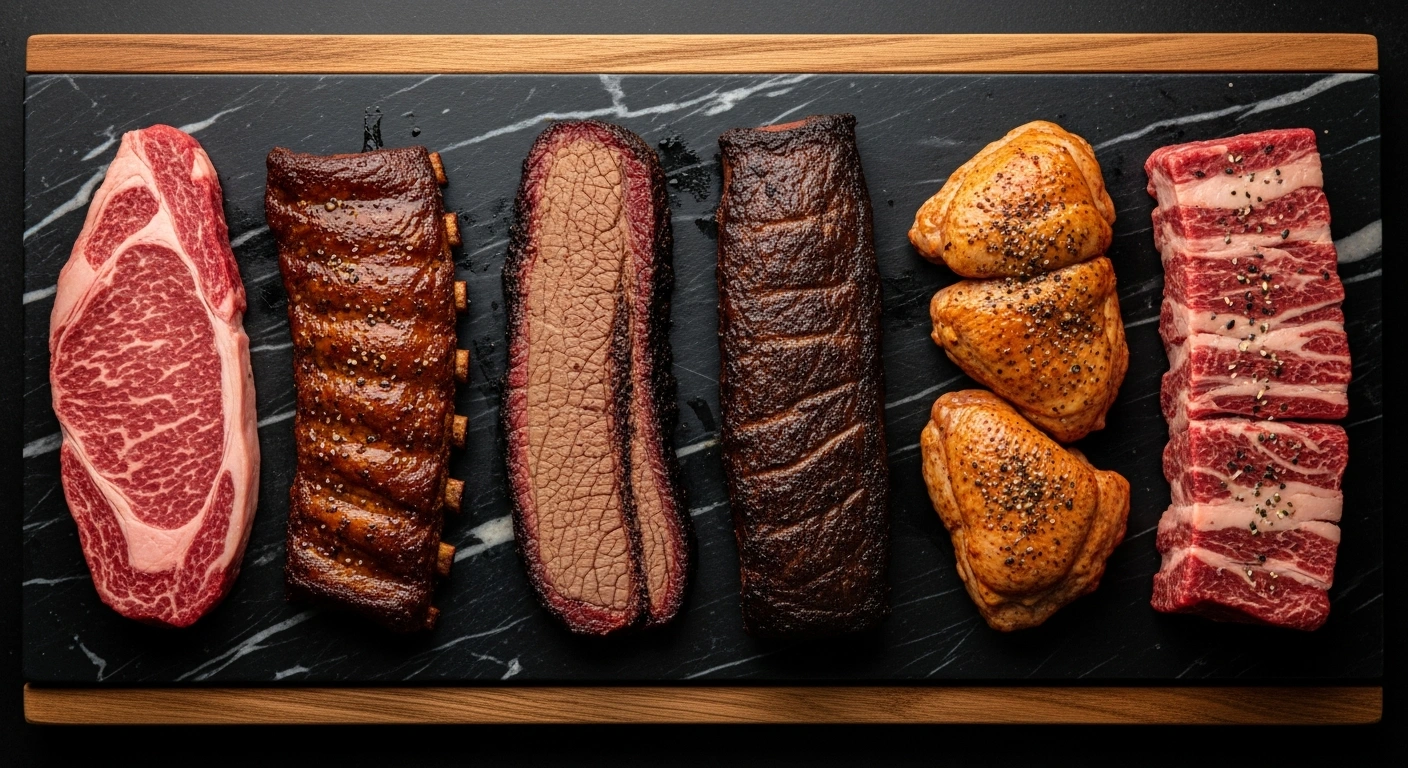
Complete Reference Table — All Cuts
This table covers every major cut with the raw purchase weight you need per person, accounting for cooking shrinkage and bone weight. Use the calculator above for precise totals with your exact guest count.
| Cut | Raw lbs/person | Cooked lbs/person | Shrinkage | Occasion |
|---|---|---|---|---|
| Beef Brisket (smoked) | 1.0 lb | 0.55–0.65 lb | 35–40% | BBQ, large events |
| Pulled Pork (smoked) | 1.0 lb | 0.50–0.60 lb | 40–45% | BBQ, large crowds |
| Beef Tenderloin | 0.33 lb | 0.27–0.28 lb | 15–20% | Formal dinner |
| Beef Roast Beef (bone-in) | 0.75 lb | 0.45–0.50 lb | 30–40% | Holiday, Sunday |
| Beef Roast (boneless) | 0.5 lb | 0.37–0.40 lb | 20–25% | Sunday, dinner |
| Beef Ribs (bone-in) | 1.0–1.5 lb | 0.45–0.55 lb | 50%+ | BBQ cookout |
| Beef Tenderloin lbs/person | 0.33 lb | 0.27 lb | 15–18% | Formal, weddings |
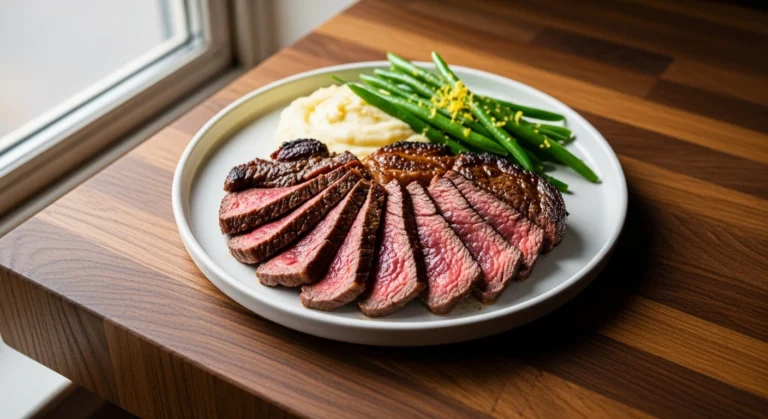
| Steak (boneless) | 0.5 lb | 0.38–0.42 lb | 15–20% | Grilled dinners |
| Pork Ribs (spare) | 1.0 lb | 0.50–0.55 lb | 40–50% | BBQ, cookout |
| Pork Shoulder / Butt | 1.0 lb | 0.55 lb | 40–45% | BBQ, pulled |
| Pork Chops (bone-in) | 0.75 lb | 0.55–0.60 lb | 20–25% | Weeknight, grill |
| Pork Tenderloin | 0.33 lb | 0.27–0.28 lb | 15% | Dinner, elegant |
| Chicken Breast (boneless) | 0.5 lb | 0.37–0.40 lb | 20–25% | All occasions |
| Chicken Thigh (boneless) | 0.5 lb | 0.38–0.42 lb | 18–22% | Grilling, tacos |
| Chicken Pieces (bone-in) | 0.75 lb | 0.50–0.55 lb | 25–30% | BBQ, cookout |
| Whole Chicken (roasted) | 0.75 lb | 0.45–0.50 lb | 35% | Sunday dinner |
| Whole Turkey | 1.25 lb | 0.70–0.80 lb | 40% | Thanksgiving |
| Leg of Lamb (bone-in) | 0.75 lb | 0.50–0.55 lb | 30–35% | Easter, holiday |
| Ground Meat (burgers) | 0.33 lb | 0.27–0.28 lb | 15–20% | BBQ burgers |
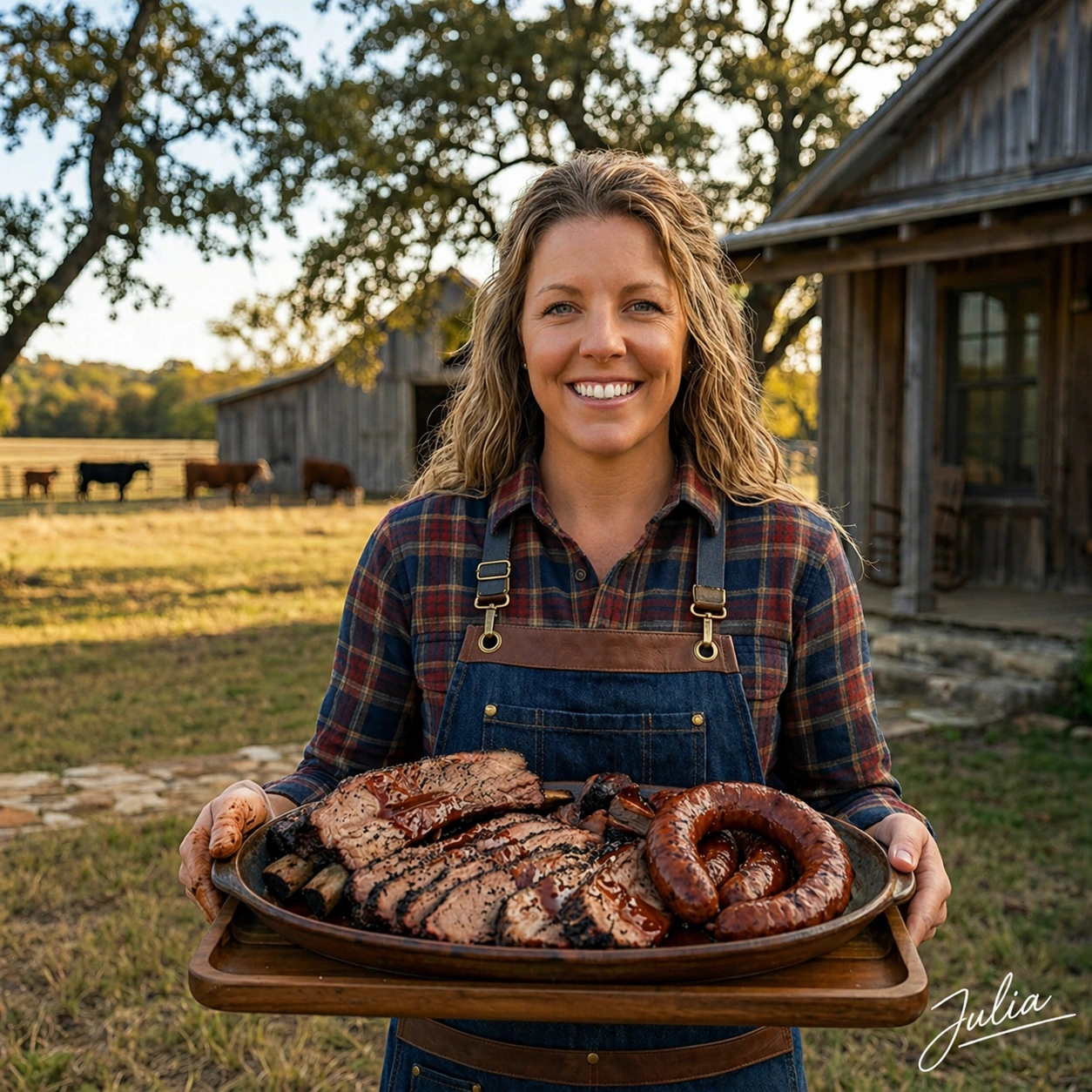
| Whole Brisket | 1.0–1.25 lb | 0.60–0.70 lb | 35–40% | Texas BBQ |
How to use this table: Find your cut, multiply the raw lbs/person by your guest count, then add 20% for safety. For 20 guests eating brisket: 20 × 1.0 = 20 lbs raw, plus 20% = 24 lbs raw brisket to buy.
Specific Cuts — The Questions People Actually Ask
How Much Roast Beef Per Person?
For a bone-in roast beef (like prime rib), plan 3/4 lb raw per person. For a boneless roast beef, plan 1/2 lb raw per person. A 5 lb boneless roast feeds approximately 8–10 adults as a main course with sides. For a holiday dinner where roast beef is the centerpiece and people will take generous portions, use the 3/4 lb figure even for boneless cuts.
Beef Tenderloin Lbs Per Person
Beef tenderloin is the most efficient cut on this list. Because it is so rich and dense, portions are naturally smaller — plan 1/3 lb (about 5–6 oz) raw per person. A 3 lb tenderloin feeds 8–9 guests comfortably as a formal main course. For a wedding or black-tie dinner where tenderloin is the protein and plates are composed, 1/3 lb is standard. If tenderloin is one of two proteins on the buffet, reduce to 1/4 lb per person. For more on beef cuts and cooking methods, see our guide to beef cuts and their best uses.
How Many Pounds of Chicken Per Person?
For bone-in chicken pieces (drumsticks, thighs, breasts): plan 2 pieces per person or 3/4 lb raw. For boneless chicken breast or thigh: plan 1/2 lb raw per person. For a whole roasted chicken, one 4 lb bird feeds 3–4 adults. If you are cooking chicken thighs for tacos, our chicken taco seasoning guide covers 1.5 lbs for 4 servings — about 0.375 lb per person as a taco filling alongside tortillas and sides.
How Many Pounds of Beef Roast Per Person?
The answer changes based on the roast type. For a chuck roast or rump roast (typical Sunday dinner): 1/2 lb raw boneless. For a standing rib roast (prime rib): 1 bone per 2 people or 3/4 lb raw per person. For a slow-smoked brisket: 1 lb raw per person because the long cook loses 35–40% of weight. See our beef shank guide for how bone-in beef portions work specifically for braised cuts.
How Much Pork Per Person?
For pulled pork (shoulder, butt, picnic): 1 lb raw per person — it loses the most of any cut during smoking. For pork chops bone-in: one 8 oz chop per person, which is roughly 3/4 lb raw. For pork tenderloin: same as beef tenderloin at 1/3 lb raw. For a pellet grill pork shoulder, our pork shoulder pellet grill guide explains exactly how much a shoulder loses during a full smoke.
How Occasion Changes the Math
The same 10 people eat very differently at a backyard barbecue versus a wedding reception. Here is how occasion type should adjust your baseline calculation:
| Occasion | Adjustment | Why |
|---|---|---|
| Sit-Down Dinner | Baseline | Controlled serving, sides present, single seating |
| Backyard BBQ | +25–30% | Grazing over hours, second servings common, high appetite |
| Holiday Dinner | +20–25% | Celebratory eating, leftovers expected, longer meal |
| Buffet (heavy sides) | −20% | Mac & cheese, potatoes, and bread fill plates first |
| Wedding / Formal | Baseline | Composed plates, portion control, shorter eating window |
| Cocktail Party | −40% | Meat is one of many items, eaten standing, no sides |
| Sports / Game Day | +30% | Long events, beer increases appetite, people eat in bursts |
| Kids’ Party | −30% | Children eat roughly half an adult portion |
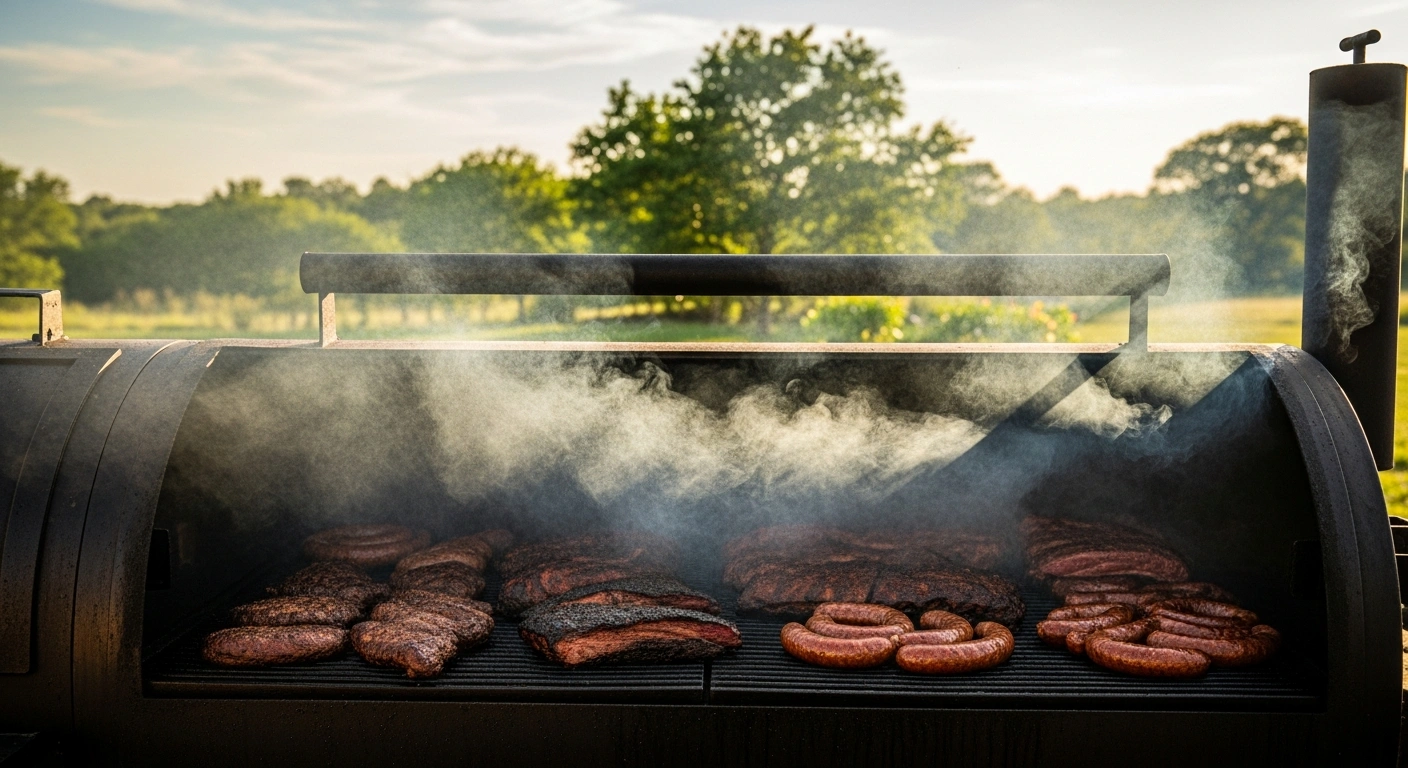
Understanding Meat Shrinkage — Why Raw ≠ Cooked
Meat loses weight during cooking through two mechanisms: moisture loss (water evaporates as the internal temperature rises) and fat rendering (fat liquefies and drips away). Together, these account for between 15% and 45% of the raw weight depending on the cut and cooking method.
| Cooking Method | Typical Shrinkage | Reason |
|---|---|---|
| Low & slow smoking (12+ hrs) | 35–45% | Extended moisture loss over long cook |
| Roasting (oven, 300–350°F) | 20–30% | Moderate moisture loss, fat rendering |
| Grilling (high heat, direct) | 15–25% | Fast cook, less total evaporation |
| Pan-searing / skillet | 15–20% | Short cook time, surface-only heat |
| Braising / slow cooker | 10–15% | Moisture stays in braising liquid |
| Ground meat (cooked in pan) | 15–25% | Fat and moisture render out of ground |
The practical implication: if you follow the USDA’s guidance on safe minimum internal temperatures — official safe temperature chart — and cook brisket to 200°F+ for tenderness, you will hit the high end of shrinkage. Budget accordingly.
For the practical side of cooking large quantities safely, the USDA leftovers and food safety guide covers cooling and storing large cooked batches safely — critical when you’re cooking 20+ pounds of meat for a big event.