Easy Liver and Onions Recipe for Dinner
Sitting down to a home-cooked meal is deeply comforting. It nourishes both your body and soul. Your grandmother probably felt this way when she made liver and onions for dinner.
This classic dish brings back memories for many across America. The smell of caramelized onions and perfectly cooked liver reminds us of simpler times. It’s a reminder of wholesome eating.
Preparing a liver and onions recipe might seem intimidating. Many home cooks avoid it, fearing they won’t get the texture right. But, making this meal at home is easier than you think.
With the right techniques and a bit of guidance, you can create a dinner that tastes like it came from a restaurant. It will be authentic and satisfying.
This guide will teach you everything about cooking liver and onions. You’ll learn how to choose the best ingredients at your local grocery store. You’ll also discover quick and easy cooking methods.
Your family will enjoy a nutritious meal full of iron, vitamins, and minerals. This meal will keep everyone healthy and strong.
By the end of this guide, you’ll be confident in making this dish whenever you’re hungry. Your kitchen will fill with wonderful aromas. Your dinner table will become a place where people gather to enjoy real food made with care and skill.
Table of Contents
Why You Should Try This Classic Liver and Onions Recipe
Classic liver and onions is a beloved dish in American homes. It’s not just a meal; it’s a journey into nutrition and comfort food culture. This dish offers a mix of nutrient-dense ingredients that are rare in most kitchens.
Understanding the benefits of this dish helps you make better choices for your family. The tender liver and caramelized onions create a unique flavor. This flavor has become a staple in home cooking.
Health Benefits of Beef Liver
Beef liver is a superfood for your diet. A 100-gram serving is packed with nutrients that support your body’s functions.
- Contains 6,000% of the Daily Value for Vitamin B12, which powers your energy metabolism
- Provides iron for healthy blood oxygen transport throughout your body
- Supplies selenium, copper, and zinc for immune system strength
- Includes folate for cell division and DNA synthesis
- Offers choline for brain health and memory function
Your body needs these nutrients to function at its best. Organ meats like liver provide them in high amounts, unlike many other foods.
Why This Dish Remains a Comfort Food Staple
The rich taste of classic liver and onions creates a deep emotional bond. It brings warmth and satisfaction, connecting you to family traditions and memories.
This dish has been a favorite at American dinner tables for its ability to fill both hunger and the soul. The mix of tender meat and sweet onions offers a comforting and nourishing flavor.
Selecting the Best Beef Liver and Onions
Choosing the right ingredients is key to a great dinner. For a top-notch liver and onions dish, pick quality beef liver and onions. The taste and texture of your meal depend on these ingredients. Shopping wisely at the store or butcher shop is crucial for success.
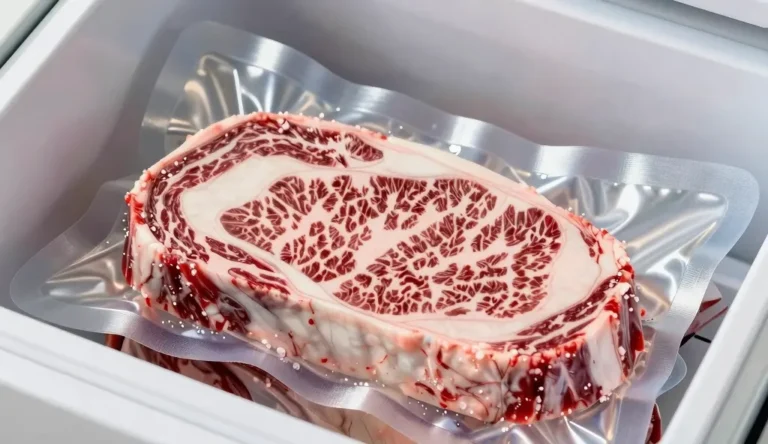
Look for liver with a bright reddish-brown color and a firm texture. It should not feel soft or mushy. Steer clear of liver with a strong or bad smell, as it’s not fresh. The best cuts come from butchers who get their meat daily. Ask about the liver’s freshness and storage.
Choosing Your Onions Wisely
Sweet onions are best for liver and onions. Vidalia and yellow onions add sweetness that balances the liver’s earthy taste. Choose onions that are firm and heavy for their size. Avoid any with soft spots or bruises.
Quality ingredients are essential for a perfect liver and onions recipe. Take time to check your liver and onions before buying. Better ingredients mean better flavor and texture in your meal.
| Ingredient | What to Look For | What to Avoid |
|---|---|---|
| Beef Liver | Bright reddish-brown color, firm texture | Pale color, mushy feel, strong odor |
| Vidalia Onions | Firm, heavy weight, golden papery skin | Soft spots, bruises, sprouting |
| Yellow Onions | Smooth skin, no wrinkles, sweet aroma | Moldy areas, soft layers, dry appearance |
“Fresh ingredients are the foundation of any great meal, especially when cooking traditional dishes that depend on quality cuts of meat.”
- Shop at a trusted butcher shop for the freshest liver cuts
- Request liver that was processed the same day when possible
- Select onions that feel firm to the touch
- Smell your ingredients before purchasing
- Ask about storage methods and freshness dates
Your effort in selecting premium ingredients will shine through in every bite of your finished dish, setting the stage for the preparation steps that come next.
Preparing Your Ingredients for Success
Getting your ingredients ready is key to a tasty liver and onions dinner. The steps you take now affect the dish’s texture, tenderness, and flavor. Preparing your beef liver and onions right ensures they cook well and taste great.
Success comes from two main preparation steps. Each step is crucial for turning your ingredients into a top-notch meal. Understanding these steps helps you see the science behind this classic dish.
Soaking the Liver in Milk
Soaking the liver in milk is a vital step. It removes the liver’s strong, metallic taste that some dislike. Soak your liver for at least 30 to 60 minutes before cooking for the best taste.
The milk softens the liver’s proteins and fibers. This makes the liver tender and less strong-tasting. Put your beef liver in a shallow dish or bowl and cover it with whole milk. Keep it in the fridge during soaking.
Slicing Onions for Maximum Flavor
How you slice your onions is important. Cut them into thin, uniform strips for even caramelization. This way, they cook evenly and get that deep, jam-like flavor.
Uniform slices also make your dish look good. Your onions will release their sugars evenly, adding a sweet flavor that goes well with the liver.
| Preparation Step | Time Required | Purpose |
|---|---|---|
| Soaking liver in milk | 30 to 60 minutes | Reduces metallic taste and tenderizes meat |
| Slicing onions thinly | 5 to 10 minutes | Ensures even cooking and caramelization |
| Removing liver from milk | 2 to 3 minutes | Prepares meat for seasoning and cooking |
These steps are the base for the cooking process. Your ingredients are now ready for the high-heat cooking that follows.
How to Cook Liver and Onions Perfectly
Learning to cook liver and onions is all about heat, time, and texture. The secret is to control the heat and not overcook it. You want the outside to be golden and the inside tender.
Start with the right heat. Use medium-high heat to sear the liver fast. This creates a nice crust and keeps the meat tender. Cooking for 3 to 4 minutes on each side is usually best.
- Heat your skillet until it reaches the right temperature
- Place liver into the hot pan for a quick sear
- Flip your meat only once during cooking
- Remove liver when it reaches your desired doneness
- Set aside and rest before serving
The timing is crucial. Undercooked liver is unsafe, while overcooked liver is dry. Cook it until it’s lightly pink in the center for tenderness, or fully through if you prefer.
| Cooking Time (per side) | Heat Level | Final Texture |
|---|---|---|
| 2-3 minutes | Medium-High | Tender with slight pink center |
| 3-4 minutes | Medium-High | Medium, fully cooked through |
| 4-5 minutes | Medium | Well-done, firmer texture |
Cook your onions first, then add the liver. This way, you avoid overcooking either. Together, they make a dish with great flavors and textures.
Tips for Achieving Tender Liver and Onions
Getting tender liver and onions on your dinner table requires skill and attention. The key lies in understanding how heat affects this delicate protein. If you cook liver wrong, it becomes tough and rubbery. Learning the right techniques makes your dish delicious. Two main factors control your success: cooking time and temperature management.
Your meat thermometer is your best friend in the kitchen. The USDA says to reach an internal temperature of 160°F for food safety. Going beyond this temperature damages the protein fibers, causing them to shrink and lose moisture. This is why precision matters so much when preparing this classic dish.
Avoiding Overcooking the Meat
Overcooking happens faster than you might think. Liver is naturally tender when cooked right, but it hardens quickly at too high a temperature. Watch your cooking time closely during the final minutes.
- Check doneness at the 4-minute mark for thin slices
- Use a meat thermometer to verify internal temperature
- Remove the pan from heat immediately when done
- Let the meat rest for 2-3 minutes before serving
Proper Heat Management
Your stovetop heat level makes a tremendous difference. Medium-high heat works best for achieving tender results without burning the outside. Too high a temperature cooks the exterior while leaving the center raw. Too low a temperature dries out the meat.
- Maintain consistent medium-high heat throughout cooking
- Allow the pan to preheat for 2 minutes before adding liver
- Avoid moving the meat around constantly
- Monitor the pan temperature with a reliable thermometer
Mastering these heat management techniques ensures you serve tender liver and onions every single time. Your family will notice the difference when you take these steps seriously.
Mastering the Pan Fried Liver and Onions Technique
Learning to cook liver and onions starts with choosing the right pan and cooking order. A heavy-bottomed skillet spreads heat evenly, avoiding hot spots. This ensures your dish cooks consistently every time.
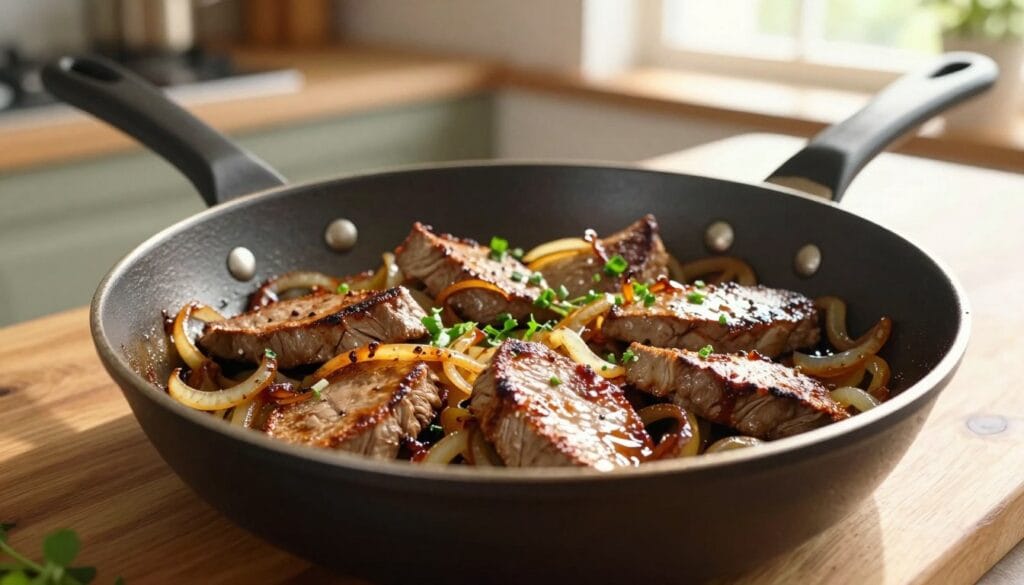
To make perfect pan fried liver and onions, start by caramelizing the onions. Heat butter or oil in your skillet over medium heat. Add sliced onions and cook them slowly until they turn golden brown, which takes 15 to 20 minutes.
After caramelizing the onions, add the liver to the pan. Move the onions to the sides and turn the heat to medium-high. Place the liver in the center and let it sear without moving it. This creates a flavorful crust on the outside while keeping the inside tender and moist. Sear each side for about 2 to 3 minutes, depending on thickness.
The order in which you cook matters a lot. By cooking the onions first, they become sweet and fully cooked. Then, when you add the liver, it cooks quickly in the remaining time. This method helps you achieve a restaurant-quality finish at home.
- Use a heavy-bottomed skillet for even heat distribution
- Caramelize onions completely before adding liver
- Maintain medium-high heat when searing the liver
- Avoid moving the liver pieces during the initial sear
- Cook for 2 to 3 minutes per side for tender results
Mastering this technique takes practice and attention to heat levels. Your patience during the onion caramelizing stage is key to a memorable dinner.
Creating a Rich Liver and Onions with Gravy
A great sauce can make your meal even better. After cooking your liver and onions, the real magic happens. The browned bits at the bottom of the pan are full of flavor.
This is your chance to make a gravy that brings everything together. A good sauce can turn a simple dish into something special. Your family will love the extra effort you put into it.
Deglazing the Pan for Depth
After removing your liver and onions, pour in about one cup of beef broth or red wine. The liquid will create steam and loosen the browned bits. Use a wooden spoon to gently scrape the bottom.
Scrape for about one to two minutes. Watch as the liquid reduces and becomes darker and richer. This step pulls all the flavors into your gravy base.
Thickening Your Sauce Naturally
To coat a spoon nicely, you need to thicken your gravy. Mix one tablespoon of cornstarch with two tablespoons of cold water. Stir until smooth.
Pour this mixture slowly into your simmering broth while stirring constantly. The gravy will thicken in about one minute. Stop adding the slurry when you reach your desired thickness.
- Whisk continuously to prevent lumps
- Simmer for two minutes after thickening
- Taste and adjust salt and pepper as needed
- Keep gravy warm until serving time
Your homemade gravy pairs perfectly with your tender liver and onions. It makes your meal taste like it came from a classic diner.
Understanding the Benefits of Calves Liver and Onions
When you look for liver and onions recipes, you’ll find two main choices. Standard beef liver and onions are nutritious. But, calves liver and onions offer a unique taste that many prefer. The main difference is the age of the animal when it’s harvested.
Calves liver comes from younger animals. It has a milder flavor and more tender texture than mature beef. If you’re new to cooking organ meats, calves liver is a great choice. It’s so tender, it almost melts in your mouth, and its taste won’t overwhelm you.
- Calves liver has a delicate, buttery quality
- Beef liver delivers a stronger, earthier taste
- Calves liver cooks faster due to its tender nature
- Beef liver requires careful attention to avoid toughness
- Calves liver works well for beginners experimenting with organ meats
Your taste preferences should decide what you choose at the market. Some enjoy the bold taste of beef liver. Others prefer the subtle taste of calves liver. Both are rich in nutrients like iron, B vitamins, and protein. Knowing these differences helps you pick the best for your meal.
Essential Kitchen Tools for Your Meal
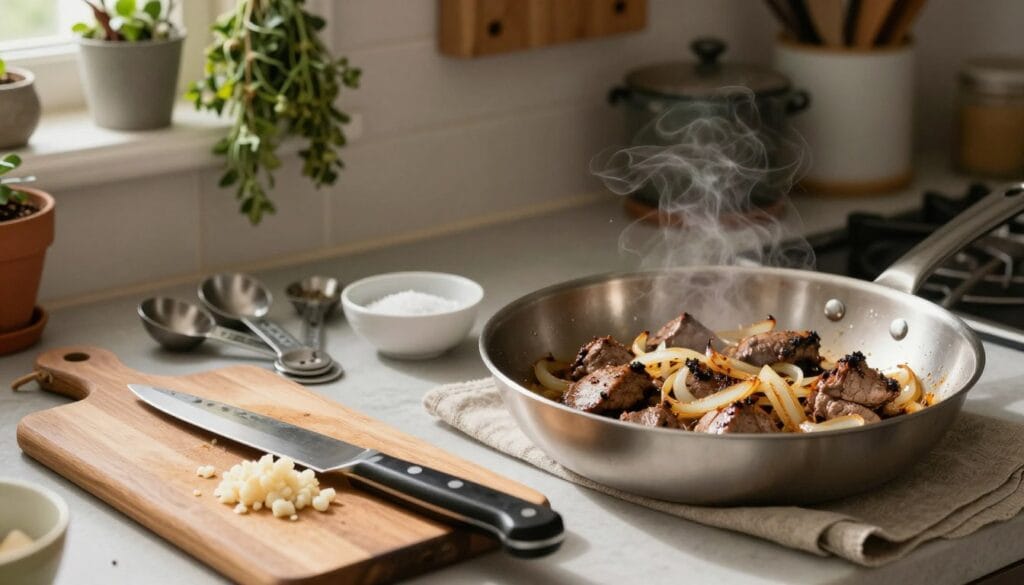
Having the right tools is key when cooking pan fried liver and onions at home. Good equipment helps you control the cooking and makes your dish taste like it’s from a restaurant. The right skillet, tongs, and spatulas make cooking easier and more fun.
Choosing the Right Skillet
Choosing the right skillet is important. Cast iron and stainless steel skillets are best because they heat evenly. Cast iron skillets, like those from Lodge, spread heat well.
Stainless steel skillets from All-Clad or Cuisinart heat up fast and cool down quickly. This gives you control over the cooking.
A 10 to 12-inch skillet is perfect for cooking liver slices. It’s big enough to cook without overcrowding. This prevents steaming instead of searing. Also, look for a skillet with sides at least 2 inches tall to avoid splatters.
| Skillet Type | Heat Retention | Cleanup | Best For |
|---|---|---|---|
| Cast Iron | Excellent | Seasoning needed | Deep searing and browning |
| Stainless Steel | Good | Dishwasher safe | Precise temperature control |
| Non-stick | Fair | Very easy | Gentle cooking with less butter |
Using Reliable Tongs and Spatulas
Good tongs and spatulas protect your meat while it cooks. Look for handles made from silicone or wood. OXO and Zwilling make great tools that last.
Use tongs to flip liver gently. Spatulas are good for sliding under big slices. Keep your tools close to the pan to work fast.
- Locking tongs stay closed in a drawer and won’t pinch your hand
- Slotted spatulas let liquid drain away from the meat
- Silicone handles stay cool and resist heat damage
- Long handles keep your hands safe from steam and splashing fat
Investing in these basic tools makes cooking smoother. It helps you get consistent results every time you make this meal.
Serving Suggestions for a Balanced Dinner
Creating a well-rounded dinner means pairing your liver and onions with gravy with sides that balance it. The right sides make your meal go from simple to spectacular. They ensure your family gets a complete and nutritious dinner.
Your choice of sides should match the savory, earthy flavors of the liver. Think about textures and tastes that either complement or contrast with the main dish. These pairings turn your dinner into a satisfying experience that appeals to all the senses.
Traditional Starch Pairings
Mashed potatoes are the top choice for serving with liver and onions with gravy. Their creamy texture soaks up the savory sauce beautifully, creating a comforting combination. Roasted root vegetables like carrots, parsnips, and sweet potatoes also offer a great option that complements the meat’s deep flavors.
- Creamy mashed potatoes with butter and herbs
- Roasted carrots and parsnips with garlic
- Buttered egg noodles or rice pilaf
- Crispy roasted potatoes with rosemary
Fresh Vegetable Sides
Adding fresh vegetables provides vital nutrients and visual appeal to your plate. Steamed asparagus or a crisp green salad cuts through the richness of the liver, offering an acidic contrast that refreshes your palate between bites. These lighter sides ensure your meal feels balanced rather than heavy.
- Mixed green salad with vinaigrette dressing
- Steamed broccoli or asparagus with lemon
- Sautéed spinach with garlic
- Roasted Brussels sprouts with balsamic glaze
Your dinner becomes both delicious and nutritionally well-rounded when you thoughtfully combine your main dish with these complementary sides. This approach keeps your family satisfied and healthy.
Storing and Reheating Your Leftovers
After enjoying your delicious liver and onions dinner, you’ll want to keep leftovers fresh. Proper storage keeps your meal safe and tasty for days. Whether it’s tender liver and onions or calves liver and onions, following these tips ensures your leftovers are just as good as the first time.
Proper storage and food safety are key. Taking the time to store your meal right prevents waste. It also gives you quick dinner options for the week.
Safe Refrigeration Practices
Put your liver and onions in an airtight container once they’ve cooled. Store it in your fridge at 40°F or below. Leftovers are safe for two to three days. Always label your container with the date you made it.
- Cool food to room temperature before refrigerating
- Use glass or plastic containers with tight-fitting lids
- Keep refrigerator temperature at 40°F or lower
- Store separate from raw meats and seafood
- Check for any off odors before reheating
Maintaining Texture During Reheating
Reheating needs gentle heat to keep the liver tender. Use a low to medium-low heat setting on your stovetop. Add a bit of beef broth or water to the pan before warming it up. This keeps the meat moist and prevents it from drying out.
| Reheating Method | Temperature Setting | Time Required | Best Results |
|---|---|---|---|
| Stovetop | Low to Medium-Low | 5-8 minutes | Add broth for moisture |
| Microwave | 50% Power | 2-3 minutes | Stir halfway through |
| Oven | 325°F | 10-15 minutes | Cover with foil |
Never use high heat when reheating. High temperatures can ruin the liver’s delicate texture. Gentle reheating helps keep the quality of your meal.
Conclusion
You now have all the tools to make a classic liver and onions dish at home. This traditional recipe uses simple ingredients and proven cooking methods. It creates a meal that’s worth making again and again.
Learning to cook this dish will improve your kitchen skills. You’ll get better at timing and techniques with each try. This is true whether you’re cooking for yourself or your family.
Serving your dish with the right sides and storing leftovers properly is key. This comfort food is not only delicious but also packed with nutrients. Start cooking with confidence, knowing you’ll make a tasty dish every time.