Emu Meat Recipes: Discover Flavorful & Healthy Meals
When you’re at the grocery store, looking for something new, it can be tough. You want meals that are tasty and good for your health. This is why many people look for different options for dinner.
Emu meat is a great choice to try something new. It’s packed with flavor and is good for you. It’s also low in calories and fat, making it a healthy choice.
Exploring emu meat recipes can lead to exciting meals. Whether it’s for a quick dinner or a special event, emu meat fits the bill. You’ll learn how to cook it in ways that are easy and fun.
Getting from the butcher to your table is easier with the right knowledge. You can control the taste and texture of your emu dishes. This guide will show you how to make emu meals that your family will enjoy and remember.
Table of Contents
Understanding the Nutritional Benefits of Emu Meat
Emu meat is a top choice for healthy red meat. It’s packed with nutrients and doesn’t have the bad stuff found in regular beef. Eating emu helps you meet your health goals and keeps your diet balanced.
Compared to other meats, emu is unique. It gives your body what it needs without extra fat. This meat boosts energy and helps build muscles. Knowing these benefits helps you make better food choices for your health.
Why Emu is a Lean Protein Choice
Emu meat is 97-98% fat-free, making it very lean. You get lots of protein without the heavy fats found in other meats. Your body uses this protein well, helping with muscle repair and growth.
Eating emu dishes means you eat fewer calories but stay full. The protein in emu helps you reach your daily nutrition goals.
- Nearly fat-free composition
- Rich in essential amino acids
- Lower calorie content per serving
- Supports muscle development
Health Advantages of Incorporating Emu into Your Diet
Adding emu to your meals offers many health benefits. It’s rich in iron, which fights fatigue and helps carry oxygen. Emu also has B vitamins, which boost energy and support the nervous system.
Your digestive system benefits from emu’s protein. You digest nutrients better without the inflammation caused by fatty meats. This makes emu great for those watching their cholesterol or managing their weight.
- High iron content for energy and vitality
- B vitamins for metabolic health
- Lower cholesterol impact
- Easy protein digestion
- Supports heart health
Essential Tips for Cooking Emu Meat
When you start cooking emu meat, it’s important to know its special traits. Emu is very lean, so it needs careful handling. Unlike other meats, emu must be cooked in a way that keeps it moist and tender.
Respecting emu’s low fat content is key to great results. Treat it like you would premium venison or lean beef. Proper heat control is essential for a juicy, flavorful dish.
Key Preparation Strategies
Before cooking emu, make sure to prepare it right. These steps help avoid common mistakes:
- Let your emu meat get to room temperature before cooking
- Pat the surface dry with paper towels for even browning
- Season generously at least 30 minutes before cooking
- Use a meat thermometer to check the internal temperature
Temperature Control Matters
Your cooking temperature is critical for keeping emu juicy. Use lower heat for longer to prevent drying out. This method ensures even cooking without losing moisture.
Mastering these essential foundations will make every emu dish a success. Your attention to detail turns emu into a gourmet meal at home.
Exploring Delicious Emu Meat Recipes
Emu meat is super versatile in cooking. You can make it in many ways, from simple to fancy. It’s great for beginners or when you want to wow your guests. The trick is knowing the best cooking methods for each situation.
Simple Methods for Beginners
Starting with emu meat is easy. You don’t need to be a pro. Basic cooking skills and simple ingredients are all you need. Pan-searing is a great method for beginners.
Here are easy ways to cook emu for beginners:
- Pan-seared fillets with fresh herbs like rosemary and thyme
- Grilled steaks with simple salt and pepper seasoning
- Slow-cooker stews with vegetables and broth
- Ground emu burgers similar to beef burgers
- Quick stir-fries with seasonal vegetables
Fresh herbs like rosemary and thyme add great flavor to emu. Garlic, lemon juice, and olive oil are also great for simple recipes.
Gourmet Preparations for Special Occasions
When you get better at cooking, try more complex dishes. These dishes are perfect for special occasions. They highlight emu’s unique taste.
| Gourmet Style | Key Ingredients | Cooking Time |
|---|---|---|
| Red Wine Reduction | Emu steak, cabernet, shallots, thyme | 45 minutes |
| Peppercorn Crust | Emu loin, cracked pepper, cream sauce | 30 minutes |
| Slow-Roasted Tender | Emu shoulder, aromatics, beef stock | 3 hours |
| Asian Fusion | Ground emu, ginger, soy sauce, sesame | 25 minutes |
For deeper flavors, use wine, mustard, and spices in marinades. Cooking emu slowly at low heat makes it tender and juicy. This impresses even the most seasoned diners.
Mastering the Perfect Emu Steak Recipe
To make a great emu steak, you need to know its special qualities. Emu meat has very little fat inside, unlike beef or pork. This means you have to be careful with how you cook it to avoid dryness.
Getting good at cooking emu steak starts with precise cooking. You’ll want a good meat thermometer to check the meat’s temperature. This tool is key to cooking emu meat right.
Temperature Guidelines for Perfect Results
The temperature you aim for is very important. You want the meat to be 130°F to 135°F for a perfect medium-rare. This temperature keeps the steak juicy and tender. Cooking it too high can make it tough and lose flavor.
| Doneness Level | Internal Temperature | Texture | Recommended |
|---|---|---|---|
| Rare | 125°F | Very tender but risky | Not advised for emu |
| Medium-Rare | 130°F-135°F | Tender and juicy | Best choice |
| Medium | 135°F-145°F | Slightly firm | Acceptable |
| Well-Done | 160°F+ | Dry and tough | Not recommended |
The Resting Period
After cooking, let your steak rest for at least five minutes. This step is very important. It lets the juices spread out, making each bite juicy and full of flavor. Without this step, all your careful cooking is for nothing.
- Remove the steak from heat when it reaches target temperature
- Place it on a warm plate
- Cover loosely with foil
- Wait five to ten minutes before cutting
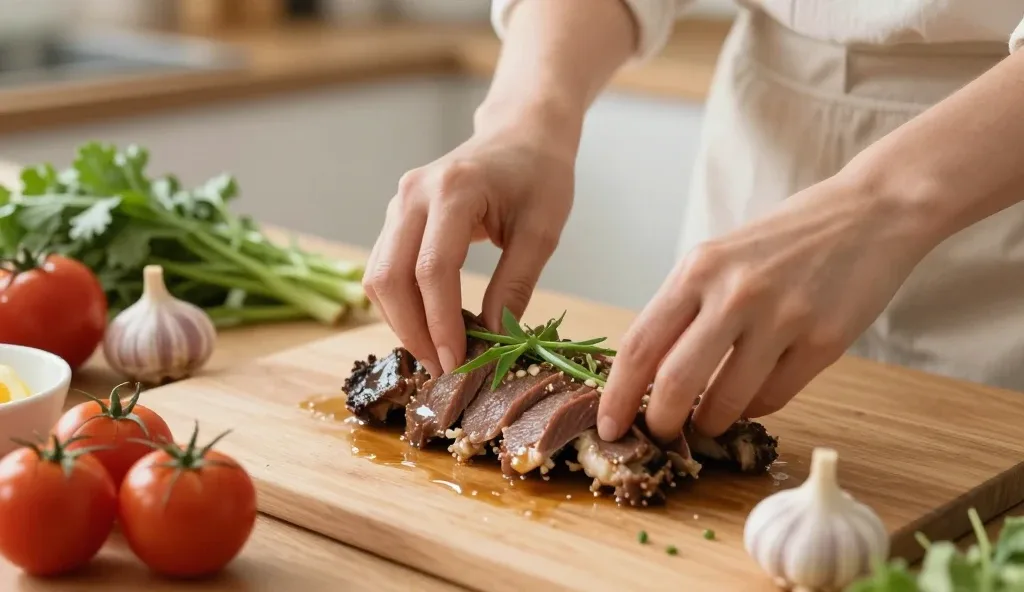
- Slice against the grain for maximum tenderness
By following these steps, you can make a delicious emu steak at home. The right temperature and enough resting time make this lean meat tender and tasty.
How to Cook Emu for Optimal Tenderness
Getting the right texture when cooking emu meat requires understanding two key factors: proper marinating and precise cooking times. Emu is a lean protein that needs special attention during preparation. When you learn how to cook emu correctly, you unlock the ability to create dishes that are tender, juicy, and full of flavor. The difference between a tough, disappointing meal and a delicious one often comes down to these preparation techniques.
The Importance of Marinating
Marinating your emu meat is one of the best ways to ensure tenderness. When you marinate cooking emu meat, you break down the protein fibers through acidic ingredients. This process opens up the muscle structure and allows moisture to penetrate deep into the meat.
A good marinade should include:
- Olive oil as your base fat
- Balsamic vinegar or lemon juice for acidity
- Fresh herbs like rosemary, thyme, or garlic
- Salt and black pepper for seasoning
Plan to marinate your emu for at least two to four hours before cooking. Longer marinating times, up to overnight, work even better. The acid in the vinegar or citrus softens the meat while the oil keeps it moist throughout the cooking process.
Avoiding Overcooking for Best Results
Overcooking is the biggest mistake people make with emu. This lean meat dries out quickly when exposed to high heat for too long. Even a few extra minutes can turn your tender, flavorful meat into something tough and unpleasant.
Follow these guidelines for perfect results:
| Cooking Method | Internal Temperature | Cooking Time | Doneness Level |
|---|---|---|---|
| Pan-Seared Steaks | 130-135°F | 4-6 minutes per side | Medium-Rare |
| Grilled Cuts | 135-140°F | 5-7 minutes per side | Medium |
| Slow-Roasted Roast | 160-165°F | 25-30 minutes per pound | Well-Done |
| Braised Stew Meat | Tender when pierced | 2-3 hours low heat | Fully Cooked |
Use a meat thermometer to check doneness accurately. Remove your emu from heat at 130-135°F for medium-rare, which keeps the meat juicy and tender. Let the meat rest for five minutes after cooking to allow the juices to redistribute throughout.
By combining proper marinating with careful temperature control, you’ll achieve consistently tender and delicious results every time you prepare this unique protein.
Creative Ideas for an Emu Dish
Mastering the basics of cooking emu meat opens up exciting possibilities in your kitchen. Your emu steak recipe can evolve into something truly special. It can reflect your cooking style and taste preferences.
Consider turning a traditional emu steak recipe into a sophisticated salad. Slice the cooked meat thinly and place it on fresh greens. Add a drizzle of balsamic glaze and sprinkle toasted walnuts on top. This makes for a light yet satisfying meal that highlights the meat’s mild, slightly sweet flavor.

- Slice the meat thinly and use it in quick stir-fries with colorful vegetables
- Incorporate emu into traditional meat pies for a leaner version
- Create tacos with seasoned emu meat and fresh toppings
- Prepare a hearty stew with root vegetables and herbs
- Make burger patties with ground emu meat
The key to success is balancing flavors. Emu’s unique taste pairs well with bold ingredients. Use strong seasonings, acidic elements like lemon juice, and aromatic herbs. These choices enhance your emu dish, keeping the meat tender and flavorful.
Try different cooking methods and ingredient combinations. You’ll find what works best for you. Creative cooking turns emu meat into dishes that wow family and friends.
Pairing Sides with Your Emu Meal
Choosing the right sides for your emu dish is key. The right sides can make your meal complete. They should complement the lean taste of emu meat.
Good sides turn a simple dinner into a special occasion. You want them to enhance your protein, not overpower it. Think about texture, taste, and health when picking your sides.
Selecting Vegetables that Complement Game Meat
Emu meat goes well with earthy vegetables that have deep flavors. Root vegetables add warmth and heft to your meal. Here are some great options:
- Roasted carrots and parsnips
- Grilled asparagus with garlic
- Sautéed kale with olive oil
- Roasted Brussels sprouts
- Steamed broccoli with herbs
These veggies are perfect because they match the bold taste of game meat without being too much.
Choosing Grains and Starches for a Balanced Plate
Grains and starches are just as important as your veggies. They add texture contrast to the lean protein. Here are some great choices:
| Grain or Starch | Texture Profile | Best Pairings |
|---|---|---|
| Wild Rice | Nutty and chewy | Roasted root vegetables |
| Quinoa | Light and fluffy | Grilled asparagus |
| Creamy Polenta | Smooth and rich | Sautéed mushrooms |
| Sweet Potatoes | Naturally sweet | Kale and garlic |
| Brown Rice | Earthy and wholesome | Roasted Brussels sprouts |
By choosing your sides wisely, you create a complete meal. Your veggies and grains should work together with your emu dish. This makes every bite a joy to eat.
Safety and Storage Guidelines for Cooking Emu
Learning to cook emu means knowing food safety basics. Emu meat is tasty and healthy, but handling it right keeps everyone safe. First, store it correctly when you get it home.
Raw emu meat should go straight to the coldest part of your fridge. Keep it at or below 40°F for the best taste and safety. Use it within two days to keep it fresh. If you can’t use it in time, freeze it for later.

Proper Temperature Guidelines
When cooking, the internal temperature is key. Ground emu needs to hit 160°F on a meat thermometer. Whole cuts can be cooked to your liking, but many prefer emu steaks at medium-rare, 130-135°F inside.
- Check meat temperature using a meat thermometer inserted into the thickest part
- Allow meat to rest for five minutes after cooking
- Never leave cooked emu at room temperature for more than two hours
- Store leftovers in airtight containers within two hours of cooking
Storage Best Practices
Cooked emu stays safe in the fridge for three to four days. When freezing, wrap it tightly in freezer paper or vacuum-seal to avoid freezer burn. Frozen emu can last up to eight months. Always thaw it in the fridge overnight, not at room temperature.
By following these tips, your emu meals will stay safe and tasty for your family.
Conclusion
Emu meat is a great choice for your kitchen. It’s lean and offers health benefits that support your wellness goals. Its nutritional profile makes it a smart option for tasty, quality meals.
You now know how to cook emu with confidence. Learning to marinate, season, and prepare it will boost your cooking skills. These techniques work for steaks, ground emu, and more. Plus, safe storage and handling practices keep your family safe.
Your culinary journey with emu meat is just starting. Many home cooks have found emu to be a great addition to their meals. You can pair it with fresh veggies, wholesome grains, and flavorful sides for balanced meals. Start trying new recipes this week and enjoy the unique qualities of emu.