Mangalitsa Pork: Exploring the Unique Flavor
Ever had a moment where food changes your view forever? That’s what mangalitsa pork does. It’s richer and more flavorful than regular pork. It’s like a taste of real, quality food.
Heritage meats are all the rage today. Chefs and experts love mangalitsa pork for its fat quality and taste. It’s not just a trend. It’s a real appreciation for something special.
Want to make your meals better? Knowing about mangalitsa pork helps. It’s loved by home cooks and chefs alike. They see its unique qualities.
This guide covers everything about mangalitsa pork. You’ll learn about its origins and why it tastes so good. We’ll also show you how to cook it and where to find it. By the end, you’ll know how to choose better ingredients for amazing meals.
Table of Contents
Understanding the Heritage Breed Pork Origins
The tale of unique pork varieties starts with a captivating journey through European history. Knowing where our food comes from helps us make better choices. Heritage breed pork shows generations of careful farming and animal selection.
Exploring these animals’ origins reveals a rich history of farming. Farmers developed these breeds over centuries to thrive in specific climates. Each breed has a story of adaptation and human knowledge passed down through families.
The History of Wooly Pig Meat
The history of wooly pig meat goes back to the 1830s in Hungary. Archduke Joseph Pal crossbred local swine with wild boars. This created a pig with a thick, curly coat and superior meat quality.
This breed nearly disappeared in the twentieth century. But dedicated farmers saved it from extinction. Today, you can enjoy this exceptional meat thanks to their hard work.
Preserving Rare Livestock Breeds
Keeping heritage animals alive requires dedication and knowledge. Modern farmers see the importance of genetic diversity in livestock. Your support for heritage breed pork helps these farmers continue their work.
- Genetic purity is key for breed survival
- Sustainable farming practices protect animal welfare
- Consumer demand drives conservation efforts
- Educational programs teach new generations about heritage breeds
By choosing heritage breed pork, you join a conservation effort. These animals symbolize agricultural history and culinary excellence. Your choices support farmers who work hard to preserve these remarkable animals for the future.
The Unique Characteristics of the Long Hair Pig
When you first see a long hair pig in a pasture, its most striking feature becomes obvious right away. The thick, curly coat covering the animal’s body serves a vital purpose. This woolly exterior protects the pig from extreme weather conditions, wind, and cold temperatures. Unlike commercial pigs raised in controlled indoor environments, these animals need natural protection to thrive outdoors.
The mangalitsa breed stands out because of its distinctive physiology. Your understanding of standard pigs may not prepare you for how different these hairy pigs breeds truly are. They store fat throughout their bodies in a unique way that commercial breeds cannot replicate. This special fat distribution happens naturally as the animal grows slowly over time.
The slow growth rate of a long hair pig plays a key role in meat quality. This extended maturation period allows intramuscular fat to develop throughout the muscle tissue. This marbling creates the distinctive flavor and tenderness you’ll find in heritage pork products.
Consider these key physical traits:
- Thick, curly hair coat for natural insulation
- Slower maturation compared to commercial breeds
- Superior intramuscular fat development
- Ability to thrive on pasture-based systems
- Distinctive body structure adapted for outdoor living
The mangalitsa’s unique characteristics make it ideal for producing premium pork products. Your choice to explore heritage breeds connects you to centuries of proven genetics and superior meat quality.
Why You Should Choose Mangalitsa Pork
Choosing the right meat for your family is important. Mangalitsa pork is more than just a taste. It supports farming that cares for animals and the earth. These pigs eat natural foods, making their meat healthier for you.
Health Benefits of Pasture Raised Animals
Pasture-raised pork is better for you. These pigs eat different foods than those in cages. This leads to meat that’s more nutritious.
- Higher levels of omega-3 fatty acids compared to grain-fed pork
- Increased vitamin E content from fresh vegetation
- Better ratio of good fats to saturated fats
- More natural minerals from varied pasture diets
- Reduced antibiotic exposure in the meat
Heritage breed pork has these benefits naturally. The animals get fresh air and move freely. This makes their meat stronger and better.
The Superiority of Heritage Genetics
Heritage genetics are important. They show years of careful breeding for quality. You get meat that meets high standards.
| Quality Factor | Heritage Breed Pork | Conventional Pork |
|---|---|---|
| Fat Marbling | Rich and consistent throughout | Minimal fat distribution |
| Flavor Intensity | Deep, complex pork taste | Mild and neutral |
| Texture Quality | Tender with good bite | Often dry when cooked |
| Cooking Time | Forgiving with slower cooking | Requires precise temperature |
| Nutritional Profile | Higher beneficial fatty acids | Standard commercial levels |
Choosing mangalitsa pork means you’re getting top-quality meat. It’s from centuries of breeding. This meat is tender and full of flavor. You’re also supporting good farming and better health for your family.
Exploring the Flavor Profile of Marbled Pork Meat
Marbled pork meat is truly special. Its intense marbling gives it a buttery texture that melts in your mouth. This makes it stand out from regular pork found in most stores.
The fat in this meat makes it unique to eat. As it cooks, the fat melts, basting the meat inside. This adds a deep, savory flavor that enhances the taste.
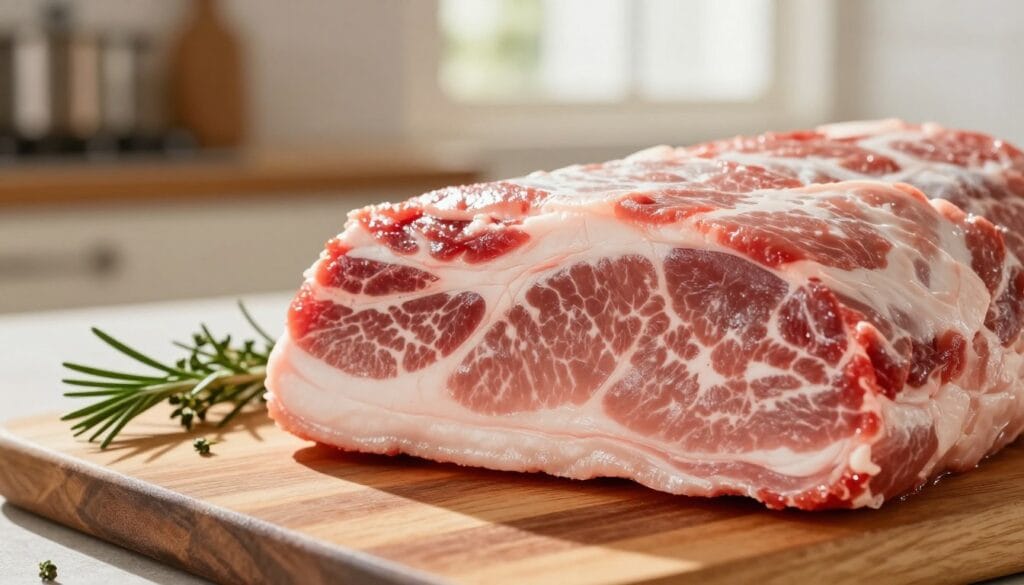
Wooly pig meat is known for its fat content. It has more monounsaturated fats, which are good for your heart. This means you can enjoy delicious meat while being kinder to your heart.
What Makes the Taste So Different
The flavor comes from the pig’s diet and lifestyle. Pasture-raised pigs eat a variety of plants outdoors. This gives the meat a complex flavor that regular pork can’t match.
- Rich, buttery sensation on your palate
- Deep savory notes that linger
- Tender texture that requires less cooking
- Natural sweetness from the fat content
- Reduced need for added seasonings
Knowing about this flavor profile makes you see why marbled pork is more expensive. The taste is worth the cost when you serve it.
Culinary Uses for Artisan Pork Products
Cooking with artisan pork products opens up a world of delicious possibilities. The high fat content in these premium meats demands special attention and technique. Working with gourmet pork varieties is special. The natural marbling and richness require cooking methods that honor the meat’s quality.
Understanding how to prepare these cuts properly transforms your meals into restaurant-quality dishes.
Best Cooking Methods for Rich Fats
Rich fats in premium pork need careful handling during cooking. The fat should work for you, not against you. Here are the best approaches for different mangalica pork cuts:
- Low and slow roasting brings out deep flavors without burning the fat
- Pan-searing creates a golden crust while keeping the interior juicy
- Braising in liquid helps break down connective tissue and render fat evenly
- Smoking adds complexity and depth to the meat’s natural taste
- Grilling over medium heat prevents flare-ups from dripping fat
When you prepare mangalitsa bacon, rendering the fat properly creates crispy edges and tender centers. Start with lower heat and let the fat release slowly. This method gives you better texture and flavor.
Pairing Flavors with Gourmet Cuts
Balancing the richness of premium pork means choosing the right companions for your plate. Acidic ingredients cut through fat and refresh your palate between bites.
| Pork Cut Type | Acid Pairing | Why It Works |
|---|---|---|
| Loin | Citrus or vinegar-based sauce | Cuts richness with brightness |
| Shoulder | Pickled vegetables | Adds crunch and tang |
| Belly | Apple or apricot compote | Sweet and sour balance |
| Jowl | Mustard or hot sauce | Creates savory contrast |
“The best meals celebrate what makes the ingredient special, not what masks it.”
Your goal when cooking artisan pork products is simple: let the natural flavor of the meat shine. Skip heavy sauces that hide the quality you paid for. Instead, use complementary flavors that enhance and support what makes this meat exceptional.
How to Source Premium Pork Meat
Finding quality pork starts with knowing what to look for in your supplier. You need to connect with farmers who care about animal welfare and proper breeding. The best sources are open about their operations and the animals’ lineage.
Start by looking for local options in your area. Farmers’ markets are great places to find where can i buy mangalitsa pork. Talking directly to vendors lets you ask about their practices and learn about their animals.
Next, check online directories for sustainable agriculture. These platforms help you find mangalitsa pork near me by connecting you with certified breeders. Many farms have websites showing their herd and production methods.
When looking for premium pork meat, consider these factors:
- Animal welfare standards and pasture conditions
- Breeding history and pedigree documentation
- Feed quality and supplementation practices
- Processing methods and handling procedures
- Customer reviews and farm certifications
Always ask about the farm’s practices before buying. Authentic mangalitsa producers are happy to answer your questions. They might even let you visit their facilities. Building relationships with reputable farms ensures you get genuine, high-quality products.
Tips for Preparing Mangalitsa Bacon
Preparing mangalitsa bacon is an art that needs patience and care. This heritage breed pork is known for its rich flavor. The secret to making top-notch mangalitsa bacon at home is understanding its fat and meat.
Mastering two key techniques is essential: rendering fat right and getting the perfect crisp. These skills will turn your breakfast into a gourmet feast. It will highlight the premium quality of this pork.
Rendering the Perfect Fat
The fat in marbled pork needs slow, gentle heat to shine. Start by setting your oven to 250°F. This low heat helps the fat melt slowly without burning the meat.
Here’s how to render fat successfully:
- Arrange bacon strips on a baking sheet lined with parchment paper
- Place the sheet in your preheated 250°F oven
- Wait 20-25 minutes as the fat melts into silky, liquid gold
- Monitor the bacon carefully to ensure even cooking
- Remove when the edges begin showing color
Low and slow is your mantra. Using high heat will burn the fat and make the meat tough.
Achieving the Ideal Crispness
After the fat is perfectly rendered, increase the oven temperature slightly. Raise it to 375°F for the last 5-8 minutes. This will give you the crispiness you desire while keeping the meat tender.
Your finished mangalitsa bacon should have:
- Deep golden-brown color on the edges
- Slight curl at the bacon strips
- Crispy exterior with tender interior
- Rich, nutty aroma throughout your kitchen
“The difference between ordinary bacon and exceptional bacon lies in respecting the ingredient’s natural qualities.”
Take your bacon out of the oven and put it on paper towels. The remaining heat will crisp it up. Your patience in rendering the fat slowly will pay off with bacon that’s far better than regular bacon.
Identifying Authentic Hungarian Mangalitsa
When looking for top-notch pork, it’s key to know how to spot real Hungarian Mangalitsa. This special breed is different from common pigs. Knowing its unique features helps you choose the right meat. Your meat should have the right papers and stamps from known breed groups.
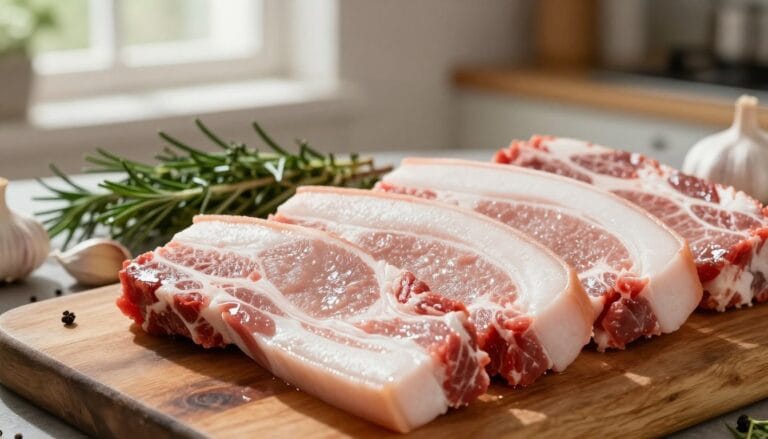
Check the meat’s color and fat when you buy it. The meat should be a deep red color, showing it’s of high quality. The fat, on the other hand, is white and creamy, unlike the yellow fat in regular pigs. This shows the mangalitsa’s special diet and genetics.
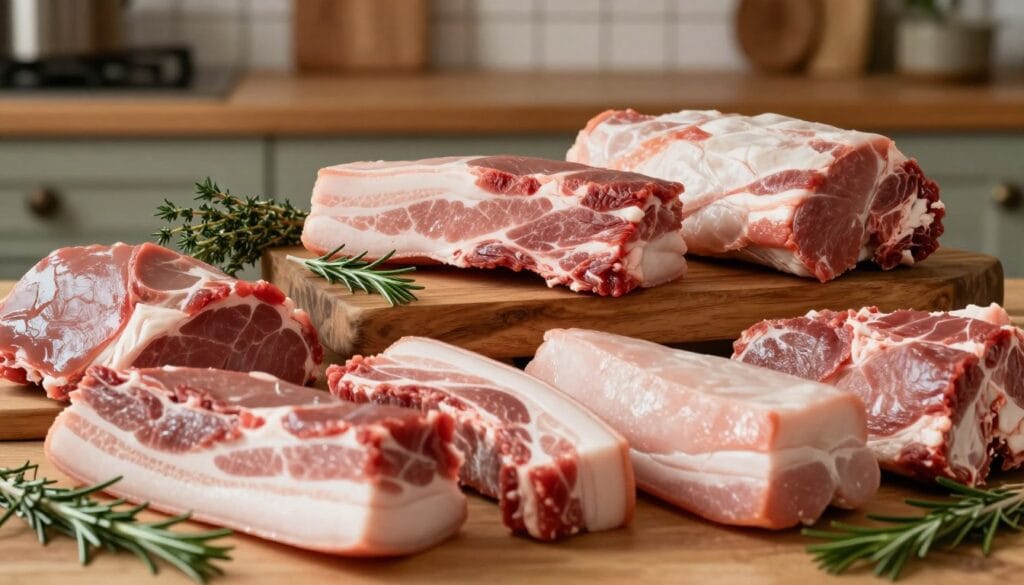
Looking at different cuts of mangalica pork, you’ll see a special pattern. The fat is spread out in the meat, making a web-like look. This fat makes the meat taste great and feel soft. Real mangalitsa has this fat pattern in all its cuts.
It’s important to check where your meat comes from. Here’s how to make sure it’s real:
- Ask for papers from breed groups
- Learn about the animal’s family and breeding
- Find out about the farmer or seller’s good name
- Look for labels and tracking info
- Check the fat color and meat look in person
Buying from trusted sellers means you get the real deal. You’ll enjoy better taste and health benefits from authentic mangalitsa pork.
Finding Gourmet Pork Varieties Near You
Finding top-notch gourmet pork is now easier than before. The demand for artisan pork is growing across the U.S. Specialty stores now carry these meats to meet this demand. Start your search by finding where quality sources are in your area.
Choosing the right supplier can elevate your cooking. You’ll enjoy better flavor, texture, and support ethical farming. Finding these products is quick with the right steps.
Where Can I Buy Mangalitsa Pork
Look for specialty butcher shops, farmers markets, and online stores. Boutique butchers now offer mangalitsa pork due to its popularity. They often work closely with farms that raise these pigs.
Online stores deliver to your doorstep. They provide info on the animal’s background and farming methods. You can read reviews and descriptions before buying.
- Contact local butchers about their current inventory
- Search farmers markets in your region during peak seasons
- Explore online retailers specializing in heritage meats
- Join farm subscription services for regular deliveries
- Visit farms directly that raise these breeds
Locating Mangalitsa Pork Near Me
Use digital maps to find farms and stores near you. Search “mangalitsa pork near me” on Google Maps. Many farms list their products on Etsy and Local Harvest.
Call before visiting any store. Inventory changes with the seasons, and popular cuts sell fast. Building a relationship with your suppliers can give you better access and early ordering.
| Retail Type | Availability | Price Range | Best For |
|---|---|---|---|
| Specialty Butchers | Year-round with seasonal variations | Premium pricing | Personalized cuts and advice |
| Farmers Markets | Seasonal availability | Moderate to high | Direct producer contact |
| Online Retailers | Consistent stock | High with shipping costs | Convenience and variety |
| Direct Farms | Limited quantities | Competitive pricing | Educational experience |
| Subscription Services | Monthly deliveries | Bundled rates available | Regular supply access |
Buying gourmet pork helps small farms keep their heritage breeding alive. Your purchase supports farms dedicated to raising quality animals.
Conclusion
Mangalitsa pork is a standout in the world of artisan meats. It has a rich marbling and flavor that standard pork can’t match. From its Hungarian roots to your plate, it’s a story of quality and tradition.
Understanding Mangalitsa pork starts with knowing its origins and how to pick the best cuts. This knowledge enhances your appreciation for this premium pork. It shows why the meat is so special and how to prepare it perfectly.
By choosing trusted farmers and suppliers, you help preserve these rare breeds. Each meal becomes a celebration of true culinary artistry. You’re now ready to enjoy the finest artisan pork products.
Whether you’re cooking fat, making bacon, or preparing gourmet cuts, you can do it with confidence. This guide helps you make smart choices about the meat you buy and cook. Your next meal will be unforgettable, thanks to Mangalitsa pork’s exceptional quality.