How to Make Authentic Mexican Chicken Recipes at Home
Walking into a Mexican kitchen is magical. The smell of chicken, spices, and cilantro fills the air. This warmth and flavor can be yours too.
Learning to make mexican chicken recipes is more than following steps. It’s connecting with tradition and bringing Mexican cooking into your home.
Your kitchen can become a place of tradition. By understanding Mexican cuisine, you can make dishes that taste like they’re from Mexico City or Oaxaca.
This guide will teach you everything. You’ll learn about key ingredients and cooking methods. You’ll also master skills to make chicken extraordinary.
Your journey to authentic mexican chicken recipes starts with respect. With the right knowledge and practice, you can create meals that satisfy your cravings and honor tradition.
Table of Contents
Essential Ingredients for Authentic Flavor
The quality of your ingredients is key to making delicious mexican recipes with chicken. Great cooking starts with the best components you can find. Choosing premium ingredients makes your dishes taste more authentic and satisfying. Let’s look at what you need to know about selecting produce and dried chiles for your kitchen.
Selecting Fresh Produce
Fresh vegetables add brightness and depth to your chicken dishes. Look for vine-ripened tomatoes that feel heavy and smell fragrant. These tomatoes have natural sweetness and acidity that canned tomatoes can’t match.
White onions are a must-have for your pantry. They have a mild flavor that blends well into sauces without overpowering other ingredients. Fresh cilantro adds a clean, herbaceous note that balances savory meat perfectly.
- Choose tomatoes with deep red color and slight softness
- Pick onions that feel firm with dry, papery skin
- Select bright green cilantro with no wilting or brown spots
- Buy garlic that is compact and free from sprouts
- Look for limes with thin skin and heavy weight
Sourcing Authentic Dried Chiles
Dried chiles are the heart of authentic Mexican flavors. You want chiles that feel pliable and flexible, not brittle or crumbly. Good chiles should have a strong, pleasant aroma when you open the package.
| Chile Type | Flavor Profile | Heat Level | Best Uses |
|---|---|---|---|
| Ancho | Sweet and smoky | Mild (1,000-2,000 SHU) | Sauces and salsas |
| Guajillo | Fruity and tangy | Mild to moderate (2,500-5,000 SHU) | Marinades and broths |
| Pasilla | Rich and earthy | Mild (1,000-2,500 SHU) | Complex sauces |
| Chipotle | Smoky and spicy | Hot (5,000-10,000 SHU) | Tinga and stews |
Understanding regional chile varieties can greatly improve your cooking. Each type adds a unique character to your dishes. When you store dried chiles in an airtight container away from light, they stay fresh for months. Investing in quality ingredients directly affects the taste of your meals.
Mastering Mexican Chicken Recipes
Learning to cook mexican chicken recipes is all about heat, timing, and technique. These elements work together to make your meals tender and full of flavor. How you handle the chicken is key to a great dish. Mastering these skills boosts your kitchen confidence and makes dishes your family will love.
The base of excellent mexican chicken recipes lies in three main cooking methods. Each method brings out unique flavors and textures. Your choice depends on the dish you want to make and how much time you have.
- Searing – This method uses high heat to brown the chicken and lock in juices. Start with a hot skillet and cook the chicken for 4-5 minutes per side until golden brown.
- Braising – This combines searing with slow cooking in liquid. You brown the chicken first, then simmer it in broth or sauce for 20-30 minutes until tender.
- Simmering – This gentle method cooks chicken slowly in liquid at low temperatures. It works best for whole birds or large pieces and takes 45 minutes to an hour.
Controlling heat is crucial in cooking. Too much heat can dry out your chicken. Not enough heat can leave it undercooked. You should aim for an internal temperature of 165 degrees Fahrenheit for safety.
Your goal is to keep the meat moist and build rich flavors. By mastering these basic cooking skills, you’re ready to adjust recipes to your liking. This foundation helps you create meals that rival those from restaurants, all from your own kitchen.
The Art of Preparing Mexican Shredded Chicken
Making tender, flavorful mexican shredded chicken at home is all about the right cooking methods. It’s important to be patient and manage the heat well. By following a recipe, you learn how to turn simple ingredients into a delicious protein for tacos and more.
The chicken’s texture is key. When done right, it soaks up sauces and tastes amazing. How you cook and shred it makes a big difference in the final dish.
Slow Cooking Methods
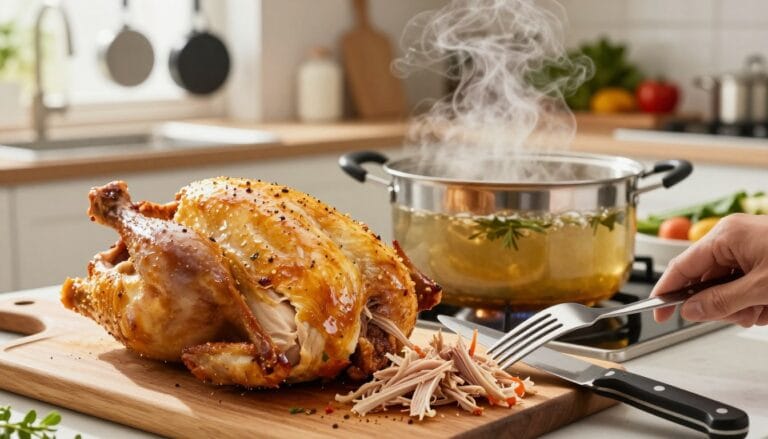
Slow cooking is the best way to make tender mexican shredded chicken. It keeps the meat moist and adds deep flavors that quick cooking can’t match.
- Simmer chicken in seasoned broth at a gentle temperature
- Keep the liquid at a low boil, not a rolling boil
- Cook until the internal temperature reaches 165°F
- Allow the meat to rest briefly before shredding
- Use a Dutch oven or slow cooker for consistent results
Your cooking liquid should include broth, spices, and aromatics. This makes a flavorful base that infuses the chicken as it cooks.
Proper Shredding Techniques
Shredding technique is crucial for the chicken’s texture. The best time to shred is when the meat is still warm.
- Remove chicken from the cooking liquid using a slotted spoon
- Place on a cutting board and let cool for 2-3 minutes
- Use two forks to pull the meat apart in opposite directions
- Work with the grain for longer, more appealing strands
- Continue until all chicken reaches your desired texture
Shredding warm meat makes it easier and more appealing. Your mexican shredded chicken will look and taste like it’s from a restaurant.
Traditional Cooking Techniques for Poultry
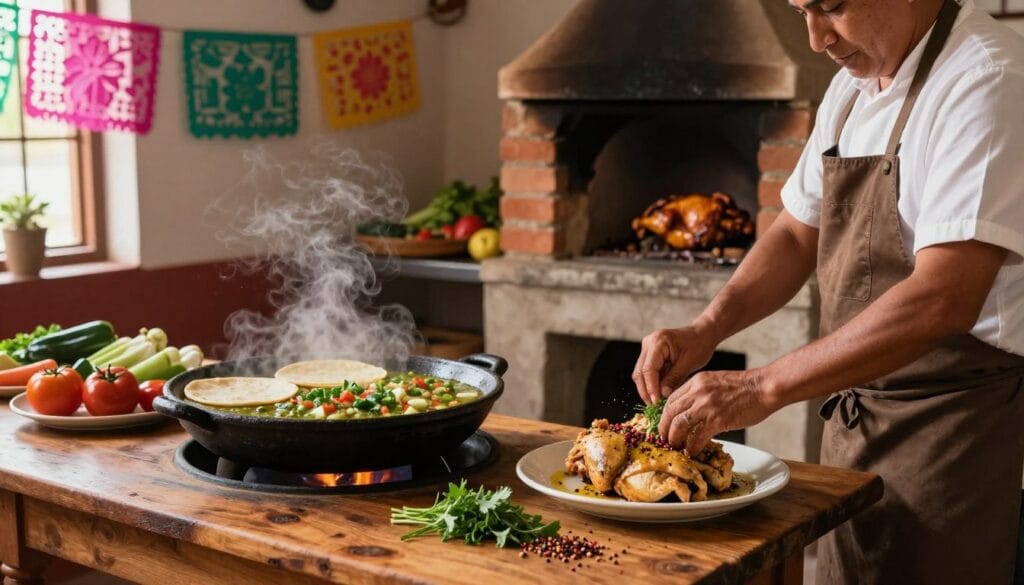
Authentic mexican chicken recipes use old cooking methods. These methods turn simple chicken into dishes full of flavor. The key is knowing how to use heat and let ingredients blend over time.
Braising and stewing are key in Mexican chicken cooking. They cook chicken slowly in liquid, making it absorb rich flavors. The low heat makes the meat tender and develops deep tastes.
Mastering Heat Control
Controlling your stove’s temperature is crucial. Too much heat can dry out the chicken and lose flavors. Keep it at a gentle simmer, where bubbles rise now and then. This lets onions, garlic, and peppers add their flavors slowly.
Building Flavor Layers
Start by searing the chicken in hot oil. This creates a golden crust that keeps juices in. Then, add vegetables and spices, letting them release their oils before adding the braising liquid. This builds the savory depth of authentic cooking.
- Brown your chicken first for better color and taste
- Toast whole spices before grinding them
- Cook uncovered during the final stages to reduce liquid
- Taste and adjust seasonings near the end
These traditional methods need patience, but they pay off with amazing results. They beat store-bought options any day.
Exploring the Spicy World of Tinga Mexican Food
Tinga mexican food is a favorite in Mexico. It mixes smoky heat with tangy flavors for a unique taste. The dish is simple yet complex, thanks to smoky chipotle peppers and a fresh tomato base.
Making authentic tinga takes patience and quality ingredients. The mix of heat and acidity is key. Once you get it, you can make restaurant-quality meals at home.
Balancing Smoky Chipotle Flavors
Chipotle peppers give tinga its smoky taste. You can use them in two ways:
- Rehydrate dried chipotles by soaking them in hot water for 15-20 minutes
- Use canned chipotles in adobo sauce for convenience and consistent heat
To balance, mix the smoky peppers with other ingredients. Start with one or two peppers and adjust to taste. The adobo sauce from canned peppers adds richness.
Creating the Perfect Tomato Base
A fresh tomato base balances the smoky chipotle heat. It should be acidic and fresh.
| Tomato Ingredient | Preparation Method | Flavor Contribution |
|---|---|---|
| Fresh Roma Tomatoes | Roast or simmer whole | Sweet, natural acidity |
| Canned Tomatoes | Blend or crush before cooking | Consistent, bright tang |
| Tomato Paste | Mix with broth | Deep tomato concentration |
Cook your tomatoes slowly. This blends their flavors with the chipotle peppers. Add onions and garlic for more taste. Let it simmer for 30 minutes to mix well.
The perfect tinga balances smoky heat with bright acidity. It’s great in tacos, tostadas, or over rice. The chicken becomes tender and flavorful, like from a pro kitchen.
Essential Spices and Aromatics
Understanding spices and aromatics is key to making authentic Mexican chicken dishes. These ingredients blend to create deep, layered flavors. When used right, your dishes will taste like they’re from a pro kitchen.
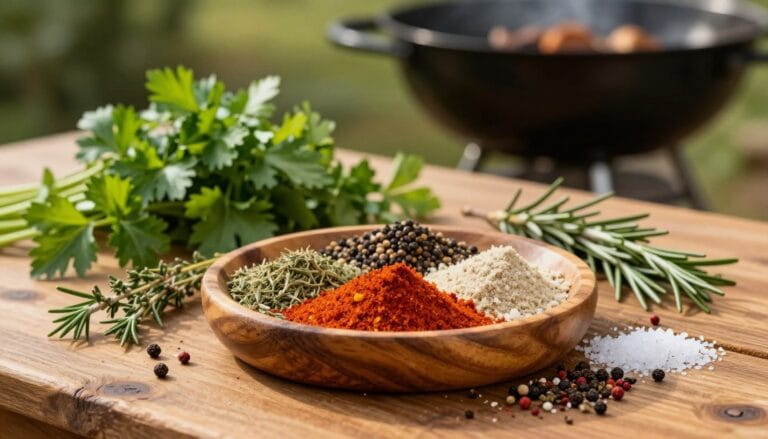
Toasting whole spices changes their flavor a lot. Heat a dry pan over medium heat and add your spices for a few minutes. The aroma will get stronger and richer. This step releases oils in the spices, making ground spices taste much stronger.
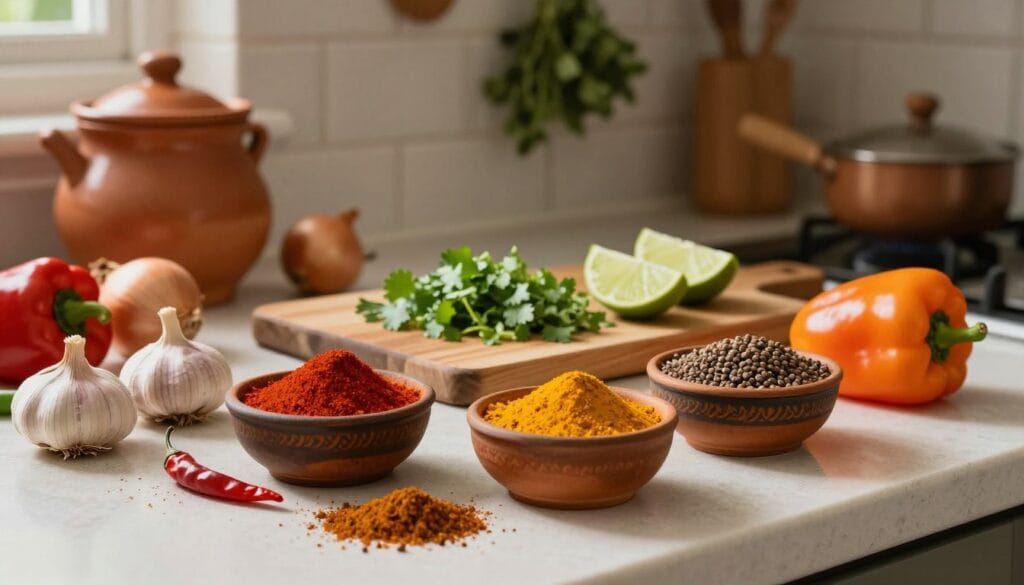
When adding fresh aromatics, timing is everything. Use garlic early to build flavor. Save cilantro for garnish to keep its fresh taste. This way, your dishes will have depth and balance.
Core Spices for Mexican Chicken Dishes
Building your spice collection opens up endless possibilities for Mexican chicken dishes. Here are the spices you must have:
- Cumin – provides warm, earthy undertones
- Mexican oregano – offers a stronger flavor than Mediterranean oregano
- Chili powder – adds mild heat and depth
- Paprika – brings color and subtle sweetness
- Cinnamon – creates warm complexity in certain dishes
Aromatic Ingredients That Matter
Fresh aromatics add brightness and life to chicken dishes. Knowing when and how to use them makes a big difference:
| Aromatic Ingredient | Best Cooking Stage | Flavor Profile | Amount Per Recipe |
|---|---|---|---|
| Garlic | Early in cooking | Strong, pungent | 4-6 cloves minced |
| White Onion | With garlic at start | Sweet when cooked | 1 large onion diced |
| Cilantro | Fresh garnish at end | Bright, herbaceous | 1/4 cup chopped |
| Lime Juice | Final seasoning step | Acidic, refreshing | 2-3 tablespoons |
| Mexican Oregano | Toast, then add early | Bold, slightly citrusy | 1 teaspoon dried |
Customizing your spice blends based on your taste preferences lets you create unique dishes. Start with standard amounts, taste as you go, and adjust to your liking. Over time, you’ll get better at balancing flavors.
Quality is important when picking spices and aromatics. Fresh spices have stronger flavors than old ones. Buy from stores with good turnover and store spices in cool, dark places.
Creative Ways to Serve Your Chicken Dishes
Once you’ve mastered your mexican shredded chicken, you open up a world of possibilities. This tender, flavorful meat is perfect for many traditional Mexican dishes. It becomes the main attraction in meals that wow family and friends.
The secret is to pair your chicken with fresh, quality sides. These should bring out the best in the chicken’s natural flavors.
Your cooked chicken lets you create meals that rival those from restaurants. You can turn simple ingredients into unforgettable meals. Your guests will love the authentic taste and effort you put into making it.
Building Better Tacos
Tacos are a great way to show off your mexican shredded chicken. Start with warm tortillas, either corn or flour. Then, layer your chicken generously on each tortilla.
- Top with fresh salsas—pico de gallo or salsa verde work beautifully
- Add pickled red onions for a bright, tangy crunch
- Sprinkle crumbled cotija cheese for a salty, creamy element
- Include fresh cilantro and lime wedges for brightness
- Consider crispy shredded cabbage for texture contrast
Assembling Hearty Enchiladas
Enchiladas are a great way to serve your chicken in a more filling way. Roll your chicken in soft corn tortillas. Then, make a rich sauce with dried chiles, tomatoes, and spices.
Smother your tortillas in this sauce. Top with cheese and bake until it’s bubbly and golden. Serve with Mexican rice and refried beans for a meal that fills everyone up.
Selecting the Best Cuts of Meat
Choosing the right chicken cut is key when cooking mexican recipes with chicken at home. Each part of the bird has its own special qualities. These qualities affect the taste and texture of your dish.
For dishes that take a long time to cook, like stews or shredded chicken, use bone-in, skin-on thighs and legs. These cuts stay juicy and tender. The bones also add a lot of flavor to your broth, and the skin helps keep the meat moist.
If you prefer leaner meat, chicken breasts are the way to go. They cook faster than dark meat. Just be careful not to overcook them, so they stay tender and juicy. Breasts are great for dishes where you want a lighter feel but still want that authentic flavor.
| Chicken Cut | Best For | Cooking Time | Fat Content |
|---|---|---|---|
| Thighs (bone-in, skin-on) | Stews, shredding, long simmers | 45-60 minutes | High |
| Legs (bone-in, skin-on) | Braising, slow cooking | 50-70 minutes | High |
| Breasts (boneless, skinless) | Quick cooking, tacos, salads | 20-30 minutes | Low |
| Breasts (bone-in, skin-on) | Roasting, simmering | 30-40 minutes | Medium |
Your choice depends on the dish you’re making and how much time you have. Dark meat from thighs and legs is great for slow-cooked dishes. White meat from breasts cooks quickly but needs attention. Choose the cut that fits your recipe for the best results.
Tips for Achieving Restaurant Quality Results
Cooking authentic Mexican chicken at home needs focus on the small details. These details can make your dishes taste like they’re from a top restaurant. It’s all about mastering heat control and adding layers of flavor with smart touches.
Restaurant kitchens know that precision matters. Your stovetop can also deliver great results if you use these professional tips for every meal.
Managing Heat Levels
Heat control is key for your Mexican chicken recipes. Too much heat can burn spices and make flavors bitter. Too little heat can make your dish taste flat.
- Use medium heat when toasting dried chiles and spices
- Lower heat when simmering chicken to keep meat tender
- Start cooking at high heat, then reduce to medium once ingredients are browning
- Watch for gentle bubbles rather than rolling boils
For tinga mexican food, use medium-low heat. This lets chipotle peppers and tomatoes blend without burning. This patience creates the rich, complex flavors that bring people back to restaurants.
Enhancing Depth with Fresh Garnishes
Fresh toppings can turn your dish from good to great. These toppings cut through the richness of your chicken and wake up your taste buds.
| Garnish | Flavor Profile | Best Use |
|---|---|---|
| Fresh cilantro | Herbaceous and clean | Top tacos and enchiladas |
| Lime wedges | Bright and acidic | Squeeze over finished dishes |
| Diced radishes | Crisp and peppery | Add crunch to soft tortillas |
| Sliced onions | Sharp and refreshing | Layer in every dish |
These garnishes add textural contrast and brightness. They balance the deep, smoky flavors of your chicken. Your guests will notice the difference right away.
Conclusion
You now have a complete roadmap for making authentic mexican chicken recipes at home. The journey from picking quality ingredients to mastering traditional cooking methods is exciting. Your hard work will make every meal you cook taste like it’s from a restaurant.
Mexican shredded chicken is the base for many dishes that add warmth and flavor to your meals. By using slow cooking and proper shredding, you can make chicken tender and full of flavor. Adding fresh garnishes, the right amount of spice, and traditional cooking methods will make each dish special.
The rich culinary heritage of Mexico is worth exploring in your kitchen. Your effort to learn these classic recipes shows you’re serious about cooking. Keep trying new things, stay curious, and enjoy the vibrant flavors that authentic mexican chicken recipes bring to your home and gatherings.