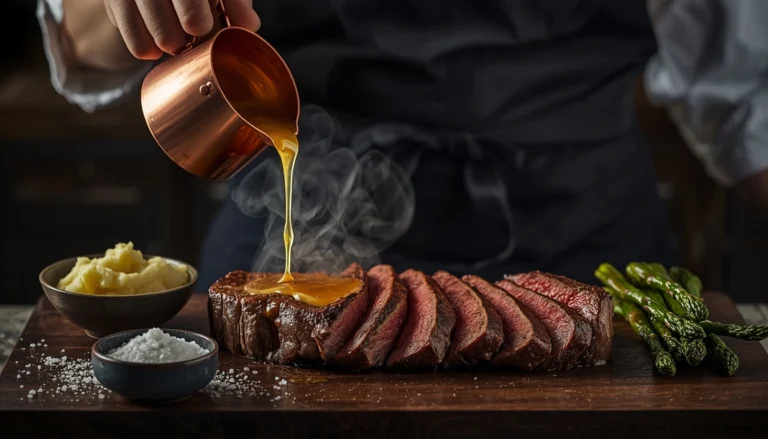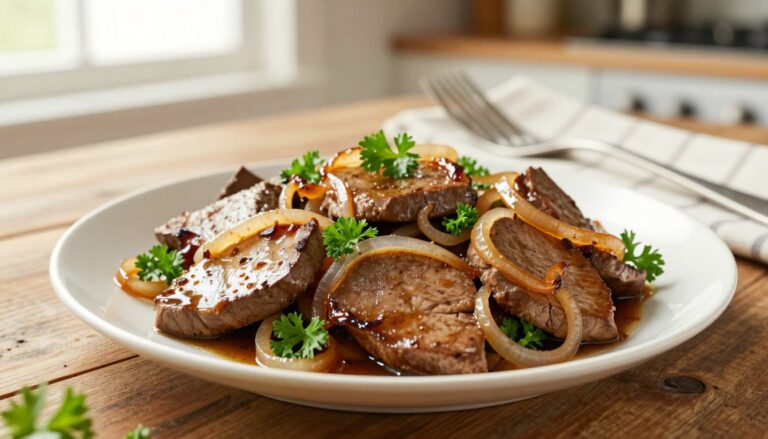
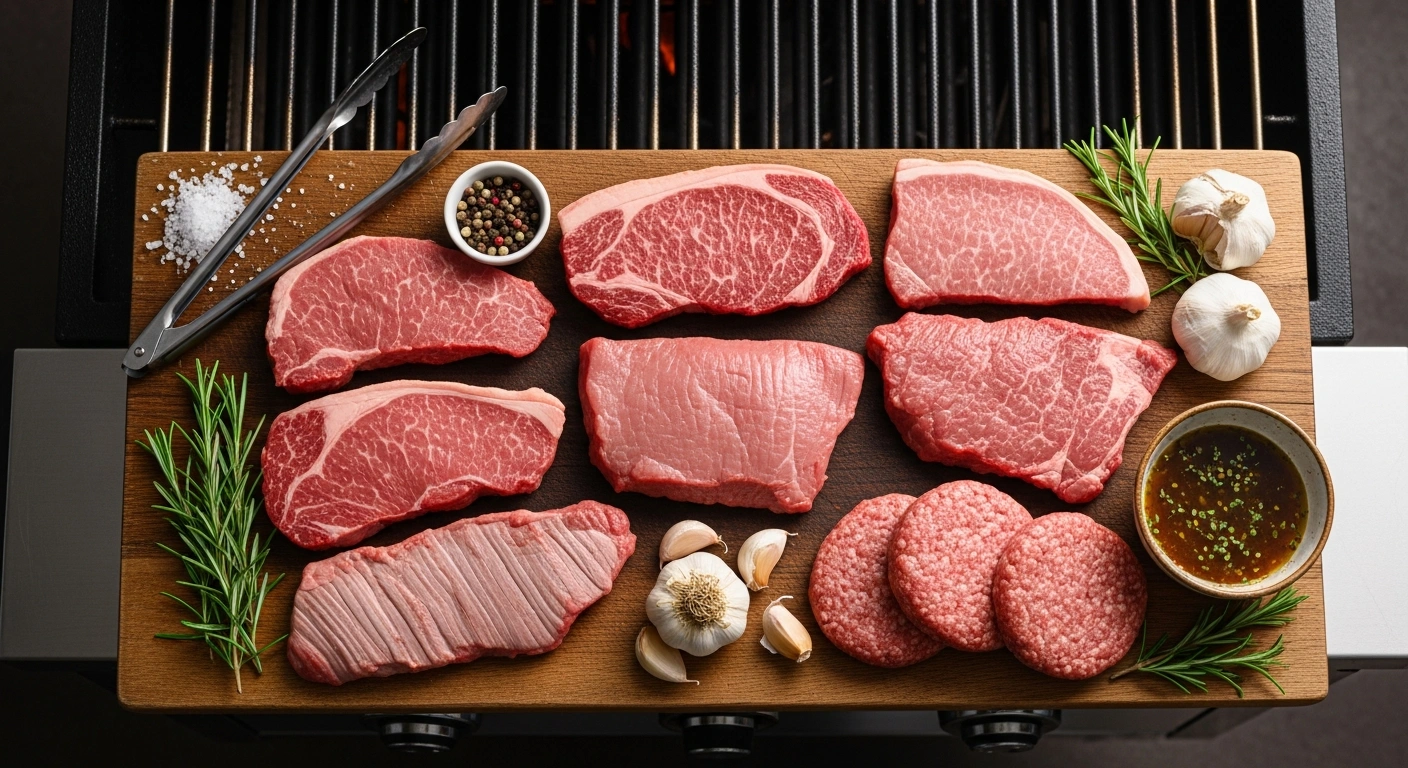
Best Cut of Steak: Top Budget Grilling Cuts 2026
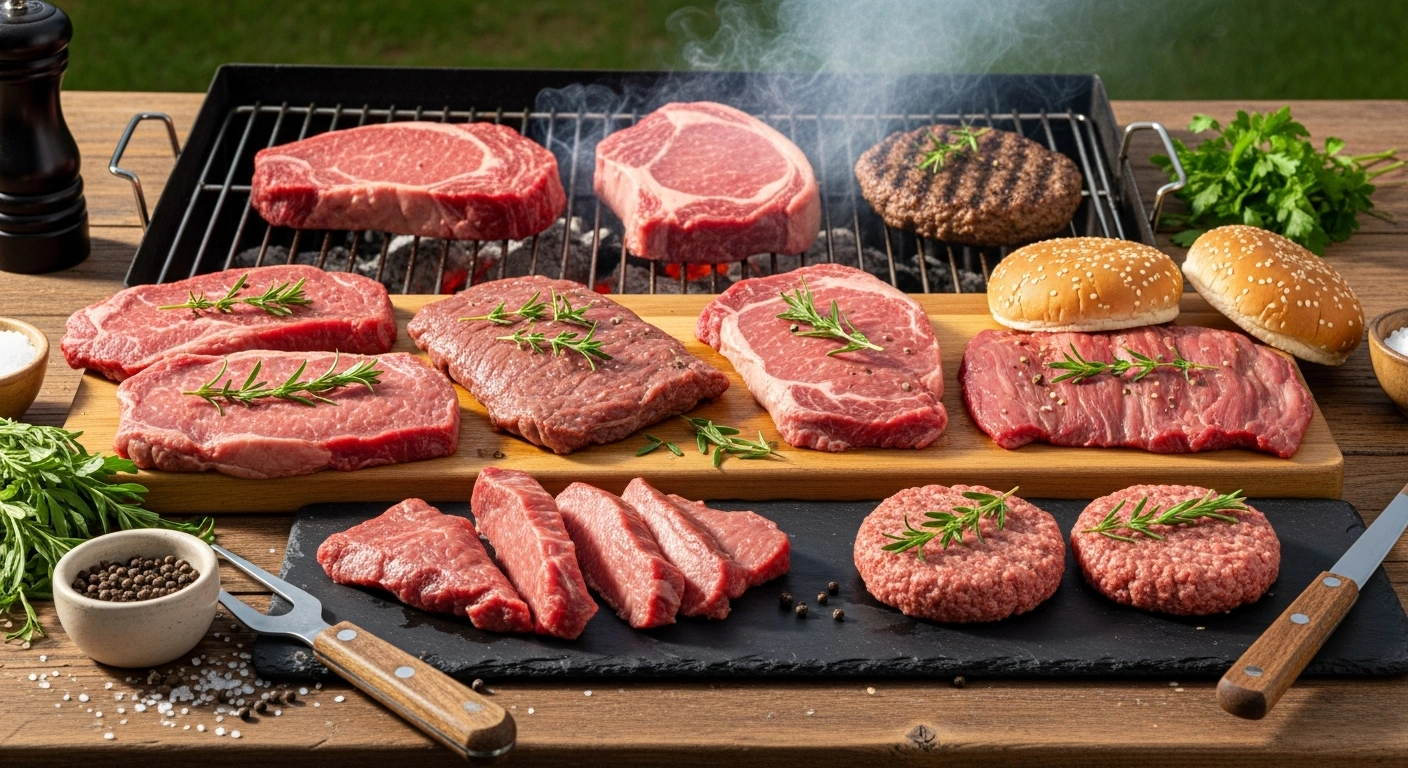
Best Cut of Steak for Budget Grilling: The Short Answer
The best cut of steak for budget grilling in 2026 is usually top sirloin if you want a simple, easy-to-find steak, or flat iron if you want more tenderness for the money. If your butcher carries it, chuck eye steak can be one of the strongest flavor values because it comes from the same general shoulder area near the rib section.
The right choice depends on how you plan to cook. Sirloin is steady and beginner-friendly. Flat iron is tender and quick. Flank and skirt steak need slicing across the grain. Tri-tip is better for feeding a group. Ground beef is still the easiest way to grill for a crowd when steak prices feel high.
Best Budget Grilling Cuts 2026: At-a-Glance Comparison
Steak prices move by region, grade, butcher, supermarket, online seller, holiday promotion, and supply. Use the ranges below as planning guidance, not fixed prices. For context, BLS average retail tables and USDA retail reports show that beef steaks and cookout beef items remain expensive compared with many everyday proteins, so value cuts matter more this summer.
| Cut | Typical 2026 Value Position | Best Grill Method | Flavor vs Price Note | Best Use |
|---|---|---|---|---|
| Flat iron steak | Often mid-range, usually less than premium rib steaks | Direct high heat, medium-rare to medium | One of the most tender cut of steak options without tenderloin pricing | Simple steak dinner, sliced steak plates |
| Chuck eye steak | Often a strong value when available | Quick sear or two-zone grilling | Beefy flavor, but availability varies by store | Budget steak night |
| Top sirloin | Often a practical everyday grilling steak | Direct medium-high heat | Lean, beefy, and easier to find than many specialty cuts | Beginner grilling, family meals |
| Flank steak | Can be affordable, but prices vary widely | Marinate, grill hot, slice thin | Big flavor, but tenderness depends on slicing | Fajitas, rice bowls, steak salads |
| Tri-tip | Good value per serving when bought as a roast | Two-zone grill, then sear | Feeds several people without buying individual steaks | Cookouts and family-style slicing |
| Skirt steak | Not always cheap, but high flavor per ounce | Very hot and fast | Strong grill flavor; best sliced across the grain | Tacos, fajitas, chimichurri steak |
| 80/20 ground beef | Usually the easiest budget choice for groups | Burgers or smash burgers | Not steak, but often wins on price per serving | Memorial Day and July 4th burgers |
For national retail context, compare current public data from the BLS average retail food price table and the USDA weekly retail beef feature report.
What Makes the Best Cut of Steak a Good Value?
The cheapest package is not always the best value. A very tough cut can cost less per pound but still disappoint on the grill if it needs braising. A premium ribeye can taste excellent but may not fit a large cookout budget. The best budget cut sits between those two extremes: enough tenderness for direct grilling, enough beef flavor to feel satisfying, and a price that still works when feeding more than one person.
Flat iron, top sirloin, and hanger-style cuts can grill well when cooked quickly and sliced properly.
Chuck eye, skirt, flank, and tri-tip often bring strong beef flavor without needing complicated seasoning.
A cut with heavy trim loss may not be as cheap as it looks. Price per serving matters more than price per pound.
Thin, loose-grained cuts like skirt need fast heat. Larger cuts like tri-tip need two-zone grilling.
Beef grade also matters. USDA explains that Choice beef has less marbling than Prime but is still high quality, while Select is leaner and may need more careful cooking. USDA Prime, Choice, and Select guide.
Best Cuts of Steak and Beef for Budget Summer Grilling
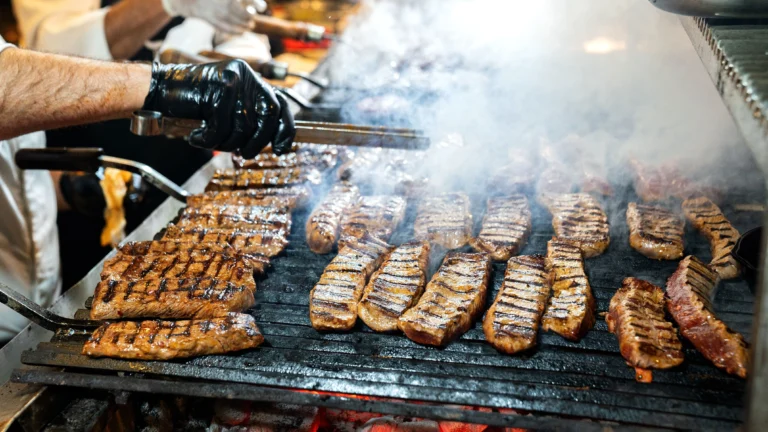
These different types of steak and beef cuts work because they give you a clear cooking path. Some are true steaks. Some are larger cuts that slice well. One is ground beef, which belongs in a budget grilling guide because burgers remain the most flexible way to feed a crowd.
1. Flat Iron Steak
Flat iron is often the best cut of steak for someone who wants tenderness without moving straight to filet prices. It cooks quickly over direct heat and works well with salt, pepper, garlic butter, or a short marinade.
Grill it hot for a few minutes per side, then rest and slice across the grain. Avoid pushing it past medium if you want the texture to stay tender.
For a normal product reference, you can compare current availability from Flannery Beef flat iron steak.
2. Chuck Eye Steak
Chuck eye is sometimes called a budget alternative to ribeye, but it should not be treated as identical. It can have deep beef flavor and good marbling, yet the texture varies more than premium rib steaks.
Buy it when it looks well-marbled and not too thin. Grill it like a steak, rest it, and slice if needed. Because only a small number of chuck eye steaks come from each animal, availability can be inconsistent.
3. Top Sirloin or Petite Sirloin
Top sirloin may be the most practical best steak for grilling when you want a familiar cut that works for weeknights and holiday cookouts. It has a clean beef flavor and enough structure to grill directly.
Because sirloin is leaner than ribeye, do not overcook it. Medium-rare to medium is usually the best eating range for texture, while the official safety reference for whole beef cuts remains 145°F with a rest.
For an online product example, compare current options from Snake River Farms top sirloin steak.
4. Flank Steak
Flank steak is flavorful but not naturally soft like tenderloin. Its value comes from using the right technique: marinate, grill hot, rest, and slice thinly across the grain.
It is a good choice for rice bowls, salads, steak sandwiches, and fajita-style dinners because one steak can stretch across several servings.
5. Tri-Tip
Tri-tip is not a single-serving steak. That is the point. It can be a strong value because you grill one roast, rest it well, and slice it for a group.
Use indirect heat first, then sear the outside. Watch the grain direction because it changes across the roast. Slicing correctly is what makes tri-tip feel tender instead of chewy.
6. Skirt Steak or Hanger Steak
Skirt and hanger steaks are not always cheap anymore, but they earn a place here because their flavor is strong and a little can go a long way in tacos, fajitas, salads, and steak platters.
Grill them very hot and briefly. Then rest and slice across the grain. Chimichurri, lime, garlic, and chile rubs all work well because these cuts can handle bold seasoning.
7. 80/20 Ground Beef
Ground beef is not a steak cut, but it is often the most realistic summer grilling choice when feeding a group. An 80/20 blend gives burgers enough fat to stay juicy over direct heat.
Keep ground beef food safety separate from steak: burgers should reach 160°F. For more burger technique, this burger grilling time guide can help with planning.
Price and Where to Buy Budget Grilling Cuts in 2026
For summer 2026, the safer way to talk about steak prices is by value tier rather than one fixed national price. Retail beef prices change by state, store promotion, grade, breed, online shipping, and holiday demand. A cut that is affordable at a local butcher in one city may be priced like a premium item online.
| Buying Goal | Look For | Be Careful With | Good Internal Guide |
|---|---|---|---|
| Best everyday steak | Top sirloin, petite sirloin, flat iron | Very thin steaks that overcook quickly | beef cooking temperature |
| Best steak flavor for less | Chuck eye, hanger, skirt, flank | Confusing stew meat with quick-grill steak | rib eye steak vs striploin |
| Best for a group | Tri-tip, sirloin roast, burgers | Buying only premium individual steaks | meat per person guide |
| Best full meal | Steak plus potatoes, vegetables, rice, or salad | Spending the whole budget on meat alone | steak sides |
In the United States, common buying options include supermarkets, local butcher shops, warehouse clubs, ranch-direct sellers, and online meat retailers. In Canada and Australia, names and labels can shift, so compare the shape, grain, thickness, and intended cooking method rather than relying only on the American cut name.
How to Balance Flavor and Budget Like a Pro
A strong budget steak plan starts before the grill is hot. The goal is not to make every cut taste like ribeye. The goal is to match each cut with the method that makes it worth buying.
- Buy for the method: choose flat iron or sirloin for direct grilling, tri-tip for a sliced platter, and ground beef for burgers.
- Watch price per serving: a larger roast can look expensive but serve more people than individual steaks.
- Use marinades where they help: flank and skirt benefit from salt, acid, garlic, and oil. Tender cuts do not need long marinades.
- Slice correctly: cutting across the grain can matter as much as the cut itself.
- Keep premium cuts small: if you want ribeye flavor, serve smaller slices with strong sides instead of buying one large steak per person.
- Use chicken or pork when needed: if the beef budget is tight, chicken thighs and pork cuts can keep the grill menu generous.
For steak timing on the grill, this guide to how long to cook steak on the grill gives a useful starting point.
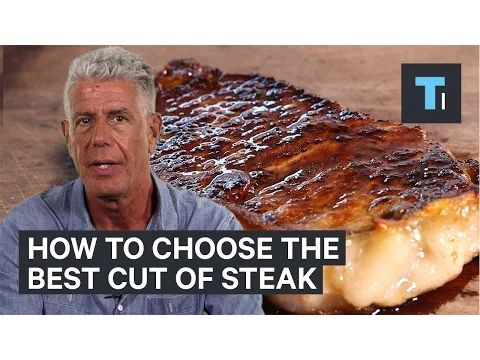
Video: Summer Grilling Reference
Use this as a visual grilling reference, then follow the method below for a simple budget steak recipe that works with top sirloin or flat iron.
Recipe Block: Simple Grilled Budget Steak
A flexible method for top sirloin or flat iron steak with a simple garlic herb butter finish.
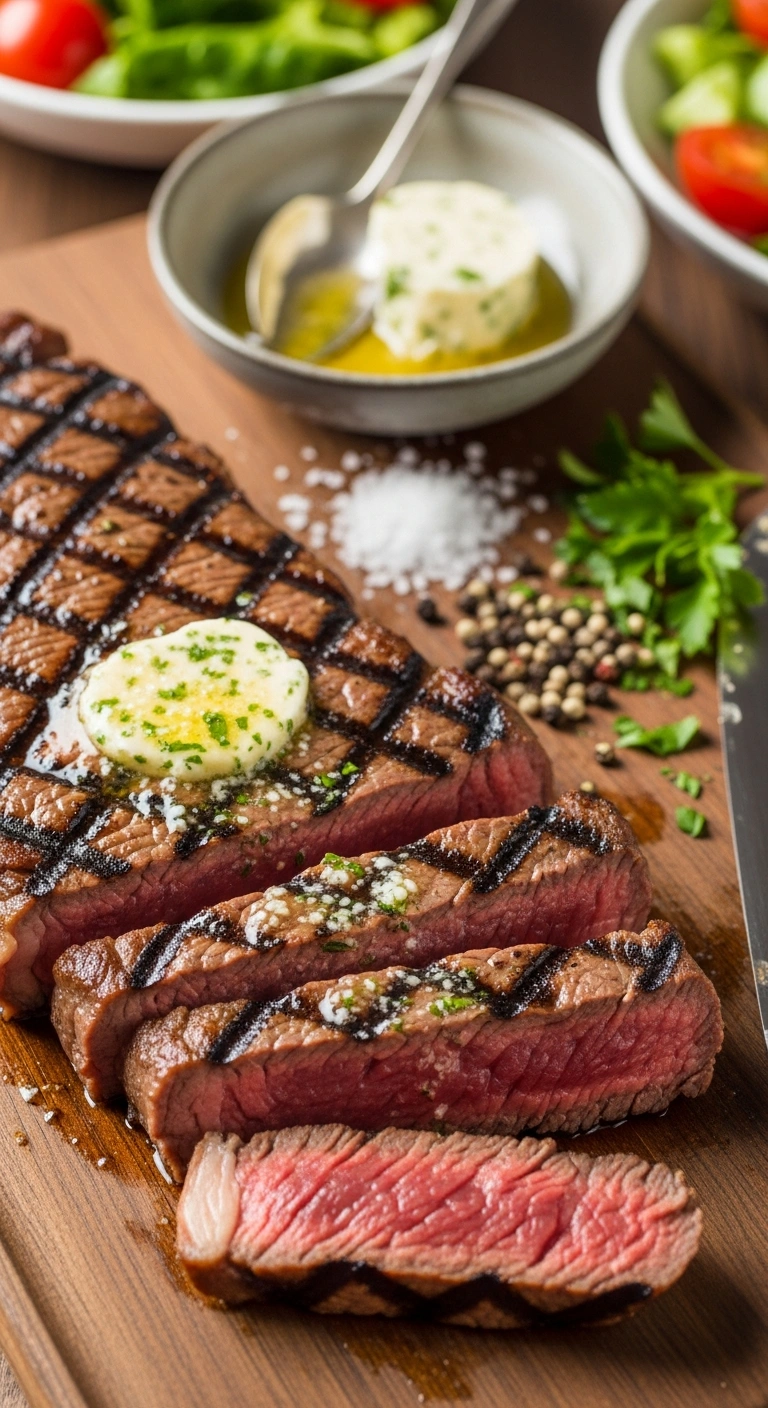
Best cuts for this method: top sirloin, petite sirloin, flat iron, or another tender steak cut that is thick enough to grill without drying out immediately.
Ingredients
 Top sirloin or flat iron steak
1.5 lb
est. $18.00
Top sirloin or flat iron steak
1.5 lb
est. $18.00 High-heat oil
1 tbsp
est. $0.35
High-heat oil
1 tbsp
est. $0.35 Kosher salt
1.25 tsp
est. $0.10
Kosher salt
1.25 tsp
est. $0.10 Black pepper
0.5 tsp
est. $0.10
Black pepper
0.5 tsp
est. $0.10 Unsalted butter
2 tbsp
est. $0.70
Unsalted butter
2 tbsp
est. $0.70 Garlic
1 clove
est. $0.20
Garlic
1 clove
est. $0.20 Parsley
1 tbsp
est. $0.55
Parsley
1 tbsp
est. $0.55Ingredient costs are rough estimates for planning only. Actual costs change by steak cut, store, region, package size, grade, and current availability.
Step-by-Step: How to Grill a Budget Steak Well
This method is written for top sirloin or flat iron steak, but the same logic works for many of the best beef cuts for grilling: dry the surface, grill over direct heat, check temperature, rest, and slice correctly.
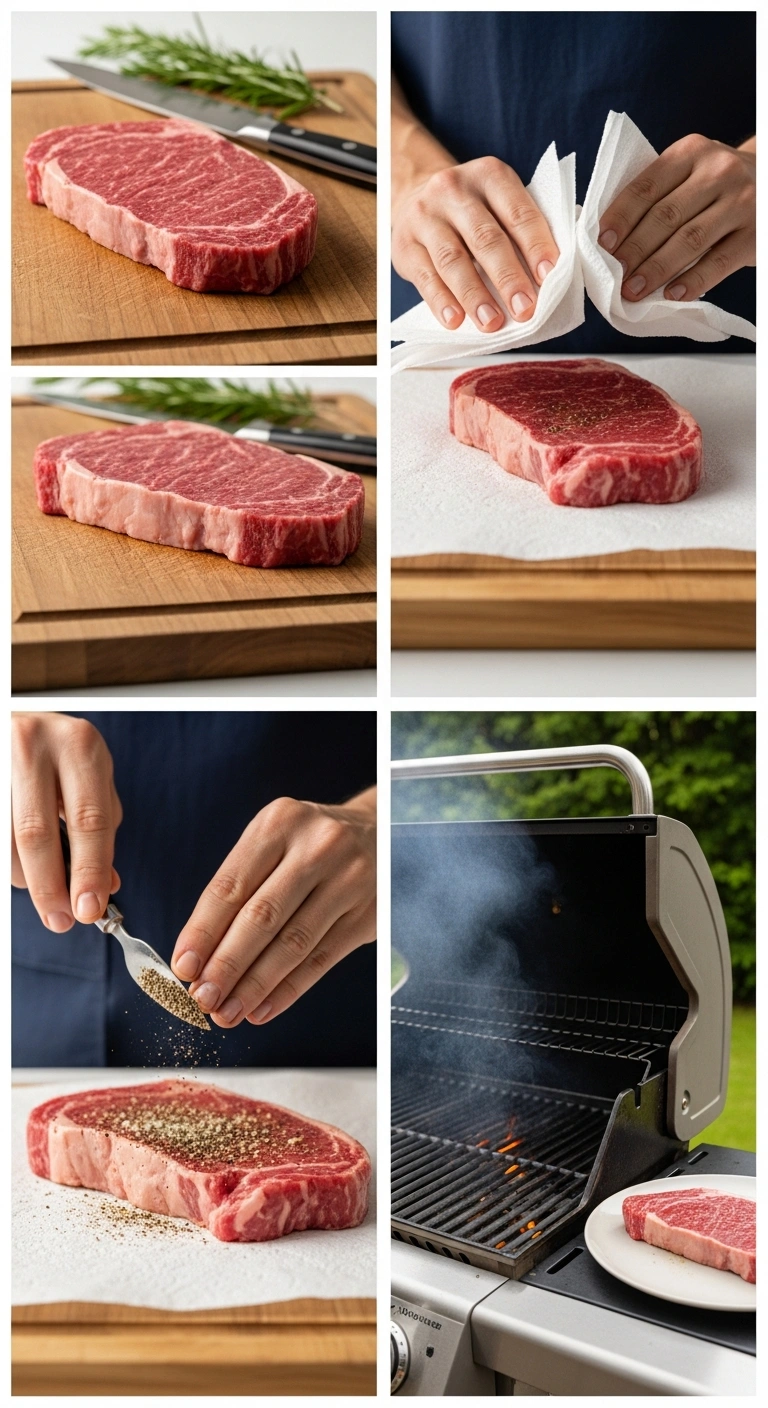
Image 1: Choose, Dry, Season, and Heat
1Choose the steak
Use top sirloin or flat iron steak, ideally thick enough to grill without drying out immediately.
2Dry the surface
Pat the steak dry with paper towels. Browning is harder when the surface is wet.
3Season simply
Rub with oil, salt, and pepper. Let it sit while the grill heats so the seasoning starts working.
4Heat the grill
Use direct medium-high heat. Clean and oil the grates if needed before adding the steak.
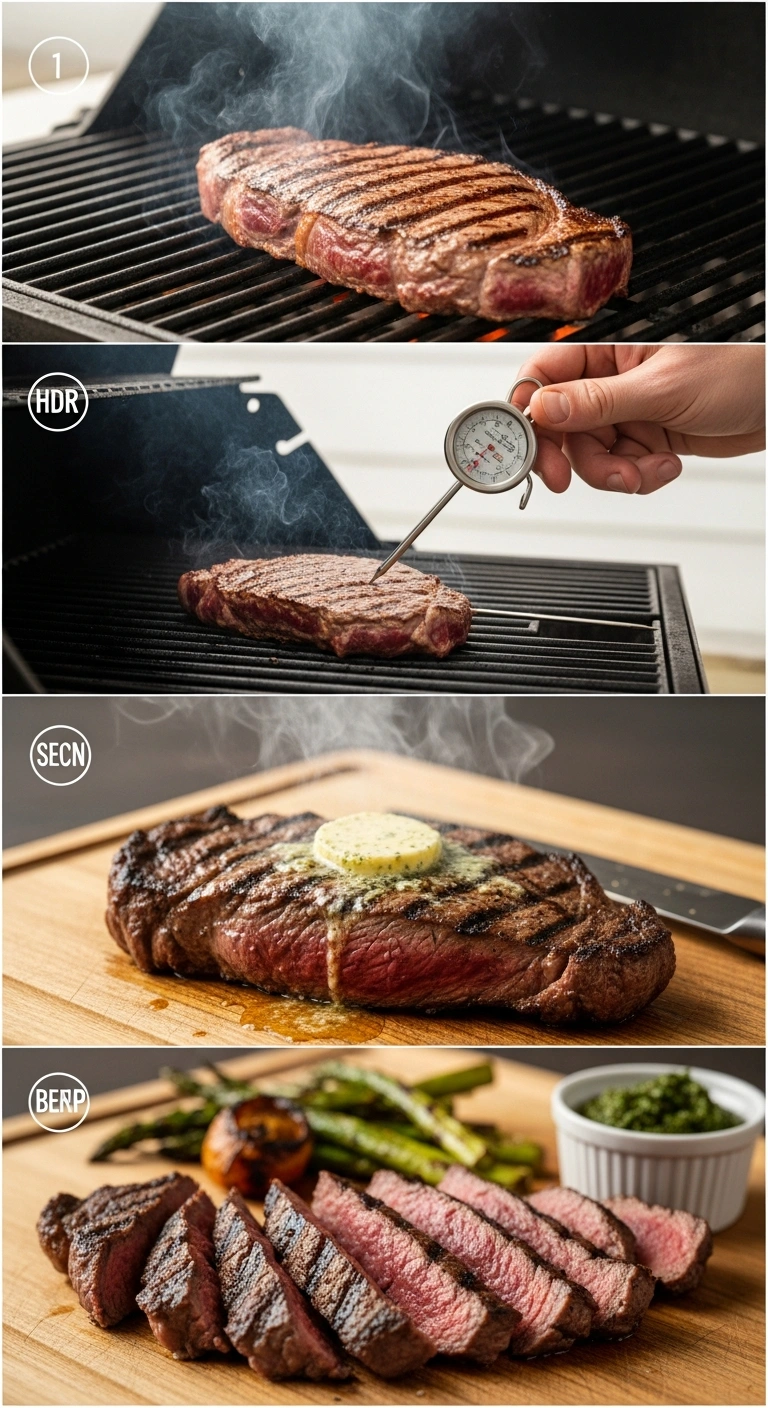
Image 2: Grill, Check, Rest, and Slice
5Grill and flip
Grill until the first side releases cleanly, then flip once and continue cooking.
6Check temperature
Check the thickest part. Use 145°F with a 3-minute rest as the official USDA safe reference.
7Add garlic herb butter
Mix softened butter with garlic and parsley, then spoon it over the steak as it rests.
8Slice and serve
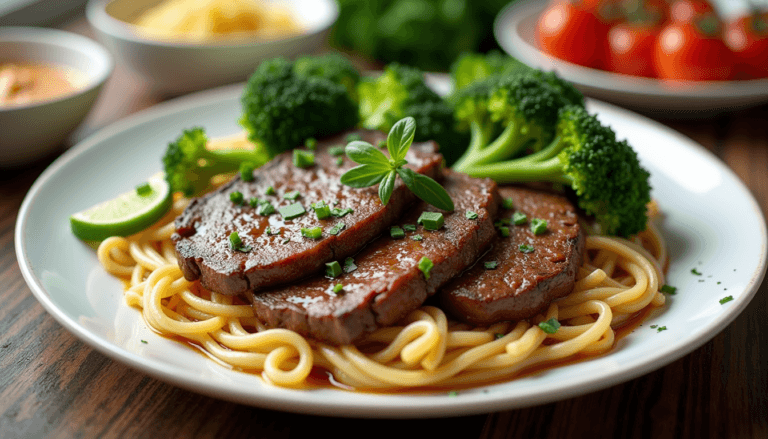
Slice against the grain and serve with potatoes, salad, rice, vegetables, or grilled bread.
Expert Tips for Better Budget Steak
- Do not buy stew meat for quick grilling: it usually needs slow cooking, not direct heat.
- Choose thickness over size: a slightly smaller but thicker steak is easier to grill well than a very thin large steak.
- Salt early when possible: even 20 to 30 minutes helps the surface season more evenly.
- Use the grain as your guide: flank, skirt, hanger, and tri-tip all depend heavily on proper slicing.
- Keep sauces simple: garlic butter, chimichurri, salsa verde, or a quick steak sauce can make a budget cut feel complete.
Common Budget Grilling Mistakes
A cut with heavy trim, bones, or poor yield may cost less per pound but more per serving.
Sirloin and flank can turn dry quickly. Pull them before they overshoot your target.
Resting gives the steak time to finish gently and makes slicing cleaner.
The wrong slice can make a good flank or skirt steak feel tough.
What to Serve with Budget Grilled Steak
Budget steak works best when the whole plate is planned well. Instead of buying oversized premium steaks, serve thinner slices with filling sides and one bright sauce.
- Grilled corn, potato salad, or crispy roasted potatoes
- Rice bowls with sliced steak, vegetables, and garlic butter
- Steak tacos with skirt, flank, or sirloin
- Green salad with sliced flat iron or tri-tip
- Grilled bread for catching juices and butter
For more pairing ideas, see this guide to what to serve with steak.
Storage and Reheating
Store cooked steak in an airtight container in the refrigerator and use it within 3 to 4 days. Slice only what you need if possible, because whole pieces usually reheat more gently than thin slices.
Reheat steak gently in a covered skillet over low heat, or slice it cold for salads and sandwiches. For official leftover guidance, see USDA leftovers and food safety.
Approximate Nutrition Per Serving
These values are practical estimates for one fourth of the recipe using 1 1/2 pounds of lean steak and garlic herb butter. Nutrition will vary by cut, trimming, grade, butter amount, and serving size.
FAQs About the Best Budget Grilling Cuts
Top sirloin is the most practical all-around answer because it is widely available, beefy, and straightforward on the grill. Flat iron is often the better tenderness value when you can find it at a fair price.
Flat iron is often one of the most tender budget-friendly choices. Tenderloin is more tender, but it usually costs much more and is not the best value choice for most summer grilling.
Skirt steak, flank steak, sirloin, and hanger steak all work well for tacos. The key is high heat, a short rest, and thin slicing across the grain.
Chuck eye can have ribeye-like flavor, but it is not identical. Texture and marbling vary, and availability is limited. Buy it when it looks well-marbled and reasonably thick.
Match the method to the cut. Do not overcook lean steaks, marinate loose-grained cuts like flank and skirt, rest after grilling, and slice across the grain.
For the lowest cost per serving, burgers usually win. For a steak-focused menu, use tri-tip, sirloin, or flank steak sliced family-style instead of buying one expensive steak per person.

About JULIA
JULIA writes practical meat-cooking guides for MeatRecipeZone with a focus on clear methods, realistic buying advice, and recipes that help home cooks get better results without unnecessary complexity.