Pork Jowl: Everything You Need to Know
Ever walked through a butcher shop and wondered about certain cuts? Many home cooks miss out on a flavorful treasure. Pork jowl offers a taste that mass-produced meats can’t match.
Your kitchen should have ingredients with a story. What is pork jowl? It’s the pig’s cheek meat, full of fat and flavor. It turns simple dishes into gourmet meals. It’s a favorite in Italian, Spanish, and Southern American cooking.
Pork jowl adds depth to your cooking. Its high fat content is great for curing, smoking, and rendering. With proper care, it brings amazing taste to your dishes.
Why is pork jowl becoming popular in American kitchens? People crave real flavor. They seek ingredients that connect them to traditional food cultures. This cut’s versatility opens up endless culinary possibilities.
You’ll see why pork jowl is a hidden gem in cooking. Understanding this ingredient changes how you use every part of the animal. Your meals will improve when you use quality meat cuts like this.
Table of Contents
Understanding what is pork jowl
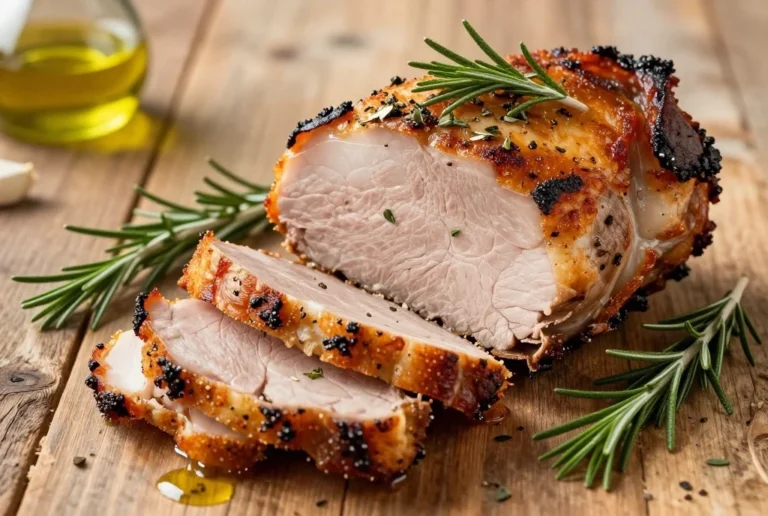
Exploring premium pork cuts, knowing about pork jowl is key for cooks and food lovers. The pork jowl comes from the hog’s cheek and jaw. It’s rich in fat and meat, making it a favorite among chefs.
Hog jowls are different from other pork cuts. They have a lot of fat, which makes them very tasty when cooked right. This fat turns into tender, juicy meat during cooking, a favorite among chefs.
The History of the Cut
The pork jowl has a long history in cooking. It’s a staple in Southern American cuisine. Italian cooks use it to make guanciale, a key ingredient in pasta dishes.
Recipes from Tuscany and North Carolina show how communities have used this cut for years. These recipes have been passed down, showing the cut’s lasting appeal.
Anatomy of the Hog Jaw
To understand the pork jowl, knowing the hog’s facial anatomy is important. The jowl is on the lower cheek and jaw. This makes the meat unique compared to other cuts.
- Muscle composition with consistent marbling
- Natural fat layers throughout the meat
- Connective tissue that breaks down when cooked slowly
- Skin covering that can be rendered for added richness
The jaw’s anatomy gives the meat a special texture. The fat is evenly spread, making the meat balanced. This makes the pork jowl great for curing and cooking.
| Cut Component | Characteristics | Best Uses |
|---|---|---|
| Lean Meat | Fine-grained, deeply flavored | Braising, slow cooking |
| Fat Marbling | Evenly distributed throughout | Rendering, curing, frying |
| Skin Layer | Thick, collagen-rich exterior | Rendering, adding texture |
| Connective Tissue | Breaks down into gelatin when heated | Soups, stocks, braised dishes |
Knowing the anatomy helps you choose the best cooking methods. You’ll see why certain techniques work well with this cut.
“The jowl is not just another cut of pork—it’s a gateway to understanding nose-to-tail cooking philosophy.”
The pork jowl combines resourcefulness and culinary tradition. Choosing this cut means embracing a cooking style that honors the whole animal. It creates flavors that other cuts can’t match.
Characteristics of hog jaw meat
Knowing what makes hog jaw meat special helps you choose well at the butcher. This meat comes from the pig’s cheek and jaw. It has qualities that make it stand out from other pork cuts. By understanding these, you can pick the best pieces for your cooking.
The texture of hog jaw meat is a big plus. It has a lot of fat that spreads through the meat. When cooked slowly, this fat melts, making the meat silky and buttery. It becomes so tender, it almost melts in your mouth.
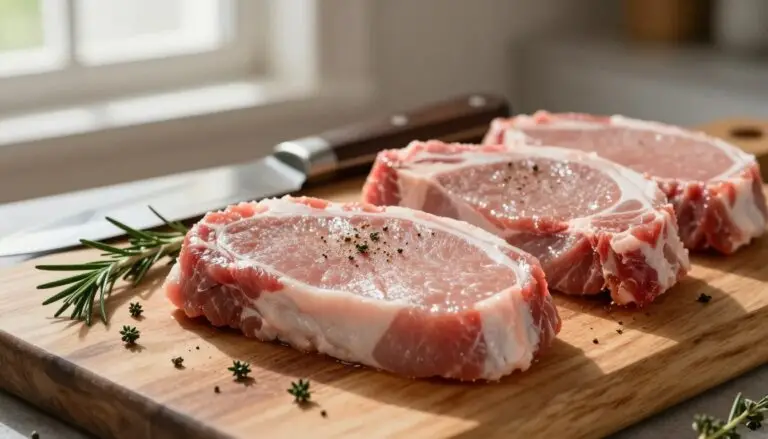
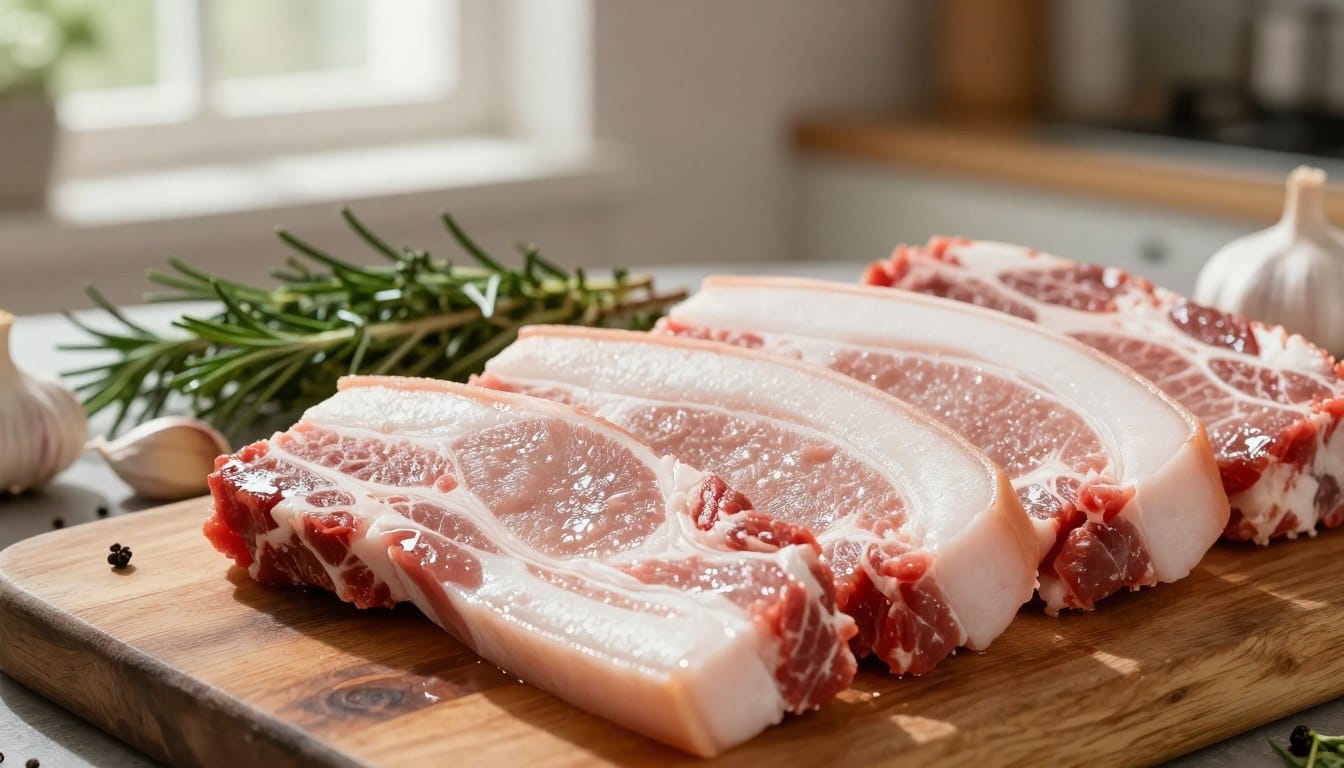
- Deep pink or red color in the raw meat
- Visible white fat streaks running through the muscle
- Firm texture that springs back when pressed
- A clean, fresh smell without any off odors
- Consistent thickness throughout the piece
The flavor of this meat is strong and savory. The marbling adds depth as it cooks. You’ll taste earthy, porky flavors that get richer with time and heat. The fat keeps the meat moist, even when cooked for a long time.
Choosing quality meat is important. Go to local butchers who work with farmers. They can help you find the best cuts and explain where they come from. Fresh hog jaw meat should smell good and feel cold.
Culinary uses for jowl bacon
Pork jowl bacon is a game-changer in the kitchen. It’s perfect for both dinner and breakfast. Its rich flavor makes it great with eggs, veggies, and pasta.
Many cooks find that jowl bacon recipes are a steal. They offer top-notch taste at a lower cost than regular bacon. When cooked right, it stays tender and adds depth to simple dishes.
Classic Breakfast Ideas
Begin your day with jowl bacon strips cooked in a cast-iron skillet. They become crispy on the edges. Pair them with fried eggs and toast for a filling breakfast. Or, crumble the bacon and add it to scrambled eggs for a burst of flavor.
- Fry thick slices and serve with sunny-side-up eggs
- Chop and mix into scrambled eggs with cheese
- Layer on breakfast sandwiches with avocado
- Crumble over hash browns for added crunch
Authentic Pasta Dishes
Italian cooking loves jowl bacon, as seen in carbonara. Dice the bacon and cook it slowly to melt the fat. Then, mix it with warm pasta, eggs, and cheese for a creamy sauce. This method highlights why jowl bacon is perfect with pasta.
There are many pasta dishes you can make with jowl bacon. Try it with bucatini or spaghetti for a true Italian taste.
| Pasta Dish | Preparation Method | Best Pasta Shape |
|---|---|---|
| Carbonara | Render fat slowly, mix with eggs and cheese | Spaghetti or Bucatini |
| Amatriciana | Cook with tomatoes and onions | Bucatini or Rigatoni |
| Creamy Pasta | Chop finely and combine with cream sauce | Pappardelle or Tagliatelle |
“Jowl bacon brings the soul of Italian cooking to your table without leaving your budget behind.”
Whether for breakfast or dinner, jowl bacon recipes are versatile. They add complex flavors that everyone will love.
Sourcing your meat
Finding the right supplier for quality pork products is key to your cooking success. You need to know where to buy pork jowl that meets your standards for freshness and quality. The source you choose affects the flavor, texture, and overall quality of your finished dishes.
When searching for where to buy hog jowl, you have several options available. Local independent butchers offer personalized service and often source their meat from trusted farms. Large supermarket chains provide convenience and consistent availability. Specialty meat shops focus on premium cuts and can offer expert guidance. Online meat delivery services bring quality pork jowl directly to your door.
Look for specific qualities when inspecting your purchase. The meat should display a bright pink to red color. The surface must feel firm to the touch without any soft spots. Avoid any product with a dull appearance or unpleasant odor. The fat should be white or pale cream colored, not yellow or brown.
Choosing Between Supplier Types
Different suppliers offer distinct advantages for your needs.
| Supplier Type | Advantages | Best For |
|---|---|---|
| Local Independent Butchers | Fresh cuts, expert advice, relationship building, sustainable sourcing | High-quality, fresh pork jowl for immediate use |
| Supermarket Chains | Convenient location, wide selection, consistent pricing | Reliable availability and bulk purchases |
| Specialty Meat Shops | Premium quality, cured options, educational staff | Guanciale and specialty preparations |
| Online Delivery Services | Home convenience, subscription options, detailed product info | Consistent orders and specialty items |
Ask your butcher about the source and age of the meat. Inquire whether the pork comes from local farms or specific producers. Understanding the supply chain builds confidence in your purchase.
Building a relationship with your butcher pays dividends. They can reserve specific cuts for you, notify you of fresh arrivals, and provide recommendations for preparation methods. This personal connection ensures you always get quality pork jowl for your culinary projects.
Differences between guanciale vs pork jowl
Many home cooks get confused when shopping for cured pork products. The difference between guanciale vs pork jowl matters more than you might think. Both come from the pig’s face, yet they are not interchangeable. Understanding what makes each one special will help you pick the right ingredient for your kitchen.
Guanciale is a traditional Italian cured meat made from the jowl. Pork jowl, on the other hand, refers to the raw or fresh cut of meat. When you compare guanciale vs pork jowl, you are really looking at two different stages of the same ingredient. One is cured and aged, while the other is fresh and needs cooking.
The Curing Process
The curing method separates these two products. Traditional guanciale gets rubbed with salt, garlic, and spices. It then hangs for weeks or even months to cure and develop its rich flavor. Regular pork jowl skips this long cure. You buy it fresh and cook it right away in your kitchen.
During curing, guanciale loses moisture slowly. This concentration of flavors makes it taste deep and complex. The salt draws out water and helps preserve the meat. Fresh pork jowl lacks this depth until you cook it yourself.
Texture and Fat Content
Texture changes dramatically between these two products. Cured guanciale becomes firm and slices thin without falling apart. The aging process transforms the meat’s structure. Fresh pork jowl feels soft and tender until you cook it.
Fat content plays a key role in both products:
- Guanciale has about 70% fat, making it rich and flavorful
- Fresh pork jowl contains about 60-65% fat before cooking
- Guanciale’s fat stays silky when eaten raw or warmed
- Pork jowl’s fat becomes crispy when cooked at high heat
When you render guanciale in a pan, the fat melts into your pasta or vegetables. Its marbled texture spreads flavor throughout your dish. Fresh pork jowl crisps up during cooking, giving you a different eating experience. Both bring delicious pork flavor to your table, just in different ways.
Preparation techniques for your kitchen
Learning to cook pork jowl turns this often overlooked cut into a dish fit for a restaurant. The secret to success is mastering heat control and understanding the meat’s fat structure. This fatty cut needs patience and the right techniques to melt the fat perfectly. This way, the meat stays tender and full of flavor.
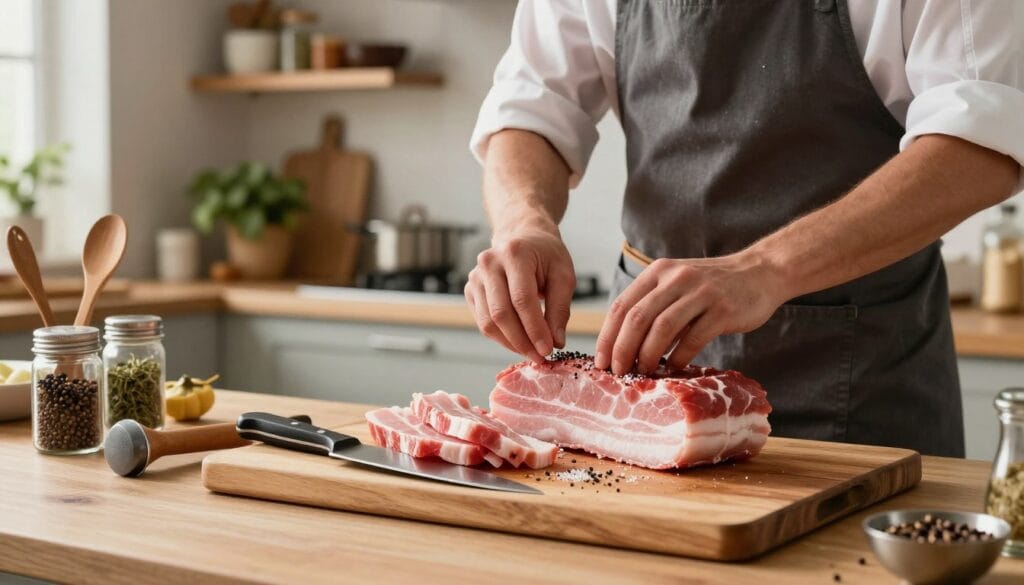
Start by trimming your pork jowl carefully. Remove any extra skin and hair with a sharp knife or kitchen shears. Then, pat the meat dry with paper towels. This helps it brown better during cooking.
A dry surface is key for that perfect crust. It keeps the inside moist and juicy.
Your success in cooking depends on choosing the right method:
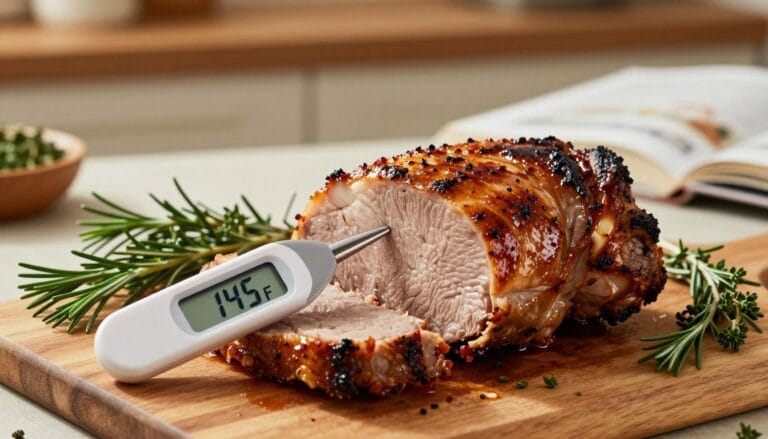
- Slow-roasting lets fat melt slowly at low temperatures between 275°F and 325°F
- Pan-searing gives a crispy outside in just a few minutes over medium-high heat
- Braising combines moisture and heat to soften tough connective tissue
Season your pork jowl well at least an hour before cooking. Salt helps draw out moisture first, then it seasons the meat evenly. Add black pepper, garlic powder, and herbs during this time.
Meat cooks better when it’s at room temperature. Take your pork jowl out of the fridge 30 to 45 minutes before cooking. This ensures it cooks evenly, avoiding dry edges and raw centers.
Respecting the pork jowl’s natural fat is key. Never use high heat alone. Instead, choose low and slow cooking methods. They turn the fat into silky, tasty goodness, not tough, chewy bits.
Smoking and curing methods
Making your own smoked and cured pork jowl at home is rewarding. It brings amazing flavors to your kitchen. These methods turn raw meat into something truly special. With patience and detail, you can master both techniques.
The process is a mix of science and tradition. Salt pulls out moisture and develops flavors. Smoke adds depth and keeps it fresh longer. Your goal is to find the perfect balance for the best taste.
Traditional Dry Curing
Dry curing is key for making jowl bacon and other pork products. Start with quality pork jowls from a trusted butcher. Pat them dry with paper towels.
Mix your cure ingredients in this order:
- kosher salt (the main curing agent)
- pink curing salt (provides color and safety)
- brown sugar (adds sweetness and feeds beneficial bacteria)
- ground black pepper (enhances flavor)
- optional spices like garlic powder or thyme
Rub the cure mixture on your meat. Place it in a clean container and refrigerate. Turn the meat every few days. The cure naturally pulls out moisture. After 5 to 7 days, rinse and pat dry. Your cured pork jowl is now ready for smoking or storage.
Selecting the Right Wood
Wood choice is key for your smoked pork jowl’s taste. Different woods give different flavors that match the meat’s richness.
| Wood Type | Flavor Profile | Best For |
|---|---|---|
| Hickory | Strong and smoky | Bold, assertive flavors |
| Applewood | Sweet and mild | Delicate, fruity notes |
| Oak | Medium and balanced | Versatile all-purpose use |
| Cherry | Sweet with slight tartness | Complex flavor development |
Avoid softwoods like pine or spruce. They have resins that make flavors bitter. Use hardwoods only for clean smoke. Soak your wood chips for 30 minutes before smoking. This slows combustion and improves smoke flow. Smoke your jowl at 225 degrees Fahrenheit for 4 to 6 hours until it reaches a beautiful mahogany color.
Your homemade smoked pork jowl now has flavors you can’t buy in stores.
Flavor profiles of pork cheek meat
Pork cheek meat has a rich and complex taste that’s different from regular bacon. It offers deeper savory notes and a more intense pork flavor. This flavor develops beautifully during curing.
The taste of hog jaw meat depends on several factors. The animal’s diet and the curing method both play a big role. Knowing these helps you choose and prepare this cut better.

- Deep umami and savory notes
- Subtle sweetness from the curing process
- Rich, meaty undertones
- Smoky hints when cured or smoked
- Buttery texture that melts on your tongue
The fat in hog jaw meat makes it different from belly bacon. It has more marbling, so each bite is full of flavor. The curing methods, whether dry-cured or wet-brined, make these flavors even more complex. This complexity grows over weeks of aging.
When using pork cheek meat in dishes, think about its bold flavor. Use it sparingly so it can be the star without overwhelming other tastes. Its intensity is best with bold seasonings and fats that complement its richness.
Serving suggestions for your guests
When you serve pork cheek meat, how you present it matters a lot. This cut is rich and fatty, so you need to pair it well. Good plating and side dishes can make a simple meal special. Your guests will love the effort you put into it.
Choosing the right flavors and textures is key. Acidic elements help balance the meat’s richness. Fresh sides add color and help clean the palate. Your presentation should show off the meat while supporting elements enhance it.
Pairing with Fine Wines
Acidic wines are best with pork cheek meat. They brighten the palate and balance the fat. Here are some great options:
- Pinot Noir from Oregon offers bright cherry notes and silky tannins
- Barbera from Italy provides sharp acidity and earthy undertones
- Grenache from the Rhône Valley brings fruity flavors with balanced structure
- Chianti Classico delivers crisp acidity and classic Italian pairing tradition
- Zinfandel from California adds peppery complexity without overwhelming richness
Complementary Side Dishes
Balance your main protein with fresh, vibrant sides. These options add texture and color:
| Side Dish | Flavor Profile | Texture Benefit |
|---|---|---|
| Arugula salad with lemon vinaigrette | Peppery and bright | Crisp and refreshing |
| Roasted root vegetables | Sweet and earthy | Soft and caramelized |
| Creamed spinach with garlic | Rich and savory | Smooth and luxurious |
| Polenta with parmesan | Buttery and umami | Creamy and comforting |
| Fresh green beans with almonds | Light and nutty | Crunchy and elegant |
Plate your meat in the center and arrange sides around it. Use height and color to make it interesting. Warm your plates to keep the dish warm. Your guests will notice and appreciate these touches.
Conclusion
You now know all about pork jowl and how it can make your meals better. This affordable cut adds rich, savory flavors to your daily dishes. You’ve learned how to cure, smoke, and even make simple breakfasts with it.
This guide has shown you how to make authentic Italian dishes and creative breakfasts. You can use traditional curing or try different smoking woods. Your pork jowl will turn out amazing, thanks to your hard work.
Begin using pork jowl in your cooking today. Your friends and family will love the delicious flavors you add to your meals. This cut shows that you can have great food without spending a lot, if you know how to use it right.