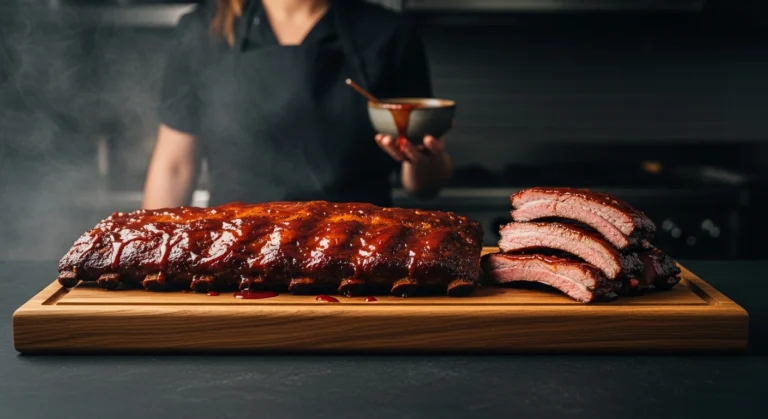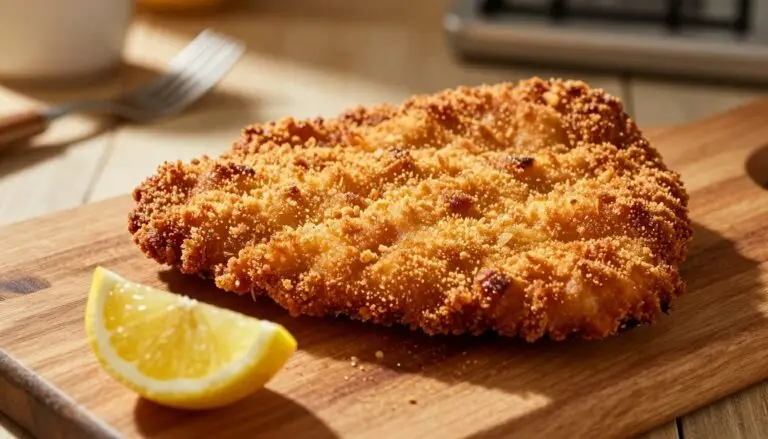
Best Stuffed Pork Tenderloin Recipes
01 Short Answer: What Makes Stuffed Pork Tenderloin Work
Stuffed pork tenderloin works best when you keep the process simple: butterfly the tenderloin, use a filling that is flavorful but not too wet, roll it tightly, and roast it hot enough to cook the pork quickly without drying it out. That is why oven roasting is usually the best method for this cut.
The good news is that pork tenderloin is naturally tender, so you are not trying to break down a tough cut. You are mainly trying to keep it juicy while getting the filling warm and the outside nicely browned. That makes it easier than a large stuffed roast, but it also means timing matters more.
If you want reliable doneness guidance, this article on internal temperature for pork is the most useful related reference on the site. Later in this page, you will also find a practical recipe block you can actually cook.
02 At a Glance
Because pork tenderloin is lean, it is better to roast it until just done, then let it rest before slicing. Overcooking is the fastest way to turn a good stuffed pork into a dry one.
03 Stuffed Pork Tenderloin vs. Stuffed Pork Loin Roast
This is one of the most important distinctions to get right. A stuffed pork tenderloin is not the same as a stuffed pork loin roast. Pork tenderloin is smaller, thinner, and much more delicate, so it cooks quickly and works best for weeknight-style roasting. Pork loin is larger and thicker, which means it needs more time and a different approach.
If you search for stuffed pork loin recipes, you will often see instructions that assume a bigger cut. Those timings do not transfer directly to tenderloin. That is why this article focuses specifically on tenderloin while still helping you understand where a stuffed pork loin roast differs.
The practical rule is simple: use pork tenderloin when you want a faster, neater stuffed roast with quick slicing and elegant presentation. Use pork loin roast when you want a larger centerpiece and do not mind a longer cook.
04 Best Stuffed Pork Tenderloin Recipe Ideas
The best stuffed pork tenderloin recipes balance three things: flavor, moisture, and structure. The filling should taste good, but it should also stay in place and not flood the tenderloin as it cooks.
▸ Spinach and Cheese
This is the easiest place to start. Spinach, cream cheese, and Parmesan give you a savory filling that holds together well and pairs naturally with the mild flavor of pork.
▸ Apple and Herb
If you want something slightly sweeter, finely diced apple with herbs and a little cheese works very well. This version feels more seasonal but still keeps the stuffing light enough for tenderloin.
▸ Mushroom and Garlic
This variation gives the dish a deeper, earthier flavor. The key is cooking the mushrooms long enough to drive off excess moisture before using them as a filling.
▸ Bacon Wrapped Stuffed Pork Tenderloin
Bacon wrapped stuffed pork tenderloin is one of the most popular variations because it adds extra richness and helps protect the outside of the meat. Just remember that the bacon can slightly extend the roasting time and may need a quick finish under higher heat if you want better browning.
05 Cooking Tips for Juicy Stuffed Pork
Too much filling makes it harder to roll, harder to tie, and more likely to leak while roasting. A thinner, more even layer works better than a thick center mound.
A more even thickness helps the tenderloin cook evenly from end to end. Thick spots stay undercooked while thin spots can dry out.
Time is only a guide. Pork tenderloin varies in thickness, so the most dependable way to roast it well is to check the center with an instant-read thermometer.
Resting gives the juices time to settle and helps the filling stay in place. Cutting too early is one of the most common ways to lose both moisture and structure.
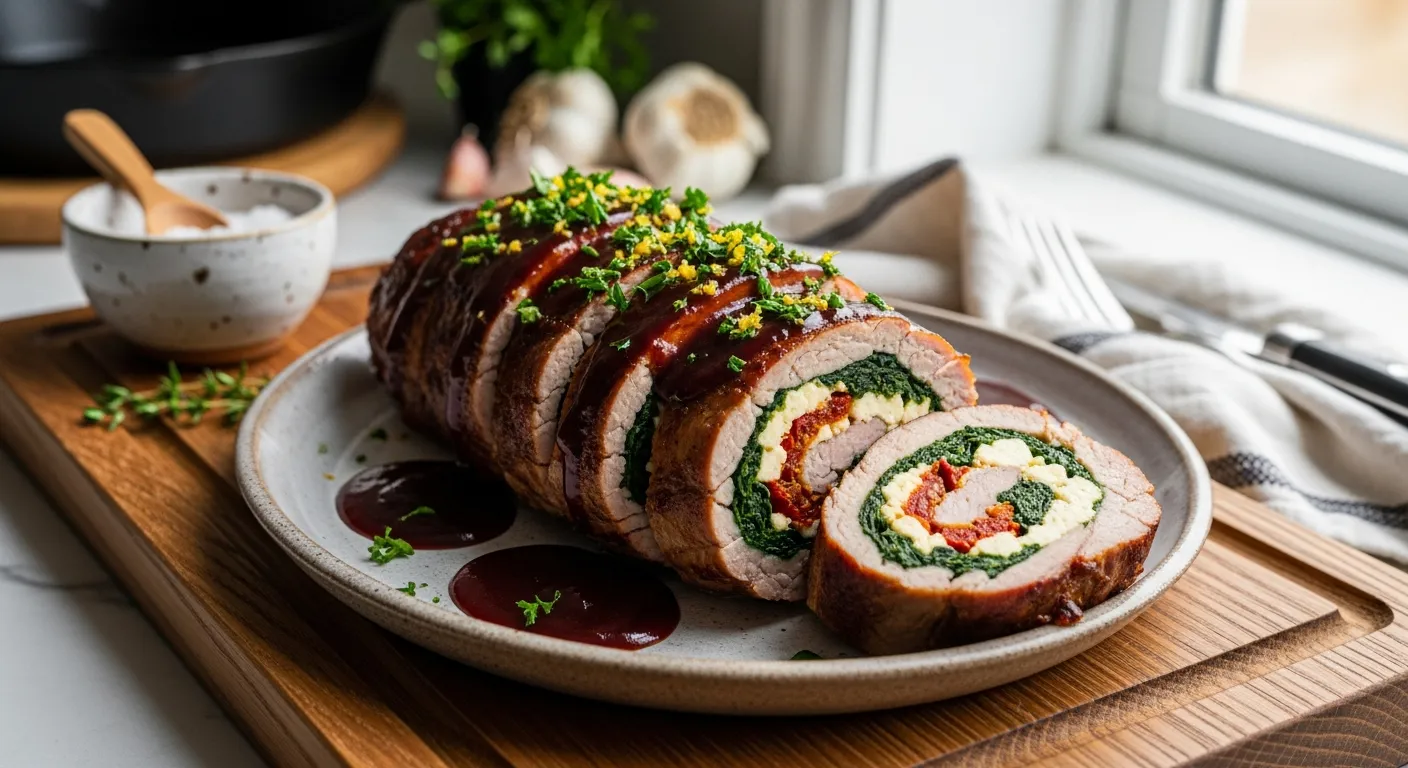
Spinach and Cheese Stuffed Pork Tenderloin — Master Recipe
This is a practical stuffed pork tenderloin recipe that keeps the filling simple, the method clear, and the final texture juicy. It is the best version to start with before trying richer variations such as a bacon-wrapped stuffed pork tenderloin.
06 Ingredients
07 Step-by-Step Instructions
Butterfly the Pork Tenderloin
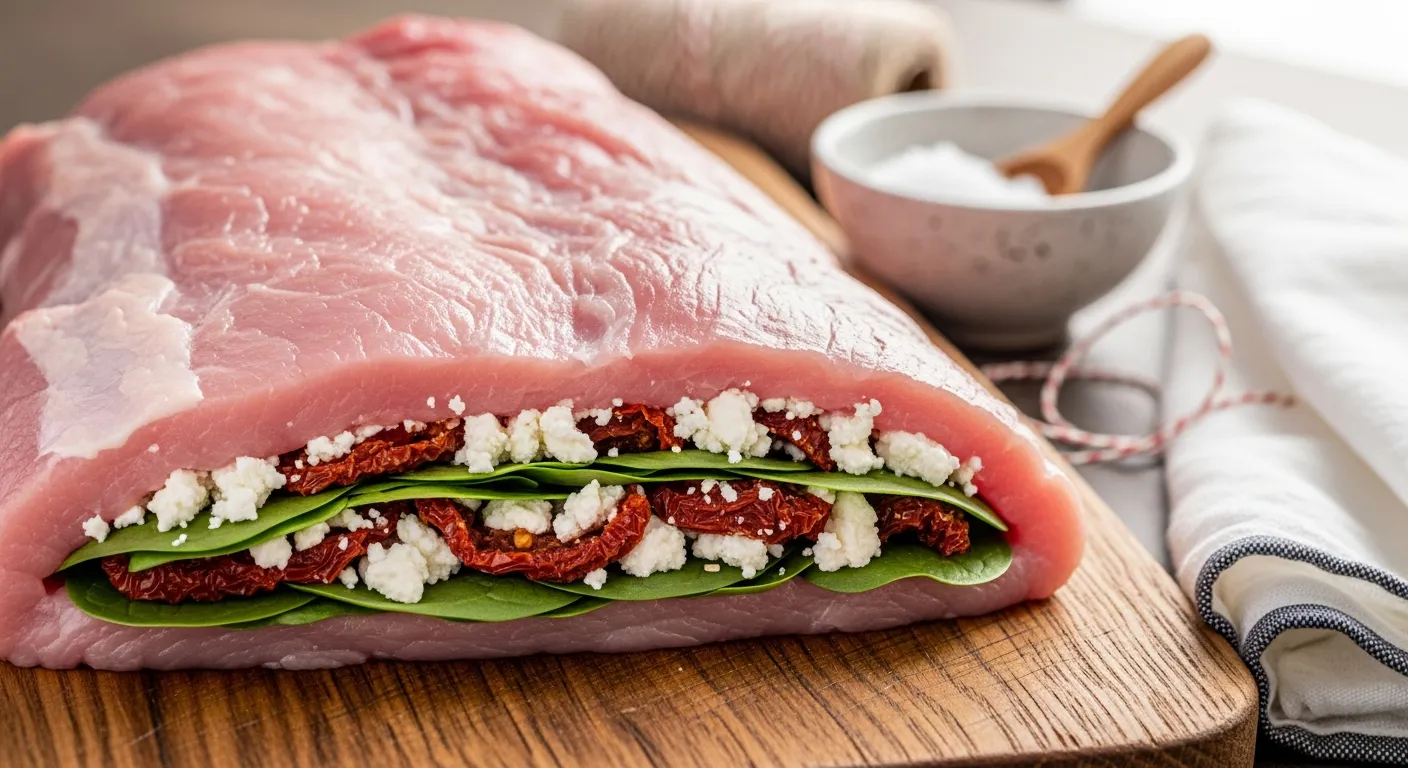
Trim off any excess silver skin if needed, then slice the pork tenderloin lengthwise without cutting all the way through. Open it like a book and gently flatten it to create a more even rectangle for filling.
Make the Filling
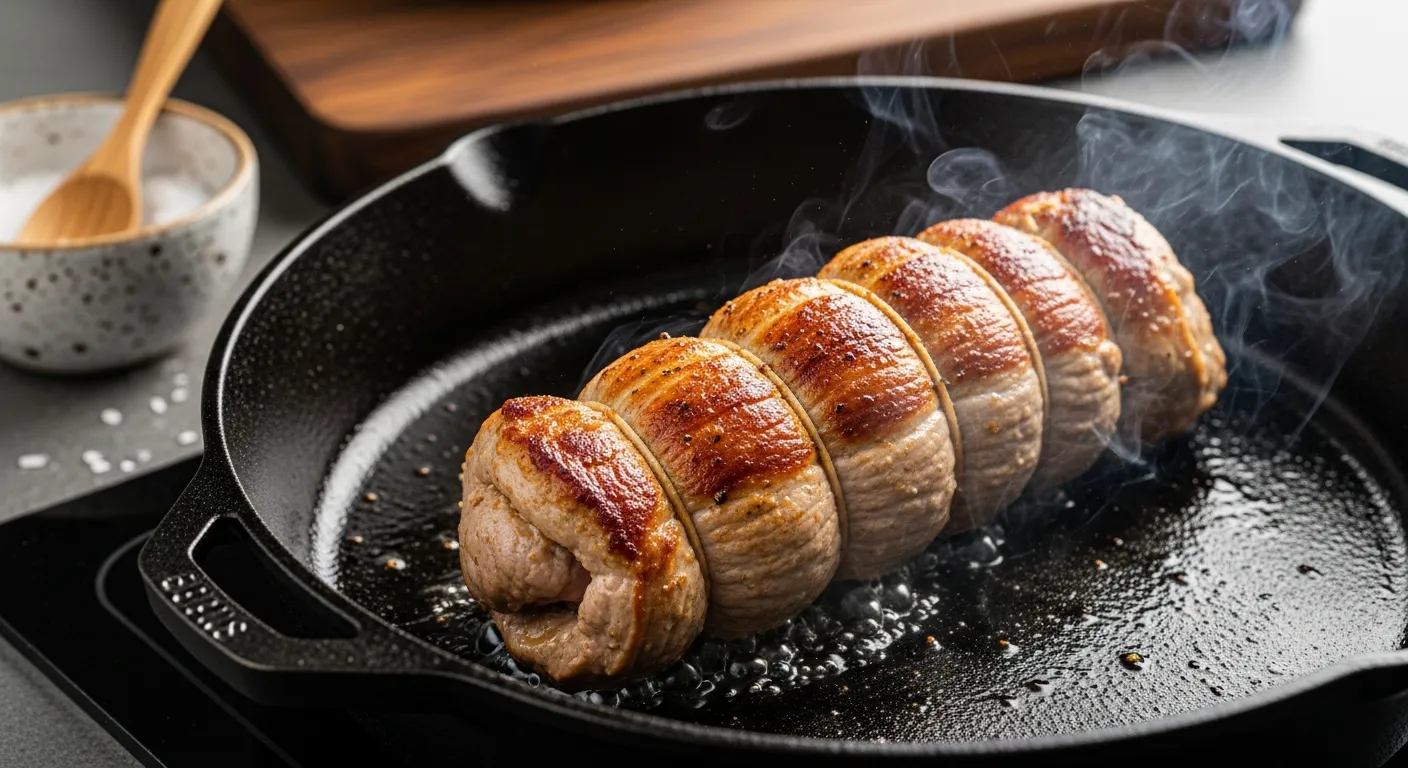
Warm the olive oil in a skillet, add the spinach and garlic, and cook just until the spinach wilts and any excess moisture cooks off. Let it cool slightly, then mix it with the cream cheese and Parmesan.
The filling should feel spreadable, not loose. If it looks too wet, give it another minute in the pan before mixing.
Fill, Roll, and Secure
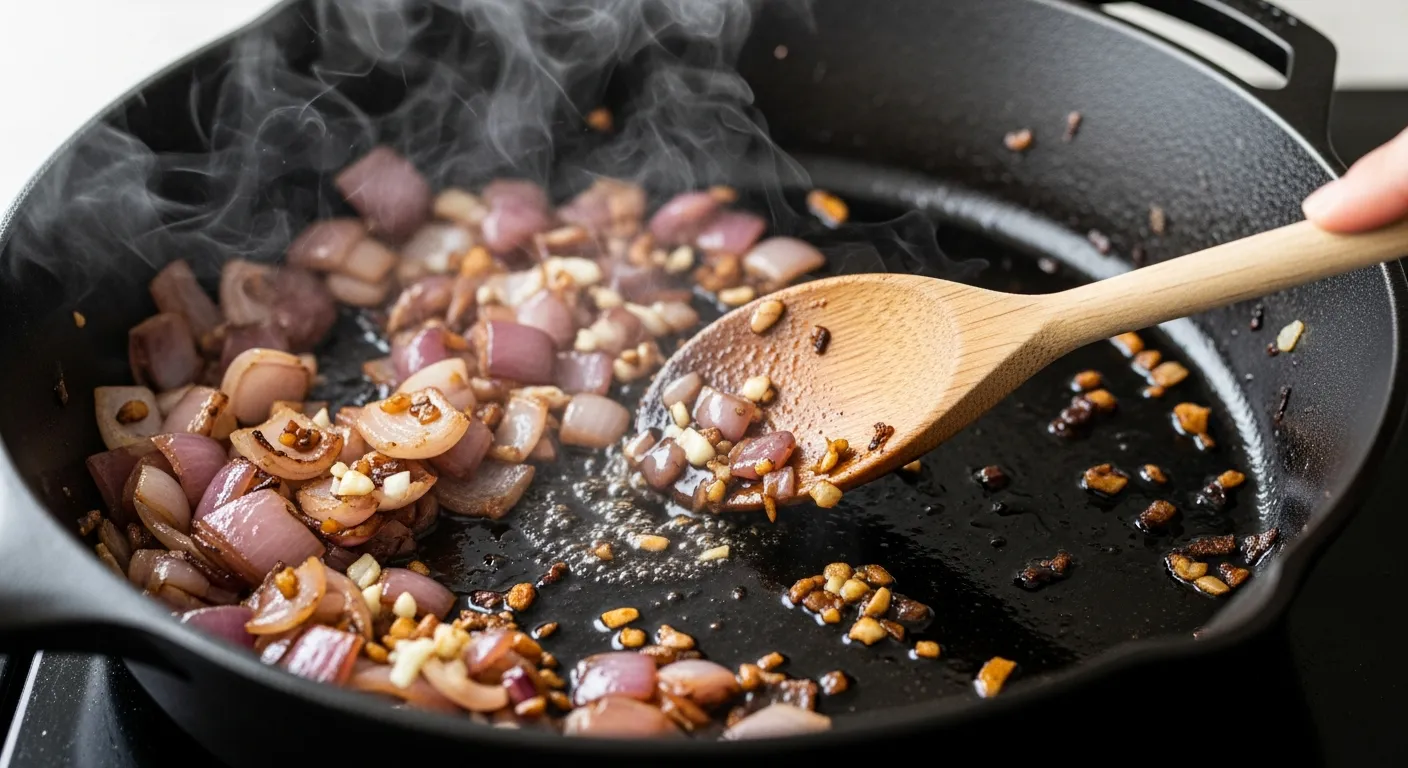
Spread the filling across the tenderloin, leaving a small border around the edges. Roll it up from the long side, then tie it with kitchen twine or secure it with toothpicks.
Brush the outside lightly with Dijon mustard, then season with salt, pepper, and paprika.
Roast Until Just Done
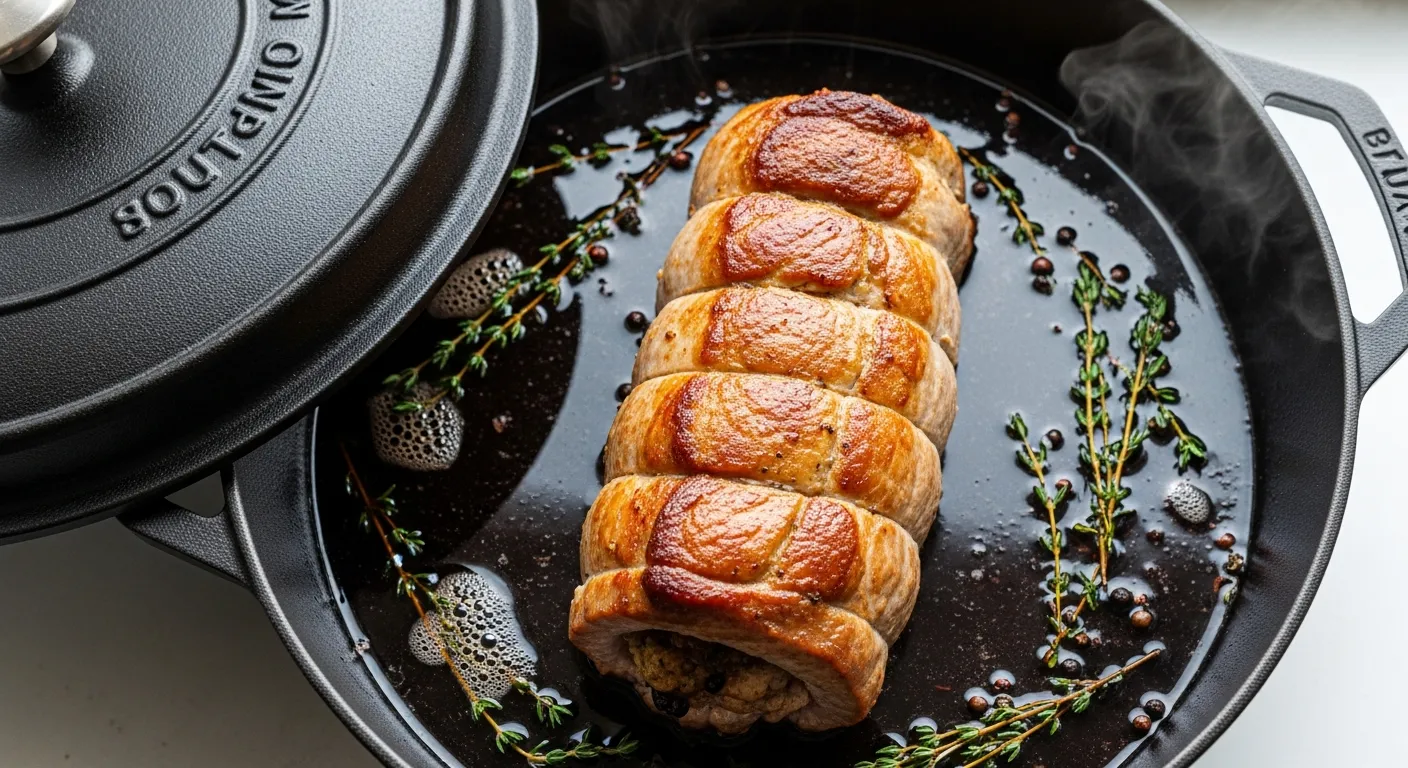
Place the stuffed pork tenderloin on a parchment-lined baking sheet or in an oven-safe skillet. Roast at 400°F (204°C) for about 25 to 35 minutes, depending on thickness, until the center reaches 145°F (63°C).
If you are making a bacon wrapped stuffed pork tenderloin, start checking near the end of the same window, then add a few extra minutes if the bacon needs more color.
Rest and Slice
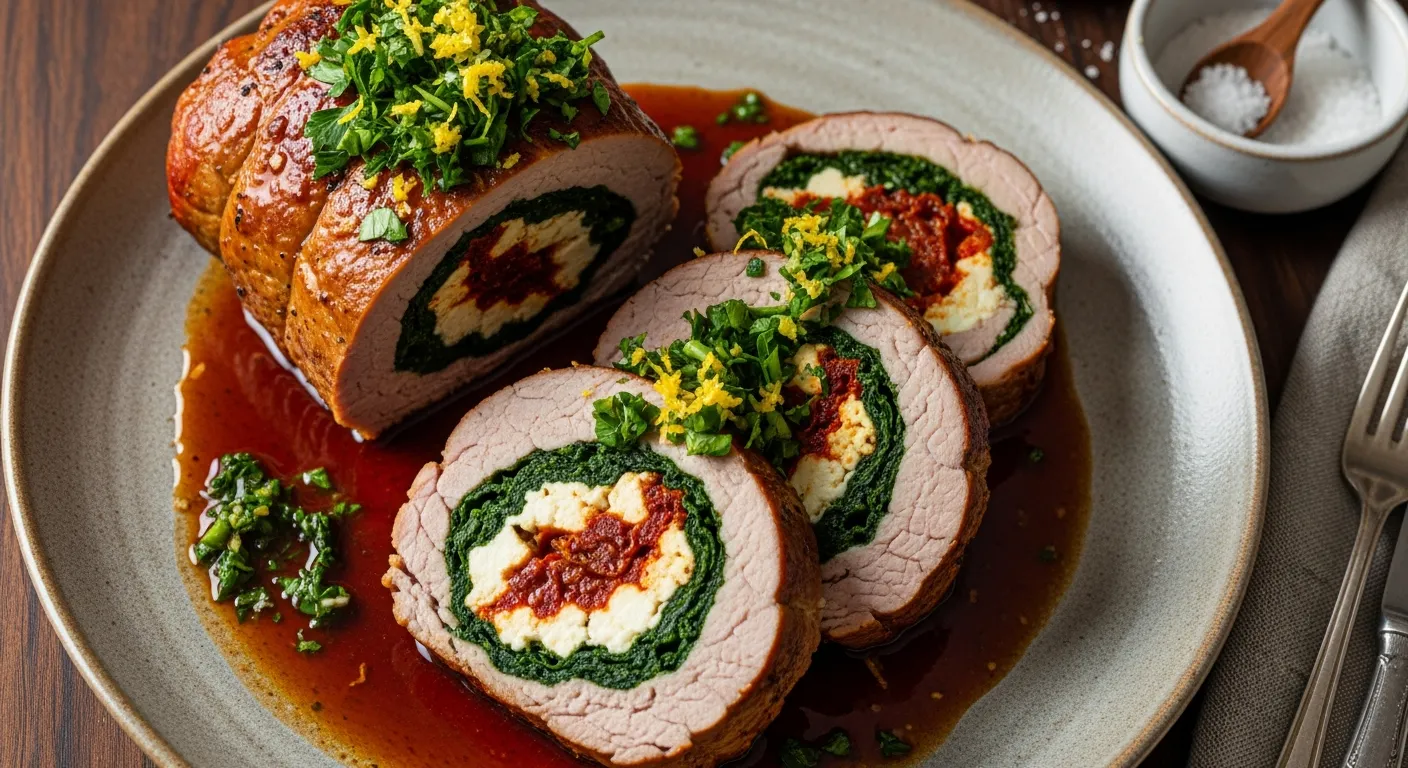
Let the pork rest for 10 minutes before slicing. This helps the juices settle and keeps the filling from spilling out too aggressively. Slice into medallions and serve warm.
If you want more pork dinner inspiration after this, browse these easy pork chop recipes or this practical pork cutlet recipe.
08 Common Mistakes to Avoid
Wet Filling
If the filling is too loose, it will leak out and make the roast harder to slice neatly.
Loose Tying
A tenderloin that is not tied well can open while roasting and cook unevenly.
No Thermometer
Guessing is risky with pork tenderloin because it can move from juicy to overdone fairly quickly.
Slicing Too Soon
Resting is part of the method, not an optional extra step.
09 What to Serve With It, Plus Storage and Reheating
Stuffed pork tenderloin pairs well with roasted potatoes, green beans, sautéed greens, rice pilaf, or a simple salad. Because the filling already brings richness, the best sides are usually straightforward and not too heavy.
| Topic | What to Do | Why It Helps |
|---|---|---|
| Best Sides | Serve with potatoes, rice, green beans, or salad | They balance the filling without making the meal too rich |
| Refrigeration | Cool leftovers, then refrigerate promptly | Keeps the sliced pork safe and easier to reheat later |
| Reheating | Warm gently in a covered dish or skillet over low heat | Helps preserve moisture in a lean cut |
| Leftover Use | Slice thinly for sandwiches or grain bowls | Makes leftovers feel intentional instead of repetitive |
For official guidance on safe pork doneness, see the safe minimum internal temperatures chart. For leftovers, storage, and reheating basics, this page on leftovers and food safety is the most useful official reference.
Meat Nutrition Calculator
Check calories, protein & fat for any meat cut — based on approximate USDA values.
Values are approximate and based on cooked weight per USDA data. For full nutrition data across all cuts, visit the complete Meat Nutrition Calculator on our homepage.
10 Frequently Asked Questions

Julia writes practical meat recipes and cooking guides for home cooks. Her approach focuses on clear instructions, realistic temperatures, and simple methods that make classic dishes easier to cook well.
![A cinematic close-up of golden-brown [air fryer pork chop recipes] with a crispy caramelized crust, served on a minimalist plate with creamy sides.](https://www.meatrecipezone.com/wp-content/uploads/2026/04/Hero-Image-Air-Fryer-768x419.webp)