
Wagyu Beef: How to Cook It & Where to Buy It
Wagyu Beef: The Practical Short Answer
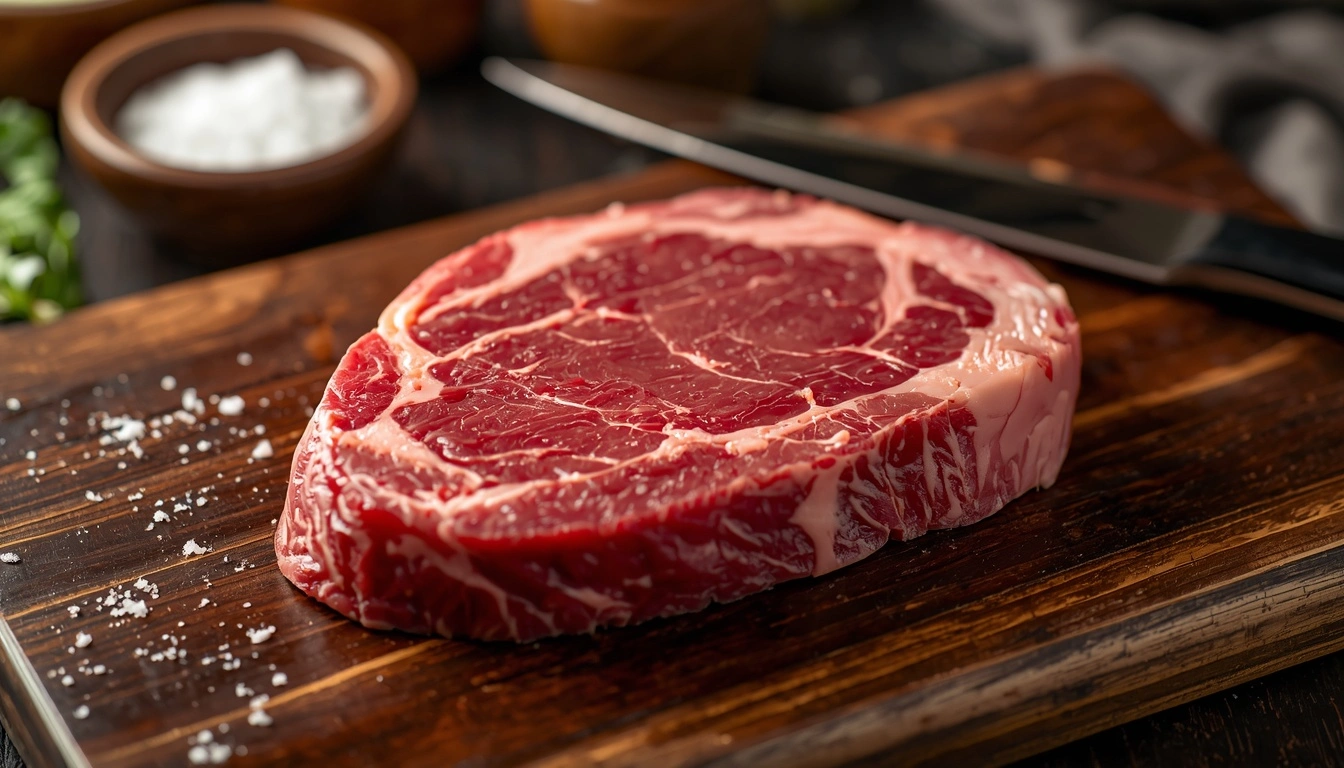
Wagyu beef is prized for fine marbling, a soft bite, and a rich flavor that feels different from standard steak. The main choice is whether you want A5 wagyu, which is intensely marbled and best served in small portions, or American wagyu beef, which is usually beefier, easier to cook as a full steak, and often more approachable.
This guide explains what wagyu is, how wagyu beef price changes by grade and source, where to buy it, and how to cook wagyu steak without wasting the marbling that makes it special.
What Is Wagyu Beef?
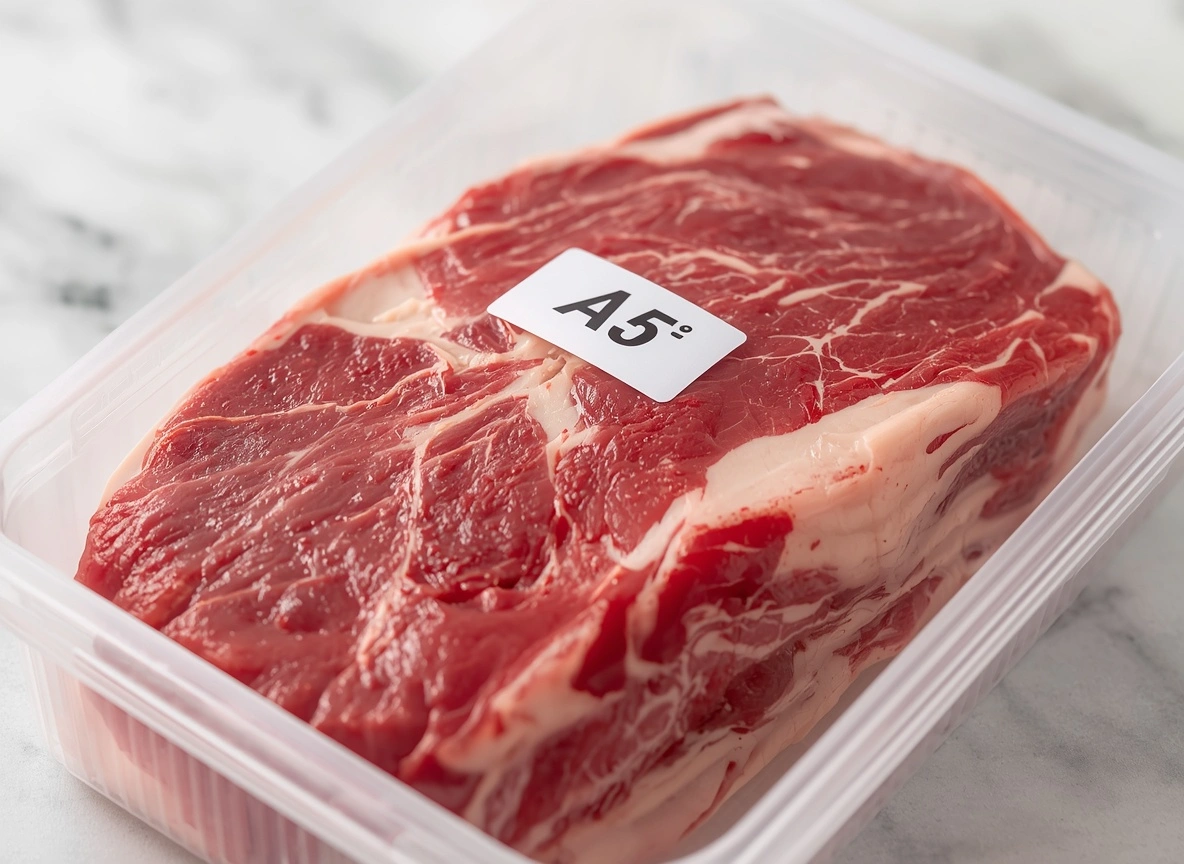
Wagyu means Japanese cattle, but in cooking and shopping, the word usually points to beef with unusually high marbling. That marbling is the thin fat inside the muscle. When cooked carefully, it melts into the meat and gives wagyu its rich, tender texture.
Not all wagyu is the same. A thin slice of Japanese A5 wagyu and a thick American wagyu ribeye behave differently in the pan. A5 is usually richer and needs a shorter sear. American wagyu beef is often better when you want a more traditional steak dinner.
If you are comparing this to standard steak cooking, the timing is different from a typical grilled steak. For regular steak timing, see our guide on how long to cook steak on the grill.
A5 Wagyu vs American Wagyu Beef
The best wagyu to buy depends on the experience you want. A5 wagyu is usually a small-portion luxury ingredient. American wagyu beef is often better for burgers, thicker steaks, and family-style meals because it keeps more familiar beef flavor.
| Type | Best For | Cooking Style | Flavor | Buying Note |
|---|---|---|---|---|
| A5 wagyu | Small tasting portions, special occasions | Very quick pan sear | Buttery, delicate, extremely rich | Look for clear origin, grade, and cold shipping |
| American wagyu beef | Steaks, burgers, roasts, weeknight splurge meals | Pan sear, grill, reverse sear | Rich but more familiar beef flavor | Ask about breed, marbling, cut, and thickness |
| Australian wagyu | Steaks, yakiniku-style slices, restaurant-style meals | Depends on cut and marbling score | Can range from moderately rich to very rich | Check marbling score and seller details |
For general beef quality labels in the United States, the USDA has a helpful overview of Prime, Choice, and Select beef grades. Wagyu labeling can involve origin and breed details beyond those common retail grades, so read seller descriptions carefully.
Wagyu Beef Price: Why It Costs So Much
Wagyu beef price depends on origin, grade, cut, marbling, thickness, packaging, shipping, and seller reputation. A5 wagyu usually costs the most because it is highly marbled, imported, and often sold in smaller premium portions. American wagyu beef is usually less expensive than A5, but still costs more than standard steak.
Japanese A5 wagyu usually sits at the highest end of the price range.
Ribeye and strip steaks usually cost more than ground wagyu or thin slices.
More marbling often means a higher price, but also a richer eating experience.
Online wagyu often includes insulated packaging and fast cold delivery.
Where to Buy Wagyu Beef
The safest buying approach is to choose a seller that clearly explains the origin, cut, grade or marbling level, packaging method, and shipping plan. Good wagyu should not arrive with vague labels, broken vacuum seals, or unclear storage instructions.
| Seller | Best For | What to Check | Buying Note |
|---|---|---|---|
| ButcherBox | Convenient meat delivery and subscription-style buying | Available beef cuts, box type, delivery schedule, freezer space | Good when you want broader meat delivery, not only ultra-premium wagyu |
| Porter Road | Butcher-style online beef shopping | Cut thickness, aging details, availability, shipping window | Useful if you want butcher-cut beef and clear product descriptions |
| Snake River Farms | American wagyu beef | Gold or Black grade, cut, weight, marbling level, shipping method | One of the most relevant options for American wagyu steaks |
| Flannery Beef | Premium butcher-style beef and dry-aged options | Cut, aging style, size, availability, shipping timing | Good for premium beef buyers who care about butcher-level detail |
For frozen A5 wagyu or any expensive frozen meat purchase, storage and thawing matter as much as the seller. See this dedicated guide on how long you can freeze A5 Wagyu beef before you buy more than you plan to cook right away.
How to Cook Wagyu Beef Without Ruining It
Wagyu rewards restraint. Use less seasoning, less cooking time, and more attention to the pan. The goal is not to bury the flavor under marinades or cook out the fat. A hot skillet, dry surface, light salt, and short sear are usually enough.
| Wagyu Cut | Best Method | Approximate Time | Cooking Note |
|---|---|---|---|
| A5 wagyu steak or slice | Hot pan sear | 45 to 90 seconds per side | Serve in small pieces; it is very rich |
| American wagyu ribeye | Pan sear or grill | 2 to 3 minutes per side for many 1-inch steaks | Use a thermometer for thicker cuts |
| American wagyu strip steak | Pan sear, grill, or reverse sear | Depends on thickness | Rest before slicing |
| Ground wagyu | Skillet or grill | Cook until safely done | Ground beef requires stricter safety handling |
For precision, use an instant-read thermometer. With high-priced beef, guessing is not ideal.
Common Wagyu Mistakes
- Using too much seasoning: heavy rubs can hide the flavor you paid for.
- Cooking A5 like a thick steakhouse ribeye: A5 wagyu is rich and usually needs a much shorter sear.
- Skipping the dry surface: moisture blocks browning and makes the crust weak.
- Serving huge portions: very rich wagyu is better in smaller pieces.
- Buying vague labels: look for origin, cut, grade or marbling details, and packaging information.
Video: Wagyu Beef Cooking Reference
Use this video as a visual reference for handling and cooking wagyu beef. The method in this guide still comes down to the same basics: dry the surface, season lightly, sear carefully, and avoid overcooking.
Recipe Block: Pan-Seared Wagyu Steak Master Method
This method works for A5 wagyu or American wagyu beef. Adjust the searing time based on thickness and richness.
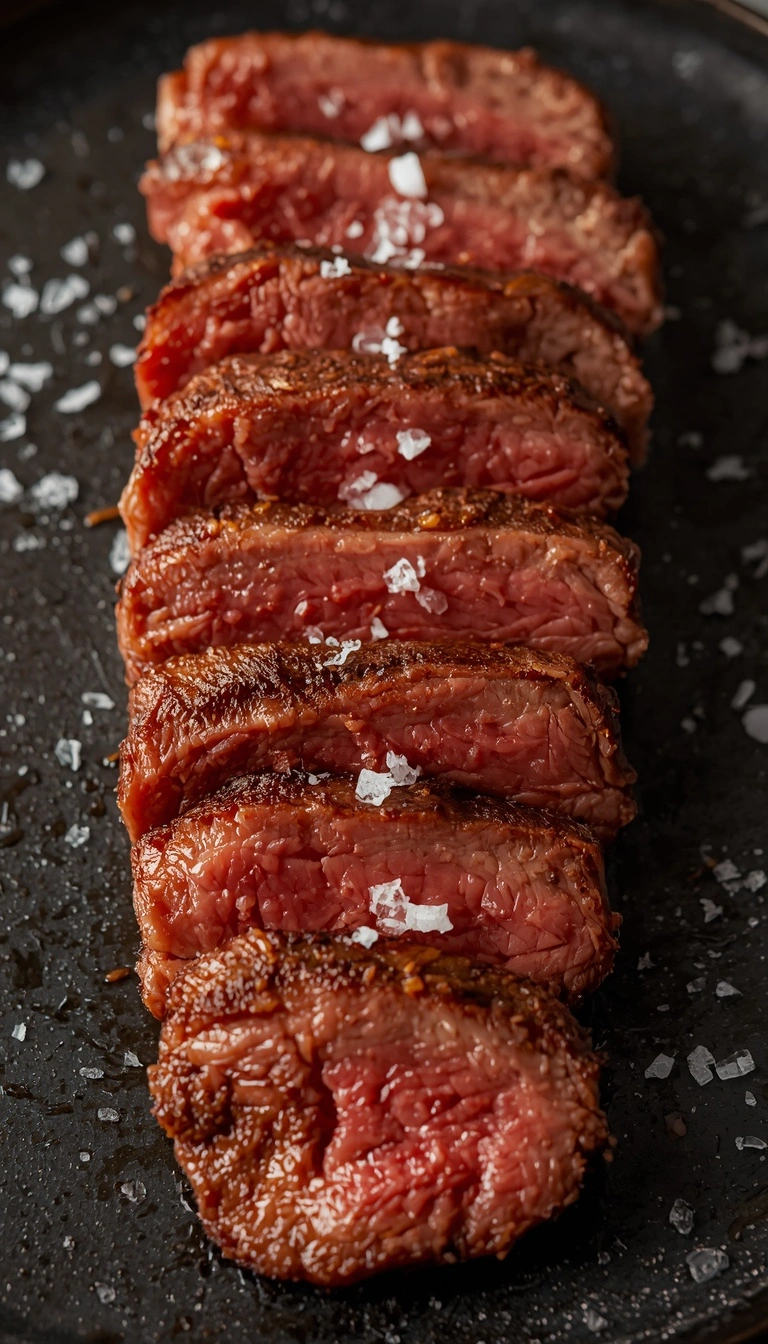
Flavor profile: rich wagyu beef, light salt, crisp browned edges, warm rendered fat, and a clean finish that does not need heavy sauce.
Ingredients
 Wagyu steak
12 oz
Wagyu steak
12 oz Fine sea salt
¾ tsp
Fine sea salt
¾ tsp Black pepper
¼ tsp
Black pepper
¼ tsp Neutral oil
1 tsp
Neutral oil
1 tsp Butter
1 tbsp
Butter
1 tbsp Garlic
1 clove
Flaky salt
1 tsp
Garlic
1 clove
Flaky salt
1 tsp Optional herbs
1
Optional herbs
1Step-by-Step: How to Cook Wagyu Steak
Cook wagyu with a simple process. Let the beef warm slightly, dry it well, season lightly, use a hot pan, and serve before the rendered fat cools too much.
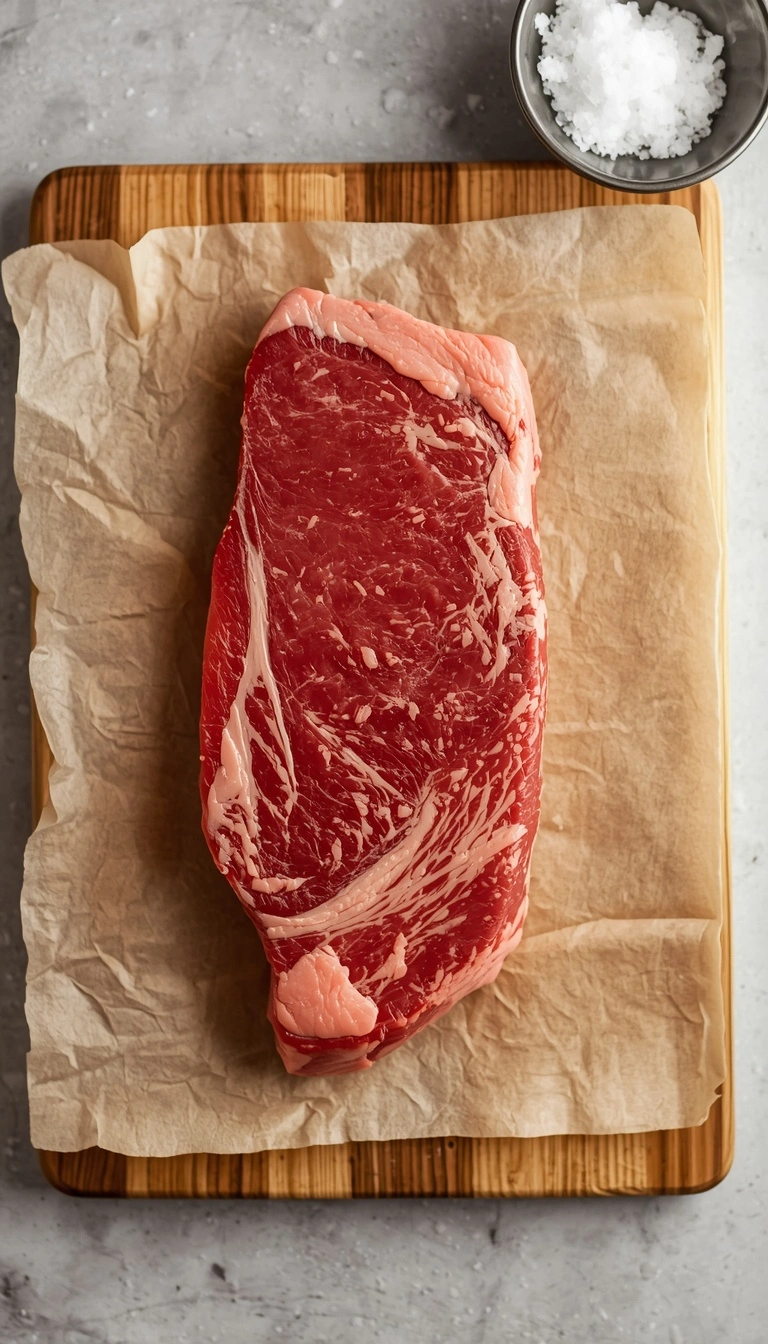
Bring the steak slightly closer to room temperature
Remove the wagyu steak from the refrigerator and let it sit for 20 to 30 minutes while covered. This takes off the harsh chill without leaving the beef out too long.
Pat dry and season lightly
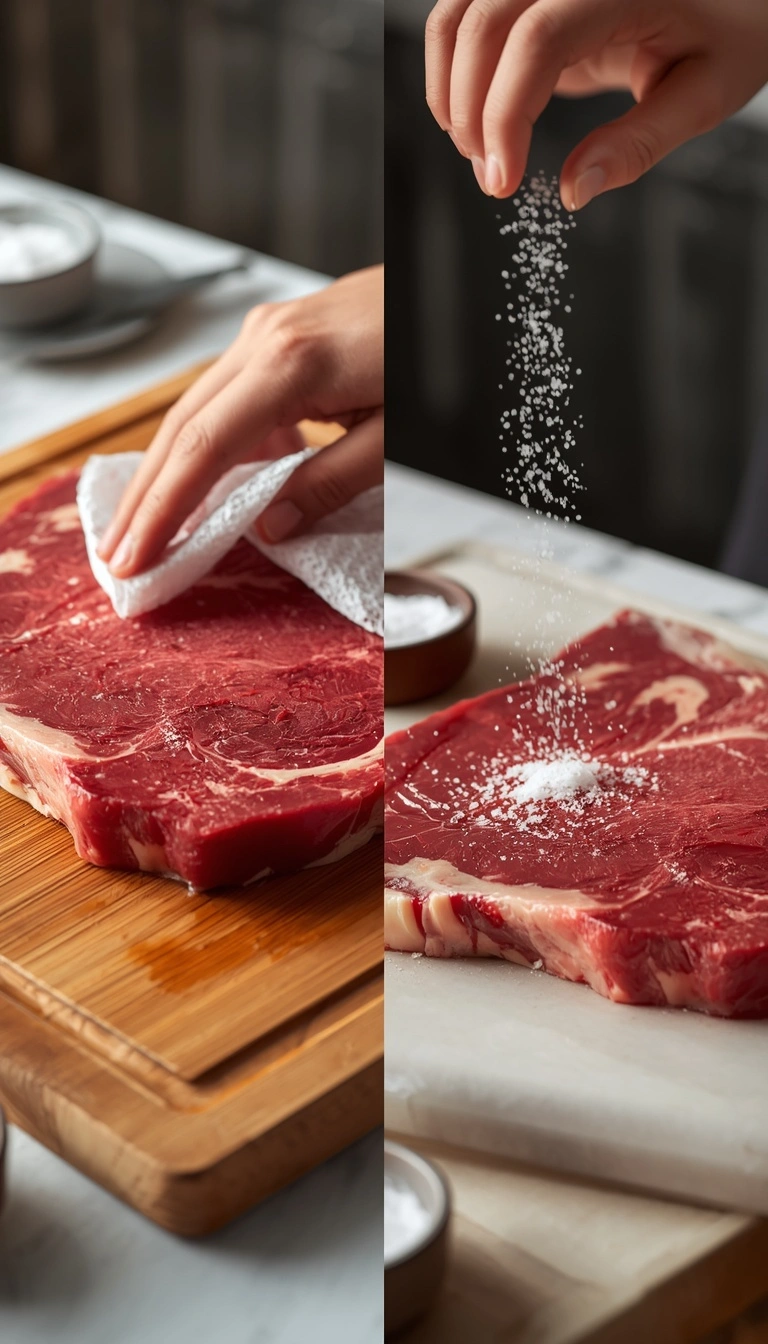
Use paper towels to dry the surface very well. Season with fine sea salt and a small amount of pepper if you want it. A5 wagyu especially does not need a heavy rub.
Heat the pan
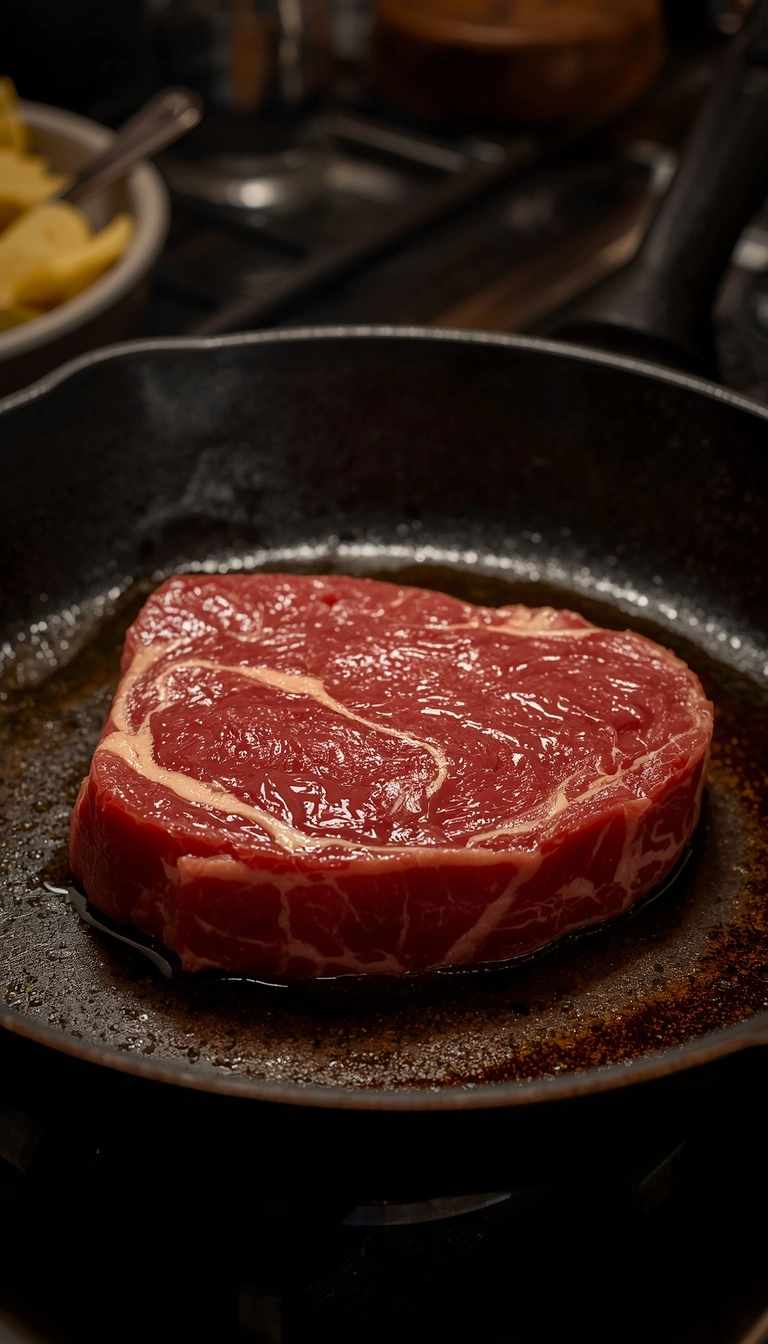
Heat a cast iron skillet or another heavy pan until hot. For A5 wagyu, use a dry pan or just a trace of oil. The beef will release fat quickly.
Sear quickly
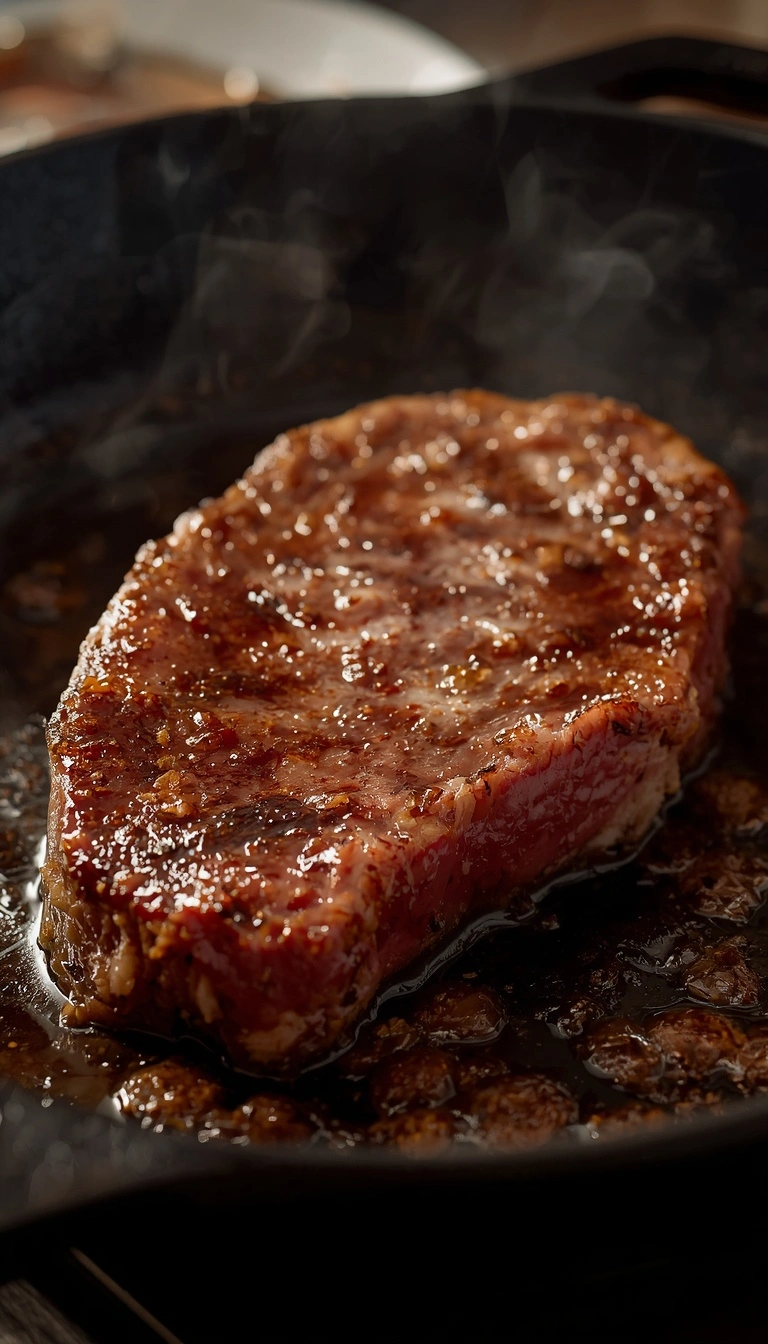
Sear A5 wagyu for about 45 to 90 seconds per side. For thicker American wagyu beef, cook closer to 2 to 3 minutes per side depending on thickness and desired doneness.
Rest, slice, and serve small
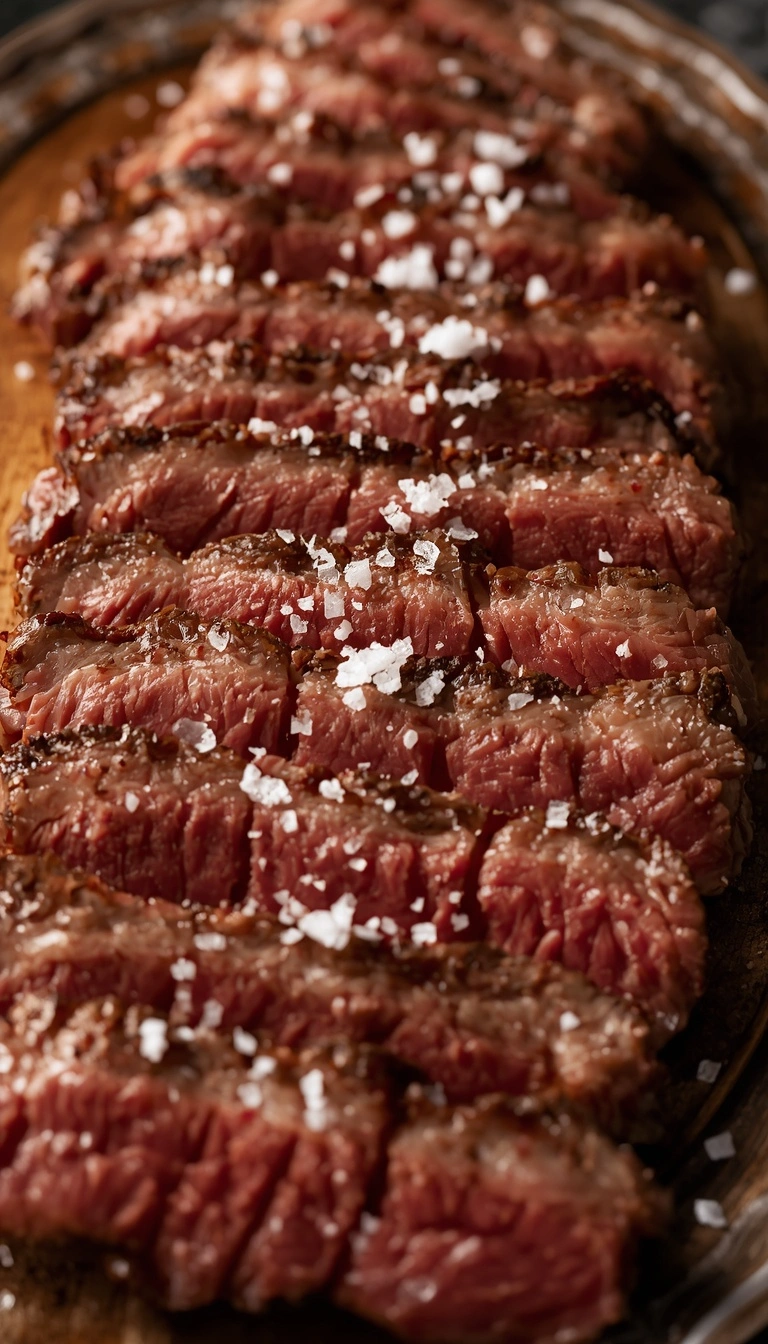
Rest briefly, slice into small pieces, and finish with flaky salt. Wagyu is rich, so smaller portions usually taste better than one oversized serving.
What to Serve With Wagyu Beef
Keep the sides simple. Wagyu is rich, so bright, plain, or lightly seasoned sides work better than heavy sauces.
- Steamed rice or lightly seasoned fried rice.
- Simple greens, cucumber salad, or pickled vegetables.
- Roasted mushrooms or grilled scallions.
- Small tacos with thin-sliced wagyu, inspired by our skirt steak tacos.
- Quick stir-fry vegetables if you want a weeknight-style meal, similar to the balance in this beef and broccoli recipe.
Storage, Thawing, and Leftovers
Keep raw wagyu cold, sealed, and protected from air. If it arrives frozen, thaw it in the refrigerator while still sealed. Do not thaw expensive wagyu on the counter, and avoid hot water thawing.
Cooked leftovers should be cooled, stored in an airtight container, and reheated gently. Wagyu fat can turn greasy if reheated too aggressively, so use low heat and stop as soon as it is warm.
For A5-specific freezing guidance, read how long you can freeze A5 Wagyu beef. For a deeper safety reference, use the USDA guide to safe defrosting methods. If you freeze premium wagyu often, a vacuum sealer can help reduce air exposure.
Wagyu Nutrition Calculator
Estimate calories, protein, and fat for a wagyu-style beef portion. Values vary by cut and marbling, so use these numbers as practical estimates, not lab-tested nutrition.
Wagyu Beef FAQ
Wagyu beef comes from Japanese cattle breeds known for fine intramuscular marbling. The rich fat gives wagyu its soft texture, buttery flavor, and higher price compared with standard beef.
A5 wagyu is usually richer and more intensely marbled, while American wagyu beef often has a beefier flavor and is easier to cook in larger steak portions. The better choice depends on whether you want a tasting-style luxury experience or a more familiar steak meal.
Wagyu beef price varies by origin, grade, cut, thickness, and seller. A5 wagyu is usually the most expensive, while American wagyu beef is often more affordable but still costs more than standard grocery-store steak.
Buy wagyu beef from a trusted butcher, specialty meat shop, reputable online meat seller, or a grocery store that clearly lists the origin, grade, cut, and packaging date. ButcherBox, Porter Road, Snake River Farms, and Flannery Beef are useful places to compare depending on the kind of beef you want.
The best way to cook wagyu steak is usually a quick pan sear with light seasoning. A5 wagyu needs very short cooking because the fat renders quickly. American wagyu can be cooked more like a traditional steak, but it still benefits from careful heat control.
A5 wagyu often does not need oil because it renders its own fat quickly. Leaner American wagyu or thicker cuts may need a small amount of neutral oil to help the surface brown evenly.
More Wagyu and Steak Guides
Use these next if you want side-dish ideas or safe freezer storage guidance before buying more premium beef.

About JULIA
JULIA writes practical meat recipes and clear cooking guides for MeatRecipeZone. This guide is designed to help home cooks understand wagyu beef before buying it, then cook it with enough care to protect the texture, flavor, and marbling.